
A Shopper’s Guide to Wood Ear Mushrooms

Integrating unique textures and earthy flavors into your cooking can elevate familiar dishes, and wood ear mushrooms offer a readily accessible way to achieve this. Often found dried in Asian markets, these fungi provide a delightful, slightly chewy crunch that stands apart from other mushrooms, making them a sought-after ingredient for adding textural complexity to stir-fries, soups, and cold salads. Their subtle taste also means they readily absorb the flavors of sauces and broths, enhancing the overall culinary experience without overpowering other components. For home cooks looking to expand their repertoire with an ingredient that is both versatile and distinctive, understanding where and how to find these unique mushrooms is key.
What are Wood Ear Mushrooms?
Wood ear mushrooms, known scientifically as Auricularia, are a type of edible fungus recognized for their distinctive ear-like shape and gelatinous, chewy texture. Research into various edible fungi, including Auricularia species, can often be found on PubMed. They don’t have the typical stem-and-cap structure of many common mushrooms; instead, they grow on wood, particularly on elder and other deciduous trees, in wavy, lobed clusters. Their color can range from tan to dark brown or nearly black.
Unlike mushrooms prized for a deep, savory flavor, wood ears are valued primarily for their unique texture. When cooked, they offer a firm, slightly crunchy bite that holds up well in liquids. Their flavor is very mild and subtly earthy, which makes them incredibly versatile. They act like a sponge, soaking up the flavors of the broths, sauces, and seasonings they are cooked with. In many culinary traditions, they are a key textural component in soups, stir-fries, and salads. Finding a quality wood ear mushroom asian market selection is often the first step for cooks eager to experiment with this ingredient.
Understanding Wood Ear Mushrooms at the Asian Market
When you walk into an Asian market, you will most likely find wood ear mushrooms in their dried form. Fresh wood ears are less common because they are more perishable. Dried mushrooms are lightweight, have a long shelf life, and are easy to store, making them a practical pantry staple. They are typically sold in clear plastic bags, allowing you to see the product inside.
When inspecting dried wood ear mushrooms, look for whole, intact pieces that are not crushed into dust. The color should be relatively uniform, though some variation is normal. High-quality dried wood ears will look dark and somewhat brittle. Avoid packages with signs of moisture or mold. The dried form is highly concentrated, and the mushrooms will expand significantly—often to several times their original size—once they are rehydrated in water.
Buy Black Fungus Near Me: Asian American Store
If you are searching for wood ear mushrooms, you might also see them labeled as “black fungus.” This is a very common name for the mushroom, especially in Chinese cuisine and at markets catering to a Chinese-American clientele. When visiting an Asian American store, asking for black fungus will often lead you directly to the right aisle. These stores are an excellent and reliable source for a wide variety of dried goods, and black fungus is almost always a standard item in their inventory. While Asian markets are primary sources, some regional grocery chains like HEB may also carry them; you can inquire about wood ear mushroom HEB availability.
Wood Ear Mushroom Asian Market: Where to Buy
The most reliable place to find wood ear mushrooms is at an Asian market or grocery store. For detailed guidance, exploring options for where to buy wood ear mushrooms can be very helpful. These establishments, whether they are large supermarkets or smaller neighborhood shops, cater to cuisines where this ingredient is fundamental. The specific selection might vary depending on whether the market specializes in Chinese, Korean, Vietnamese, Japanese, or pan-Asian products, but most will carry some form of dried wood ear. Visiting a wood ear mushroom asian market provides the advantage of seeing the product firsthand and often at a more affordable price than specialty online retailers. While not always available, some large chain supermarkets might also stock them, so it’s worth checking if your local store carries wood ear mushroom Tesco.
Where to Buy Wood Ear Mushroom Asian Market
Once you are inside an Asian market, locating wood ear mushrooms is usually straightforward. Head to the aisle with dried goods. This section is often a treasure trove of culinary ingredients, including dried noodles, spices, preserved vegetables, and other dried fungi like shiitake mushrooms. Wood ear mushrooms will typically be shelved alongside these items. They are packaged in clear bags of various sizes, so you can choose the quantity that best suits your needs. If you have trouble finding them, don’t hesitate to ask an employee for “wood ear mushrooms” or “black fungus.”
Wood Ear Mushroom Asian Market Near Me
To find a local source, use online map services and search for terms like “Asian market near me,” “Asian grocery store,” or “Chinese supermarket.” These searches will usually reveal the main markets in your area. Reading reviews can sometimes give you a clue about the store’s size and the variety of its stock. Exploring these markets is not only a practical way to find ingredients like wood ear mushrooms but also a great opportunity to discover other unique products to enhance your cooking. For those located in the Middle East, a specific search for wood ear mushroom Qatar buy options would be beneficial.
How to Prepare and Cook Wood Ear Mushrooms
Preparing dried wood ear mushrooms is a simple but essential process that begins with rehydration. Place the desired amount of dried mushrooms in a large bowl and cover them completely with warm water. They will begin to soften and expand almost immediately. Allow them to soak for at least 30 minutes to an hour, or until they are fully pliable and have grown to several times their original size. Some very thick pieces might require a longer soaking time.
After they are fully rehydrated, rinse the mushrooms thoroughly under cold running water to remove any grit or debris. You may notice a small, hard, nub-like area where the mushroom was attached to the wood. This part can be tough and should be trimmed off with a knife and discarded. From there, you can leave the mushrooms whole or slice them into strips, depending on your recipe’s requirements. It is important to note that wood ear mushrooms should always be cooked before consumption and are not suitable to be eaten raw.
Cooking techniques are versatile. They can be simmered in soups for extended periods without losing their texture or quickly added to a hot stir-fry in the last few minutes of cooking. Their ability to remain crisp-tender makes them a favorite addition for textural contrast. Getting your supply from a wood ear mushroom asian market ensures you have a good amount on hand to try in various preparations.
Culinary Uses of Wood Ear Mushrooms
The primary role of wood ear mushrooms in cooking is to provide texture. Their mild flavor profile allows them to be a welcome addition to a wide range of dishes without competing with other ingredients. In fact, their ability to absorb flavors makes them an excellent vehicle for showcasing sauces and broths.
In Chinese cuisine, they are a classic ingredient in hot and sour soup, where their chewy crunch provides a delightful contrast to the soft tofu. They are also frequently used in stir-fried dishes, such as moo shu pork, where they are sliced into thin strips and mixed with scrambled eggs, vegetables, and meat. Cold appetizers are another popular use; rehydrated and cooked wood ears are often tossed with a savory and tangy dressing made from soy sauce, vinegar, sesame oil, and garlic. Exploring the aisles of a wood ear mushroom asian market will often inspire you to try these classic recipes and more.
Beyond Chinese food, wood ear mushrooms feature in the cuisines of many other Asian countries. They can be found in Japanese soups, Vietnamese noodle dishes, and Korean stir-fries, always contributing their signature bouncy, crisp texture.
After purchasing dried wood ear mushrooms, store them in an airtight container in a cool, dark, and dry place like a pantry. Stored properly, they can last for many months, if not longer. Once rehydrated, they should be treated like fresh mushrooms and used within a few days.
The purpose of this content is to educate, not to diagnose or treat. This article provides general information about a food ingredient and should not be considered medical or nutritional advice. The nutritional profiles of foods can vary, and individual dietary needs differ. Always consult with a qualified healthcare provider or a registered dietitian for personalized advice regarding your health, diet, or before making any changes to your wellness routine.
FAQ
What is the difference between wood ear and black fungus?
Wood ear mushroom and black fungus are often used interchangeably, as they refer to the same species, Auricularia polytricha. This common name variation highlights its prevalence in Asian markets and its characteristic dark, ear-like shape when rehydrated. The terms are essentially synonyms for this versatile edible mushroom.
Continue reading
You May Also Like
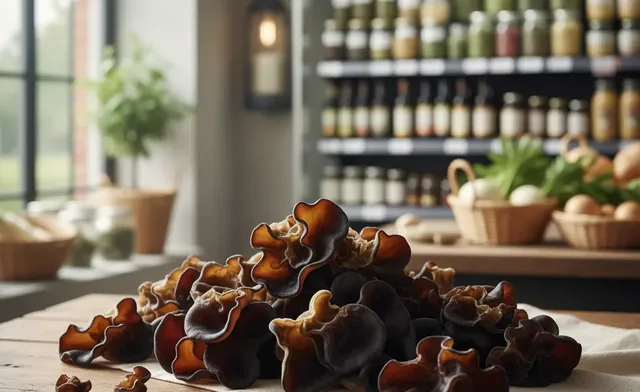
A Shopper’s Guide to Trader Joe's Wood Ear Mushrooms
Thinking about the wood ear mushroom Trader Joe's sells? This guide explains how to buy it, store it, and use both fresh and dried varieties.
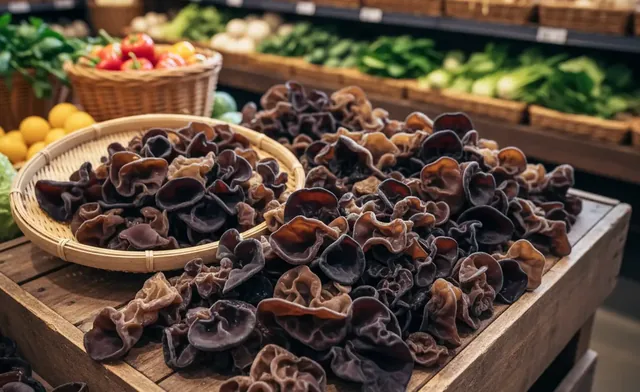
A Shopper's Guide to Wood Ear Mushrooms at
Find the best wood ear mushroom T&T has available with our complete guide to locating, selecting, and using this versatile ingredient.
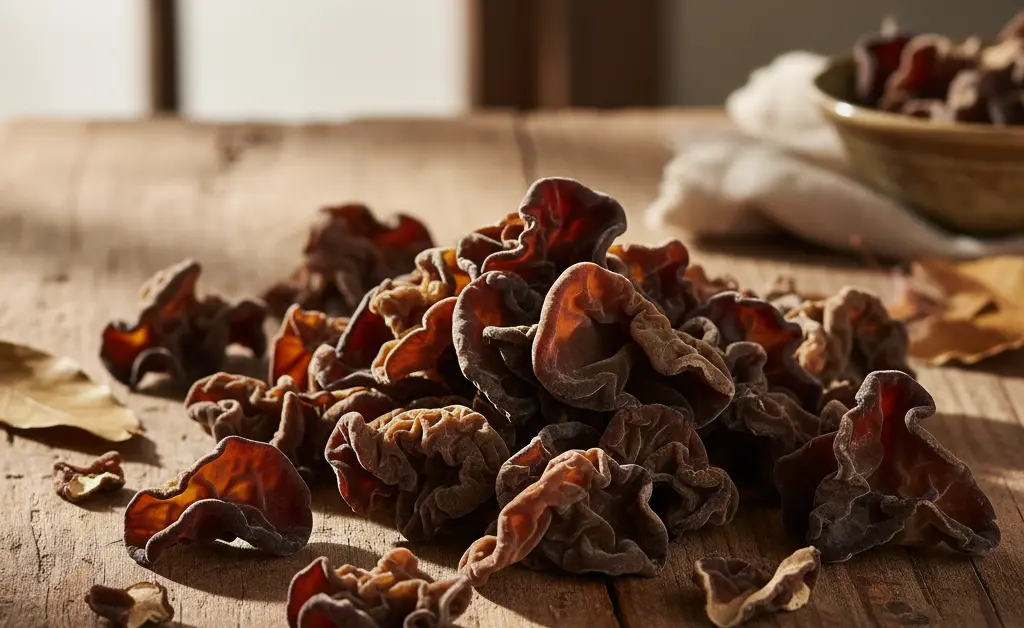
Unlock the Flavor of Dried Wood Ear Mushrooms
Sourced for their superior quality and snappy texture, you can buy dried wood ear mushrooms to add an authentic, crisp bite to your dishes.