
A Complete Guide to Making Wood Ear Japchae

Have you ever encountered a dish with a delightfully unique texture, something that adds a subtle yet satisfying chew to every bite? Wood ear mushrooms, with their distinctive appearance and pleasing mouthfeel, are a star ingredient in many Asian cuisines, and their role in japchae is no exception. This traditional Korean noodle dish, often served during celebrations and holidays, gets a fascinating dimension when incorporating these fascinating fungi. Learning to prepare wood ear mushroom japchae recipe effectively means mastering a few simple techniques, from proper preparation of the mushrooms themselves to balancing the sweet, savory, and umami flavors that define this beloved classic.
Wood Ear Mushroom Japchae Recipe
Japchae is a celebrated Korean dish known for its harmonious blend of textures and flavors. Traditionally made with glass noodles, assorted vegetables, and a protein, it becomes truly special with the inclusion of wood ear mushrooms. These fungi introduce a pleasant, slightly crunchy and chewy texture that contrasts beautifully with the soft noodles and crisp vegetables. The process involves several distinct steps, each contributing to the final, vibrant composition of the dish.
Wood Ear Mushrooms
Wood ear mushrooms, also known as black fungus, are a type of edible fungus recognized for their dark, ear-like shape and unique gelatinous texture. When fresh, they are soft and rubbery, but they are most commonly sold in a dried, shriveled state. Their flavor is very mild and earthy, which allows them to absorb the flavors of the sauces and other ingredients they are cooked with. In japchae, their primary role is to provide an intriguing textural element that elevates the overall eating experience, making each mouthful more interesting. Beyond japchae, the unique texture of these mushrooms can also be enjoyed in a delicious wood ear mushroom Din Tai Fung recipe.
Soaking Wood Ear Mushrooms
Proper preparation of dried wood ear mushrooms is essential before they can be used in any recipe. The first and most important step is rehydration. To do this, place the dried mushrooms in a large bowl and cover them completely with warm water. They will begin to expand significantly, unfurling from their dried state and becoming soft and pliable. After they have fully rehydrated, it’s important to rinse them thoroughly under cool running water to remove any grit or debris that may be trapped in their folds. Once clean, you can trim off any hard, woody parts, particularly near the base where they were attached to wood, before slicing them for your dish. For general food safety guidelines and regulations, you can always refer to the FDA.
Ingredients for Wood Ear Japchae
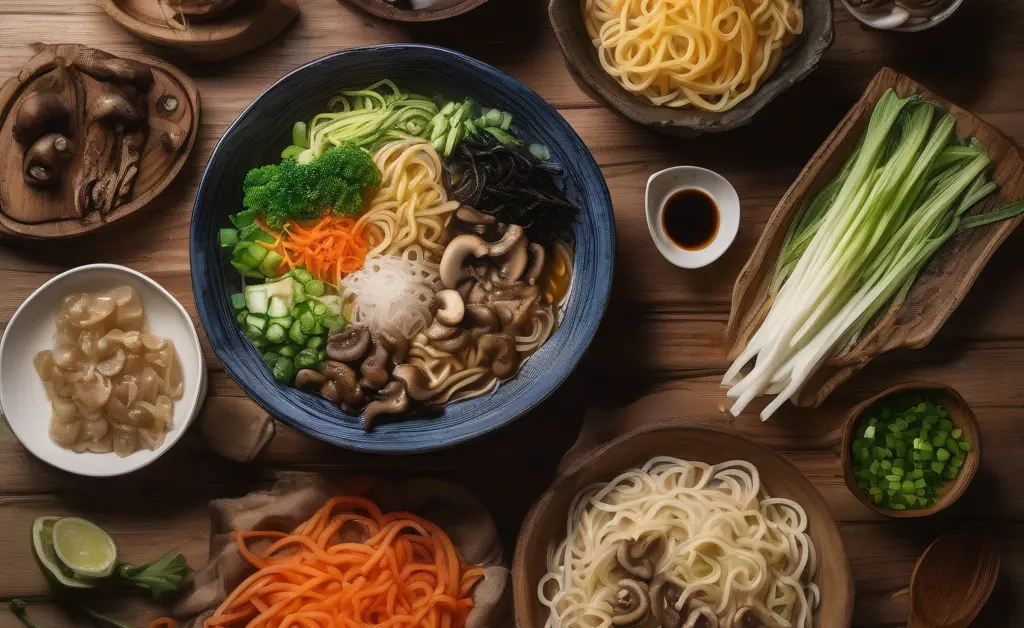
Creating a delicious and authentic japchae requires a collection of specific components that come together to form its signature taste and appearance. While recipes can vary, a classic preparation includes a balanced mix of noodles, vegetables, protein, and a flavorful sauce. A well-executed wood ear mushroom japchae recipe typically calls for the following types of ingredients:
- Glass Noodles (Dangmyeon): These are traditional Korean noodles made from sweet potato starch, which become translucent and delightfully chewy when cooked.
- Wood Ear Mushrooms: The key ingredient, providing a unique texture. They are typically used in their rehydrated and sliced form.
- Assorted Vegetables: A colorful medley is crucial for both flavor and visual appeal. Common choices include thinly sliced carrots, spinach (blanched and seasoned), onions, and bell peppers of various colors.
- Protein: Thinly sliced beef, often marinated, is a traditional choice. For a vegetarian option, firm tofu or additional mushrooms can be used.
- Japchae Sauce Components: The sauce is a savory and slightly sweet mixture. Key ingredients usually include soy sauce, sesame oil, minced garlic, and a sweetener like sugar or honey. Black pepper is also commonly added.
- Garnish: Toasted sesame seeds are almost always sprinkled on top just before serving, adding a nutty aroma and a final textural touch.
Instructions for Wood Ear Japchae
The assembly of japchae is a methodical process where each component is prepared individually before being combined at the end. This technique ensures that every ingredient retains its distinct texture and flavor. The process can be broken down into a few main stages.
First, prepare all your ingredients. This involves soaking and slicing the wood ear mushrooms, julienning the carrots and bell peppers, slicing the onion, and blanching the spinach. The protein, such as beef, should be marinated. The glass noodles are cooked according to package directions, then rinsed in cold water and cut with kitchen shears to prevent clumping.
Next, cook the components. In a lightly oiled pan, stir-fry the vegetables one by one or in small batches, seasoning each lightly as you go. Set them aside in a large mixing bowl. In the same pan, cook your marinated protein until it is done. Add the cooked protein to the bowl with the vegetables. Beyond japchae, the mushroom also shines in a dedicated wood ear mushroom stir fry recipe.
Finally, combine everything. Add the cooked and cut noodles to the large bowl with the vegetables and protein. Pour the prepared japchae sauce over the mixture. Using your hands or tongs, gently toss all the ingredients together until the noodles are evenly coated and everything is well-distributed. Garnish with toasted sesame seeds before serving. The dish can be enjoyed warm, at room temperature, or even cold.
Tips for Perfect Wood Ear Japchae
Mastering japchae is about paying attention to the details. A few key tips can help you elevate your dish from good to great, ensuring the perfect balance of flavors and textures every time you make this wood ear mushroom japchae recipe.
- Achieving the Right Noodle Texture: Overcooked glass noodles can become mushy and lose their signature chewiness. It’s important to cook them just until they are soft and translucent. After cooking, immediately rinsing them under cold water stops the cooking process and prevents them from sticking together. A light toss with a bit of sesame oil can also help keep the strands separate.
- Balancing Japchae Flavors: The sauce is the heart of the dish. A good japchae sauce should be a harmonious blend of savory, sweet, and nutty flavors. Don’t be afraid to taste and adjust the sauce before mixing it in. If it tastes too salty, a little more sweetener can balance it. If it’s too sweet, a splash more soy sauce may be needed.
- Cooking Vegetables Separately: While it may seem tedious, stir-frying the vegetables individually is a traditional technique for a reason. It allows you to cook each vegetable to its ideal tenderness, preserving its unique color, crunch, and flavor. This prevents softer vegetables from becoming overcooked while harder ones are still underdone.
- Don’t Overcrowd the Bowl: Use a very large mixing bowl when it’s time to combine all the ingredients. This gives you plenty of room to toss the noodles, vegetables, and sauce together without compressing the ingredients or breaking the delicate noodles.
Wood Ear Japchae Recipe Variations
While the traditional recipe is beloved, japchae is also wonderfully versatile and can be easily adapted to suit different dietary preferences and available ingredients. Exploring variations can make the dish your own and keep it exciting. The flexible nature of this wood ear mushroom japchae recipe allows for many creative substitutions. For example, its mild flavor also makes it suitable for a comforting wood ear mushroom miso soup recipe.
For a completely vegetarian or vegan japchae, simply omit the beef. You can increase the amount and variety of mushrooms, using a combination of wood ear and shiitake for more umami depth. Pan-fried firm tofu, cut into thin strips, also makes an excellent protein substitute. Ensure your sweetener of choice in the sauce is vegan-friendly if needed.
Feel free to experiment with the vegetables. Depending on the season, you can incorporate other additions like thinly sliced zucchini, bok choy, or broccoli florets. For a bit of heat, a sprinkle of Korean chili flakes (gochugaru) can be tossed in with the sauce, adding a gentle warmth to the dish. These simple changes allow you to customize the recipe while still honoring the spirit of this classic Korean noodle dish.
Japchae is a testament to the beauty of balanced flavors and textures. The addition of wood ear mushrooms provides a delightful chewiness that makes the dish even more memorable. By preparing each component with care and combining them with a well-balanced sauce, you can create a vibrant and satisfying meal perfect for any occasion, from a simple weeknight dinner to a festive celebration. We encourage you to try this recipe and experience the unique qualities that wood ear mushrooms bring to the table.
This information is provided for educational purposes only. The content of this article is not intended to be a substitute for professional dietary advice or guidance. Individuals should consult with a qualified professional for any health or dietary concerns. The preparation and consumption of any food should be done with personal discretion and awareness of any potential allergies or sensitivities.
FAQ
How do you prepare wood ear mushrooms for japchae?
Wood ear mushrooms are typically rehydrated by soaking them in warm water until they become pliable. After rehydration, they are usually rinsed thoroughly and any tough, woody base is trimmed away. This preparation ensures they have a pleasant, slightly chewy texture suitable for the dish.
Can you make japchae with dried wood ear mushrooms?
Yes, dried wood ear mushrooms are commonly used in japchae and are a convenient option. They require rehydration before cooking, which effectively restores their texture and allows them to absorb the savory flavors of the japchae sauce. This makes them a versatile ingredient for this popular Korean noodle dish.
How do you cut wood ear mushrooms for japchae?
Once rehydrated and cleaned, wood ear mushrooms are typically sliced into thin strips. The goal is to create pieces that are similar in size and shape to the other ingredients in the japchae, ensuring a balanced bite. This cutting method enhances their visual appeal and integrates them smoothly into the overall dish.
Continue reading
You May Also Like
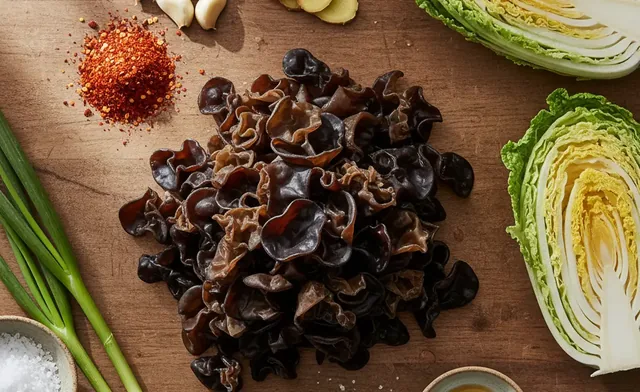
Wood Ear Mushroom Kimchi: A Complete Recipe Guide
This direct wood ear mushroom kimchi recipe provides clear, step-by-step instructions for creating a uniquely textured and flavorful ferment.

A Simple Guide to Making Wood Ear Mushroom Tea
Create a soothing, healthful beverage with this easy wood ear mushroom tea recipe, which includes simple steps and essential preparation tips.
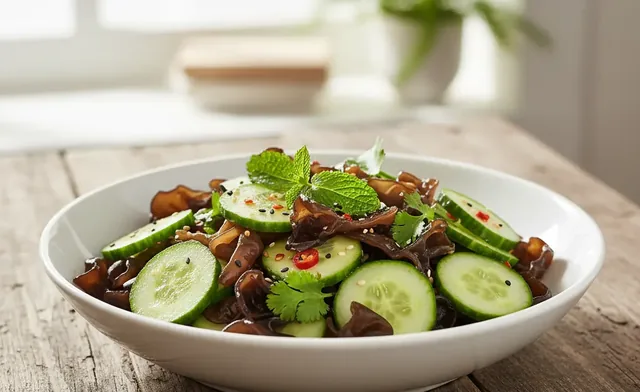
How to Make Wood Ear Mushroom and Cucumber Salad
Our definitive wood ear mushroom and cucumber salad recipe guides you in creating a crisp, savory, and refreshing dish with a perfect texture.