
A Savory Vegan Recipe for Wood Ear Mushrooms

You’re standing in the kitchen, the aroma of ginger and garlic just starting to sizzle, and you’re looking for a way to add an unexpected yet satisfying texture to your plant-based meal. Perhaps you’ve just discovered wood ear mushrooms at your local market, intrigued by their unique, gelatinous yet slightly crunchy bite, and you’re wondering how to best showcase them in a dish that’s both hearty and flavorful. This recipe is designed to transform those intriguing fungi into a star ingredient, demonstrating how versatile and delicious vegan cooking can be. Get ready to create a dish that’s not only visually appealing but also offers a delightful textural contrast, perfect for any occasion. This wood ear mushroom vegan recipe is sure to become a new favorite.
Wood Ear Mushroom Vegan Recipe


Creating a delicious dish with wood ear mushrooms is all about understanding how to complement their unique texture. These fungi, also known as black fungus, have a mild, slightly earthy flavor that allows them to absorb the tastes of the ingredients they are cooked with. This makes them incredibly versatile for stir-fries, soups, and salads. One popular way to enjoy them is through a flavorful wood ear mushroom fried rice recipe. The following sections break down the process into simple, manageable steps, guiding you from preparation to the final, flavorful dish.
Essential Ingredients for a Vegan Recipe
To build a foundation of flavor that enhances the wood ear mushrooms, you will need a selection of core ingredients. While recipes can vary, a classic combination often includes:
- Dried wood ear mushrooms, which are widely available and offer a concentrated texture once rehydrated.
- Aromatics such as fresh ginger, garlic, and scallions to create a fragrant base.
- A savory sauce typically made from soy sauce or tamari, rice vinegar for a touch of acidity, and sesame oil for a nutty finish.
- Optional additions like a plant-based sweetener to balance the flavors, or chili flakes for a bit of heat.
- A neutral cooking oil suitable for sautéing, like avocado or grapeseed oil.
Preparing the Wood Ear Mushrooms
Proper preparation is key to achieving the desired texture of wood ear mushrooms. If you are using dried mushrooms, the first step is rehydration. Submerge them in a bowl of warm water and let them soak until they are fully expanded, soft, and pliable. This process can take some time, so plan accordingly. Once rehydrated, or if using fresh mushrooms, rinse them thoroughly to remove any debris. It is common to find a tough, gritty spot where the mushroom was attached to the wood; this should be trimmed off and discarded. For safety and best texture, wood ear mushrooms should always be cooked thoroughly before consumption and should not be eaten raw. For additional health information and dietary guidance, consult resources from the NIH.
Sautéing Aromatics
The flavor journey of this dish begins with the aromatics. Finely mince your garlic and ginger, and thinly slice the scallions, often separating the white parts from the green. Heat a neutral oil in a wok or large skillet over medium-high heat. Add the white parts of the scallions, ginger, and garlic, and stir-fry for a minute or so until they become fragrant. This step releases their essential oils and creates a savory foundation that will infuse the entire dish.
Combining Ingredients and Simmering
Once the aromatics are fragrant, it’s time to add the prepared wood ear mushrooms to the pan. Sauté them for a few minutes, allowing them to get lightly coated in the aromatic oil. Next, pour in your pre-mixed sauce. Stir everything together to ensure the mushrooms are evenly coated. Bring the mixture to a gentle simmer. This simmering technique is also crucial for developing rich flavors in a comforting wood ear mushroom ramen recipe. Reducing the heat and allowing the dish to simmer lets the mushrooms absorb the complex flavors of the sauce. Cook until the sauce has thickened slightly and the mushrooms have reached a pleasant, tender-crisp consistency.
Tofu and Wood Ear Mushroom Recipe
For a more substantial and protein-rich meal, incorporating tofu is an excellent choice. Its soft, yielding nature provides a wonderful contrast to the chewy, snappy texture of the mushrooms. For best results, use firm or extra-firm tofu that has been pressed to remove excess water. Cut the tofu into cubes or slabs and pan-fry them separately until golden brown before adding them to the mushroom dish. This step prevents the tofu from breaking apart and gives it a more satisfying texture. A well-executed tofu and wood ear mushroom vegan recipe can easily become a staple for a hearty weeknight dinner.
Vegan Wood Ear Mushroom Mapo Tofu
For a bold and spicy variation, consider making a vegan mapo tofu that features wood ear mushrooms. This iconic Sichuan dish is known for its fiery and numbing flavor profile, traditionally derived from pork and soft tofu. For a broader exploration of Asian flavors, a dedicated wood ear mushroom Chinese recipe can offer diverse culinary experiences. To create a plant-based version, you can substitute the meat with minced mushrooms or a plant-based ground, and add sliced wood ear mushrooms for an incredible textural dimension. The mushrooms’ unique chewiness pairs beautifully with the silkiness of the soft tofu. Use a vegan-friendly chili bean paste and vegetable broth to build the classic, deeply savory sauce, creating a complex and satisfying dish that honors its roots while being entirely vegan.
Whether you prefer a simple stir-fry or a more complex dish like mapo tofu, wood ear mushrooms offer a unique culinary experience. Their ability to soak up flavor while providing a delightful textural bite makes them a standout ingredient in plant-based cooking. By following these steps and tips, you can confidently create a delicious meal that highlights the best qualities of these fascinating fungi. Feel free to experiment with other vegetables like bell peppers, bamboo shoots, or carrots to add more color and nutrients to your dish. For those who enjoy exploring different fungi, there are many delicious shiitake mushroom recipes to discover. Serve with a side of steamed rice or noodles to complete the meal.
This article aims to inform, not to replace professional healthcare advice. The information provided is for general culinary and educational purposes only. Before making significant changes to your diet, especially if you have pre-existing health conditions or food allergies, it is recommended to consult with a qualified healthcare provider or a registered dietitian. Some individuals may have sensitivities to certain types of fungi, and professional guidance can help ensure your dietary choices are safe and appropriate for your specific needs.
FAQ
What is the best way to prepare wood ear mushrooms for a vegan recipe?
To prepare wood ear mushrooms, begin by soaking them in warm water until they are fully rehydrated and pliable. Gently rinse them to remove any debris, and then trim away any tough base parts before incorporation into your dish.
Can I use dried wood ear mushrooms in a vegan recipe?
Dried wood ear mushrooms are an excellent option and can be easily rehydrated for use in vegan cooking. Soaking them in warm water for at least 30 minutes, or until tender, makes them suitable for most recipes.
What are the key ingredients for a vegan wood ear mushroom dish?
A successful vegan wood ear mushroom dish often features savory aromatics like garlic and ginger, a flavorful sauce base such as soy sauce or tamari, and vibrant vegetables. To achieve a delicious wood ear mushroom vegan recipe, consider adding toasted sesame oil for a nutty depth.
How do I achieve the desired texture for wood ear mushrooms in a vegan recipe?
The unique texture of wood ear mushrooms comes from their rehydration and cooking time. Ensure they are thoroughly rehydrated to avoid a rubbery consistency, and then cook them briefly to retain their characteristic crispness.
Continue reading
You May Also Like

A Classic Pork and Wood Ear Mushroom Stir-Fry Recipe
Our simple wood ear mushroom and pork recipe creates a classic Chinese stir fry with a delightfully chewy texture and a rich, savory sauce.
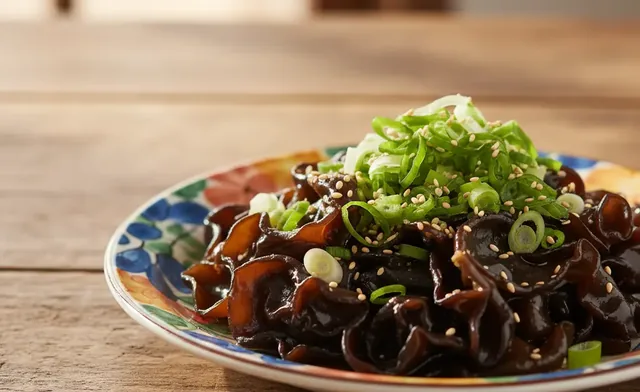
An Easy Recipe for Wood Ear Mushroom Banchan
Create a wonderfully textured Korean side dish with this simple wood ear mushroom banchan recipe, perfect for adding a unique, savory bite to any…

A Simple Recipe for a Classic Wood Ear Mushroom Stir Fry
Get a simple and authentic wood ear mushroom chinese recipe for a quick stir fry that you can easily prepare at home with our clear steps.