
Wood Ear vs. Shiitake: Flavor, Nutrition, and Uses
As a seasoned culinary explorer, I’ve delved into the distinct characteristics of countless fungi, and the nuances between the wood ear mushroom and the shiitake are particularly fascinating. While both are celebrated in kitchens worldwide for their umami depth and versatile applications, they offer markedly different experiences from plate to palate. Understanding these differences is key to unlocking their full potential, whether you’re aiming for a delicate chew in a stir-fry or a robust, meaty bite in a hearty soup. This comparison aims to illuminate the unique qualities of each, guiding you toward the best choice for your next gastronomic adventure.
Appearance and Texture: A Visual and Sensory Comparison
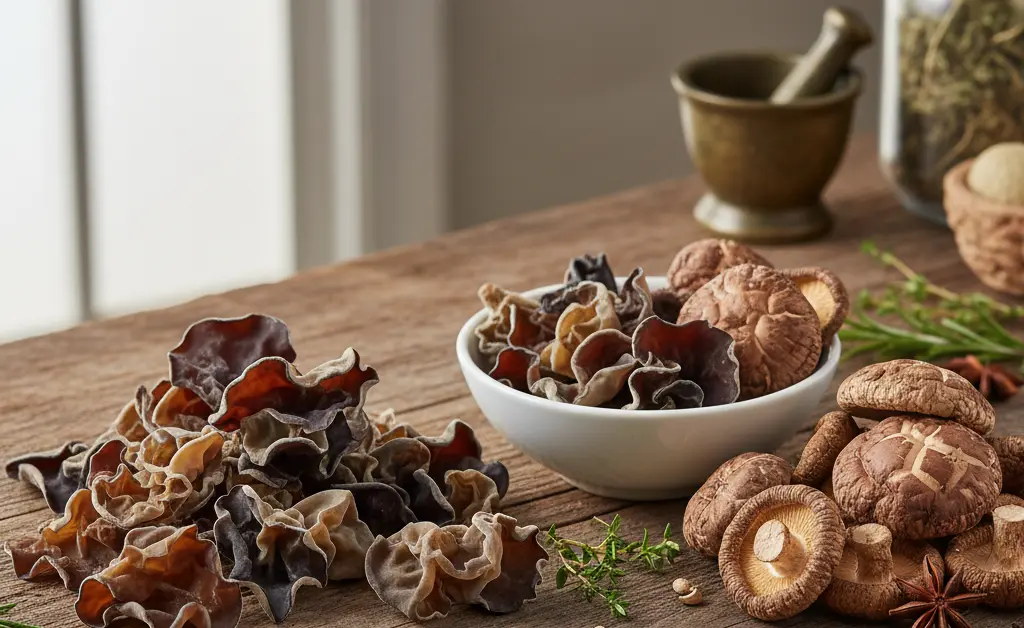
At first glance, wood ear and shiitake mushrooms could not be more different. Wood ear mushrooms, also known by descriptive names like cloud ear fungus or black fungus, grow on decaying wood in temperate climates. They have a distinctively irregular, ear-like shape with a thin, wavy, and often translucent appearance. Typically sold in their dried form, they are dark brown or black and unfurl into a much larger, rubbery form when rehydrated.
Shiitake mushrooms, in contrast, present a more classic mushroom form. They possess a familiar umbrella-shaped cap that ranges from light tan to deep brown, often with a slightly cracked surface. The underside reveals delicate gills, and the cap is attached to a tough, fibrous stem that is usually removed before cooking. While available fresh, dried shiitakes are also popular and prized for their concentrated flavor.
Comparing Textural Qualities
The most significant distinction between these two fungi lies in their texture. Wood ear mushrooms are almost entirely about mouthfeel. They have a unique gelatinous, yet firm and slightly crunchy texture. When you bite into one, it has a satisfying snap. This quality allows them to hold their shape exceptionally well during cooking, providing a pleasant chewiness that contrasts beautifully with softer ingredients in soups and stir-fries.
Shiitake mushrooms offer a completely different textural experience. When cooked, they become tender, succulent, and meaty. Their flesh is substantial and satisfying, providing a soft yet resilient bite. This robust, almost meat-like quality makes them a favorite for adding body and substance to vegetarian and vegan dishes, standing in for meat in a way that wood ear mushrooms cannot.
Flavor Profiles and Culinary Applications
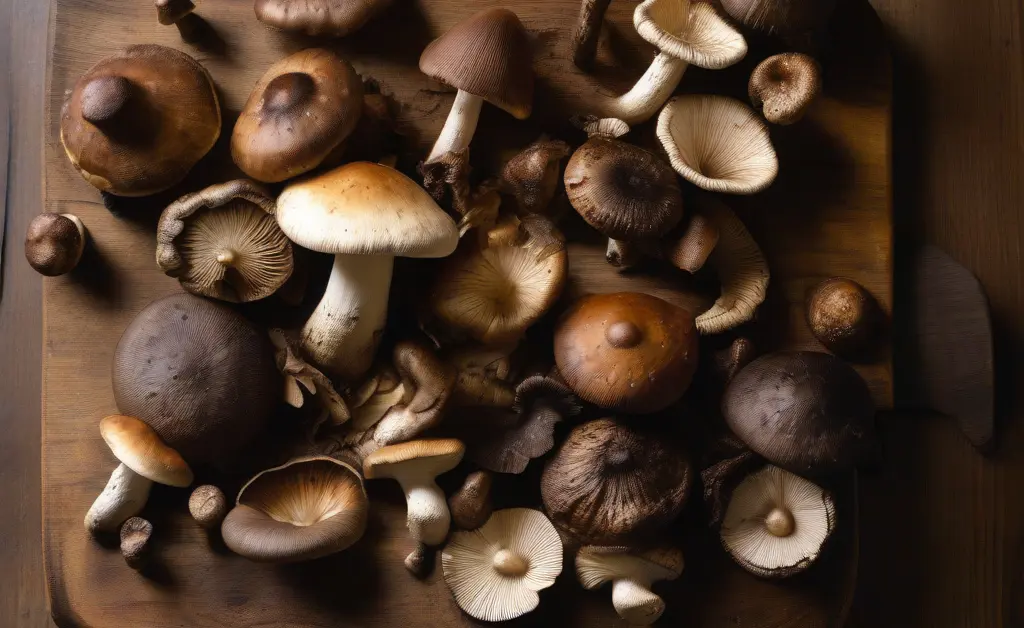
The culinary roles of wood ear and shiitake are defined by their starkly contrasting flavor profiles. While both are staples in Asian cuisine, they are used for very different purposes. The debate of wood ear mushroom vs shiitake in a recipe often comes down to a choice between adding texture versus adding a dominant flavor.
Wood Ear: Taste Notes and Ideal Dishes
The flavor of wood ear mushrooms is incredibly mild and subtle, bordering on neutral. Their primary culinary contribution is not taste but texture. They are exceptional at absorbing the flavors of the liquids and sauces they are cooked in, acting as a flavor sponge. This makes them a versatile addition to dishes where you want to introduce a unique textural element without altering the core flavor profile.
Ideal dishes for wood ear mushrooms include classic recipes like hot and sour soup, where their chewy crunch provides a delightful contrast to the silky tofu and broth. They are also excellent in stir-fries, noodle dishes, and cold salads, adding a satisfying bite and visual interest.
Shiitake: Taste Notes and Ideal Dishes
Shiitake mushrooms are celebrated for their powerful and complex flavor. They deliver a deep, earthy, and smoky taste profile, rich with the savory notes of umami. This flavor is present in both fresh and dried forms, though it becomes more concentrated and intense when the mushrooms are dried and rehydrated. The soaking liquid from dried shiitakes is often reserved and used as a flavorful broth, known as dashi in Japanese cuisine.
Given their robust flavor, shiitakes are perfect as a primary flavor component. They shine in miso soup, hearty stews, rich pasta sauces, and risottos. Their meaty texture also makes them a fantastic centerpiece when grilled, roasted, or sautéed with simple seasonings like garlic and soy sauce.
Nutritional Comparison
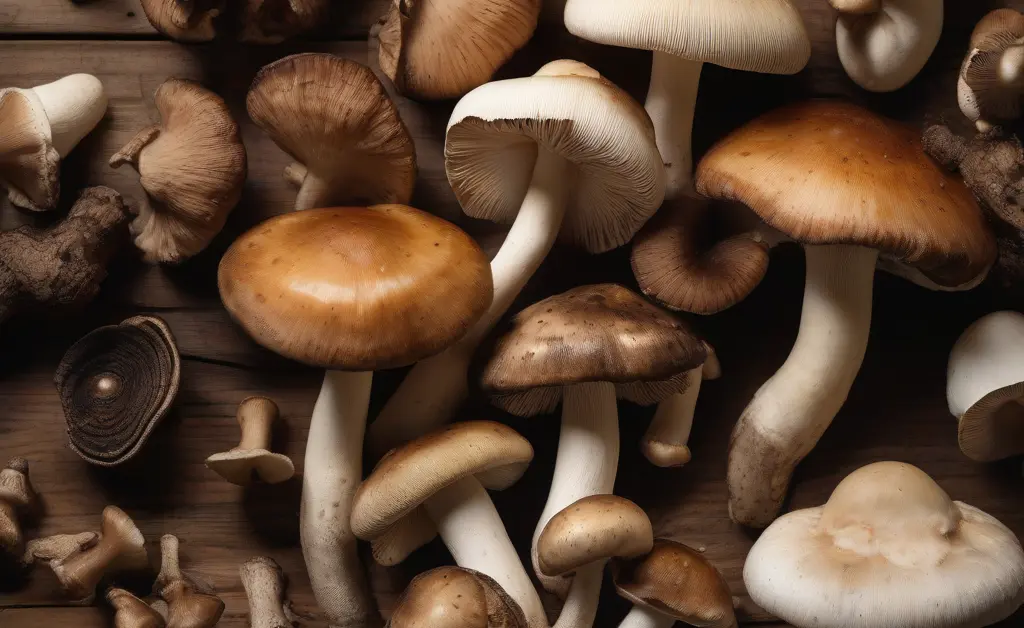
Both wood ear and shiitake mushrooms are regarded as nutritious additions to a balanced diet, offering a variety of vitamins and minerals. They are generally low in calories and fat while providing dietary fiber. Fungi are a known source of B vitamins, which are important for energy metabolism, and they contain various minerals that contribute to overall health.
Shiitake mushrooms are often noted for containing certain compounds that have been the subject of scientific study, with research findings available on PubMed, for their potential effects on the immune system. Wood ear mushrooms also contain beneficial polysaccharides and antioxidants. When considering the nutritional aspects of wood ear mushroom vs shiitake, both bring valuable components to the table. Rather than viewing one as definitively “healthier” than the other, it’s more accurate to see them as complementary foods, each with a unique nutritional footprint. Incorporating a variety of mushrooms into your diet is a great way to enjoy their diverse benefits.
Best Uses and Substitutability
Choosing between wood ear and shiitake mushrooms ultimately depends on the goal of your dish. If your recipe requires a boost in texture—a delightful crunch and chewiness—without interfering with the existing flavors, wood ear is the perfect choice. They excel in soups, salads, and stir-fries where textural contrast is desired.
The comparison of wood ear mushroom vs oyster mushroom also highlights distinct culinary roles.
Conversely, if you want to infuse a dish with a deep, savory, umami-rich flavor and a substantial, meaty texture, shiitake is the superior option. They can transform a simple broth into a complex soup or serve as the star ingredient in a main course. The conversation around wood ear mushroom vs shiitake is less about which is better overall and more about which is right for the specific culinary task at hand.
Are They Interchangeable in Recipes?
Due to their profound differences in both flavor and texture, wood ear and shiitake mushrooms are generally not considered interchangeable. Substituting one for the other would fundamentally alter the character of the final dish. Using wood ear in place of shiitake would result in a lack of the expected savory, umami depth, leaving the dish tasting bland by comparison. The unique, crunchy texture of the wood ear would also be a significant departure from the soft, meaty bite of a shiitake.
Similarly, replacing wood ear with shiitake would introduce a strong, earthy flavor where none was intended and would fail to provide the signature gelatinous crunch that the recipe was built around. Therefore, it is best to stick to the mushroom specified in a recipe to achieve the intended culinary experience. The clear distinctions in the wood ear mushroom vs shiitake comparison highlight their specialized roles in the kitchen.
While this article discusses health-related topics, it does not provide medical guidance. The information presented is for educational and informational purposes only and should not be considered a substitute for professional medical advice, diagnosis, or treatment. Always seek the advice of your physician or another qualified health provider with any questions you may have regarding a medical condition. Never disregard professional medical advice or delay in seeking it because of something you have read here.
FAQ
What is the main difference between wood ear and shiitake mushrooms?
Wood ear mushrooms are known for their gelatinous, slightly crunchy texture and mild flavor, making them ideal for absorbing other tastes. Shiitake mushrooms, on the other hand, offer a richer, umami-forward flavor and a chewier, meatier texture. Their distinct textural and flavor profiles lead to very different applications in cooking.
Can wood ear mushrooms be used instead of shiitake?
While both are fungi, wood ear mushrooms do not possess the same robust, savory flavor as shiitake. Their primary culinary role is textural, providing a pleasant chewiness and crunch. Therefore, substituting wood ear mushrooms for shiitake in recipes where their deep flavor is crucial may not yield the desired result.
Do wood ear mushrooms taste similar to shiitake?
No, wood ear mushrooms and shiitake mushrooms have quite different flavor profiles. Shiitake mushrooms are celebrated for their deep, smoky, and savory umami taste. Wood ear mushrooms are much more subtle, offering a very mild flavor that allows them to readily absorb the tastes of other ingredients they are cooked with.
How do wood ear and shiitake mushrooms look different?
Visually, these mushrooms are easily distinguishable by their shape and color. Wood ear mushrooms are typically dark brown to black, with a wavy, ear-like shape and a somewhat translucent quality. Shiitake mushrooms are generally tan to dark brown with a distinct cap and stem structure, often featuring characteristic white flecks on their caps.
What are common culinary uses for wood ear vs shiitake?
Wood ear mushrooms are frequently featured in Asian cuisines for their unique texture in soups, stir-fries, and cold dishes, adding a delightful chew. Shiitake mushrooms are highly versatile, commonly used in sautés, broths, and as a meat substitute due to their substantial texture and rich flavor.
Continue reading
You May Also Like
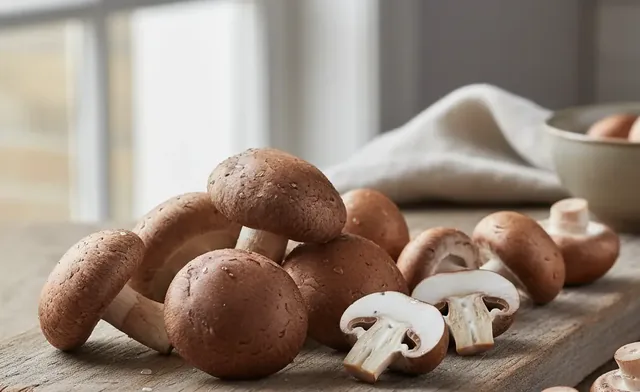
Comparing Shiitake and Baby Bella Mushrooms: Flavor, Texture, Nutrition
Get clear insights on shiitake mushroom vs baby bella, detailing their differences in flavor, texture, culinary uses, and nutritional value.
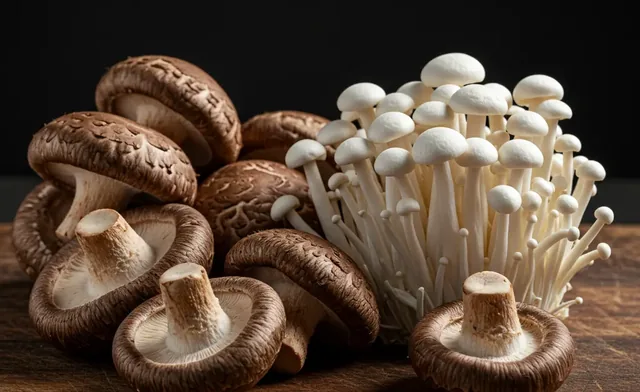
Comparing Shiitake and Baby Bella Mushrooms: Flavor, Texture, Nutrition
Get clear insights on shiitake mushroom vs baby bella, detailing their differences in flavor, texture, culinary uses, and nutritional value.
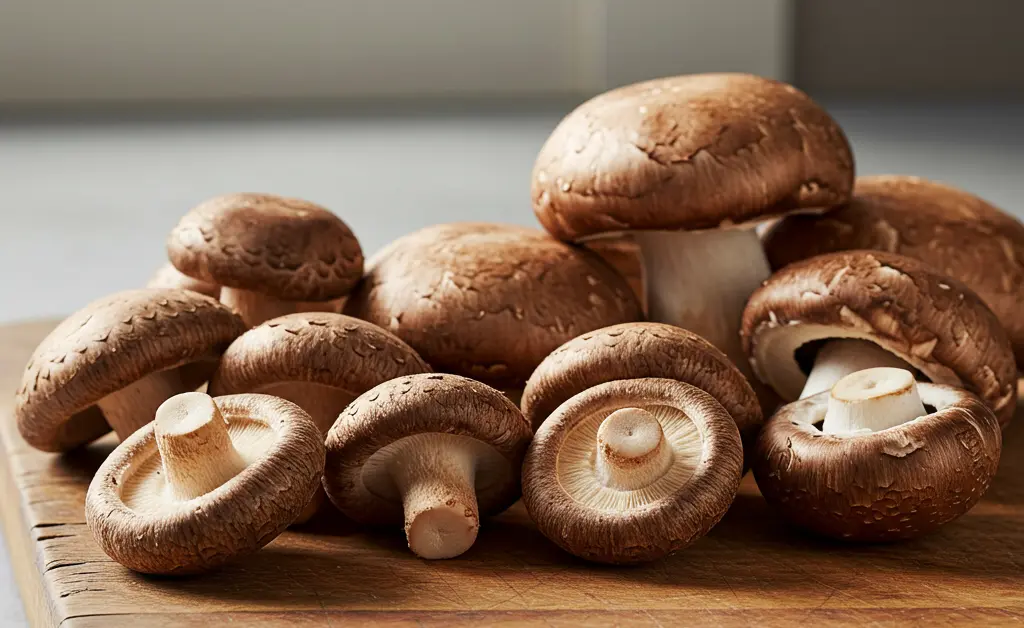
Shiitake vs Portabella: Flavor, Texture, and Nutrition Compared
Deciding between shiitake mushroom vs portabella for your next dish involves more than just looks; uncover their distinct tastes, textures, and…