
Mastering the Mushroom: A Guide to 15 Culinary Varieties
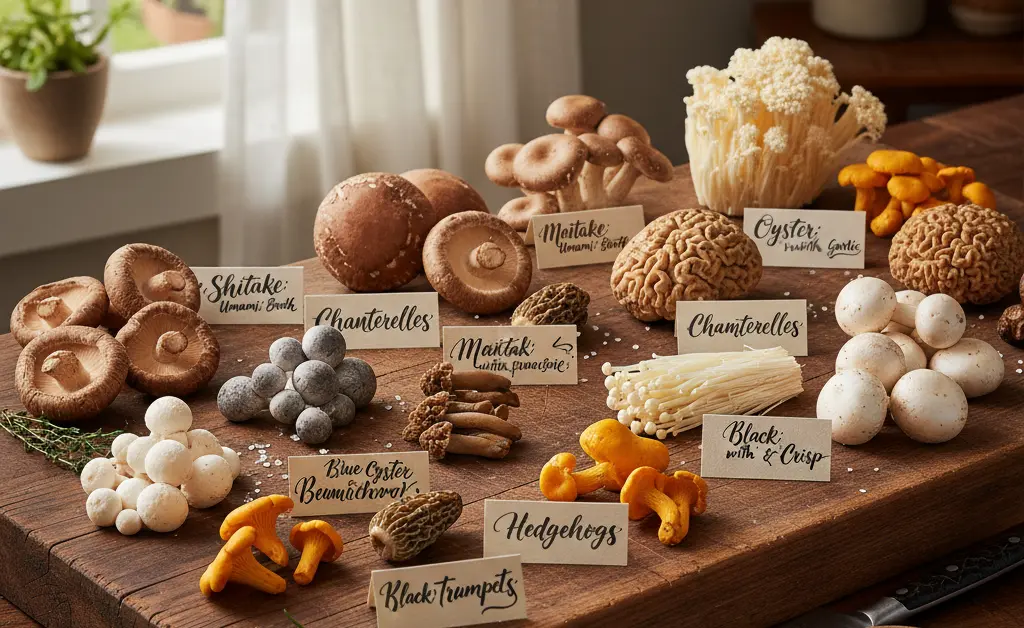
Many home cooks are familiar with just a handful of mushroom varieties, often overlooking the vast and flavorful diversity that the fungal world has to offer. Expanding one’s culinary repertoire to include more exotic and specialized fungi can unlock exciting new textures and tastes for everyday dishes and gourmet meals alike. Understanding the unique attributes of each type is crucial for maximizing their potential in the kitchen. This comprehensive guide will delve into 15 types of mushrooms and how to cook with them, providing essential insights into their characteristics, flavor profiles, and optimal preparation methods to elevate your cooking.
Common Mushroom Varieties and Their Characteristics
Delving into the world of fungi reveals a spectrum of flavors and textures, with some varieties being staples in kitchens worldwide. Understanding the unique characteristics of these common mushroom varieties is the first step in learning 15 types of mushrooms and how to cook with them, ensuring you select the right one for your culinary creations.
White Button Mushrooms
White button mushrooms are perhaps the most widely consumed mushroom globally. They have a mild, earthy flavor and a firm texture when raw, becoming softer and more delicate when cooked. Their versatility makes them suitable for a wide range of dishes, from salads and sandwiches to casseroles and sautés. They are often enjoyed whole, sliced, or chopped.
Cremini Mushrooms
Cremini mushrooms are essentially a more mature version of the white button mushroom, sometimes referred to as “baby bella” mushrooms. They possess a deeper, more earthy flavor than their white counterparts and a slightly firmer texture. Their brownish caps are an indicator of their richer taste, making them excellent in sauces, stews, and roasted preparations.
Portobello Mushrooms
Portobello mushrooms are fully grown cremini mushrooms, distinguished by their large, flat caps and robust, meaty texture. When cooked, they develop an intense, savory flavor that can stand up to grilling, roasting, or stuffing. They are a popular vegetarian alternative to meat, often served as “burger” patties or steak substitutes due to their satisfying chewiness and rich umami.
Shiitake Mushrooms
Native to East Asia, shiitake mushrooms are renowned for their distinct umami flavor, often described as rich and earthy with a slightly smoky note. They have dark brown, umbrella-shaped caps and tough, inedible stems that are typically removed before cooking. Shiitakes are a staple in Asian cuisine, frequently used in stir-fries, soups, and broths, adding a depth of flavor that is truly unique.
Oyster Mushrooms
Oyster mushrooms are characterized by their fan-shaped caps, often growing in shelf-like clusters. They come in various colors, including white, gray, yellow, and pink, each with subtle flavor differences. Generally, they offer a delicate, slightly sweet flavor with a tender, velvety texture when cooked quickly. They are excellent in stir-fries, sautés, and light pasta dishes, absorbing flavors beautifully.
Maitake (Hen of the Woods) Mushrooms
Maitake mushrooms, also known as “hen of the woods,” grow in large, feathery clusters resembling a ruffled hen. They boast a rich, earthy, and sometimes slightly peppery flavor with a tender, yet satisfyingly firm texture. Maitake mushrooms are exceptional when roasted, sautéed, or incorporated into soups, where their complex flavor can truly shine.
Enoki Mushrooms
Enoki mushrooms are easily recognizable by their long, slender stems and small, delicate caps, often sold in clusters. They have a mild, slightly fruity flavor and a crisp, somewhat chewy texture. Enoki are frequently used raw in salads, added to hot pots, or quickly incorporated into stir-fries and soups at the end of cooking to maintain their delicate structure.
King Oyster Mushrooms
King oyster mushrooms are distinguished by their thick, meaty stems and small, often underdeveloped caps. Their texture is remarkably firm and dense, offering a satisfying chewiness reminiscent of scallops or abalone when cooked. They possess a mild, umami flavor that deepens upon cooking, making them ideal for slicing into rounds and pan-frying, grilling, or roasting. For more on unique mushroom varieties, explore hedgehog mushroom types.
Beech Mushrooms
Beech mushrooms, or shimeji, come in small, delicate clusters with either white or brown caps. They have a pleasant, slightly nutty flavor and a firm, crunchy texture that holds up well during cooking. These mushrooms are popular in Asian cuisine, often added to stir-fries, soups, and stews where their texture and subtle flavor contribute nicely to the overall dish.
15 Types of Mushrooms and How to Cook With Them
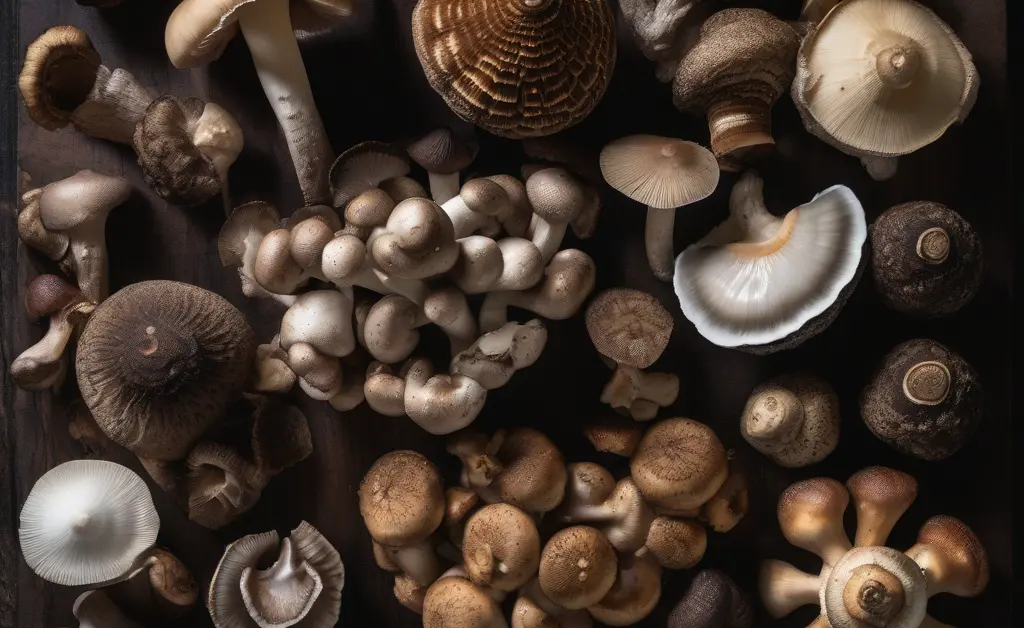
Beyond the everyday varieties, a world of gourmet mushrooms awaits, offering unique flavors and culinary experiences. Exploring these specific 15 types of mushrooms and how to cook with them can elevate your dishes from simple to extraordinary, showcasing the incredible diversity of edible fungi.
Morel Mushrooms
Morel mushrooms are highly prized for their distinctive honeycomb-like caps and rich, earthy, and nutty flavor. They are often found growing wild in spring and require careful cleaning due to their unique structure. Morels are delicious when simply sautéed in butter, incorporated into cream sauces, or used to flavor risottos, offering an unmistakable gourmet touch. Consider trying some of the best culinary mushrooms.
Chanterelle Mushrooms
Chanterelle mushrooms are known for their beautiful golden-yellow color and trumpet-like shape. They emit a subtle, fruity aroma, sometimes described as apricot-like, and have a delicate, slightly peppery flavor with a tender, slightly chewy texture. Chanterelles are best showcased in dishes where their unique flavor can take center stage, such as light sautés, omelets, or creamy pasta dishes. The orange hedgehog mushroom is another visually striking variety.
Porcini Mushrooms
Porcini mushrooms are robust and meaty, with reddish-brown caps and thick stems. They are celebrated for their intense, nutty, and slightly sweet umami flavor, which is even more concentrated when dried. Fresh porcini are excellent grilled or roasted, while dried porcini are indispensable for adding deep flavor to risottos, pasta sauces, and stews in Italian cuisine.
Lion’s Mane Mushrooms
Lion’s Mane mushrooms are visually striking, resembling a cascading white waterfall or a shaggy mane. Their texture is unique, somewhat stringy yet tender, and their flavor often evokes notes of crab or lobster, making them an interesting seafood substitute. They are delicious when pan-fried until golden, roasted, or even deep-fried, offering a mild, sweet, and savory taste. Did you know about the violet hedgehog mushroom?
Mushroom Medley
A mushroom medley refers to a combination of several different mushroom varieties cooked together. This approach allows for a complex layering of flavors and textures, leveraging the distinct characteristics of each type. For instance, combining shiitake for umami, oyster for tenderness, and cremini for earthiness creates a dynamic dish. When preparing a mushroom medley, consider the cooking times of each variety and ensure they are not overcrowded in the pan to achieve optimal caramelization and flavor development. This technique truly exemplifies the versatility when cooking with mushrooms, allowing for endless creative possibilities.
Culinary Uses and Cooking Techniques for Each Mushroom Type
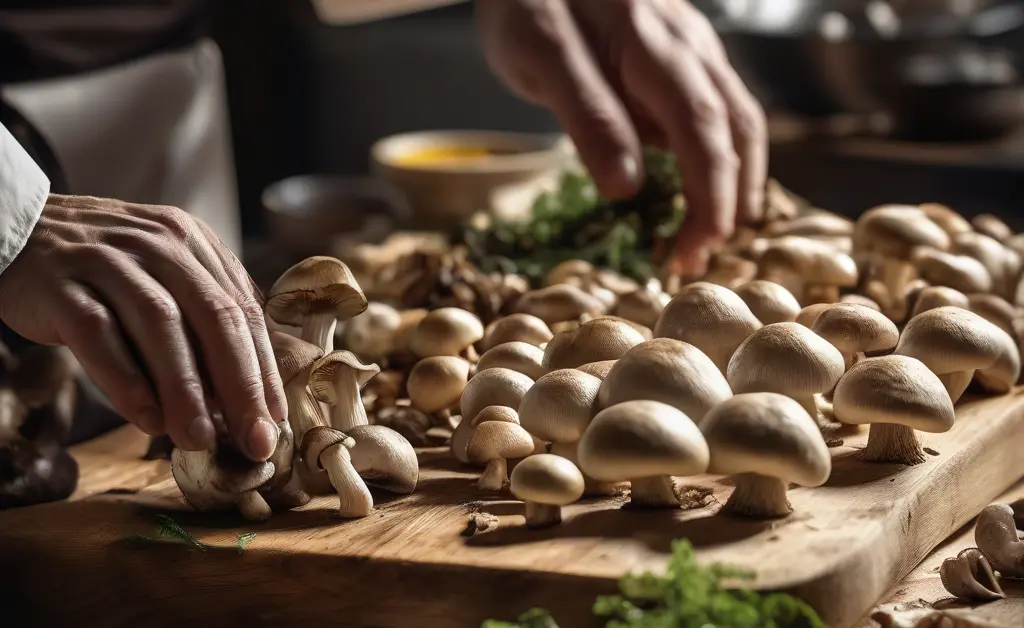
Mastering the art of preparing mushrooms involves understanding the best culinary uses and cooking techniques that bring out their optimal flavor and texture. This section provides insights into effective methods for the various 15 types of mushrooms and how to cook with them, ensuring delicious results every time.
Sautéing Techniques
Sautéing is one of the most popular and effective methods for cooking most mushroom varieties. High heat and a little oil or butter are key to achieving a beautiful golden-brown exterior and developing a rich, savory flavor. It’s crucial not to overcrowd the pan, as this can steam the mushrooms instead of browning them. Button, cremini, shiitake, and oyster mushrooms all excel when sautéed, developing a tender texture and intensified taste. A touch of garlic and fresh herbs can further enhance their natural flavors.
Roasting and Grilling Methods
Roasting and grilling are excellent for mushrooms that can withstand higher heat and develop a deeper, more concentrated flavor. Portobello and King Oyster mushrooms are particularly well-suited for these methods due to their meaty texture. Roasting brings out their umami notes, making them perfect for side dishes or vegetarian main courses. Grilling imparts a smoky char that complements their earthy profiles, often used for burgers or skewers.
Incorporating into Soups and Stews
Many mushroom varieties lend themselves beautifully to soups and stews, adding depth, earthiness, and a satisfying texture. Heartier mushrooms like shiitake, cremini, and even dried porcini (rehydrated) are ideal choices, as they hold their shape and infuse the liquid with their rich flavors. The long cooking times in stews help to soften tougher mushroom varieties and fully extract their savory compounds, creating a comforting and flavorful broth. For information on food safety and health advice, consult the NHS.
Using Raw in Salads
While many mushrooms benefit from cooking, some delicate varieties can be enjoyed raw, adding a unique texture and mild flavor to salads. White button mushrooms are a classic choice for raw consumption, offering a crisp bite. Enoki mushrooms, with their slender stems, also contribute a delicate crunch to salads. When using mushrooms raw, ensure they are thoroughly cleaned and sliced thinly to integrate well with other ingredients.
Stir-fry Applications
Stir-frying is a quick and vibrant cooking method that suits many fast-cooking mushroom types. Oyster, shiitake, beech, and enoki mushrooms are excellent choices for stir-fries, as they cook rapidly and absorb the flavors of sauces and seasonings. Their varied textures add interest to the dish. Ensure the wok or pan is hot and the mushrooms are added in batches if necessary to prevent overcrowding and achieve a good sear.
Stuffing and Baking
Larger mushroom caps, particularly portobellos, are perfect for stuffing and baking. Their substantial size provides an ideal vessel for savory fillings, which might include breadcrumbs, herbs, cheeses, vegetables, or even other finely chopped mushrooms. Baking allows the caps to become tender and juicy while the filling cooks through, resulting in a hearty and flavorful dish that can serve as an appetizer or a main course.
The world of mushrooms offers an incredible array of flavors and textures, waiting to be explored in your kitchen. From the humble white button to the gourmet morel, each variety brings its own unique character to a dish. By understanding their distinct attributes and applying appropriate cooking techniques, you can unlock their full culinary potential, transforming everyday meals into extraordinary culinary experiences. Experimenting with these diverse fungi not only expands your repertoire but also invites you to appreciate the fascinating complexity that the fungal kingdom adds to our tables.
This information is provided for educational purposes only. It is not intended as medical advice or a substitute for professional healthcare. While mushrooms are enjoyed by many for their culinary attributes, individual dietary needs and potential sensitivities should always be considered. Please consult with a qualified health professional for any health concerns or before making any changes to your diet.
FAQ
What are the most popular types of mushrooms to cook with?
Commonly enjoyed mushrooms include button, cremini, portobello, shiitake, and oyster mushrooms due to their versatile flavors and textures. These varieties lend themselves well to a wide range of culinary applications, from simple sautés to complex dishes. Their widespread availability and adaptable nature make them staples in many kitchens.
Which mushrooms are best for sautéing?
Mushrooms with a firmer texture and robust flavor, such as cremini, shiitake, and portobello, are excellent for sautéing. They hold their shape well under heat and develop a rich, savory taste as they cook. These types release moisture gradually, allowing them to brown nicely without becoming mushy.
Can you eat all types of mushrooms raw?
It is generally not recommended to eat all types of mushrooms raw, as some can be difficult to digest or may contain compounds that are best inactivated by cooking. While some mild-flavored mushrooms like button mushrooms are sometimes consumed raw in salads, cooking significantly enhances the digestibility and flavor profile of most varieties. Heating also helps to break down tough cell walls, making nutrients more accessible.
How do you prepare shiitake mushrooms for cooking?
Shiitake mushrooms typically require removing their tough stems, as these do not soften well during cooking. The caps can then be sliced or left whole, depending on the desired dish. Wiping them clean with a damp cloth is preferred over washing, to prevent them from absorbing too much water.
What is the difference between cremini and portobello mushrooms?
Cremini and portobello mushrooms are actually different maturity stages of the same fungus; cremini are younger and smaller, while portobellos are mature creminis. As they mature, portobellos develop a larger, flatter cap and a deeper, meatier flavor compared to their younger cremini counterparts. This difference in size and flavor profile makes them suitable for distinct culinary uses.
Are oyster mushrooms good for stir-fries?
Yes, oyster mushrooms are an excellent choice for stir-fries due to their delicate texture and mild, slightly sweet flavor. They cook quickly, absorbing the surrounding sauces and seasonings beautifully without becoming tough. Their fan-like shape also adds an appealing visual element to the dish.