
Preparing the Ideal Compost for Button Mushrooms
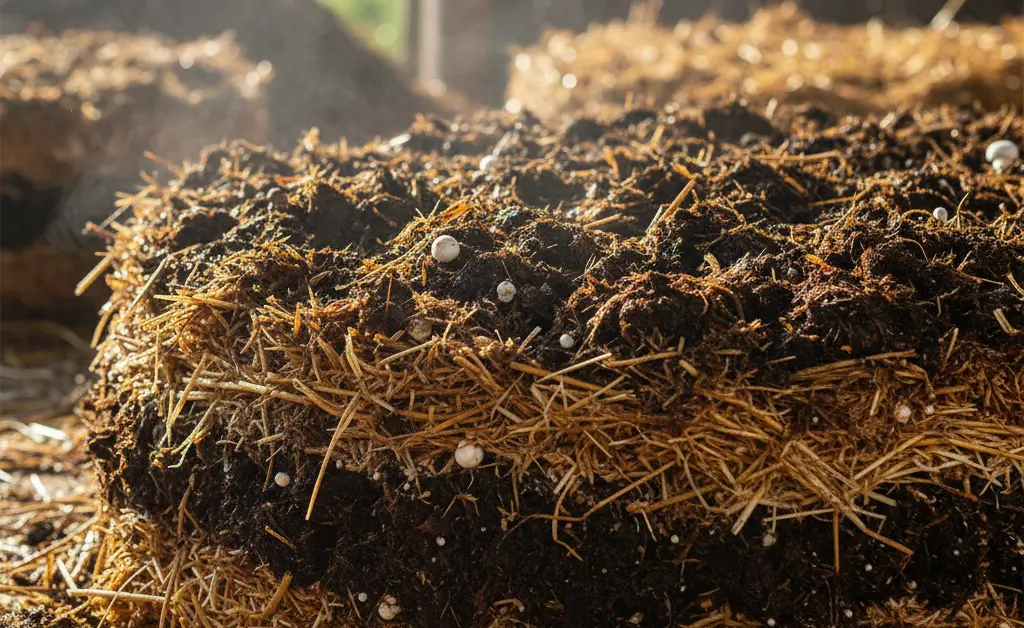
Many home gardeners believe that any well-rotted organic matter suffices for growing edible fungi. However, the truth for commercial cultivation, particularly of species like button mushrooms, demands a far more nuanced approach than simply decaying garden waste. Effective button mushroom compost preparation involves precise control over ingredients, environmental conditions, and microbial activity. This specialized process ensures the creation of a substrate rich in specific nutrients and free from competing organisms, which is critical for maximizing yields and quality. Understanding these intricate stages, from initial mixing to final conditioning, is essential for cultivating robust and healthy crops. This guide will explore the detailed steps involved in creating the ideal growing medium.
Substrate Preparation Steps
The initial phase of button mushroom compost preparation begins with careful substrate setup, which is foundational for the entire cultivation cycle. This involves several critical steps that transform raw agricultural byproducts into a specialized medium conducive to mushroom growth while inhibiting contaminants. For those interested in this process, learning about button mushroom farming can provide valuable insights.
Mixing the Raw Materials
The journey to creating an ideal growing medium starts with the precise mixing of raw materials. Typically, this involves a combination of carbon-rich sources like straw (wheat straw is common), hay, or corn cobs, along with nitrogen-rich supplements such as chicken manure, cottonseed meal, or brewers’ grain. Gypsum is often added to improve the compost’s physical structure, pH balance, and prevent greasiness. Water is also incorporated during this stage to initiate the decomposition process. The goal is to achieve a homogeneous blend that allows for uniform microbial activity and decomposition in subsequent phases. The careful selection and proportioning of these ingredients are vital for successful button mushroom compost preparation.
Phase I Composting
Phase I composting is an outdoor process, often conducted in large piles, where raw materials undergo initial decomposition. This thermophilic (heat-loving) phase is characterized by intense microbial activity, leading to a significant rise in temperature within the compost pile. The primary objectives are to break down complex organic compounds, release readily available nutrients, and create a relatively uniform material. During this stage, microorganisms convert nitrogenous materials into ammonia, which is critical for the selectivity of the substrate. Proper aeration, achieved through regular turning, is crucial to maintain aerobic conditions and prevent the compost from becoming anaerobic and producing undesirable compounds. This phase typically lasts for a specified period, depending on the ingredients and environmental conditions.
Phase II Composting (Pasteurization and Conditioning)
Following Phase I, the compost is moved indoors to specially designed rooms for Phase II, a highly controlled process involving pasteurization and conditioning. Pasteurization is essential for eliminating undesirable organisms such as insects, nematodes, and pathogenic bacteria that could compete with the mushroom mycelium. This is achieved by raising the compost temperature to a specific range and holding it there for a set duration. After pasteurization, the compost undergoes a conditioning period. During conditioning, the high ammonia levels produced in Phase I are gradually reduced and converted into microbial protein, which serves as a vital nutrient source for the developing mycelium. This conversion is crucial for creating a selective environment where button mushrooms can thrive, while most other fungi and bacteria are suppressed. Precise temperature and air flow management are critical throughout Phase II to ensure effective pasteurization and optimal conditioning without compromising the substrate’s integrity. For those interested in the timeline, understanding the button mushroom growing time is important.
Turning and Aeration
Turning and aeration are continuous, critical practices throughout the composting process. In Phase I, regular turning of the compost piles ensures uniform mixing of ingredients, introduces oxygen to maintain aerobic conditions, and helps to release excess heat and moisture. This promotes consistent microbial decomposition and prevents the formation of anaerobic pockets, which can lead to the production of harmful byproducts. While less frequent, aeration also plays a role in Phase II, particularly during conditioning, where controlled airflow helps manage temperature and facilitates the conversion of ammonia. Mechanical turners are often used in commercial operations to efficiently manage large volumes of compost, ensuring every part of the substrate receives adequate oxygen and is processed evenly.
Achieving Optimal Moisture Content
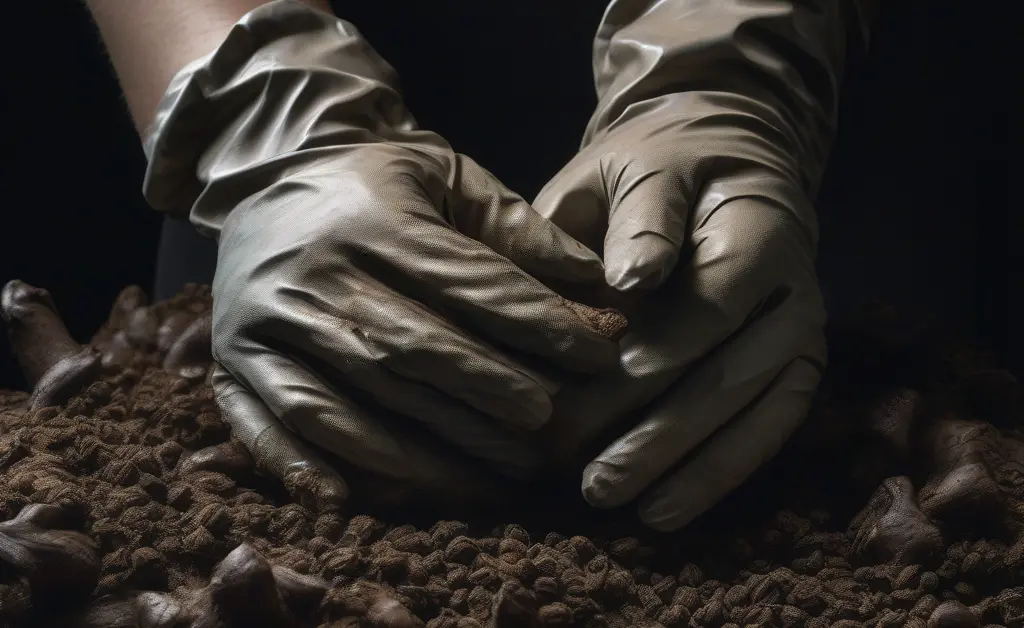
A crucial element in successful button mushroom compost preparation involves maintaining precise moisture levels. The water content directly influences microbial activity, nutrient availability, and ultimately, the ability of mushroom mycelium to colonize the substrate effectively.
Target Moisture Range for Button Mushrooms
The moisture content of the compost is a delicate balance. Too little moisture can inhibit microbial activity and lead to a dry, dusty substrate that mycelium struggles to colonize. Conversely, excessive moisture can create anaerobic conditions, suffocating beneficial microbes and promoting the growth of undesirable anaerobic bacteria and fungi. An ideal moisture level supports a robust microbial community, facilitates nutrient transport, and ensures the compost remains friable yet adequately hydrated. This specific hydration level is essential for mycelial growth and subsequent fruiting body development, making it a key parameter to monitor during the compost preparation phases.
Methods for Adjusting Moisture Levels
Adjusting moisture levels in button mushroom compost is a hands-on process that requires careful observation and experience. During Phase I, water is frequently added during the mixing and turning processes to achieve the initial target moisture. Farmers often use a “squeeze test” to gauge the moisture content; a properly hydrated compost will release a few drops of water when squeezed firmly. If the compost is too dry, additional water can be introduced, often during turning, to ensure even distribution. If it is too wet, allowing it to aerate more or incorporating drier materials might be necessary. In Phase II, moisture management continues to be critical, often with controlled humidification systems to prevent drying out while maintaining precise temperature and ventilation.
Filling and Casing
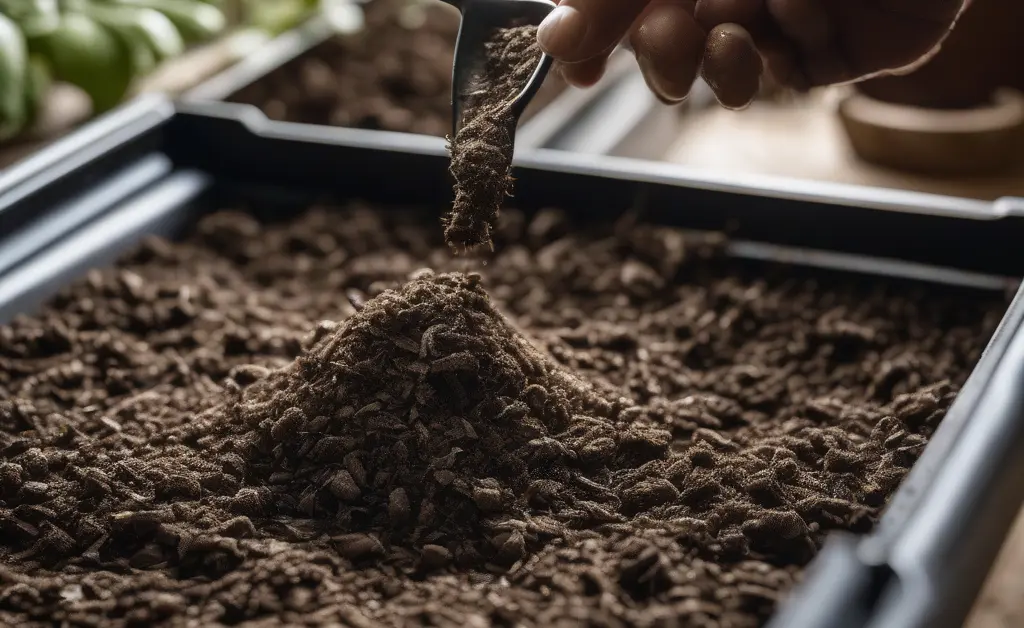
Following thorough button mushroom compost preparation, the substrate is ready for the filling and casing stages, which mark the transition from compost production to the actual cultivation of mushrooms. These steps are crucial for providing the mycelium with the final environment needed for vigorous growth and successful pinning. For those looking to cultivate at home, consider resources on button mushroom farming at home.
Achieving the Right Bulk Density
After Phase II, the conditioned compost is transferred into trays, beds, or bags, a process known as filling. During filling, achieving the correct bulk density is paramount. Bulk density refers to the weight of the compost per unit volume, indicating how compact it is. If the compost is too loosely packed, it can dry out quickly and may not provide sufficient support or nutrient contact for the mycelium. Conversely, if it is too dense, it can restrict air circulation, leading to anaerobic conditions and hindering mycelial growth. The ideal bulk density ensures adequate oxygen availability, consistent moisture retention, and uniform colonization by the mushroom mycelium. This careful packing creates a stable and receptive environment for the next critical step: spawning. Information regarding button mushroom farming in Odisha might offer localized insights into these practices.
The meticulous process of button mushroom compost preparation is a cornerstone of successful commercial cultivation. Each stage, from the initial blending of raw materials to the precise control of environmental conditions during composting, is designed to create a selective and nutrient-rich substrate. Understanding and mastering these steps ensures not only robust mycelial growth but also maximized yields and superior quality button mushrooms. Attention to detail in aspects like moisture content and bulk density further refines the growing medium, laying the groundwork for a thriving mushroom crop. For broader regulatory information on food safety, the European Food Safety Authority, EFSA, provides comprehensive guidelines.
This content is for informational use and should not be considered medical instruction. It aims to provide general knowledge on agricultural practices and is not intended to replace professional horticultural advice or guidance on food safety. Always consult with experts for specific cultivation techniques or for information regarding the safe handling and consumption of agricultural products.
FAQ
How do you prepare compost for white button mushrooms?
Compost preparation for white button mushrooms is a multi-stage process involving the controlled fermentation of a substrate, typically a mix of straw, manure, and other organic materials. This carefully managed fermentation, often called “phase II composting”, is crucial for developing the rich, dark, and nutrient-dense medium that these specific fungi require to thrive. The exact methods and materials used can vary, but the fundamental goal is to create an environment that selects for the desired mushroom species while eliminating competitors and pathogens.
Continue reading
You May Also Like
An Essential Guide to the Humble Button Mushroom
More than just a simple ingredient, the common button mushroom offers impressive nutritional benefits and is surprisingly easy to cultivate at home.
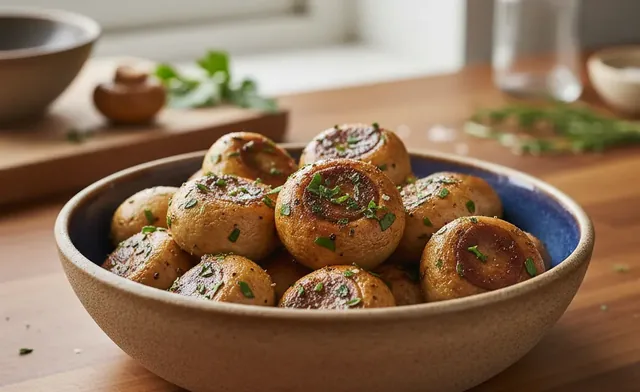
Perfect Air Fryer Button Mushrooms
Get perfectly roasted, tender-crisp mushrooms in just minutes with our healthy button mushroom air fryer recipe for a fast and easy side.
Recognizing and Managing a Button Mushroom Allergy
This guide helps identify button mushroom allergy symptoms and explains the steps for diagnosis, management, and prevention of future reactions.