
The Science and Practice of Button Mushroom Cultivation
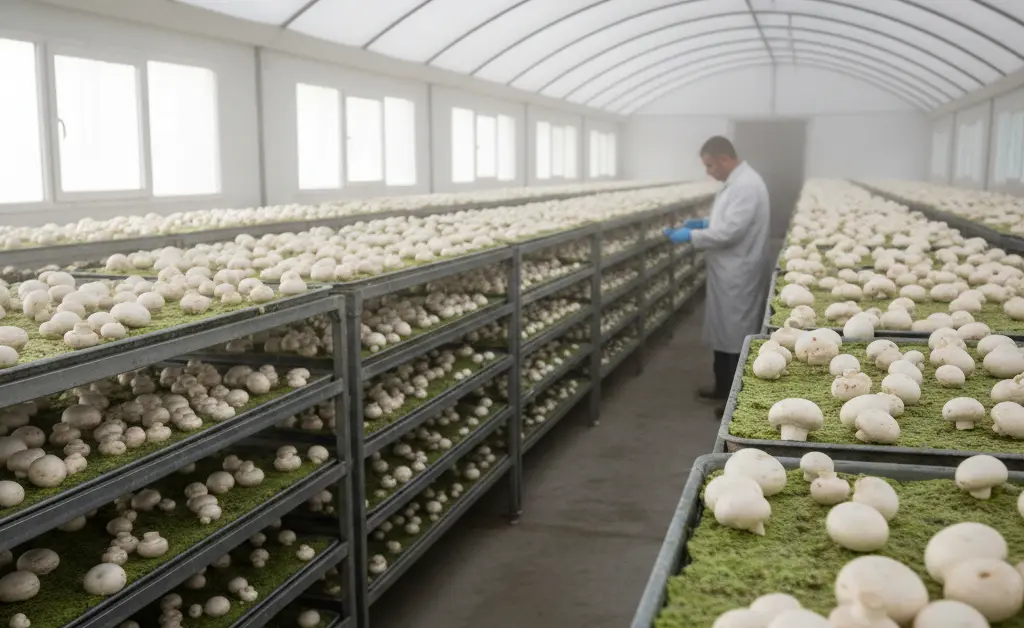
Button mushrooms, scientifically known as *Agaricus bisporus*, are a globally popular edible fungus, cherished for their mild flavor, versatile culinary applications, and nutritional benefits. These familiar fungi, often identified by their characteristic white, round caps, are a staple in countless dishes, from salads to stir-fries. Cultivating them effectively involves a precise understanding of their biological needs and environmental conditions. This comprehensive guide explores the detailed processes and scientific principles behind successful button mushroom farming, covering everything from initial substrate preparation and environmental control to harvesting techniques and economic considerations. It aims to provide practical knowledge for both aspiring and experienced growers looking to optimize their cultivation practices.
Introduction to Button Mushroom Farming
Button mushroom farming represents a specialized branch of agriculture that requires a controlled environment and a systematic approach to achieve successful yields. Unlike traditional crops grown in soil under natural light, mushrooms are fungi that thrive on organic matter in dark, humid conditions. Understanding the life cycle of *Agaricus bisporus* is fundamental to mastering its cultivation. This section provides an overview of the journey from raw materials to harvested mushrooms, highlighting the critical stages involved in commercial and small-scale operations.
Overview of the Farming Process
The cultivation of button mushrooms typically follows a sequence of distinct phases, each crucial for the development of healthy fungi. It begins with the meticulous preparation of a nutrient-rich substrate, often referred to as compost, which serves as the food source for the mycelium. Following this, the substrate is inoculated with mushroom spawn, a material containing the mushroom’s “seeds.” This stage is known as spawning, and it is followed by an incubation period where the mycelium colonizes the substrate. Next, a casing layer is applied, which provides moisture and triggers the formation of mushroom primordia. Finally, the mushrooms fruit, grow, and are harvested in flushes. Throughout this entire button mushroom farming process, precise environmental control, including temperature, humidity, and ventilation, is paramount.
Button Mushroom Farming for Beginners
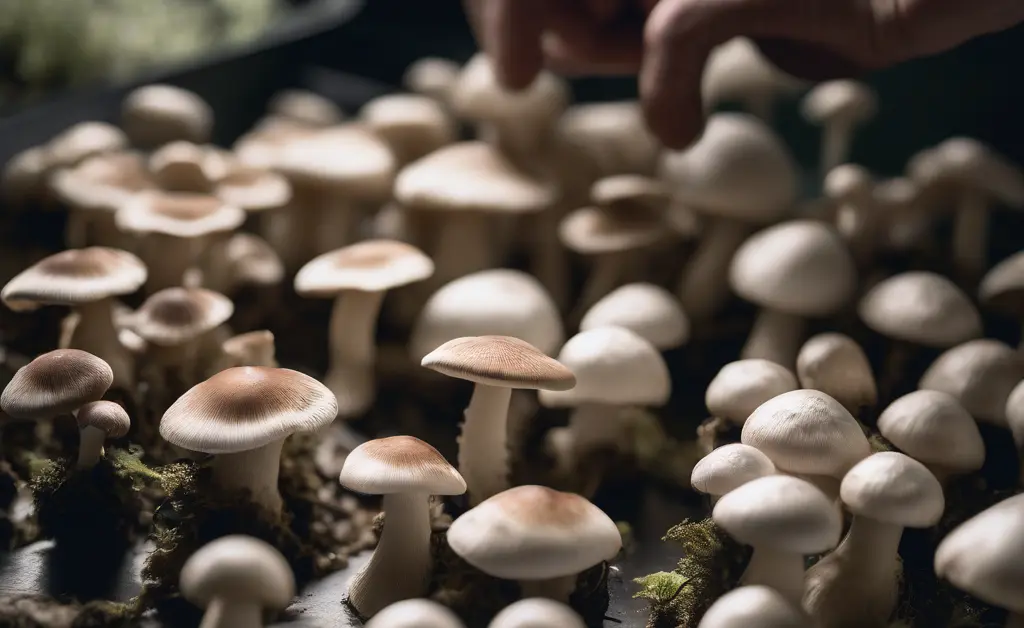
Embarking on button mushroom farming can be a rewarding endeavor, offering fresh produce and potential income. For newcomers, starting small and understanding the basic principles is key to building confidence and expertise. The initial steps involve selecting an appropriate method, gathering necessary supplies, and creating a suitable growing environment.
How to start mushroom farming at home
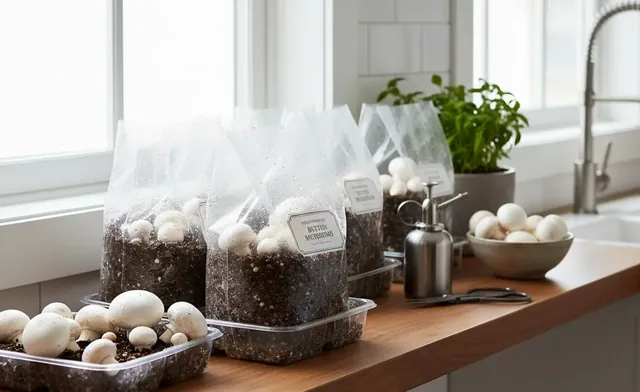
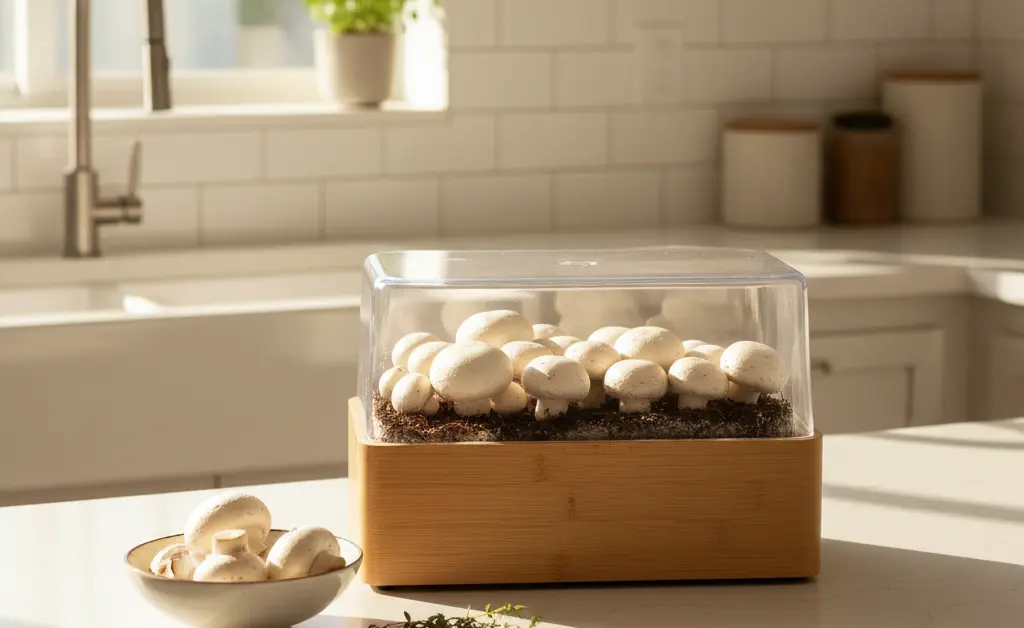
For those new to cultivation, beginning button mushroom farming at home can be an excellent way to learn the ropes without significant initial investment. Home growers often start with pre-inoculated mushroom kits, which simplify the process by providing ready-to-fruit blocks. Alternatively, a more hands-on approach involves preparing smaller batches of substrate in containers or bags. Key considerations for home cultivation include finding a clean, consistent space that allows for temperature and humidity management, such as a basement, garage, or even a modified closet. Maintaining sterile conditions during substrate preparation and spawning is crucial to prevent contamination, which is a common challenge for beginners. Patience and attention to detail are vital in nurturing the mushrooms through their growth cycles.
Selecting the Right Location and Environment
The success of button mushroom farming hinges significantly on establishing and maintaining an optimal growing environment. Mushrooms are sensitive organisms that require specific conditions to thrive, making careful selection and management of the cultivation space paramount.
Ideal Climate and Temperature Requirements
Button mushrooms require a consistent and controlled climate throughout their life cycle. Different stages of development, from mycelial colonization to fruiting, have varying temperature preferences. Generally, cooler temperatures are preferred for fruit body development, while slightly warmer temperatures facilitate mycelial growth. Maintaining these ranges within the growing house is critical for promoting vigorous growth and maximizing yields. Extremes in temperature, either too high or too low, can stress the mycelium, inhibit growth, or encourage the proliferation of pests and diseases.
Ventilation and Humidity Control
Adequate ventilation is essential for providing fresh air and removing carbon dioxide, which accumulates as the mushrooms respire. Proper air exchange helps prevent stale air conditions that can hinder growth and promote certain fungal diseases. Humidity is equally vital; button mushrooms consist largely of water and require a high level of ambient moisture, especially during the fruiting phase, to develop properly and prevent drying out. Growers often use humidifiers or misting systems to maintain consistent humidity levels, carefully balancing them with ventilation to avoid condensation that could lead to bacterial issues.
Building or Space Requirements for Mushroom Houses
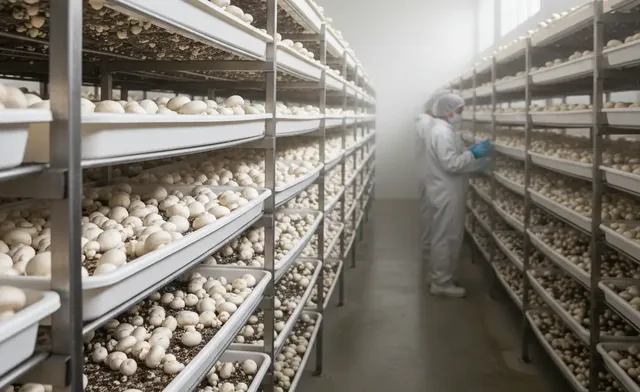
Commercial button mushroom farming operations typically utilize purpose-built mushroom houses designed for precise environmental control. These structures are often well-insulated to maintain stable temperatures and equipped with sophisticated HVAC systems, humidifiers, and ventilation fans. For smaller-scale operations, existing buildings like barns, sheds, or even basements can be adapted. Regardless of the scale, the chosen space must be clean, easily sanitized, and capable of being sealed off from outside contaminants. Good lighting control is also important, as mushrooms do not require light for growth and can sometimes be negatively affected by direct sunlight.
Substrate Preparation and Composting
The foundation of successful button mushroom farming lies in the preparation of a high-quality substrate. This specialized growing medium provides the necessary nutrients for the mycelium to colonize and eventually produce mushrooms. The process is intricate and demands precision.
Choosing the Right Growing Medium
The primary growing medium for button mushrooms is a rich, fermented compost. This compost is typically formulated from a mixture of organic materials, with wheat straw and horse manure being common base components. Other ingredients like gypsum, poultry litter, cottonseed meal, and various nitrogen supplements may be added to adjust the nutrient profile and physical properties of the mix. The goal is to create a substrate that is selective, meaning it provides ideal conditions for mushroom mycelium to thrive while inhibiting the growth of competing fungi and bacteria.
Composting Techniques for Mushroom Substrate
Composting for button mushroom cultivation is a carefully managed biological process, distinct from garden composting. It involves two main phases: Phase I (initial mixing and fermentation) and Phase II (pasteurization and conditioning). During Phase I, raw materials are mixed, wetted, and allowed to ferment in large piles, promoting the growth of thermophilic microorganisms that break down complex organic compounds and generate heat. This process converts raw materials into a more suitable form for the mushroom mycelium. Turning the piles regularly ensures aeration and uniform decomposition. Learn more about button mushroom compost preparation.
Pasteurization and Sterilization of the Substrate
Following Phase I composting, the substrate undergoes Phase II, which includes pasteurization. This critical step involves heating the compost to specific temperatures for a set duration, primarily to kill harmful pests, pathogens, and competitive microorganisms. Unlike complete sterilization, pasteurization aims to eliminate most undesirable organisms while preserving beneficial microbes that aid in the conditioning of the compost. After pasteurization, the compost is “conditioned” by gradually lowering its temperature and continuing aeration, allowing the compost to stabilize and become highly selective for *Agaricus bisporus* mycelium. Proper pasteurization is vital for preventing contamination and ensuring a healthy start for the button mushroom farming cycle.
Spawning and Incubation
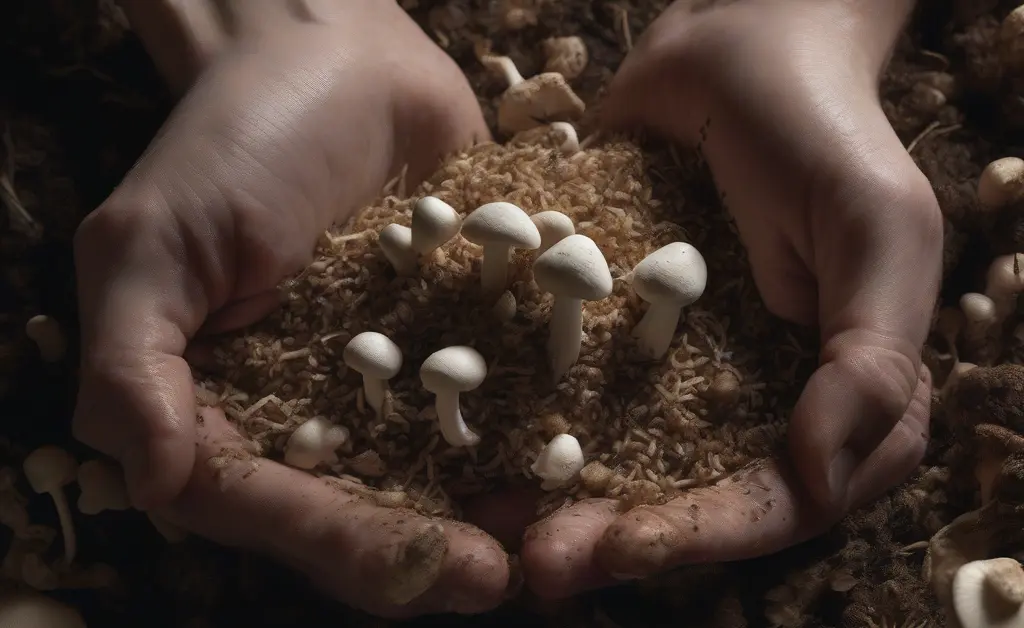
Once the substrate is properly prepared and conditioned, the next crucial step in button mushroom farming is spawning, which involves introducing the mushroom mycelium into the compost. This is followed by an incubation period where the mycelium colonizes its new environment.
Selecting High-Quality Spawn
The quality of the spawn directly impacts the success of the crop. High-quality spawn is vigorous, contaminant-free, and genetically stable. It is typically produced by specialized laboratories under sterile conditions and consists of mushroom mycelium grown on sterilized grain kernels. Growers should source spawn from reputable suppliers to ensure its viability and purity. Poor-quality or contaminated spawn can lead to failed crops and the spread of diseases within the growing facility.
Methods of Spawning
Spawning involves mixing the grain spawn uniformly into the prepared compost. This can be done manually for smaller operations or using specialized machinery for commercial scales. The goal is to achieve an even distribution of spawn throughout the substrate, allowing the mycelium to colonize the compost efficiently. After spawning, the compost is typically placed into growing trays or beds within the mushroom house, ready for the incubation phase.
Incubation Period and Conditions
The incubation period, also known as the “spawn run,” is when the mycelium grows out from the spawn grains and colonizes the entire volume of the compost. This phase usually takes several weeks. During incubation, the growing room is kept dark, and temperatures are maintained within a specific range to encourage vigorous mycelial growth while inhibiting competitors. High humidity is also beneficial during this stage. Proper airflow is maintained to prevent the buildup of carbon dioxide, which can suppress mycelial expansion. This incubation phase is a key part of the button mushroom growing time.
Mycelial Growth Monitoring
Throughout the incubation period, growers carefully monitor the compost to ensure healthy mycelial development. The compost should become uniformly covered with a white, thread-like network of mycelium. Any signs of discolored patches, unusual odors, or the appearance of molds or other fungi indicate contamination, which must be addressed promptly to prevent it from spreading. Consistent monitoring allows growers to assess the readiness of the compost for the next stage of cultivation: casing.
Casing and Fruiting
After the substrate is fully colonized by mycelium, the next critical phases in button mushroom farming are casing and fruiting. These steps transition the mycelial network from vegetative growth to the production of actual mushrooms.
What is Casing and Why is it Important?
Casing involves applying a layer of non-nutritive material over the fully colonized compost. This casing layer serves several crucial functions. Firstly, it acts as a water reservoir, providing the necessary moisture for the developing mushrooms. Secondly, it creates a microclimate conducive to pinhead formation. Thirdly, it provides a physical surface that triggers the mycelium to switch from vegetative growth to reproductive growth, initiating the development of mushroom primordia, or “pins.” Without a proper casing layer, button mushrooms would typically not form or would produce very few, poorly developed fruit bodies.
Casing Material and Application
The casing layer is typically composed of a mixture of peat moss and ground limestone or chalk. Peat moss provides excellent water retention capabilities, while limestone helps adjust the pH to a slightly alkaline level, which is favorable for mushroom development and can inhibit competitor molds. The materials are usually mixed and moistened before application. The casing layer is applied uniformly over the colonized compost, typically to a consistent depth. Careful application ensures even moisture distribution and consistent mushroom growth across the bed.
Initiating Fruiting (Pinning)
Once the mycelium grows into the casing layer (a process known as “casing run”), environmental conditions are deliberately manipulated to initiate fruiting. This involves a technique often referred to as “pinning” or “shocking.” The primary triggers for pinning include a drop in air temperature, an increase in fresh air ventilation, and a slight reduction in relative humidity. These changes signal to the mycelium that it’s time to produce mushrooms. Small, white pinheads, the nascent mushrooms, begin to form within days of these environmental adjustments.
Controlling Temperature and Humidity for Fruiting
After pinning, precise control of temperature and humidity becomes paramount for mushroom development. The temperature is maintained at a cooler, consistent level to encourage steady growth without premature opening of the caps. High relative humidity is critical throughout the fruiting phase to ensure the mushrooms develop full, healthy caps and stems without drying or cracking. Adequate air circulation continues to be important, but without excessively drying the casing layer or the developing mushrooms. These carefully balanced environmental conditions promote robust mushroom production in successive “flushes.”
Mushrooms Production and Harvesting
The culmination of the button mushroom farming process is the production and harvesting of the mature fungi. This stage requires careful timing and technique to ensure the highest quality and maximize yields.
When to Harvest Button Mushrooms
Knowing the optimal time to harvest is crucial for maintaining mushroom quality and extending shelf life. Button mushrooms are typically harvested when their caps are still closed or just beginning to open, and the “veil” (the membrane connecting the cap to the stem) is intact or only slightly stretched. Mushrooms harvested at this stage are firm, have a desirable texture, and a longer shelf life. Harvesting too early results in smaller mushrooms, while harvesting too late, after the veil has fully opened and the gills are exposed, can lead to a shorter shelf life and a more fragile texture. Proper button mushroom harvesting ensures quality.
Harvesting Techniques
Harvesting button mushrooms is primarily done manually, requiring a gentle touch to avoid damaging the delicate fungi and the surrounding developing pins. The most common technique involves carefully twisting the mushroom from the casing layer at its base, ensuring that minimal casing material adheres to the stem. Alternatively, some growers prefer to cut the stem at the casing level using a sharp knife. It’s important to remove any remaining stem stumps from the bed to prevent them from decaying and attracting pests or diseases. Harvested mushrooms should be handled as little as possible to prevent bruising.
Cleaning and Sorting
After harvesting, the mushrooms are often subjected to a preliminary cleaning and sorting process. This involves gently brushing off any adhering casing material or substrate. Mushrooms are then typically sorted by size, quality, and appearance to meet market standards. Damaged, discolored, or malformed mushrooms are usually separated. This initial sorting step ensures that only the best quality produce proceeds to packaging, enhancing market appeal and value.
Packaging and Storage
Proper packaging and storage are essential for preserving the freshness and extending the shelf life of harvested button mushrooms. Mushrooms are usually packed in breathable containers, such as plastic punnets overwrapped with film that allows for some air exchange while maintaining humidity. They should be stored immediately in a cool, refrigerated environment to slow down respiration and microbial growth. Maintaining a consistent low temperature and high humidity during storage is key to preventing dehydration, browning, and spoilage, ensuring the mushrooms reach consumers in optimal condition.
Pest and Disease Management
Protecting button mushroom crops from pests and diseases is an ongoing challenge in cultivation. Effective management strategies are crucial to prevent significant yield losses and maintain crop quality.
Common Pests Affecting Button Mushrooms
Several pests can infest button mushroom farms, with flies (sciarid and phorid flies) and mites being among the most problematic. Sciarid flies lay eggs in the compost and casing, and their larvae feed on mycelium and developing mushrooms, causing significant damage. Phorid flies can carry disease spores, further threatening the crop. Mites are tiny arthropods that can directly damage mycelium and mushrooms, leading to stunted growth and quality issues. Early detection and targeted control measures are vital to manage these infestations effectively.
Identifying and Managing Diseases
Button mushrooms are susceptible to various diseases caused by bacteria, fungi, and viruses. Common diseases include bacterial blotch (causing brown spots on caps), green mold (a fast-spreading contaminant), and dry bubble (a fungal disease that deforms mushrooms). Identifying the specific disease through symptoms is the first step in management. Control strategies often involve improving hygiene, adjusting environmental conditions (e.g., reducing humidity for bacterial blotch), and in some cases, applying appropriate fungicides or bactericides, adhering strictly to safety guidelines and withdrawal periods. Research on fungal pathogens can be found on resources like PubMed.
Preventative Measures and Biocontrol
The most effective approach to pest and disease management in button mushroom farming is prevention. This includes rigorous sanitation protocols, such as thorough cleaning and disinfection of growing rooms and equipment between crops. Proper substrate pasteurization is critical for eliminating initial inoculum. Environmental control, including precise temperature, humidity, and ventilation management, creates conditions less favorable for pests and pathogens. Biocontrol methods, such as the introduction of predatory mites or beneficial fungi, can also be employed to naturally suppress pest populations without relying heavily on chemical interventions.
Economic Aspects of Button Mushroom Farming
Beyond the biological and technical aspects, understanding the economic factors is vital for the sustainability and profitability of any button mushroom farming venture. This involves analyzing costs, potential returns, and market dynamics.
Start-up Costs and Investment
The initial investment for button mushroom farming can vary significantly depending on the scale and sophistication of the operation. Small-scale home or hobby setups may require minimal capital, mainly for kits or basic materials. Commercial operations, however, demand substantial investment in purpose-built growing facilities (mushroom houses), environmental control systems (HVAC, humidifiers), specialized composting equipment, shelving, and harvesting tools. Other recurring start-up costs include purchasing spawn, substrate ingredients, and labor for initial setup. Thorough financial planning and a detailed budget are essential before embarking on such a venture.
Yield and Profitability
The yield of button mushrooms is a primary determinant of profitability. Yield is influenced by factors such as the quality of the compost, spawn vigor, environmental control efficiency, pest and disease management, and harvesting techniques. Higher yields per unit area directly translate to increased revenue. Profitability is then calculated by subtracting all operational costs (labor, utilities, raw materials, marketing) from the total revenue generated by sales. Efficient resource management and waste reduction are key to maximizing profit margins in button mushroom farming.
Button mushroom farming profit
The potential for profit in button mushroom farming can be considerable, given the consistent demand for fresh mushrooms. However, actual profits depend on several variables, including the scale of operation, market prices, and the ability to minimize production costs. Optimized cultivation practices that lead to higher yields and better quality products can significantly enhance profitability. Establishing strong market channels and potentially processing a portion of the harvest into value-added products can also contribute to a more robust financial outcome. Strategic planning and efficient management are crucial for a profitable button mushroom farming business.
Marketing and Sales Strategies
Effective marketing and sales strategies are paramount for ensuring a consistent market for button mushrooms. Growers can sell their produce through various channels, including direct sales to consumers (farmers’ markets, farm-gate sales), supplying local restaurants and grocery stores, or selling to wholesalers and distributors. Building relationships with buyers, ensuring consistent quality, and reliable supply are key to establishing a strong market presence. Packaging, branding, and even creating value-added products (like dried mushrooms or mushroom powders) can differentiate a farm’s offerings and command better prices.
Government Support and Subsidies (India Specific)
In many regions, including India, governments may offer various forms of support and subsidies to encourage agricultural enterprises, including button mushroom farming. These programs can include financial assistance for infrastructure development, subsidies on certain raw materials or equipment, technical guidance, and training programs. Such support aims to boost agricultural productivity, create employment, and contribute to food security. Aspiring and existing growers should investigate local agricultural departments and government schemes to determine eligibility for such beneficial programs, which can significantly reduce the financial burden of setting up or expanding a mushroom farm.
Button Mushroom Cultivation Guide
Successful button mushroom farming is a testament to the blend of scientific understanding and meticulous practice. From the precise composting of the substrate to the delicate art of harvesting, each stage demands attention to detail and a controlled environment. This comprehensive guide has traversed the intricate path of *Agaricus bisporus* cultivation, highlighting the critical steps from preparing the growing medium and spawning to managing pests and understanding the economic landscape. While challenges exist, the rewards of producing this versatile and popular edible fungus are substantial. By adhering to best practices and continuously refining techniques, growers can achieve consistent yields of high-quality button mushrooms, contributing to both culinary delight and a sustainable agricultural future.
Readers should understand that this article does not offer medical diagnosis or treatment. The information presented herein is intended solely for general informational purposes regarding button mushroom cultivation practices. It should not be taken as medical advice or used to diagnose, treat, cure, or prevent any health condition. Always consult with a qualified healthcare professional for any health concerns or before making any decisions related to your health or treatment.
FAQ
What are the basic requirements for button mushroom farming?
Button mushroom farming requires a controlled environment with specific temperature and humidity levels, along with a nutrient-rich substrate. Proper sanitation is also crucial to prevent contamination and ensure a healthy crop. Light is generally not a significant factor during the main growth stages.
How long does it take to grow button mushrooms?
The entire cultivation cycle for button mushrooms, from spawning to harvesting, typically spans around 10 to 12 weeks. This includes the incubation period for the mycelium to colonize the substrate and the subsequent fruiting phase. Various factors can influence this timeline, such as strain, environmental conditions, and substrate preparation.
What is the best temperature for button mushroom cultivation?
Button mushrooms thrive in specific temperature ranges depending on their growth stage. During the colonization phase, temperatures are often kept slightly warmer, while the fruiting stage generally requires cooler conditions. Maintaining these precise temperatures is key for optimal yield and quality.
What kind of substrate is used for button mushroom farming?
The primary substrate for button mushroom farming is typically composted manure and straw, often supplemented with other organic materials. This compost provides the necessary nutrients for the mushroom mycelium to grow and eventually produce fruiting bodies. The composting process itself is carefully managed to create an ideal growing medium.
How do you get button mushrooms to fruit?
Initiating fruiting in button mushrooms involves introducing specific environmental cues after the mycelium has fully colonized the substrate. This typically includes lowering the temperature and increasing the humidity, along with introducing fresh air. These changes signal to the mycelium that conditions are favorable for reproduction, prompting the formation of mushrooms.
What are the common problems in button mushroom farming?
Common challenges in button mushroom farming include contamination by competing molds and bacteria, pest infestations, and environmental imbalances. Maintaining sterile conditions and consistent temperature and humidity control are essential to mitigate these issues. Unfavorable substrate composition can also lead to poor yields.
Continue reading
You May Also Like
A Practical Guide to Button Mushroom Cultivation
This guide outlines the button mushroom farming process, covering key steps from compost preparation and spawning to casing and final harvesting.
A Home Grower's Guide to Button Mushrooms
This guide makes button mushroom farming at home simple with proven steps for setting up your space, cultivating the crop, and harvesting.
A Home Grower's Guide to Button Mushrooms
This guide makes button mushroom farming at home simple with proven steps for setting up your space, cultivating the crop, and harvesting.