
A Professional’s Guide to Button Mushroom Harvesting
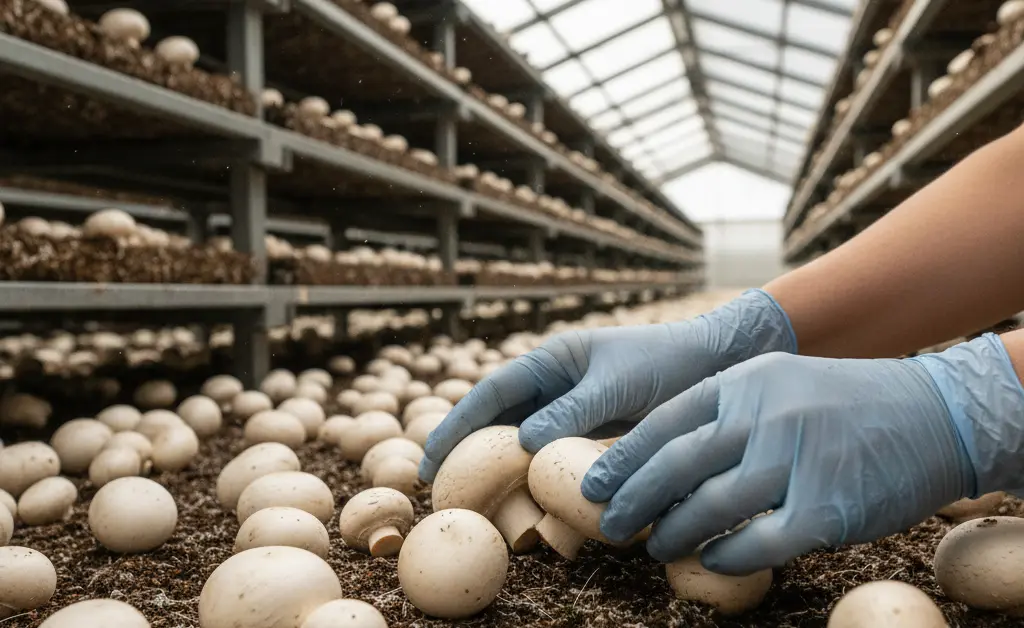
How can one ensure the optimal collection of button mushrooms for market, maximizing both quality and yield? Successful button mushroom harvesting represents a pivotal stage in their cultivation, directly influencing the final product’s quality, shelf life, and economic returns for growers. This comprehensive guide aims to illuminate the systematic approaches and intricate technical considerations that are absolutely essential for professional cultivators. We will navigate through understanding the delicate growth stages, identify precise indicators for readiness, and examine the most effective manual and automated techniques. Mastering these aspects is paramount to ensuring consistent freshness and market appeal for this widely consumed edible fungus.
Overview of Button Mushroom Harvesting
Button mushrooms, scientifically known as Agaricus bisporus, are among the most popular cultivated fungi globally. Their widespread appeal makes efficient and high-quality button mushroom harvesting a critical aspect of commercial production. This process goes beyond mere picking; it encompasses a deep understanding of the mushroom’s lifecycle, environmental conditions, and market demands. Timely harvesting is paramount to capturing the ideal size, texture, and flavor profile that consumers expect. Factors affecting harvesting include the specific strain of mushroom, ambient temperature and humidity, and the nutritional composition of the growing medium. For more on the general process, see this button mushroom farming guide.
Harvesting Stages and Indicators
Identifying the optimal stage for button mushroom harvesting is an art and a science. Button mushrooms typically progress through several growth stages, starting as pinheads, developing into buttons, and eventually opening into flats. Professional growers aim to harvest them at the button stage, just before the veil (the membrane covering the gills) breaks. Key indicators of readiness include a firm cap, a tight, unbroken veil, and a uniform creamy white color, although some varieties are brown. Over-mature mushrooms can develop opened caps, discolored gills, and a shorter shelf life, reducing their market value. Consistent monitoring of growth and environmental conditions is crucial to ensure that mushrooms are picked at their peak.
Button Mushroom Harvesting Technologies
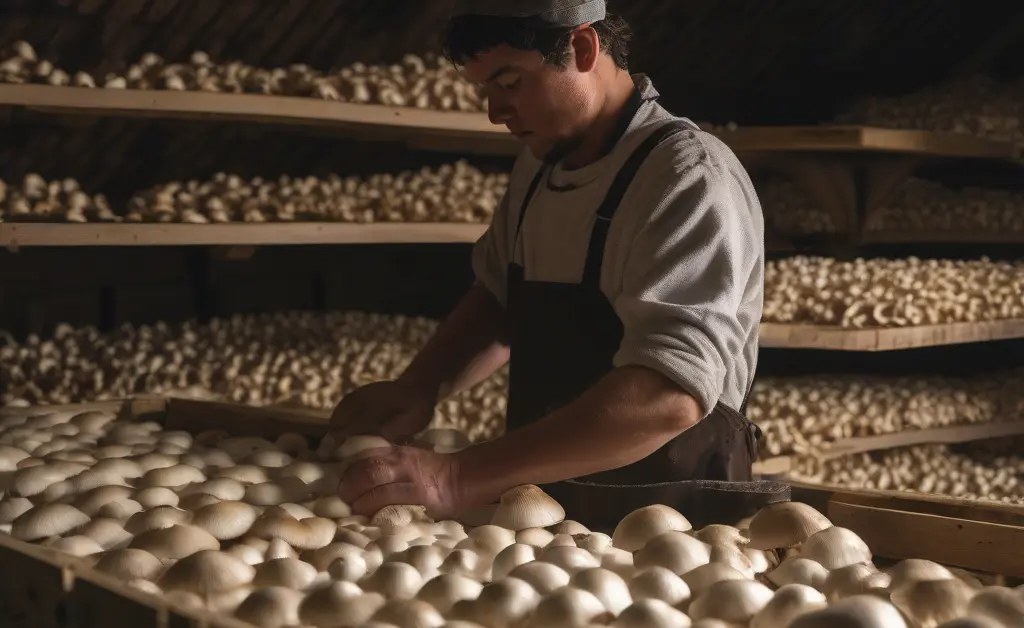
The evolution of agriculture has brought significant advancements to the mushroom industry, transforming button mushroom harvesting from a solely labor-intensive task into a more automated and efficient process. While manual labor remains prevalent, technological innovations are increasingly being adopted to address challenges such as labor shortages, consistency, and scalability. These advancements range from semi-automated systems that assist human pickers to fully robotic solutions designed for precision and speed. The integration of various technologies aims to optimize throughput and maintain product quality.
Manual Harvesting Techniques
Manual harvesting techniques remain the cornerstone for many button mushroom farms, particularly those prioritizing pristine quality and careful selection. Skilled harvesters meticulously assess each mushroom individually, selecting only those that meet specific size and maturity criteria. Common techniques involve either gently twisting the mushroom off the substrate or using a small, sharp knife to cut the stem at the base. The goal is to remove the mushroom without damaging the cap or disturbing the surrounding mycelial network, which is essential for subsequent flushes. This method allows for a high degree of precision and can reduce bruising, but it requires significant training and dexterity. For those interested in smaller-scale operations, information on button mushroom farming at home can be beneficial.
Tools Used in Manual Harvesting
For manual button mushroom harvesting, the tools required are generally simple yet effective. The most common tool is a small, specialized harvesting knife with a curved or straight blade, designed for clean cuts at the base of the mushroom stem. Some harvesters also use their hands to gently twist and pull the mushrooms. Baskets or shallow trays are used for collection, often designed to allow for air circulation and prevent damage during transport from the growing beds to the packing area. Gloves are frequently worn to maintain hygiene and prevent direct contact that could lead to bruising or contamination.
Pros and Cons of Manual Harvesting
Manual harvesting offers several advantages, primarily centered around its ability to ensure high-quality produce. It allows for selective picking, minimizing damage to delicate mushrooms and ensuring that only prime specimens are collected. This precision is difficult to replicate with machines. However, the pros and cons of manual harvesting reveal significant challenges. It is labor-intensive, leading to high operational costs and dependency on a skilled workforce. The physical demands of the work can also contribute to labor shortages, impacting overall production efficiency. While quality control is high, the pace is often slower, and consistency can vary among individual pickers, posing economic challenges for large-scale operations.
Best Practices for Button Mushroom Harvesting
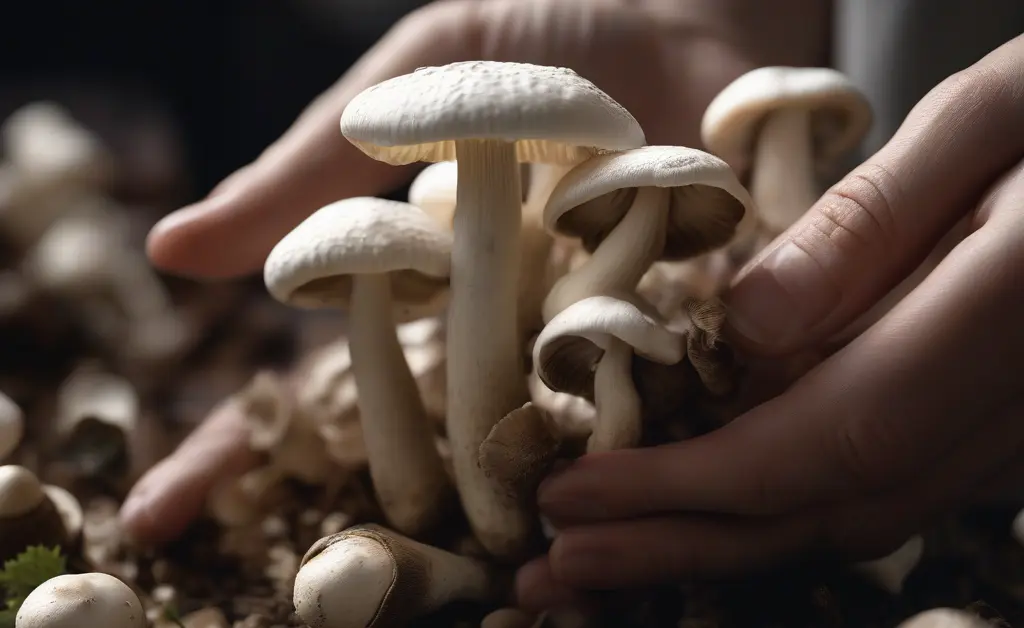
To maximize yield, quality, and profitability, adhering to best practices in button mushroom harvesting is essential. This encompasses more than just the act of picking; it involves a holistic approach to post-harvest handling, hygiene, and process optimization. Implementing a robust Standard Operating Procedure (SOP) ensures consistency across all harvesting cycles. Focusing on these practices helps maintain the delicate nature of button mushrooms and extends their valuable shelf life, critical for market success.
Proper handling during and immediately after harvesting is crucial to prevent bruising and damage, which can lead to rapid deterioration. Mushrooms should be handled gently and placed into appropriate containers that offer protection and allow for ventilation. Maintaining an unbroken cold chain from the moment of harvest through packaging and transport is vital for preserving freshness. Rapid cooling after harvest helps to slow down metabolic processes, thereby extending shelf life and maintaining visual appeal. Hygiene and sanitation practices throughout the cultivation and harvesting areas are also paramount to prevent contamination and disease, ensuring a safe and high-quality product. Growers often implement strict cleaning protocols for equipment, facilities, and personnel. Understanding the potential button mushroom yield is key for planning and resource allocation.
This article is meant for general informational use and awareness. It provides an overview of cultivation practices and techniques. The information presented herein should not be taken as professional agricultural consultation for specific situations. Always consult with experts for tailored advice concerning your particular growing conditions and market demands. No specific yields or commercial outcomes are guaranteed or implied by the content of this guide. For those seeking advanced knowledge, consider specialized button mushroom farming training. The National Library of Medicine offers extensive resources on mycology and agriculture, such as information on fungal biology at NLM.
FAQ
How do you manually harvest button mushrooms?
Manual harvesting involves carefully twisting and pulling the mushroom from its substrate to avoid disturbing the surrounding mycelium. Some growers prefer to use a knife to cut the stem at the base, leaving a small portion behind to decompose and nourish future growth. This method requires a gentle touch and attention to detail.
When is the best time to harvest button mushrooms?
The ideal time to harvest is when the mushroom caps are firm and fully formed, but before the veil underneath the cap breaks open. This stage ensures the mushroom is at its peak maturity and texture for consumption. Harvesting at this point also helps maintain the quality of the crop.
What are the different types of mushroom harvesting machines?
Mushroom harvesting machines vary, with some designed for specific mushroom varieties and growing systems. Mechanical harvesters often use gentle suction or cutting mechanisms to detach mushrooms from the growing medium. Automated systems can significantly speed up the process compared to manual methods.
What are the challenges in harvesting button mushrooms?
Key challenges in button mushroom harvesting include maintaining optimal environmental conditions during harvest, preventing damage to delicate mushroom structures, and ensuring consistent quality across the entire crop. The labor-intensive nature of manual harvesting also presents a significant hurdle for large-scale operations.
How can automation improve mushroom harvesting efficiency?
Automation can significantly boost mushroom harvesting efficiency by reducing manual labor, increasing picking speed, and ensuring a more consistent harvest. Robotic systems equipped with sensors can identify mature mushrooms and harvest them with precision, minimizing waste and damage. This technological advancement is transforming the industry.
Continue reading
You May Also Like
An Essential Guide to the Humble Button Mushroom
More than just a simple ingredient, the common button mushroom offers impressive nutritional benefits and is surprisingly easy to cultivate at home.

Perfect Air Fryer Button Mushrooms
Get perfectly roasted, tender-crisp mushrooms in just minutes with our healthy button mushroom air fryer recipe for a fast and easy side.

Recognizing and Managing a Button Mushroom Allergy
This guide helps identify button mushroom allergy symptoms and explains the steps for diagnosis, management, and prevention of future reactions.