
The Nutritional Profile of Button Mushrooms
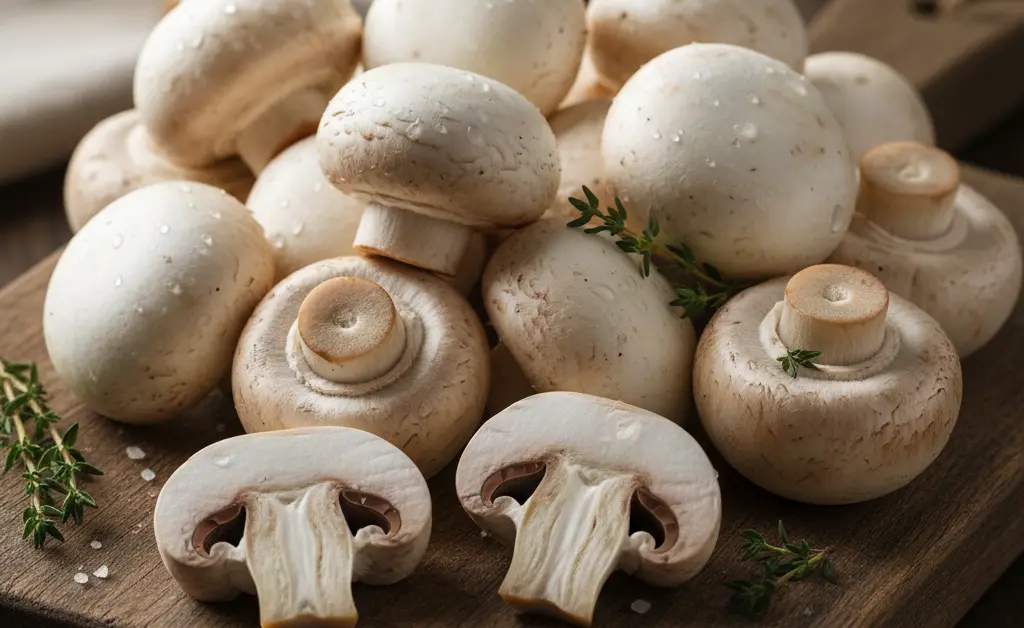
Are you constantly searching for simple ways to elevate your everyday meals while also boosting their nutritional value? It can be challenging to find ingredients that are both versatile and packed with beneficial compounds, often leading to repetitive menus or missing out on key nutrients. Many home cooks and health-conscious individuals grapple with this dilemma, desiring accessible options that contribute positively to their diet without requiring specialized knowledge or expensive purchases. Fortunately, a common pantry staple offers an excellent solution: the humble button mushroom. This article delves into the comprehensive button mushroom nutrition profile, revealing why these fungi are a powerhouse of vitamins, minerals, and other vital components, making them an ideal addition to a balanced lifestyle.
Button Mushroom Nutrition Facts
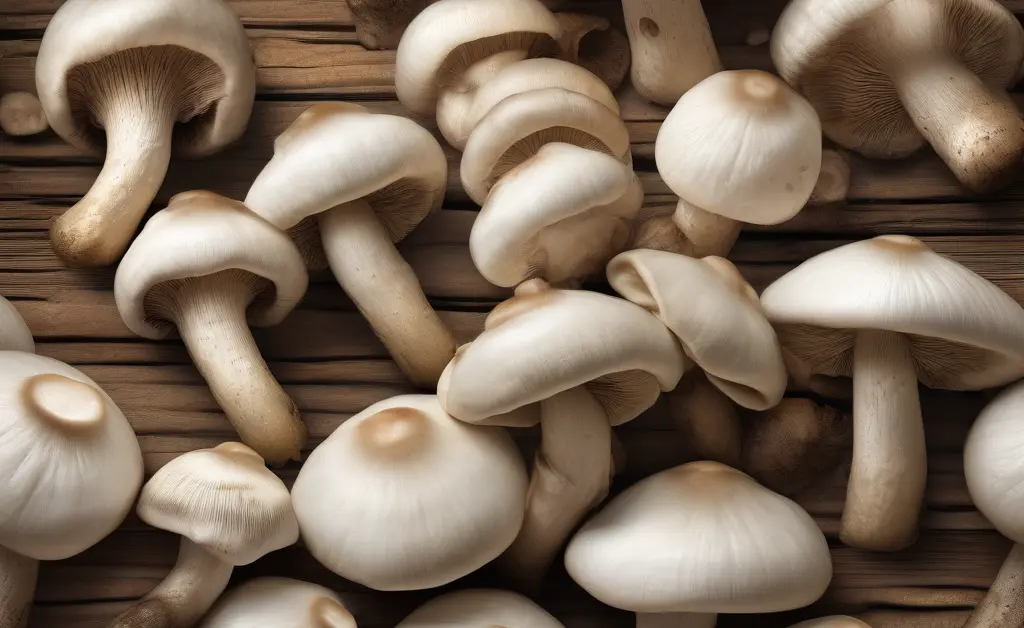
Understanding the button mushroom nutrition facts can highlight why these versatile fungi are a valuable addition to many diets. They are generally recognized for their low-calorie count and rich supply of various micronutrients, making them a nutrient-dense food choice. Whether consumed raw in salads or cooked into a variety of dishes, button mushrooms offer a beneficial dietary component.
Nutrition Facts for Raw White Button Mushrooms
Raw white button mushrooms are largely composed of water, contributing to their very low caloric density. Despite their high water content, they still provide a spectrum of beneficial compounds. In their raw state, button mushrooms are a source of dietary fiber, which supports digestive health, and contain certain B vitamins, along with a range of minerals. Their mild flavor and crisp texture make them suitable for immediate consumption in cold preparations.
Cooked Button Mushroom Nutritional Value Per 100g
When button mushrooms are cooked, their nutritional profile per 100g can become more concentrated due to the evaporation of water. While some heat-sensitive vitamins might be reduced, many minerals and other beneficial compounds remain intact or even become more bioavailable. Cooking methods like sautéing, grilling, or roasting can enhance their flavor and texture, making them a delightful addition to meals, while still offering significant nutritional value.
Macronutrient Breakdown (Calories, Carbs, Protein, Fat)
Button mushrooms are characterized by their favorable macronutrient breakdown. They are remarkably low in calories, making them an excellent food for those managing their energy intake. Their carbohydrate content is also relatively low, with a good portion of it coming from dietary fiber. Button mushrooms offer a modest amount of plant-based protein, which can contribute to daily protein needs. Fat content is almost negligible, further cementing their status as a lean and healthy food option.
Micronutrient Profile (Vitamins and Minerals)
Beyond their macronutrients, button mushrooms boast an impressive micronutrient profile, including a variety of essential vitamins and minerals. They are particularly noted for their contributions of B vitamins, which are crucial for energy metabolism, and several trace minerals important for overall bodily functions. This rich array of micronutrients makes button mushrooms a valuable food for supporting general health and well-being.
Key Nutrients in Button Mushrooms

The array of key nutrients found in button mushrooms contributes significantly to their reputation as a healthy food choice. The unique button mushroom nutrition profile includes specific vitamins and minerals that play vital roles in supporting various bodily functions, from bone health to immune system integrity. Understanding these specific components can help consumers appreciate the benefits of incorporating these fungi into their diet regularly.
Button Mushroom Protein Per 100g
Button mushrooms provide a notable amount of plant-based protein per 100g, especially considering their low-calorie count. While not a complete protein source on its own, the protein content contributes to daily intake and can be particularly beneficial for vegetarians and vegans. This protein supports muscle maintenance, enzyme function, and various cellular processes, making button mushrooms a useful component in a balanced diet.
Vitamin D Content and Sources
One of the most remarkable aspects of button mushroom nutrition is their potential to provide Vitamin D. Unlike most plant-based foods, mushrooms can produce Vitamin D when exposed to ultraviolet (UV) light. This occurs through a process where ergosterol, a compound found in mushrooms, converts to Vitamin D2 (ergocalciferol) upon UV exposure. This makes UV-exposed button mushrooms a unique dietary source of this essential vitamin, which is crucial for bone health and immune function. For general health recommendations regarding vitamin D, consult the WHO.
B Vitamins (B12, Niacin, Riboflavin)
Button mushrooms are a good source of several B vitamins, each playing a distinct role in maintaining health. They contain Riboflavin (Vitamin B2), which is important for energy production and cellular growth. Niacin (Vitamin B3) found in mushrooms supports digestive health, skin health, and nerve function. Furthermore, some studies indicate that mushrooms, including button mushrooms, can contain Vitamin B12, which is particularly significant for plant-based diets, as B12 is typically found in animal products. These B vitamins collectively contribute to optimal metabolic function.
Minerals (Selenium, Potassium, Copper)
The mineral content of button mushrooms further enhances their nutritional value. They are a source of Selenium, an antioxidant mineral that may help protect cells from damage and support thyroid function. Potassium, an electrolyte vital for maintaining fluid balance, nerve signals, and muscle contractions, is also present. Additionally, button mushrooms provide Copper, a trace mineral essential for iron metabolism, red blood cell formation, and immune system health. The presence of these minerals contributes to the comprehensive health benefits associated with consuming button mushrooms.
The humble button mushroom, often underestimated, clearly offers a powerful nutritional punch. From its low-calorie, low-fat profile to its significant contributions of vitamins, minerals, and plant-based protein, incorporating these fungi into your diet can support overall health and enhance the nutritional value of your meals. Their versatility in the kitchen further ensures that adding these beneficial components to your daily routine can be both easy and delicious, making them a true culinary and nutritional asset.
This article is written for general understanding and not for medical decision-making. The information provided is intended for educational purposes only and should not be used as a substitute for professional medical advice, diagnosis, or treatment. Always consult with a qualified healthcare provider before making any decisions about your health or diet, especially if you have a medical condition or are taking medication.
FAQ
What are the nutritional benefits of button mushrooms?
Button mushrooms offer a range of nutrients that contribute to overall well-being. They are a source of B vitamins, which play a role in energy metabolism, and minerals like selenium and potassium, important for immune function and cardiovascular health, respectively. Their unique compounds also contribute to their health-promoting properties.
Are button mushrooms healthy to eat?
Yes, button mushrooms are considered a healthy food choice as part of a balanced diet. They are low in calories and fat while providing valuable vitamins, minerals, and antioxidants. Their nutritional profile supports various bodily functions.
How much protein is in a button mushroom?
The protein content in button mushrooms is modest but contributes to the overall nutritional value. A typical serving provides a small amount of plant-based protein, which can be beneficial for those looking to increase their protein intake from diverse sources.
Do button mushrooms have vitamin D?
Button mushrooms can contain vitamin D, particularly when exposed to ultraviolet (UV) light. Similar to how human skin produces vitamin D from sunlight, mushrooms can synthesize this vitamin when exposed to UV radiation, making them a unique plant-based source.
Are white and button mushrooms the same nutritionally?
White mushrooms are simply immature button mushrooms, meaning their nutritional profiles are very similar. As mushrooms mature and grow, their nutrient composition can slightly change, but the fundamental benefits of button mushroom nutrition remain consistent between the two stages.
Continue reading
You May Also Like

The Nutritional Profile of Button Mushrooms
A breakdown of button mushroom nutrition reveals these common fungi are low in calories but packed with beneficial B vitamins and key minerals.

A Nutritional Breakdown of Button Mushroom Macros
How do white mushrooms fit into a low-carb diet? Get the detailed button mushroom macros, showing the exact carb, protein, and fat count per cup.
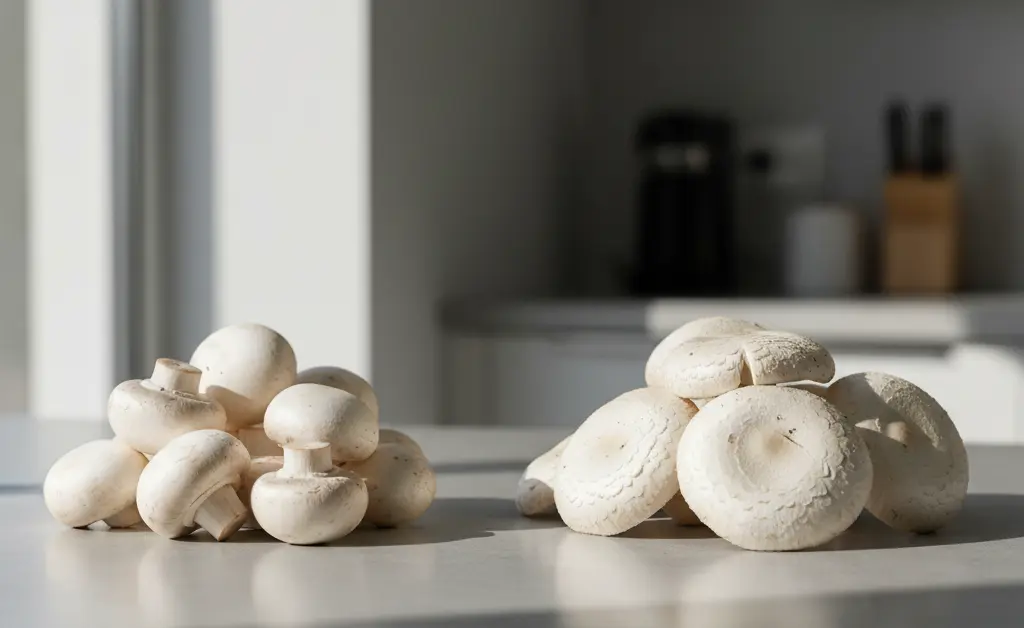
Button vs. Milky Mushroom: A Nutritional & Culinary Comparison
Choosing between button mushroom vs milky mushroom is made easy with our guide to their distinct tastes, textures, and nutritional differences.