
The Essential Guide to Foraging Chanterelles
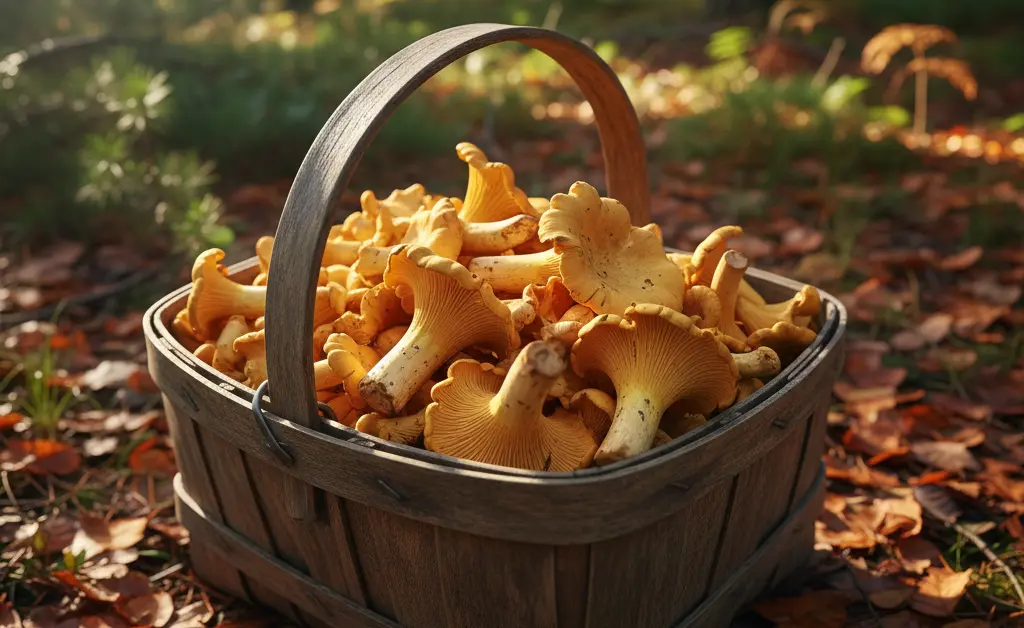
The scent of damp earth and decaying leaves on a crisp autumn morning is your cue. You’ve just finished your morning coffee, the basket is packed, and a quiet excitement buzzes in your chest as you head out the door. While the kitchen awaits its bounty, the real treasure hunt begins in the forest. Mastering the art of finding these golden gems requires more than just luck; it demands knowledge of their habits, a keen eye for detail, and a commitment to responsible harvesting. This comprehensive chanterelle mushroom foraging guide is designed to equip you with everything you need for a successful and enjoyable outing, from identifying the delicate trumpet shapes to understanding the best habitats and seasons for their growth.
Chanterelle Mushroom Foraging Guide
Embarking on the journey to find wild chanterelles is a rewarding experience that connects you with nature’s cycles. Before you can enjoy the culinary delights these mushrooms offer, you must first master the fundamentals of the hunt. A successful outing is built on a foundation of preparation, proper technique, and respect for the environment. This initial section provides a high-level overview of the gear, harvesting methods, and ethical considerations that form the core of any good chanterelle mushroom foraging guide.
Essential Gear for Mushroom Hunting
You don’t need a lot of sophisticated equipment to get started. The most important tool is your knowledge, but a few physical items will make your forage more efficient and successful. A sturdy basket or a mesh bag is crucial, as it allows spores from your collected mushrooms to disperse back into the forest, promoting future growth. You will also want a reliable mushroom knife, which often comes with a soft brush on one end for preliminary cleaning in the field. Lastly, carry a good field guide or have a reliable identification app on your fully charged phone, and consider a GPS or compass for navigation.
How to Properly Harvest Chanterelles
When you find a patch of chanterelles, the excitement can be palpable, but it’s important to harvest them correctly to ensure the long-term health of the mushroom patch. The generally accepted best practice is to use a knife to cut the mushroom at the base of its stem. This method leaves the mycelium—the underground fungal network from which the mushrooms grow—undisturbed, increasing the chances of the mushrooms returning in subsequent years. Avoid pulling them from the ground, which can damage this delicate network.
Foraging Etiquette and Best Practices
Responsible foraging is about more than just what you take; it’s also about what you leave behind. A core tenet of foraging etiquette is to never take every mushroom in a patch. Leave some mature specimens to release their spores, and leave the very small “button” mushrooms to grow larger. Treading lightly, replacing any moss or logs you disturb, and packing out everything you pack in are all essential practices that show respect for the forest ecosystem and for other foragers.
Chanterelle Identification
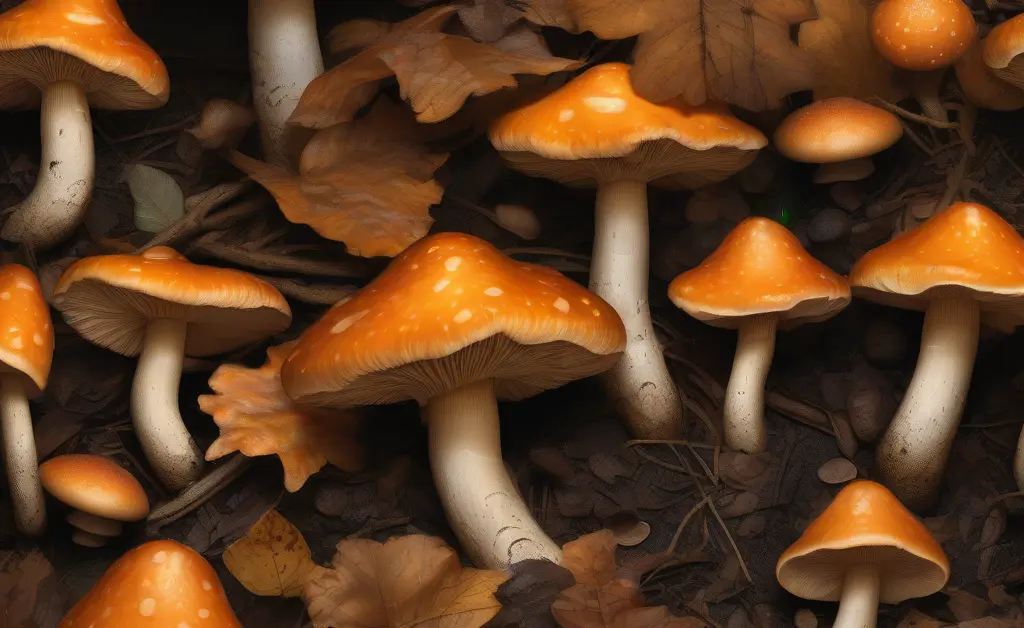
The single most critical skill in mushroom foraging is accurate identification. Chanterelles have several key features that distinguish them from other fungi, but they also have some dangerous look-alikes. Before you ever consider eating a wild mushroom, you must be 100% certain of its identity. Studying these characteristics is an indispensable part of your education as a forager. A mistake in identification can have serious consequences, making this knowledge the most important part of any foraging expedition.
Key Physical Characteristics
True chanterelles are known for their beautiful appearance. They typically have a vibrant color, ranging from a pale yellow to a deep golden-orange. Their shape is often described as a vase or trumpet, with a wavy, irregular cap edge that flows seamlessly into the stem. A defining feature is their scent; when fresh, chanterelles often have a distinct and pleasant aroma, commonly compared to apricots or peaches. Their flesh is solid and white when cut open.
Understanding False Gills vs. True Gills
One of the most reliable features for chanterelle identification is their “false gills.” Unlike many other mushrooms that have sharp, blade-like true gills, chanterelles have ridges or folds on the underside of their cap. These ridges are blunt, forked, and run down the stem in a decurrent fashion. If you run your finger across them, they feel like integrated parts of the mushroom, not separate, delicate structures that can be easily broken off. This distinction is vital for separating them from toxic mimics.
Common Toxic Look-Alikes to Avoid
Two primary mushrooms are often confused with chanterelles: the Jack-o’-Lantern mushroom and the False Chanterelle. The Jack-o’-Lantern is toxic and grows in large, dense clusters on wood or buried roots, whereas chanterelles grow on the ground, usually scattered. Jack-o’-Lanterns also have sharp, non-forked true gills, not the blunt ridges of a chanterelle. The False Chanterelle has a more uniformly orange color and true gills that are finer and more crowded than a chanterelle’s ridges. Mastering this part of your chanterelle mushroom foraging guide is non-negotiable for safety.
Finding Chanterelles: Habitat and Season
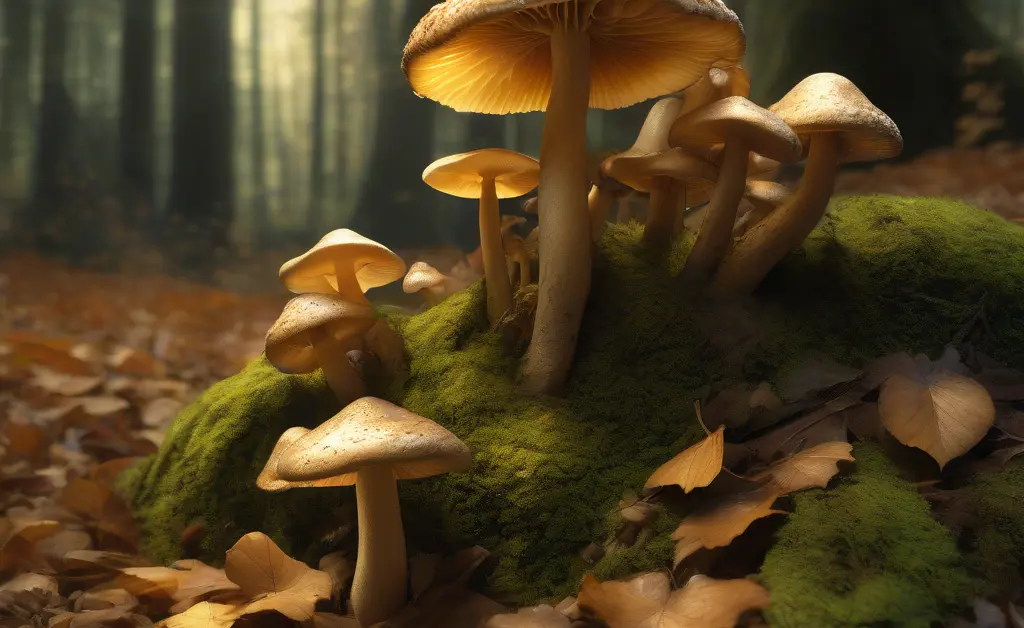
Knowing what a chanterelle looks like is only half the battle; you also need to know where and when to look. Chanterelles are mycorrhizal, meaning they form a symbiotic relationship with the roots of certain trees. Understanding this relationship and their preferred environmental conditions will dramatically increase your chances of finding these golden treasures. A successful hunt often begins at home, by studying maps and understanding the ecology of your local forests. The specific chanterelle mushroom habitat is key to finding them.
Ideal Soil Conditions and Forest Types
Chanterelles thrive in specific environments. They are most commonly found in association with hardwood trees, especially oaks, and sometimes with conifers. They prefer well-drained, acidic soil and are often found in mossy areas. Look for forests that are mature but not overly dense, allowing some filtered sunlight to reach the forest floor. Areas with a healthy layer of leaf litter and a noticeable presence of moss are excellent places to start your search.
The Best Time of Year to Hunt for Chanterelles
The chanterelle season varies by climate and region, but it generally begins in the summer and extends through the fall. The key trigger for their fruiting is rainfall followed by a few days of warm, humid weather. In many temperate climates, the peak season is from July to September. Learning the specific timing for your local area requires observation and experience, as a dry spell can delay the season while a series of good rains can produce an abundant flush.
Reading the Landscape for Promising Spots
Experienced foragers learn to read the subtle clues of the landscape. Gentle, north-facing slopes often retain moisture longer and can be productive spots. Old logging roads, the edges of clearings, and the areas along creek beds can also be chanterelle hotspots. As you walk, scan the ground for the telltale flash of gold amongst the brown and green of the forest floor. Developing this “mushroom eye” is a skill that improves with every outing and is a rewarding aspect of a good chanterelle mushroom foraging guide.
Sustainable Foraging Techniques and Tools
Sustainability is the cornerstone of responsible foraging. Our goal is not only to enjoy a harvest for ourselves but to ensure that the mushroom populations and their habitats remain healthy for generations to come. This involves using the right tools and adopting a mindset of stewardship. By harvesting with care, we can revisit the same patches year after year.
Essential Gear for Mushroom Hunting
The choice of collection container is a key part of sustainable foraging. A woven basket or a bag made of mesh is highly recommended over a plastic bag or bucket. As you walk through the woods with your harvest, these open-weave containers allow mushroom spores to fall to the ground, effectively helping you seed the forest for future growth. This simple gear choice turns your foraging trip into an act of cultivation.
How to Properly Harvest Chanterelles
The debate between cutting and pulling mushrooms is a long-standing one, but for chanterelles, the consensus leans heavily toward cutting. Using a sharp knife to slice the mushroom at its base leaves the underground mycelial network intact and undisturbed. This network is the perennial part of the fungus, and protecting it is crucial for ensuring that mushrooms will fruit in the same area again. Many foragers have favorite patches that they sustainably harvest from for decades, a testament to the fact that chanterelles often grow back in the same spot every year when cared for properly.
Foraging Etiquette and Best Practices
Good etiquette is about minimizing your impact. Never harvest an entire patch of mushrooms. A common rule of thumb is to take no more than half, leaving plenty behind to continue their life cycle and provide food for wildlife. Always leave the smallest, immature mushrooms to grow. When you’re searching, try to disturb the leaf litter and moss as little as possible, and be sure to put back anything you move. This ensures the sensitive microclimate of the forest floor remains intact.
Post-Harvest: Cleaning and Handling
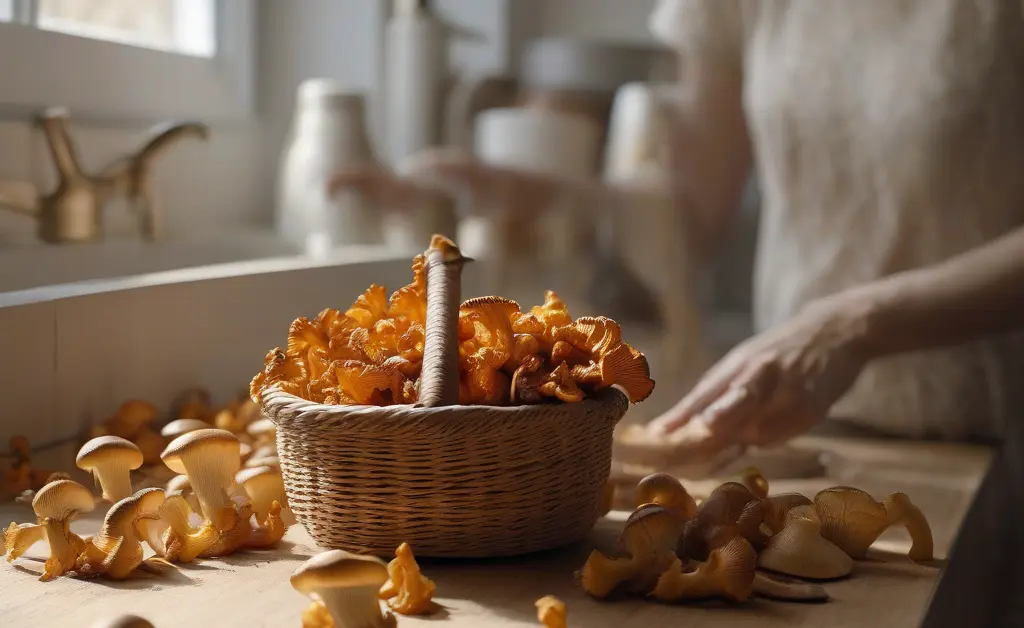
Your work isn’t done once the chanterelles are in your basket. Proper cleaning and handling are essential to preserve their delicate flavor and texture. Taking a few extra minutes to care for your harvest correctly will pay dividends in the kitchen. Following a proper procedure for mushroom handling ensures your hard-won treasures are ready for the table.
Initial Field Cleaning vs. Home Cleaning
The cleaning process begins in the forest. When you harvest a chanterelle, take a moment to use your mushroom brush or a soft cloth to gently remove any loose dirt, pine needles, or leaves. This initial field cleaning keeps your main collection basket much cleaner and significantly reduces the amount of work you’ll have to do back at home. Once home, a more thorough cleaning can be done. Use a soft brush to get into the crevices of the false gills. Avoid soaking chanterelles in water, as they are porous and will become soggy. If they are particularly dirty, a very quick rinse followed by immediate patting dry with a paper towel is acceptable.
Once clean, the chanterelles are ready for preparation. It is generally not recommended to eat chanterelle mushrooms raw; cooking them not only improves their flavor and texture but is also considered a safer practice for digestibility. They are wonderful when simply sautéed in butter with a little garlic and thyme. For long-term storage, there are several effective methods for storing fresh chanterelles. One of the best basic preservation methods is to sauté them first and then freeze them in airtight containers. They can also be dehydrated, which concentrates their flavor, making them perfect for adding to soups and sauces later on.
The information in this article is intended for knowledge purposes only. It is not a substitute for professional, in-person guidance from a mycological expert. Mushroom identification is a high-stakes skill, and misidentification can lead to serious illness or death. Never consume a wild mushroom unless you are absolutely, 100% certain of its identity. Always cross-reference with multiple reliable field guides and, whenever possible, have your findings confirmed by an experienced local forager before consumption.
FAQ
What do chanterelle mushrooms look like?
Chanterelle mushrooms are typically funnel-shaped or trumpet-like with wavy or irregular edges. Their color ranges from pale yellow to deep orange, and they feature blunt, ridge-like gills that run down the stem, rather than sharp, blade-like gills.
When is the season for chanterelle mushrooms?
Chanterelle mushrooms generally appear during the warmer, wetter months. Their fruiting season often begins in late spring or early summer and can extend through the fall, depending on local climate and rainfall patterns.
What trees do chanterelles grow near?
Chanterelles are mycorrhizal fungi, meaning they form a symbiotic relationship with tree roots. They are commonly found in association with various hardwood trees such as oak, beech, and birch, as well as some conifers like pine.
How can you tell a chanterelle from a jack-o-lantern?
Distinguishing chanterelles from look-alikes like the jack-o-lantern mushroom is important; chanterelles have blunt, ridge-like gills that often fork and run down the stem, whereas jack-o-lanterns have sharp, thin, and closely spaced gills that do not run down the stem. Chanterelles also tend to have a more apricot-like aroma, and their flesh is typically solid and white, unlike the orange flesh of the jack-o-lantern. While this isn’t a chanterelle mushroom foraging guide, understanding these differences is key for safe identification.
Continue reading
You May Also Like
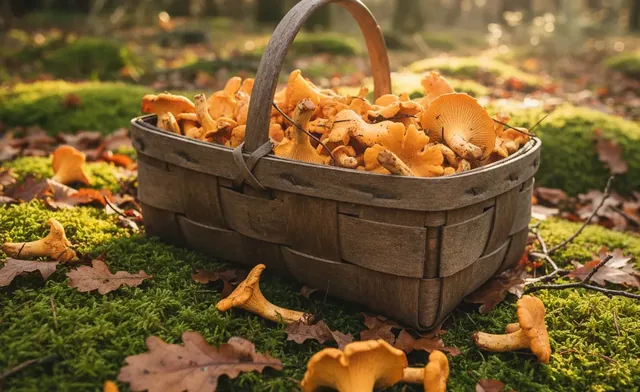
A Guide to Foraging for Chanterelles in the UK
This guide covers the key identification features for chanterelle mushrooms UK, including their specific habitat, season, and dangerous lookalikes.
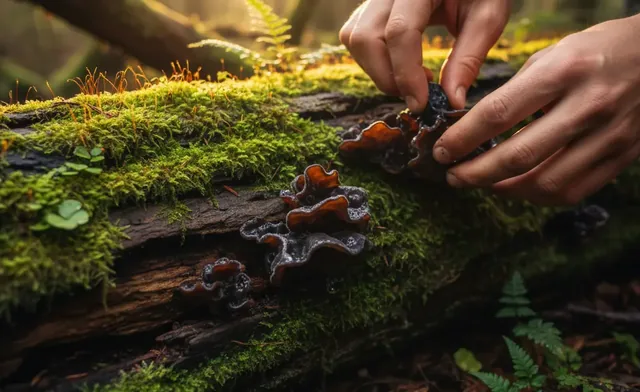
The Essential Guide to Foraging Wood Ear Mushrooms
Confidently begin your wood ear mushroom foraging with our reassuring guide to safe identification, avoiding common look-alikes, and best practices.
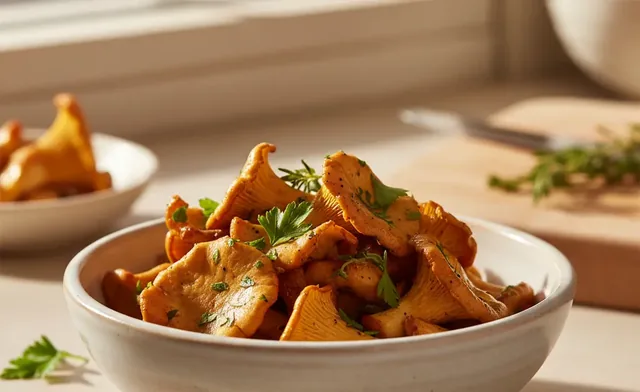
The Perfect Recipe for Air Fryer Chanterelles
This simple chanterelle mushroom air fryer recipe delivers perfectly crispy, golden results with our easy-to-follow, step-by-step guide.