
Your Guide to Chanterelle Mushroom Season in the UK
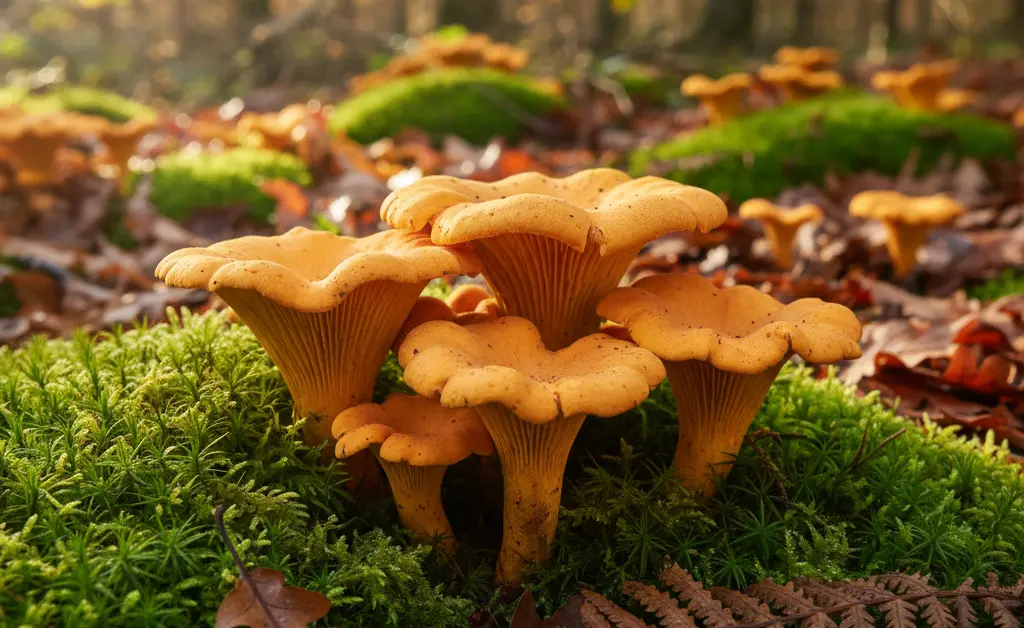
There’s a certain magic that fills the air as the UK’s woodlands begin their autumn transformation, a time when nature offers some of its most treasured culinary gifts. For those who cherish the simple pleasures of the forest and the thrill of discovery, the arrival of chanterelle mushrooms is a highly anticipated event. These golden beauties, with their delicate fruity aroma and exquisite flavour, represent a unique connection to the wild and the changing seasons. This guide is designed to help you navigate the excitement and practicalities of the chanterelle mushroom season UK, ensuring you can fully appreciate these delightful fungi, whether you’re foraging or seeking them out at the market.
Chanterelle Mushroom Season UK
Understanding the general timing of the chanterelle mushroom season is key to a successful hunt. While often associated with autumn, these golden fungi can appear surprisingly early, their growth intricately linked to a combination of warmth, moisture, and specific environmental triggers. The season isn’t a fixed date on the calendar but rather a shifting window influenced entirely by the year’s weather patterns.
When To Pick Chanterelle Mushrooms
Chanterelles are typically ready to pick from summer through to late autumn. The primary trigger for their appearance, or ‘fruiting’, is significant rainfall following a period of warmth. A warm, wet summer can lead to an early and abundant season, whereas a dry spell can delay their growth. Foragers learn to watch the weather as much as the woods, knowing that a good downpour in July or August can signal the start of the hunt.
Best Month For Chanterelles
While chanterelles can be found for several months, many seasoned foragers consider late August and September to be the best months. During this period, the balance of daytime warmth, cooler nights, and regular rainfall often creates the perfect conditions for large and healthy flushes of mushrooms. The woods are damp and alive, making it a prime time to find them in their ideal state before the colder weather sets in.
Peak Months for Chanterelle Growth
The peak months for chanterelle growth across the UK generally span from July to October. The initial appearance in early summer may consist of smaller, more scattered patches. As the season progresses into late summer and early autumn, the fruiting becomes more prolific and widespread, assuming consistent rainfall. This peak period is when the mushrooms are at their most vigorous, often forming generous carpets of gold in their preferred habitats.
Early vs. Late Season Indicators
Early season chanterelles, found in June or July, are often a sign of a promising year ahead. Their appearance is usually prompted by the first substantial summer rains. These early specimens can be smaller but are prized for their firm texture. Conversely, late season indicators include the first hard frosts, which will put an end to their growth. Mushrooms found late in the season, perhaps into November, may show signs of age or frost damage. The appearance of other fungi, such as the appropriately named winter chanterelle, also signals that the main season for golden chanterelles is drawing to a close.
Buying Chanterelle Mushrooms UK
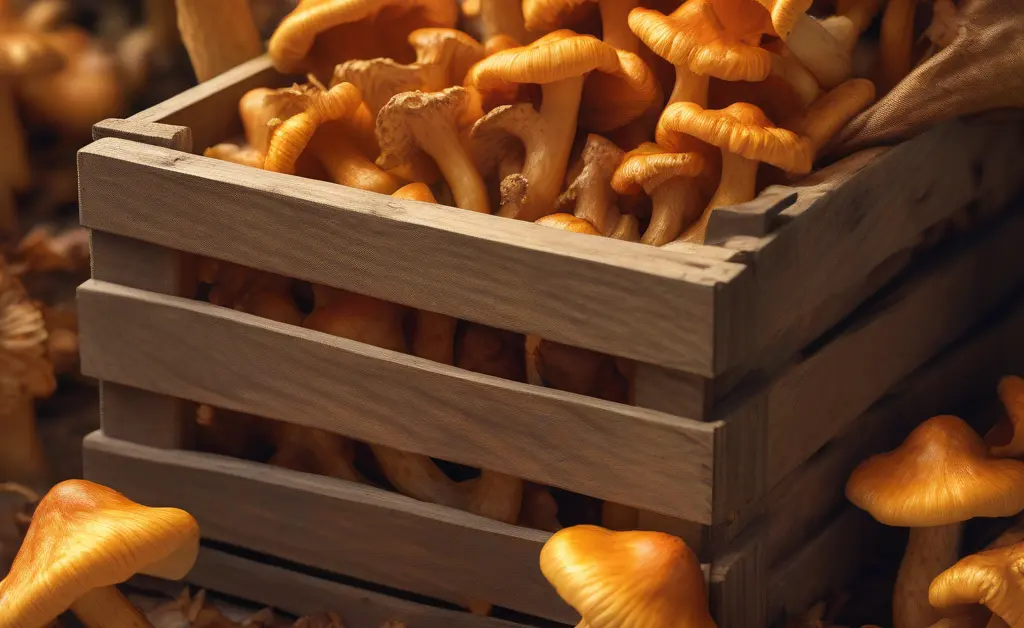
For those who prefer to enjoy these woodland delicacies without the forage, there are excellent options for buying chanterelle mushrooms in the UK. Many high-end grocers, farm shops, and delicatessens stock them when in season. Farmers’ markets are another fantastic source, where you can often buy directly from the foragers themselves, ensuring freshness and supporting local enterprise. Reputable online suppliers have also become a reliable way to source fresh, high-quality chanterelles, delivered directly to your door. When purchasing, look for firm, bright, and fragrant mushrooms, and always buy from a trusted source to guarantee you are getting genuine, correctly identified fungi. For general food safety guidelines, you can refer to resources from the FDA. Exploring options for where to buy chanterelles in the UK is a great way to enjoy this seasonal treat.
Prime Habitats for Chanterelles in the UK
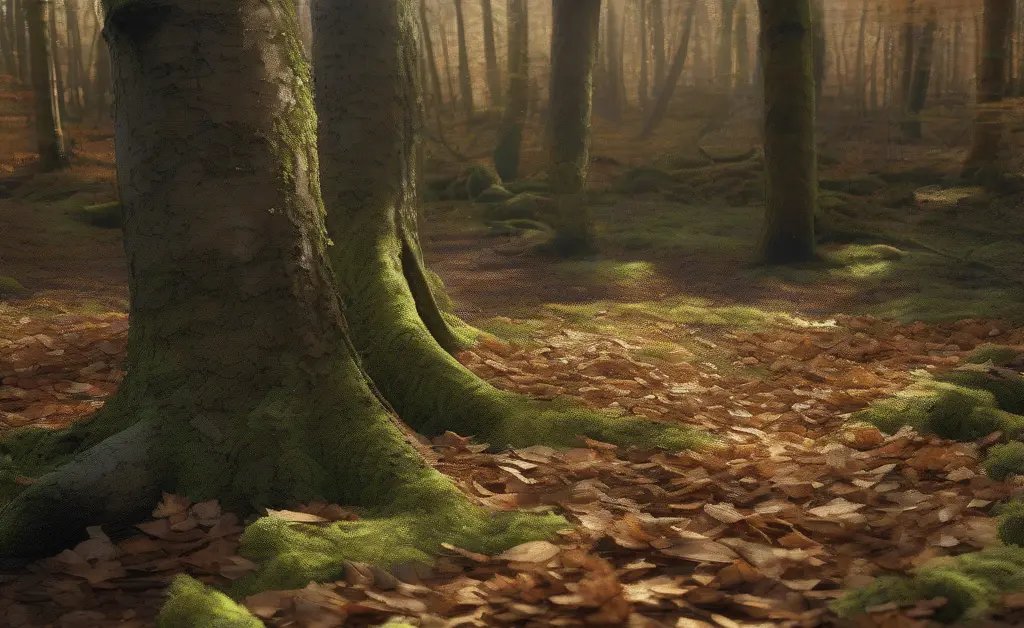
Chanterelles are mycorrhizal, meaning they form a symbiotic relationship with the roots of specific trees. Finding the right trees is the first step to locating these mushrooms. In the UK, they are most commonly associated with broadleaf woodlands, particularly those dominated by beech, birch, and oak trees. They thrive in well-drained, mossy ground, often favouring gentle slopes and banks where water doesn’t pool. They rarely grow on wood itself, but from the soil amongst the leaf litter. For those interested in the geographical spread of these fungi, a chanterelle mushroom range map can provide valuable insights. The overall length and success of the chanterelle mushroom season UK can be heavily influenced by the health and maturity of these specific woodland environments.
Chanterelle Season Scotland
Scotland, with its extensive ancient woodlands and often damp climate, is a premier location for finding chanterelles. The season here can be particularly long and fruitful. They are abundant in the birch and pine forests of the Highlands and the mature beech woods of Perthshire and the Borders. The Scottish season often follows the UK-wide pattern, starting in summer and peaking in early autumn. The consistent rainfall and cooler temperatures can create ideal growing conditions, making Scotland a top destination for chanterelle enthusiasts.
Essential Tips for Foraging Chanterelles in the UK
Foraging for chanterelles is a rewarding experience, but it demands caution and knowledge. Positive identification is paramount, as there are poisonous lookalikes. The key is to learn the distinguishing features with absolute certainty before you ever consider picking. It is also vital to forage responsibly, respecting the environment, wildlife, and the law. Approaching the chanterelle mushroom season UK with a mindset of safety and sustainability ensures the practice can be enjoyed for generations to come.
- Identification: True chanterelles have a distinctive golden-yellow hue, a funnel-like shape, and a scent often compared to apricots. The most critical feature is their ‘gills’. They are not true, blade-like gills but rather forked, vein-like ridges that run down the stem from beneath the cap.
- Lookalikes: The most common and dangerous lookalike is the Jack O’Lantern mushroom, which is toxic. It has true, sharp gills (not ridges), grows in dense clusters directly on wood (not soil), and is said to glow faintly in the dark. The false chanterelle is another lookalike; it is more orange, has true gills, and lacks the signature fruity aroma.
- Harvesting: Use a knife to cut the mushroom at the base of the stem. This prevents damage to the mycelium—the underground network from which the mushrooms grow—allowing it to fruit again in the future. Never pull them out of the ground.
- Sustainability: Forage ethically by never taking an entire patch. Leave plenty of mushrooms behind, especially the small, young ones and the large, mature ones, to allow them to release spores and ensure future growth. Only pick what you need.
- Legality: Always be aware of the law. In the UK, foraging for personal consumption is generally permitted on common land, but you must have the landowner’s permission on private property. Commercial foraging is almost always prohibited without explicit licenses.
Before heading out, ensure you are 100% confident in your identification skills. Cross-referencing with multiple reliable field guides and, if possible, learning from an experienced forager is the safest approach. When in doubt, leave it out.
This information is provided for educational purposes only. It is not a substitute for professional guidance, and correct identification of any wild plant or fungus is the sole responsibility of the individual. Never consume a wild mushroom unless you are absolutely certain of its identity and edibility, as misidentification can lead to serious illness or be fatal. Always consult an expert forager or multiple reputable field guides.
FAQ
What month do chanterelles appear in the UK?
Chanterelles typically emerge in the UK during the late summer and autumn months, with their fruiting bodies often appearing from August through to October. The specific timing can fluctuate based on regional microclimates and annual weather patterns. Experiencing the unique flavor of chanterelle mushroom season UK requires patience and keen observation during these periods.
What weather do chanterelles like?
These mushrooms thrive in damp conditions, preferring humid air and moist soil, which is commonly found after periods of rainfall. They often favor temperate forests with deciduous trees, where the soil conditions and canopy provide a suitable environment for their growth. Consistent moisture without waterlogging is generally ideal for chanterelle development.
Continue reading
You May Also Like
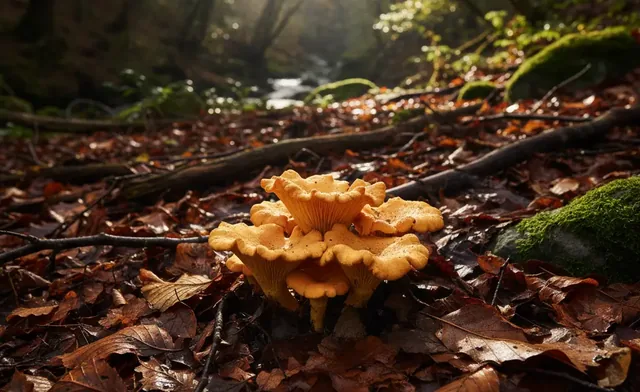
The Definitive Guide to Chanterelle Mushroom Season
The chanterelle mushroom season typically runs from summer into late fall, but the exact timing varies greatly based on your region's rainfall and…
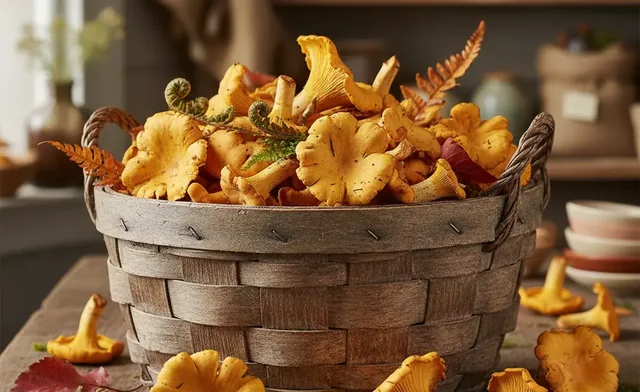
Your Source for Fresh Chanterelle Mushrooms
Buy chanterelle mushrooms picked fresh and shipped directly to your door with our freshness guarantee, ready for your favorite culinary dishes.
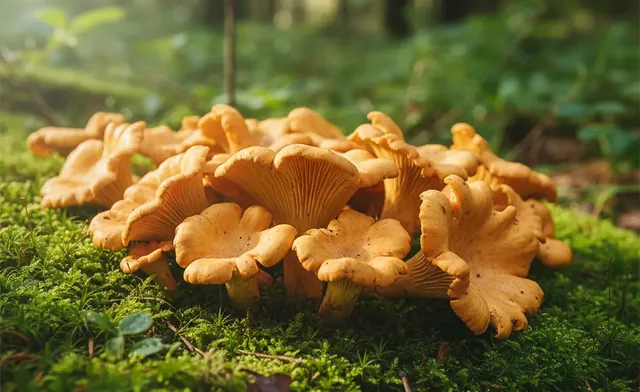
Chanterelle Mushrooms: A Guide From Forest to Table
This guide teaches you how to safely identify, forage, and cook the prized chanterelle mushroom, with tips on cleaning and delicious recipes.