
The Definitive Guide to Chanterelle Mushroom Season
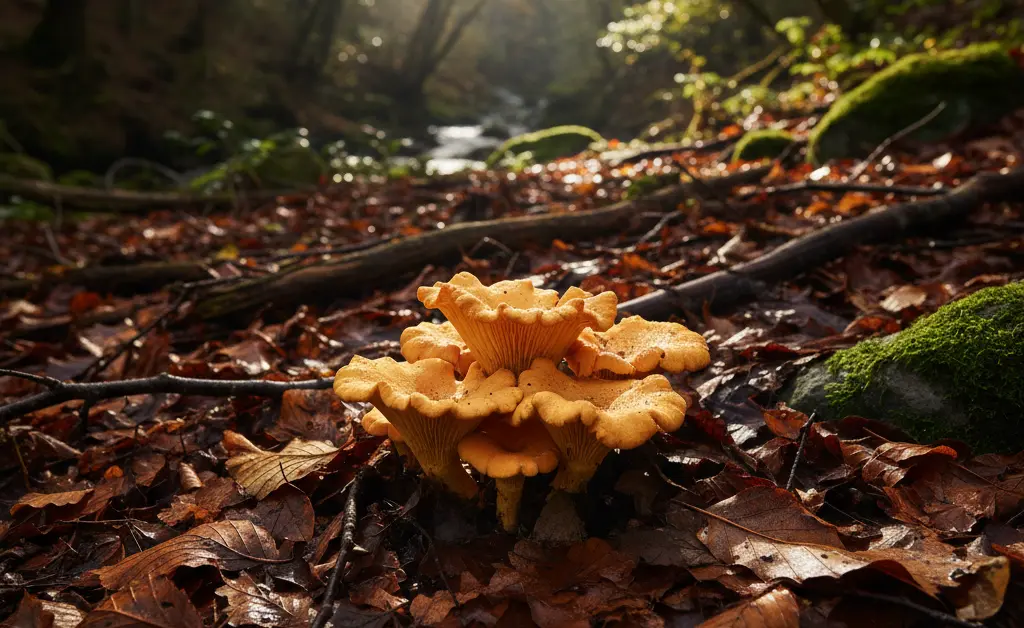
Have you ever found yourself wandering through a damp forest after a good rain, wondering what culinary treasures might be hiding just beneath the leaf litter? The chanterelle mushroom, with its distinctive trumpet shape and delicate fruity aroma, is one such treasure that excites foragers and chefs alike. Unlocking the secrets to its seasonal availability is key to experiencing its unique flavor. Understanding the chanterelle mushroom season involves more than just marking a calendar; it requires a keen observation of nature’s subtle cues and an appreciation for the environmental conditions that foster its growth. This guide aims to illuminate the path for anyone eager to discover these prized fungi.
Understanding Chanterelle Mushroom Season
The arrival of chanterelle mushrooms is a highly anticipated event for foragers. Unlike cultivated mushrooms that are available year-round, chanterelles are wild and follow a distinct natural cycle. Their appearance is not tied to a specific date but is instead a direct response to a combination of environmental triggers. This means the season can start earlier or later depending on the specific conditions of a given year. Successfully timing your foraging trips requires an understanding of these natural rhythms and how they vary from one region to another.
Typical Timing of the Season
Generally, the main season for chanterelles in many parts of the Northern Hemisphere begins in the summer and can extend well into the autumn months. In some warmer climates or specific microclimates, a smaller flush can even occur in the spring. For most foragers, the peak period is from mid-summer through early fall. The end of the season is usually marked by the first hard frost, which halts the mycelium’s ability to produce more fruiting bodies. Therefore, paying attention to long-range weather forecasts can be just as important as knowing the general seasonal window. For those specifically interested in the chanterelle mushroom season in the UK, local conditions can significantly influence timing and availability.
Influence of Weather and Environment
Weather is the single most important factor determining when chanterelles will appear. These mushrooms require significant moisture to fruit. The ideal scenario is a period of sustained, soaking rain followed by several days of warmth and high humidity. A brief shower is often not enough; the ground needs to be thoroughly damp. Temperature is also key. Chanterelles favor mild to warm temperatures, which is why they are most prolific in the summer and early fall. They thrive in well-drained, acidic soil and are commonly found in hardwood forests, particularly near oak and beech trees, as well as in coniferous forests among fir and hemlock. Their mycorrhizal relationship with these trees means they will often reappear in the same locations year after year, provided the habitat remains undisturbed. To better understand the geographical distribution of these fungi, consulting a chanterelle mushroom range map can be highly beneficial.
Identifying Chanterelle Mushrooms
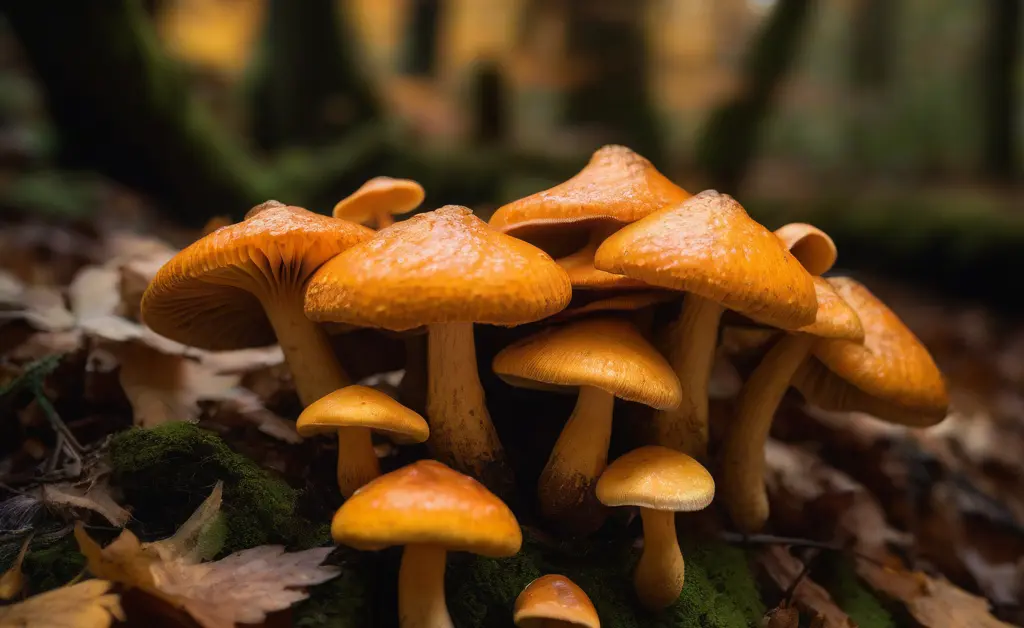
Correctly identifying chanterelle mushrooms is a critical skill for any forager. These fungi have several distinct features that set them apart from other mushrooms, including potentially toxic look-alikes. A careful and methodical examination of the mushroom’s structure, from its cap to its stem, is essential for a positive identification. Relying on a single feature is not recommended; instead, a combination of characteristics should be used to confirm that what you have found is indeed a true chanterelle.
Analyzing the Gills
One of the most telling features of a true chanterelle is its false gills. Unlike the separate, blade-like gills of many common mushrooms, chanterelles have ridges or folds that run down the underside of the cap and partway down the stem. These are not separate structures but are part of the mushroom itself. On close inspection, these blunt-edged ridges appear forked and have a cross-veined, somewhat messy appearance. They are not easily separated from the cap, a key distinction from mushrooms with true gills.
Observing Growth Patterns and Habitat
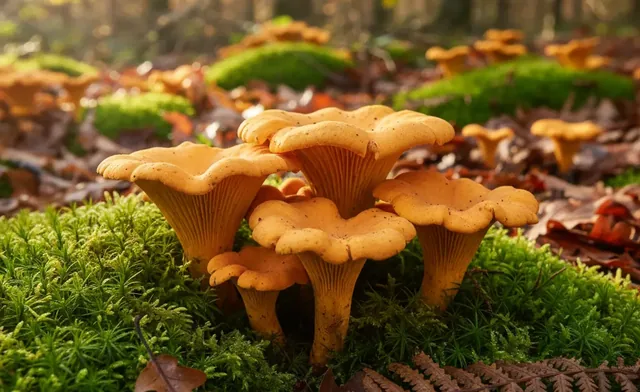
Chanterelles are terrestrial, meaning they grow from the soil on the forest floor, never directly on dead or living trees. While they may appear very close to tree bases or decaying logs, they are actually connected to the root systems of living trees. They typically grow scattered across an area, either singly or in small, loose clusters. They do not grow in dense, tightly packed clumps like some of their look-alikes. Finding them often involves searching mossy patches and slopes in mature forests with which they have a symbiotic relationship.
Recognizing Color and Shape
The classic chanterelle has a vibrant egg-yolk or golden-yellow color, though some variations can be more orange or even whitish. The entire mushroom is typically uniform in color, from the cap to the stem. The shape is another giveaway; it is often described as vase-like or trumpet-shaped, with a wavy, irregular cap margin. When cut open, the flesh is solid and white or pale yellow. Finally, many chanterelles have a faint, pleasant aroma, often compared to apricots or peaches, which becomes more noticeable when a fresh specimen is collected.
Differentiating Chanterelles from Look-Alikes
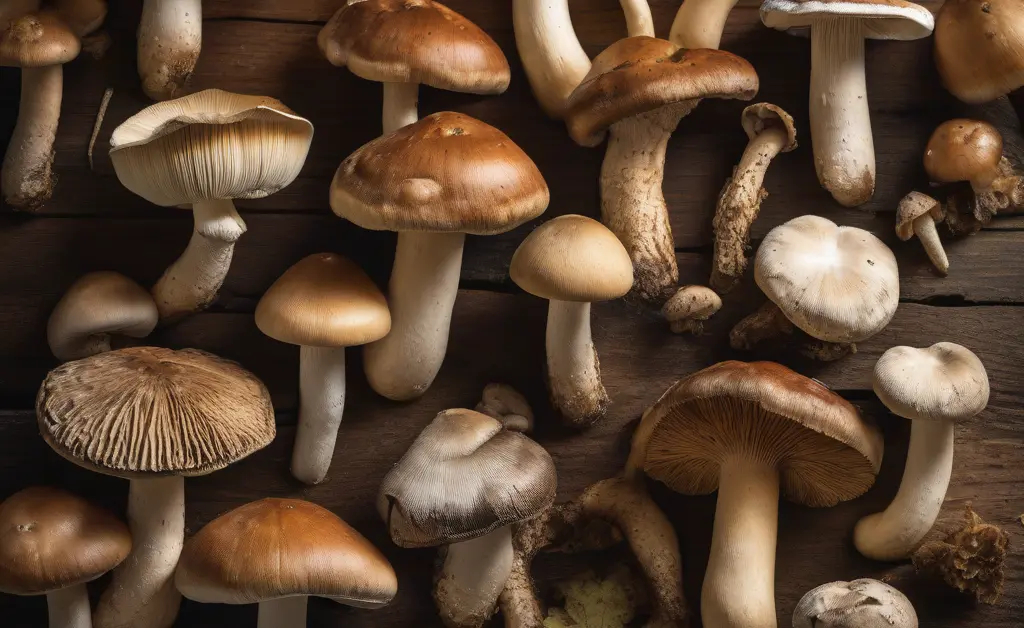
While chanterelles are relatively distinctive, several other fungi can be mistaken for them. These look-alikes range from unpalatable to dangerously toxic, making the ability to differentiate them a non-negotiable skill for safe foraging. Learning the key differences is a fundamental part of the journey to becoming a confident forager.
The Importance of Proper Identification
There is no room for error when foraging for wild mushrooms. A misidentification can have serious consequences. The rule for every forager, from novice to expert, is absolute: when in doubt, throw it out. Never consume a wild mushroom unless you are 100 percent certain of its identity. It is highly recommended to cross-reference your findings with multiple reliable field guides, consult with local mycological societies, or find an experienced mentor to verify your first few discoveries. Proper identification ensures that your foraging experience is a safe and rewarding one. For comprehensive guidance on food safety, including wild foods, organizations like the European Food Safety Authority (EFSA) provide essential information and guidelines.
Distinguishing from Common Look-alikes
Two of the most common chanterelle look-alikes are the Jack-o’-Lantern mushroom and the false chanterelle. The Jack-o’-Lantern is toxic and can cause severe gastrointestinal distress. It can be distinguished by its growth habit—it grows in large, dense clusters on wood, stumps, or buried roots, not scattered on the soil. Furthermore, it has true, sharp, non-forked gills, unlike the blunt ridges of a chanterelle. The false chanterelle is not considered dangerously toxic but is unpalatable. It has a more defined cap and true gills that are a deeper orange and can be easily separated from the cap. Its flesh is also thinner and less firm than a true chanterelle’s solid, white flesh.
Foraging Chanterelle Mushrooms
Foraging for chanterelles is a rewarding activity that connects you with nature and provides a delicious, wild ingredient for your kitchen. Success depends not only on finding the mushrooms but also on harvesting them responsibly and safely. A mindful approach ensures the long-term health of the mushroom patch and the safety of the forager. The peak of the `chanterelle mushroom season` is the ideal time to put your identification skills to the test, but safety precautions should always be the top priority.
Key Identification Features for Foraging
When in the field, it is useful to have a mental checklist for identifying chanterelles. First, confirm the presence of false gills—the forked, blunt ridges running down the stem. Second, verify the growth habit; they should be growing from the soil, not on wood, and are usually found scattered rather than in tight clumps. Third, examine the color, which should be a relatively uniform golden-yellow, and note the solid, pale flesh inside. Finally, take a moment to check for the subtle, fruity aroma reminiscent of apricots. Confirming all these features together provides strong evidence for a positive identification.
Essential Safety Precautions
Safety in foraging extends beyond just correct identification. Always be aware of your surroundings and be prepared for changing weather conditions. It is wise to forage in areas you are familiar with and to let someone know your plans. When harvesting, use a knife to cut the mushroom at the base of the stem or gently twist it from the soil to minimize disturbance to the mycelium underground. Use a mesh bag or a basket for collection, as this allows spores to disperse as you walk, potentially helping to propagate the mushrooms for future seasons. Most importantly, never consume any wild mushroom raw, and always cook chanterelles thoroughly before eating.
Understanding the chanterelle mushroom season is the first step toward a successful hunt for these golden treasures. The timing is dictated by a delicate interplay of rain, warmth, and humidity, which awakens the forest floor. Once you find them, confident identification is paramount. By carefully examining their unique false gills, color, shape, and growth habitat, you can distinguish them from potentially harmful look-alikes. Foraging responsibly, with a deep respect for safety and the natural environment, ensures that the joy of discovering chanterelles can be a sustainable and rewarding pursuit for years to come.
This information should be viewed as educational rather than medical advice. The content in this article is for informational purposes only and is not intended to be a substitute for professional guidance. Foraging for wild mushrooms carries inherent risks, and misidentification can lead to poisoning. Always consult with a local expert or mycological society to confirm the identity of any wild mushroom before consumption.
FAQ
What time of year is chanterelle season?
Chanterelle mushroom season generally runs from late spring through fall, with peak abundance often occurring in the summer months depending on regional rainfall and temperature. The specific timing can vary significantly based on geographic location and prevailing weather patterns, making it a dynamic foraging period.
Where do chanterelle mushrooms typically grow?
Chanterelle mushrooms are mycorrhizal fungi, meaning they form symbiotic relationships with tree roots, and are therefore found in forested areas. They commonly grow under conifer and hardwood trees, preferring damp, mossy environments where they can receive adequate moisture.
Continue reading
You May Also Like
Your Guide to Chanterelle Mushroom Season in the UK
The chanterelle mushroom season UK typically runs from summer to late autumn, and this guide explains the prime habitats and foraging essentials.
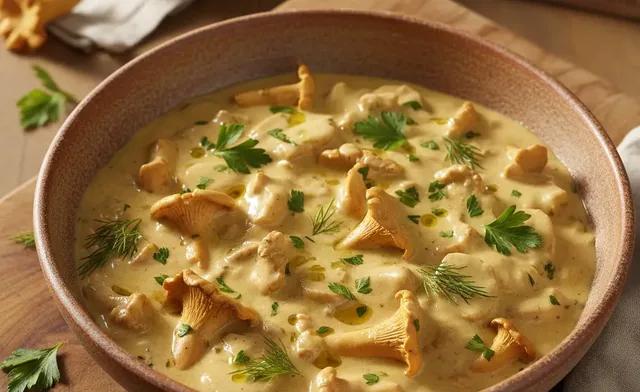
The Definitive Chanterelle Mushroom Sauce
Our chanterelle mushroom sauce recipe breaks down the technique for a perfectly creamy, emulsified sauce with a rich and earthy flavor.
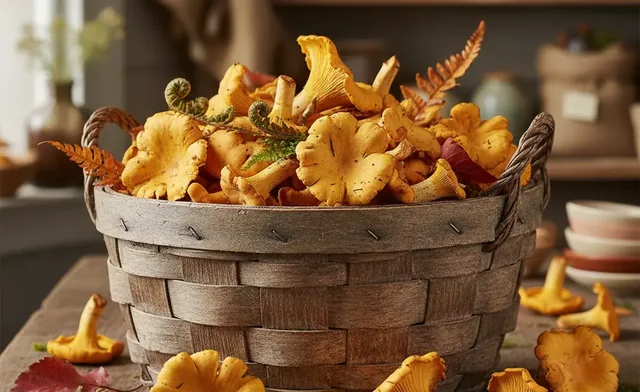
Your Source for Fresh Chanterelle Mushrooms
Buy chanterelle mushrooms picked fresh and shipped directly to your door with our freshness guarantee, ready for your favorite culinary dishes.