
Chanterelles in Polish Cooking: A Culinary Tradition
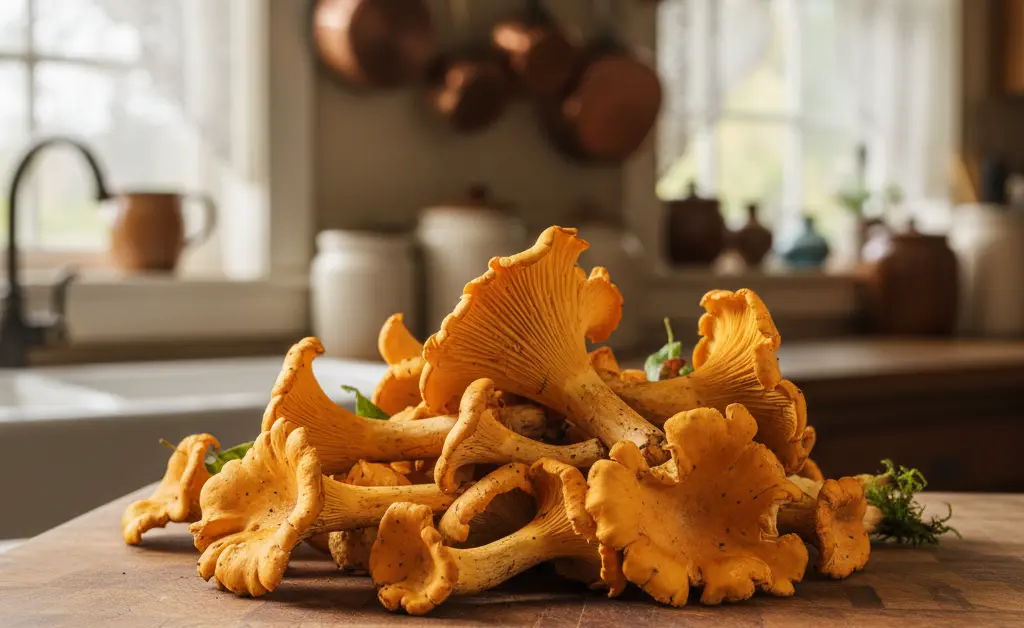
Many home cooks and culinary enthusiasts eagerly anticipate the arrival of certain seasonal ingredients, and for a significant portion of Polish cuisine, this means the appearance of golden chanterelle mushrooms. These vibrant fungi hold a special place in the hearts and kitchens of many, deeply woven into the fabric of Polish culinary traditions and foraging practices. Their unique, slightly peppery aroma and delicate, almost fruity flavor make them a sought-after delicacy, especially during the warmer months when they are most abundant. Understanding their role provides a fascinating glimpse into the rich gastronomic heritage of Poland, where nature’s bounty is celebrated with reverence and creativity.
Chanterelle Mushrooms in Polish Cuisine and Tradition
The connection between the Polish people and their forests is profound, and nothing exemplifies this better than the annual hunt for wild mushrooms. Among the most prized finds are chanterelles, whose golden hue brings a touch of sunshine to many traditional dishes. Their presence on the dinner table signifies more than just a meal; it represents a connection to nature, a cherished family activity, and the celebration of a fleeting season. The cultural practice surrounding chanterelle mushrooms in polish life is a testament to a deep-seated respect for nature’s gifts and the simple joys of foraging.
The Significance of ‘Kurki’ in Polish Cuisine
In Poland, chanterelle mushrooms are affectionately known as ‘kurki’. This name is synonymous with summer and early autumn feasts. Their significance extends beyond their delightful taste; they are a cultural icon. For generations, the act of picking, cleaning, and cooking kurki has been a shared family experience. They are often the star ingredient in Sunday dinners or special gatherings, transforming simple meals into memorable occasions. Their unique peppery flavor and firm texture hold up well in cooking, making them versatile enough for sauces, scrambled eggs, pierogi fillings, or simply sautéed in butter. If you are looking to purchase these mushrooms, you can buy chanterelle mushrooms.
Chanterelle Mushrooms Blooming in Poland
The chanterelle season, or ‘wysyp kurek’, is eagerly awaited and typically runs from early summer through the autumn, peaking in July and August. Their appearance is heavily dependent on weather conditions, with warm and damp weather following rainfall creating the perfect environment for them to flourish. They grow in both deciduous and coniferous forests, often found nestled in mossy patches or near birch and spruce trees. This seasonal availability makes them a true delicacy, enjoyed with great appreciation during their limited time.
Mushroom Picking (and Eating:) in Poland
Mushroom picking, known as ‘grzybobranie’, is a beloved national pastime in Poland. It is a quiet, meditative activity that allows people to connect with the forest. Families often have their own secret spots, passed down through generations. The hunt for kurki is particularly rewarding due to their vibrant color, which makes them easier to spot against the forest floor. The satisfaction of a successful forage is matched only by the pleasure of returning home to cook the fresh harvest, filling the kitchen with their unmistakable earthy and aromatic scent.
Where to Find Chanterelles in Poland
While dedicated foragers keep their locations secret, chanterelles generally prefer well-established forests with plenty of moss and leaf litter. They thrive in acidic soil and are commonly associated with pine, spruce, and birch groves. For those who do not partake in foraging, fresh chanterelles are readily available during the season at local farmers’ markets (‘targ’ or ‘targowisko’) across the country. These market stalls are often piled high with the golden fungi, brought in daily by local pickers, ensuring everyone has a chance to enjoy this seasonal treat. Some may even find them at larger retailers, as chanterelle mushrooms costco might carry them seasonally.
How to Eat Chanterelle Mushrooms in Polish
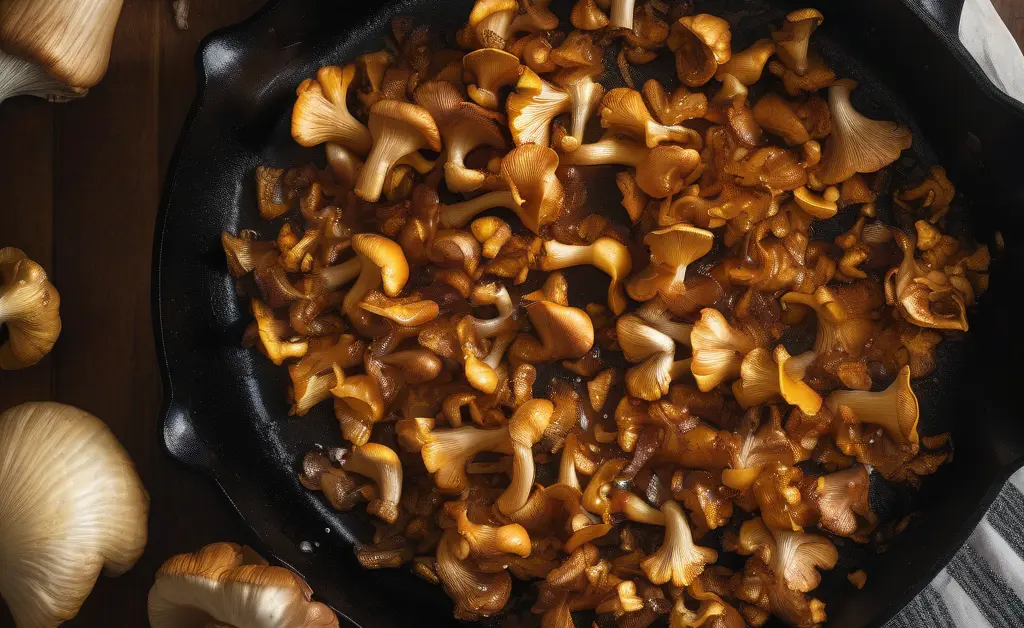
Preparing chanterelles is a ritual in itself. Due to their delicate structure and the fact they grow low to the ground, they often require careful cleaning to remove soil and forest debris. Many purists advocate for using a soft brush and a small knife to gently clean each mushroom, avoiding water which can make them soggy. However, a quick rinse is sometimes necessary for particularly dirty specimens; the key is to dry them thoroughly afterward. The classic way to prepare chanterelle mushrooms in polish households is to sauté them simply in butter with finely chopped onion. This method allows their unique peppery and slightly fruity flavor to shine through, creating a versatile base that can be enjoyed on its own or incorporated into more complex dishes.
Chanterelle Mushrooms in Polish Recipe
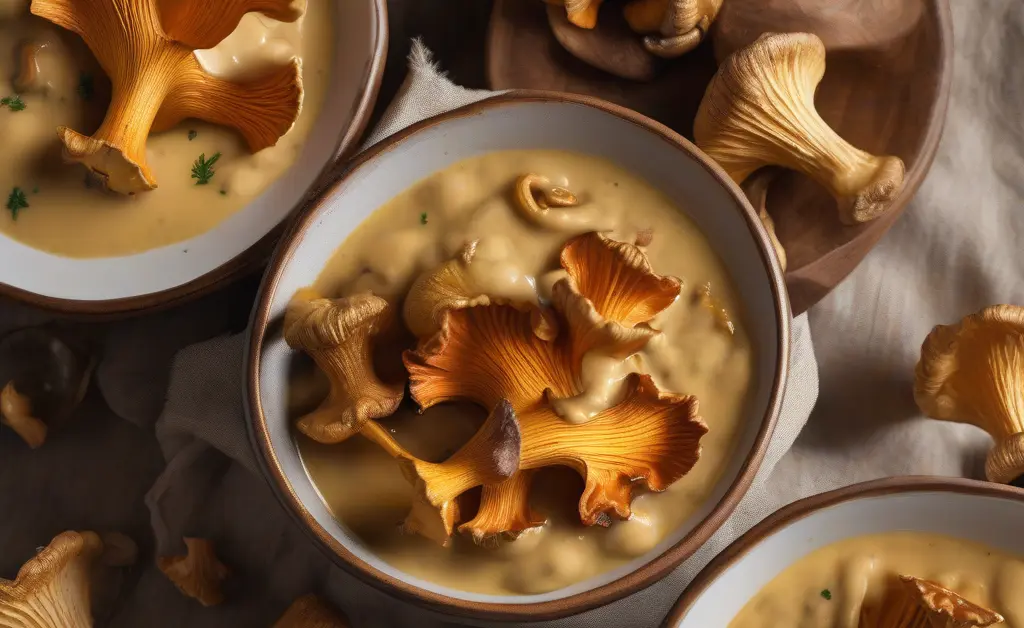
One of the most emblematic Polish dishes featuring chanterelles is a rich, creamy sauce. This versatile preparation can be served in numerous ways and perfectly encapsulates the comforting nature of Polish home cooking. A truly classic chanterelle mushrooms in polish recipe celebrates simplicity and the quality of the main ingredient. For those who prefer them dried, dried chanterelle mushrooms can also be a great option, especially out of season.
The typical list of ingredients is refreshingly short, emphasizing the mushroom’s natural flavor. It usually includes fresh chanterelles, butter, a finely chopped onion, heavy cream or sour cream, and fresh dill or parsley for garnish. Some variations may also incorporate a splash of white wine to deglaze the pan and add a layer of acidity.
The preparation traditionally begins by melting butter in a pan and gently sweating the onion until it becomes soft and translucent. The cleaned chanterelles are then added and cooked until they release their water and begin to brown slightly. At this stage, cream is stirred in and the mixture is left to simmer gently until it thickens into a luscious sauce. It’s seasoned simply with salt and pepper, allowing the chanterelle’s distinct taste to remain the star. For a heartier meal, pieces of sautéed pork tenderloin or chicken are often added to the sauce.
Serving Suggestions
The beauty of the Polish chanterelle sauce lies in its versatility. There are many delightful ways to serve a dish of chanterelle mushrooms in polish cuisine, with pairings that range from simple to hearty. The choice of accompaniment often depends on tradition and personal preference, but the goal is always to complement the rich, earthy flavor of the mushrooms.
A favorite and traditional way to enjoy chanterelle sauce is ladled over freshly boiled new potatoes, sprinkled with dill. This simple combination is a hallmark of Polish summer cooking. Another popular choice is to serve it with various types of dumplings, such as ‘kopytka’ (small, hoof-shaped potato dumplings) or ‘kluski śląskie’ (Silesian dumplings with a characteristic dimple), which are perfect for soaking up the creamy sauce. Buckwheat groats (‘kasza gryczana’) also provide a wonderful nutty contrast. For a simpler meal, the sauce is delicious when served over toast or with a side of crusty bread for dipping. It is interesting to note that chanterelles are also enjoyed in other European cuisines, such as chanterelle mushrooms in Italian cooking.
Chanterelles are an integral part of Poland’s culinary identity, representing the deep connection between the land and its people. From the cherished tradition of mushroom picking in the quiet of the forest to the communal joy of a shared meal, these golden fungi are more than just an ingredient—they are a taste of summer, a symbol of family, and a celebration of nature’s simple, seasonal gifts. Their unique flavor and versatility ensure their place on Polish tables for generations to come. Regulations regarding food safety in Europe are overseen by bodies such as the EFSA.
The information in this article is intended for knowledge purposes only. It is not a substitute for professional advice and should not be used for mushroom identification. Foraging for wild mushrooms can be dangerous, and consuming a misidentified fungus may cause serious harm. Always consult with an experienced local expert or a certified mycologist before picking and consuming any wild mushrooms. This content does not provide medical or dietary advice.
FAQ
What are chanterelle mushrooms called in Polish?
Chanterelle mushrooms are called kurki in Polish. This term specifically refers to the golden chanterelle, a widely recognized and prized edible mushroom.
Continue reading
You May Also Like
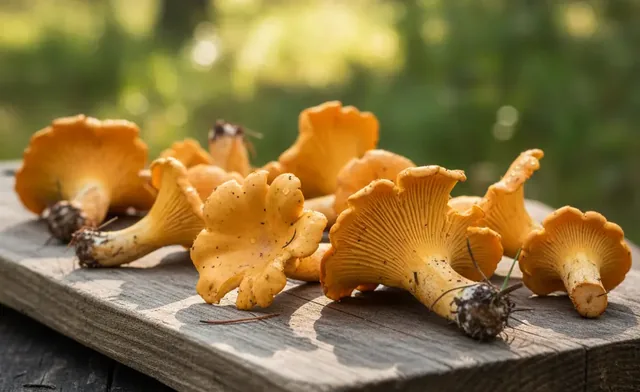
Sourcing and Cooking Chanterelles in New Zealand
This complete guide to chanterelle mushrooms New Zealand covers how to buy the best dried varieties and use them in delicious, easy recipes.
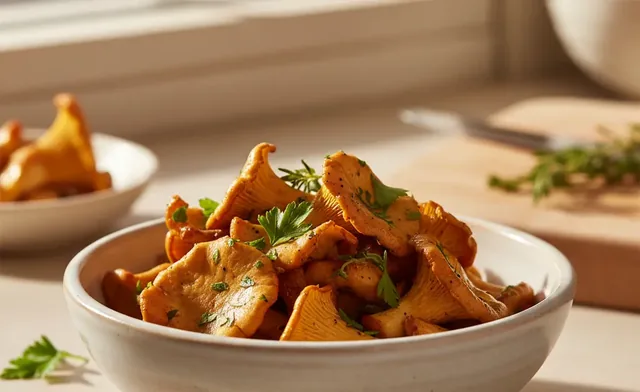
The Perfect Recipe for Air Fryer Chanterelles
This simple chanterelle mushroom air fryer recipe delivers perfectly crispy, golden results with our easy-to-follow, step-by-step guide.
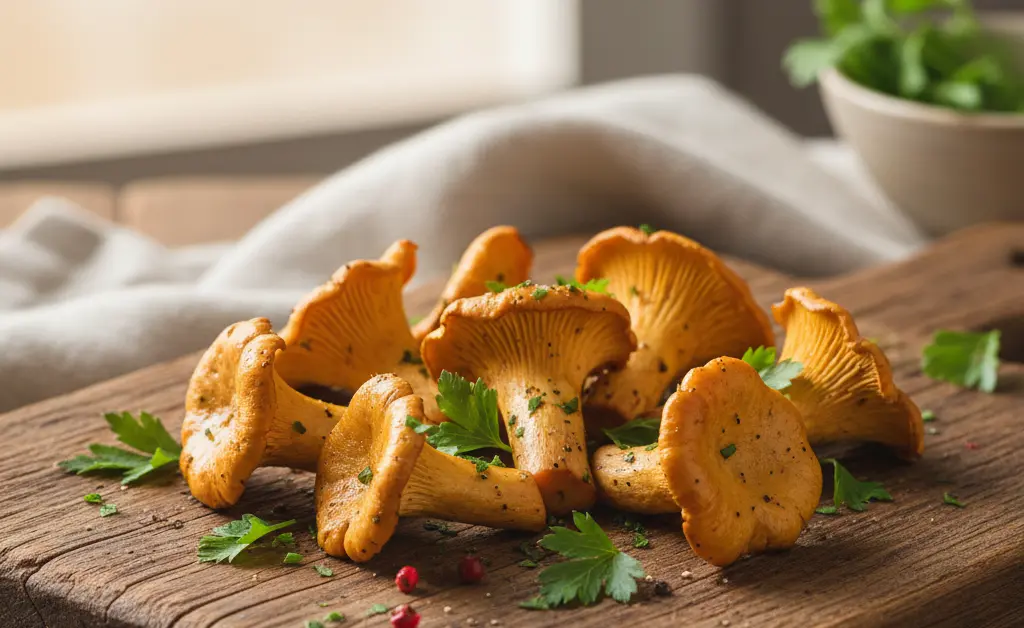
The Perfect Recipe for Air Fryer Chanterelles
This simple chanterelle mushroom air fryer recipe delivers perfectly crispy, golden results with our easy-to-follow, step-by-step guide.