
The Taste of Cremini Mushrooms Explained
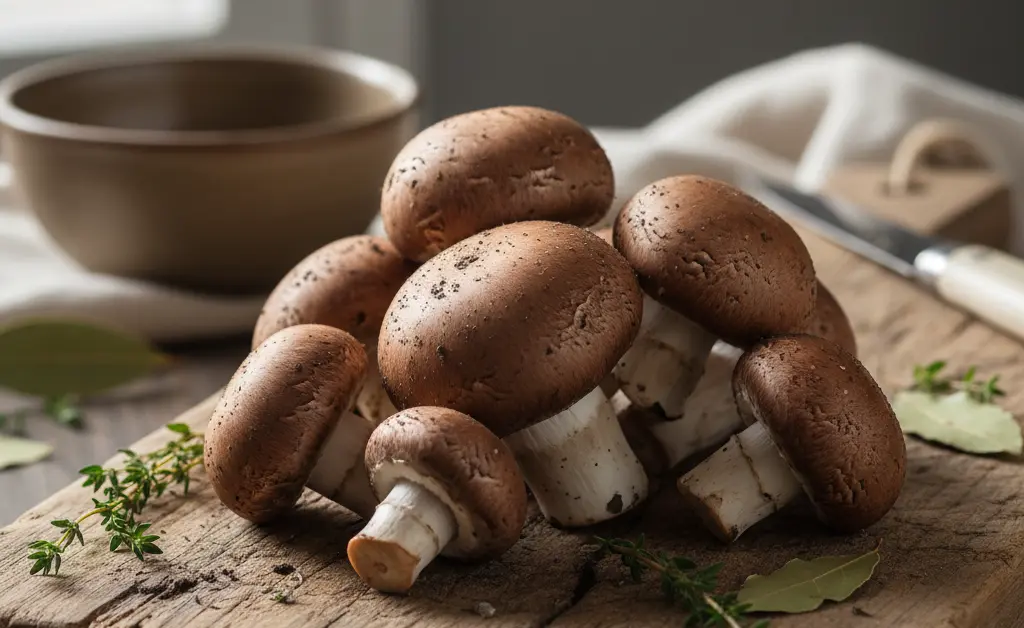
It’s a common oversight to group all brown mushrooms under one broad flavor profile, or to assume that cremini mushrooms are simply smaller versions of portobellos with an identical taste. While visually similar to both white button mushrooms (before they fully mature) and smaller portobellos, the culinary reality of cremini mushrooms offers a distinctly nuanced experience. Dismissing their unique qualities would be missing out on a versatile ingredient. This article delves into the specific characteristics that define the cremini mushroom taste, exploring how its earthy, umami-rich notes set it apart and contribute depth to various dishes. We will uncover the subtle differences and explore the factors that shape its appealing flavor profile, ensuring you appreciate its full potential.
Understanding Cremini Mushroom Flavor
The distinctive cremini mushroom taste is often described as an appealing balance between the mildness of a white button mushroom and the deeper, meatier notes of a portobello. These mushrooms, also known as baby bellas, offer a more robust flavor profile than their younger, white counterparts, making them a popular choice for a wide array of culinary applications. Their flavor is complex yet approachable, adding a layer of sophistication to both simple and elaborate dishes.
What Does a Cremini Mushroom Taste Like?
A cremini mushroom delivers a more pronounced and savory flavor than a standard white button mushroom. Its texture is also firmer, which contributes to a more satisfying mouthfeel when cooked. The cremini mushroom taste can be characterized by its earthy undertones, often accompanied by rich umami qualities that develop further when cooked. This combination creates a well-rounded and versatile flavor that stands up well in various preparations, from light sautés to hearty stews.
The Earthy Notes of Cremini
The earthy notes are a foundational component of the cremini mushroom taste. These arise from organic compounds absorbed from the growing medium, giving the mushroom a grounding, natural essence reminiscent of rich forest soil. This earthiness is not overpowering but rather provides a subtle backdrop that enhances other flavors in a dish. When sautéd or roasted, these earthy qualities become more concentrated and noticeable, contributing significantly to the overall depth of flavor.
Umami Characteristics
Umami, often referred to as the fifth taste, is a prominent characteristic of the cremini mushroom taste. This savory depth is largely due to the presence of natural glutamates. When you taste umami, it often manifests as a pleasant, savory flavor that spreads across the tongue, enhancing the deliciousness of other ingredients. In cremini mushrooms, this umami quality deepens during cooking, especially through browning, which makes them excellent for enriching sauces, broths, and meat dishes, providing a satisfying, full-bodied experience. Learn more about what is a cremini mushroom.
Comparing Cremini Mushroom Taste
To truly appreciate the cremini mushroom taste, it’s helpful to compare it with its closest relatives: white button mushrooms and portobello mushrooms. White button mushrooms, which are simply younger creminis, have a milder flavor and a more delicate texture. Their taste is subtle, often described as fresh and slightly sweet, making them suitable for dishes where a strong mushroom flavor is not desired. The cremini, being slightly more mature, develops a firmer texture and a more concentrated, savory flavor, carrying more earthy and umami notes than its younger self.
On the other end of the spectrum are portobello mushrooms, which are fully mature creminis. These large mushrooms boast an intensely deep, meaty flavor and a very robust, dense texture. While the cremini mushroom taste shares some characteristics with the portobello, it is generally less intense, offering a happy medium. Creminis provide a satisfying mushroom flavor without overwhelming other ingredients, making them highly versatile for a broader range of recipes than the very strong portobello.
Factors Influencing Cremini Mushroom Taste
Several factors can significantly impact the cremini mushroom taste, from its stage of development to how it’s stored and prepared. Understanding these influences can help optimize flavor in your culinary creations. The maturity and ripeness of the mushroom play a crucial role; as creminis mature into portobellos, their flavor deepens and becomes more intense. Younger creminis will have a slightly milder profile compared to those closer to full maturity.
Growing conditions also contribute to the flavor profile. Mushrooms absorb nutrients and flavors from their substrate, so variations in soil composition or growing methods can subtly alter the cremini mushroom taste. For instance, mushrooms grown in richer, more nutrient-dense environments may develop a more pronounced earthy flavor. Furthermore, freshness is paramount. Mushrooms that are just harvested will have the most vibrant and defined flavor. As they age, their moisture content can change, and some of their volatile aromatic compounds may diminish, leading to a less intense flavor. Proper storage can help maintain their quality and preserve their optimal taste for longer.
Enhancing the Taste of Cremini Mushrooms
Maximizing the cremini mushroom taste involves thoughtful cooking methods and strategic pairings. Different cooking techniques can bring out distinct aspects of their flavor. Sautéing cremini mushrooms in a hot pan allows their natural sugars to caramelize, intensifying their umami and savory notes. Roasting them at a higher temperature can achieve a similar effect, often resulting in a slightly crisper texture and a deeper, more concentrated flavor.
The culinary applications for cremini mushrooms are vast. They are excellent in pasta dishes, where their earthy flavor can complement rich sauces, and their firm texture adds substance. When used in soups and stews, creminis contribute significant depth and a hearty quality to the broth. For specific preparations, consider sautéed cremini mushrooms with garlic and fresh herbs for a simple yet flavorful side dish. Roasted cremini mushrooms, perhaps with a drizzle of olive oil and a sprinkle of salt and pepper, make a fantastic addition to salads or as a topping for pizzas. Pairing with herbs and spices like thyme, rosemary, or parsley can further elevate the cremini mushroom taste, as these aromatics harmonize beautifully with its natural earthiness. Additionally, using cremini in sauces and stocks can create a rich, savory base that enhances the overall flavor of many dishes. The scientific name for this versatile fungi is often noted for classification purposes. cremini mushroom scientific name.
The cremini mushroom offers a unique and desirable flavor profile that is both versatile and deeply satisfying. Its balance of earthy and umami notes sets it apart, providing a more robust taste than white button mushrooms but a less overpowering one than portobellos. By understanding the factors that influence its flavor and employing appropriate cooking techniques, you can fully harness the potential of this delightful fungi, elevating a wide range of dishes with its distinctive character. This type of mushroom is widely cultivated and appreciated. The proper pronunciation is also key for culinary discussions.
The information in this article is intended for knowledge purposes only. It is not a substitute for professional advice. Always consult with a qualified professional for personalized guidance regarding health or dietary matters. This content is for general information and should not be used for diagnosing or treating any health condition.
FAQ
What is the difference in taste between cremini and button mushrooms?
Cremini mushrooms offer a more robust and earthy flavor profile compared to the milder, more delicate taste of white button mushrooms. This difference stems from their slightly more mature growth stage, allowing their inherent flavors to deepen. The texture also tends to be firmer and meatier, contributing to a more satisfying culinary experience.
Are cremini mushrooms more flavorful than white mushrooms?
Yes, cremini mushrooms are generally considered more flavorful than white button mushrooms. As creminis mature, their flavor intensifies, becoming richer and earthier. White mushrooms, being harvested at an earlier stage, have a subtler taste that is often described as neutral.
What do cremini mushrooms taste like compared to portobellos?
While both cremini and portobello mushrooms belong to the same species, portobellos, being fully mature creminis, have a more intense and meaty flavor. Cremini mushrooms possess a delightful umami richness with earthy undertones, whereas portobellos exhibit a deeper, more concentrated taste with a distinctly smoky quality when cooked. The cremini mushroom taste is a pleasant balance that bridges the gap between the milder white mushroom and the robust portobello.
How to bring out the best flavor in cremini mushrooms?
To enhance the rich, earthy notes of cremini mushrooms, searing them at a high temperature is an effective method. This process allows them to caramelize, developing a complex, savory flavor and a tender yet slightly crisp texture. Sautéing with garlic and herbs also beautifully complements their natural taste, infusing them with aromatic complexity.
Continue reading
You May Also Like
The Hindi Name for Cremini Mushrooms Explained
The common name for a cremini mushroom in hindi is often just 'button mushroom' or 'chatri', as it is a more mature version of the same.
Understanding Cremini Mushrooms on a Keto Diet
For anyone asking are cremini mushrooms keto friendly, this guide provides a clear nutritional breakdown, showing their low net carbs.
Button vs. Cremini: A Guide to Flavor and Use
Choose the right mushroom for your dish with this clear comparison of button mushroom vs cremini, detailing the key differences in flavor and use.