
The Culinary Mushroom Behind Reports of Hallucinations

Mushrooms are a diverse group of fungi, many of which are enjoyed in kitchens worldwide. While most varieties are harmless and add unique flavors to dishes, some possess unexpected properties that extend beyond their nutritional value. Recently, there has been increasing interest in a specific culinary mushroom causing hallucinations, highlighting a lesser-known aspect of fungal consumption. This article aims to explore the identity of such fungi and delve into the psychedelic effects they can induce. We will examine how certain seemingly innocuous ingredients can lead to altered perceptions and unusual experiences, moving beyond their typical role in gastronomy to uncover their psychoactive potential.
Culinary Mushroom Causing Hallucinations
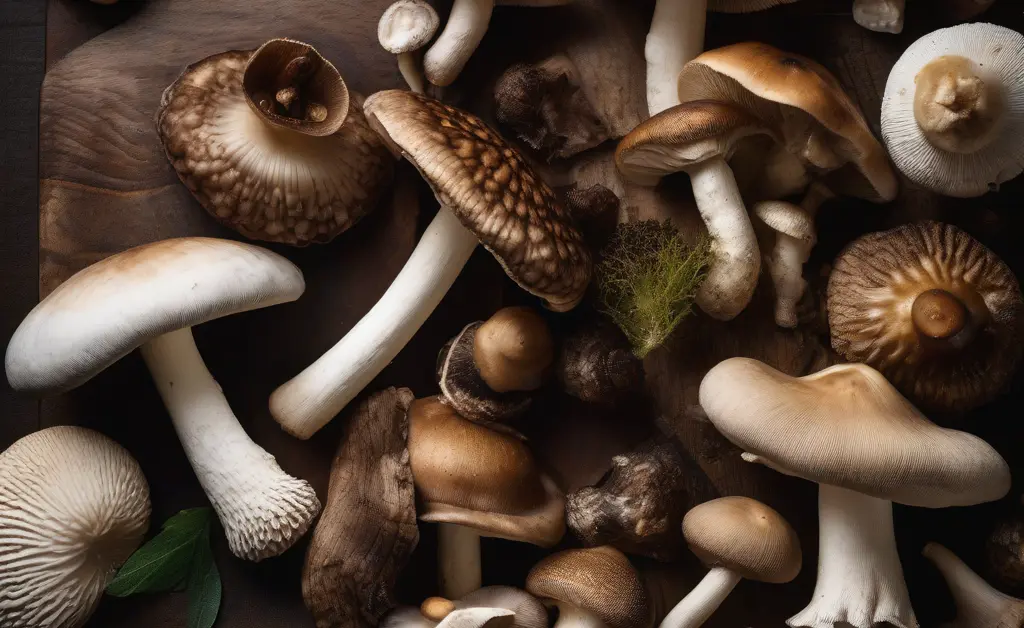
The concept of a culinary mushroom causing hallucinations might seem contradictory, as food is typically associated with nourishment and pleasure rather than altered states of consciousness. However, the fungal kingdom is vast and complex, containing species with a wide range of biochemical properties. Some mushrooms, even those traditionally consumed in certain regions, contain compounds that can induce significant changes in perception, mood, and thought processes. This phenomenon underscores the importance of accurate identification and understanding the full spectrum of effects that fungi can have.
Lanmaoa Asiatica: A Hallucinogenic Culinary Mushroom
Among the various fungi, Lanmaoa asiatica, often referred to by its common name Jian Shou Qing, stands out as a culinary mushroom known for its unique psychoactive properties. This specific species has gained notoriety not only for its distinct appearance and taste when cooked but also for the unusual effects it can produce if not prepared correctly. Historically, certain communities have been aware of its potential to cause temporary perceptual disturbances, sometimes described as Lilliputian hallucinations, where individuals report seeing tiny figures or objects. Understanding the factors contributing to these effects is crucial for anyone interested in the broader world of fungi and their impact.
The Psychedelic Effect of Certain Culinary Mushrooms
The psychedelic effects attributed to certain culinary mushrooms, including Lanmaoa asiatica, are primarily due to specific naturally occurring compounds within their tissues. These compounds, when ingested, interact with various systems in the body, particularly affecting neurological pathways. Unlike well-known hallucinogenic mushrooms that are rarely considered “culinary,” species like Jian Shou Qing are traditionally collected for food. However, their psychoactive potential highlights a fascinating intersection between gastronomy and ethnobotany. The experience of these psychedelic effects can range from mild perceptual distortions to more pronounced visual and auditory changes, often influenced by individual sensitivity and the amount consumed.
What is the Mushroom That Causes Hallucinations?
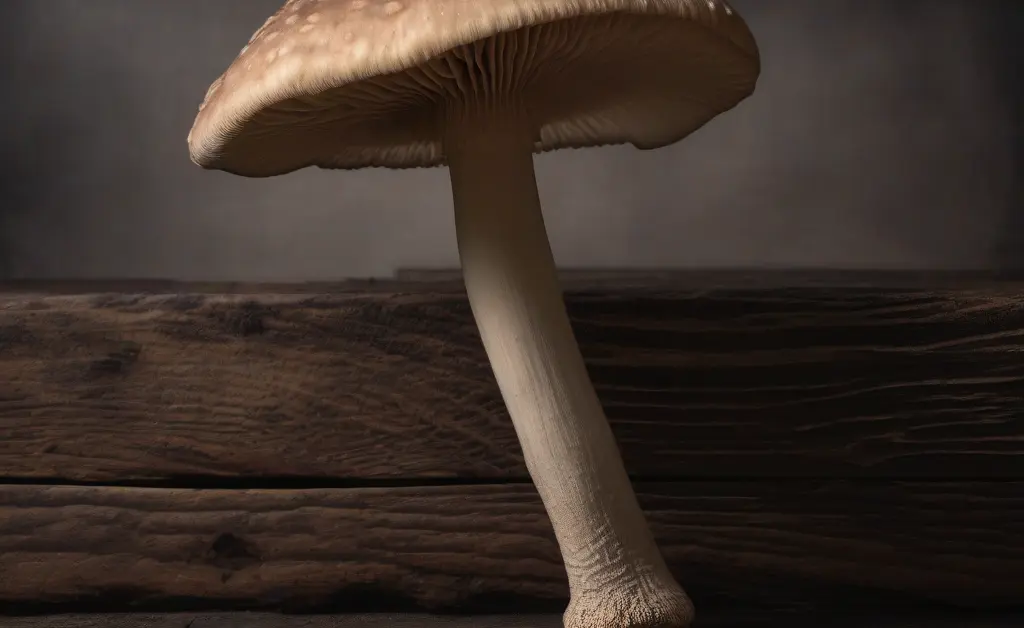
Identifying the precise mushroom that causes hallucinations within a culinary context requires careful attention to detail and an understanding of regional fungal traditions. While many mushrooms are edible and safe, a few possess psychoactive compounds that can lead to unexpected experiences. The primary focus for a culinary mushroom causing hallucinations often turns to species like Lanmaoa asiatica, which has been linked to such reports. Its presence in traditional cuisine, coupled with its ability to induce altered states, makes it a subject of considerable interest and caution.
Lanmaoa Asiatica: A Hallucinogenic Culinary Mushroom
Lanmaoa asiatica, also known as Jian Shou Qing, is the primary species associated with culinary-induced hallucinations. This mushroom is characterized by its distinctive appearance, including a brownish cap and a stipe that bruises blue upon handling, a common indicator of certain compounds. It is primarily found in specific regions where it has been traditionally gathered for food. However, reports suggest that inadequate cooking or consumption in certain quantities can lead to its psychoactive effects. The discovery and history of this mushroom’s psychoactive properties are deeply intertwined with local knowledge and traditional practices concerning its preparation and consumption. Differentiating it from non-psychoactive look-alikes requires expert knowledge of its key features, habitat, and growing conditions.
The Psychedelic Effect of Certain Culinary Mushrooms
The psychedelic effect associated with mushrooms like Lanmaoa asiatica can manifest in various ways. Individuals may experience visual hallucinations, which can include seeing patterns, colors, or objects that are not present, sometimes described as the “tiny people” phenomenon or Lilliputian hallucinations. Auditory hallucinations, such as hearing sounds or voices, may also occur. Beyond visual and auditory distortions, other perceptual changes can involve alterations in the sense of touch, time, or spatial awareness. The duration of these effects can vary, potentially lasting for several hours. While generally considered temporary, potential side effects may include feelings of anxiety, confusion, or gastrointestinal discomfort. For health-related advice and information, resources like the NHS provide reliable guidance. This raises the critical question: Can eating the wrong mushroom cause hallucinations? The answer is definitively yes, and the risk of misidentification with non-psychoactive species underscores the importance of expert knowledge when foraging or consuming wild fungi.
In conclusion, while the vast majority of culinary mushrooms offer delightful flavors and nutritional benefits, a select few possess psychoactive properties that can lead to unexpected and sometimes profound altered perceptions. Species like Lanmaoa asiatica, known by some as Jian Shou Qing, serve as a compelling example of a culinary mushroom causing hallucinations, highlighting the intricate relationship between nature, food, and human experience. The potential for such effects underscores the paramount importance of precise identification and careful preparation when consuming wild fungi to ensure safety and avoid unintended psychoactive outcomes.
The content presented here is not a substitute for professional medical guidance. It is for informational purposes only and does not offer medical advice, diagnosis, or treatment. Always consult with a qualified healthcare professional for any health concerns or before making any decisions related to your health or well-being. This information should not be used to self-diagnose or self-treat any health condition.
FAQ
What mushroom causes visual hallucinations?
Certain species of Psilocybe mushrooms contain psilocybin, a compound that the body converts into psilocin. Psilocin interacts with serotonin receptors in the brain, which is responsible for the profound sensory and perceptual alterations, including visual hallucinations, that are characteristic of their effects. These mushrooms are often referred to as “magic mushrooms.”
Which mushroom causes hallucinations?
Hallucinations are primarily associated with mushrooms containing psychoactive compounds like psilocybin and psilocin, most notably species within the Psilocybe genus. These naturally occurring compounds interact with neurotransmitter systems in the brain to produce altered states of consciousness and sensory experiences.