
The Forager’s Guide to East Texas’ Edible Mushrooms
Finding delicious ingredients in nature is a practice many enjoy. East Texas, with its varied ecosystems, offers a unique opportunity for those interested in foraging. This region’s humid climate and diverse woodlands create ideal conditions for a variety of fungi to thrive throughout the year. Understanding which species are safe to consume requires careful identification and knowledge of local habitats. This guide explores the fascinating world of edible mushrooms East Texas has to offer, detailing common species, their distinguishing characteristics, and tips for responsible foraging. It aims to provide essential information for enthusiasts looking to discover the culinary treasures growing in the wild, ensuring a safe and rewarding experience for all.
Edible Mushroom Species Found in East Texas
East Texas is a hotspot for fungal diversity, and among its many species, several stand out as highly prized culinary delights. Identifying these edible mushrooms in East Texas requires careful attention to detail, but the reward is a unique gastronomic experience. While a full list of all edible varieties would be extensive, focusing on some of the most common and sought-after types can provide a great starting point for foragers. Beyond East Texas, many regions across the United States also offer a rich diversity of edible mushrooms USA foragers can explore.
Morels in East Texas
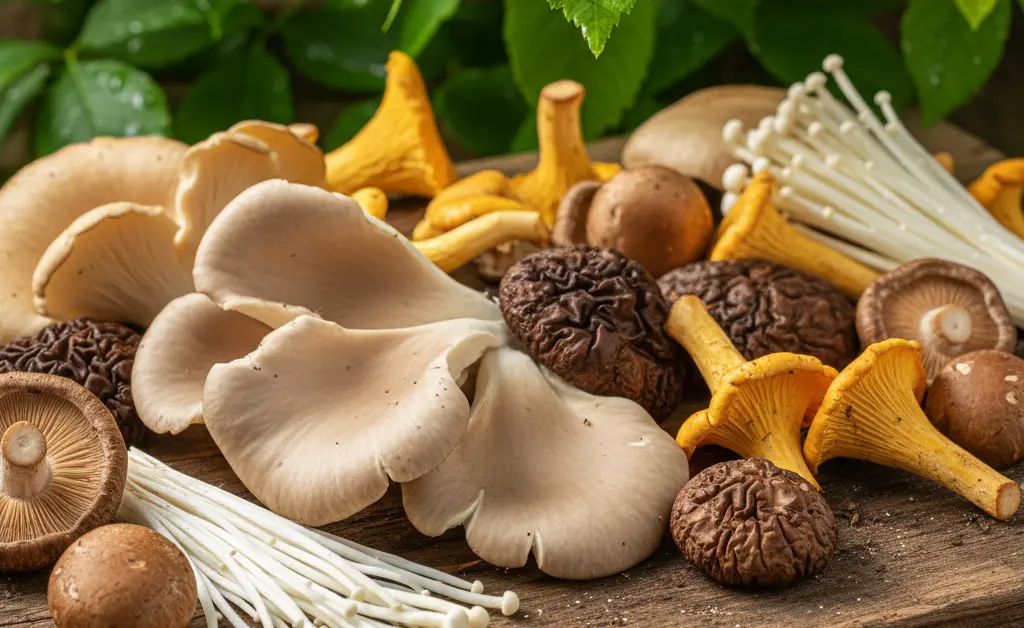
Morels are among the most celebrated fungi, known for their distinctive honeycomb appearance and earthy flavor. In East Texas, foragers often search for these elusive mushrooms in deciduous woodlands, particularly near dying elm trees, old apple orchards, or along riverbeds. They typically emerge in the spring, often after a warm rain, blending seamlessly with leaf litter on the forest floor. Proper identification is crucial due to potential look-alikes, though true Morels are characterized by a cap that is fully attached to the stem, forming a single, hollow chamber. Similar varieties and foraging tips apply to edible mushrooms Georgia offers in its diverse ecosystems.
Chanterelles in East Texas
Chanterelles are another favorite, recognized by their vibrant yellow to orange color, wavy cap margins, and blunt, forked gill-like ridges that run down the stem. Unlike true gilled mushrooms, Chanterelles have false gills that are part of the cap and stem structure. These fragrant fungi, often described as having a fruity or peppery aroma, are typically found from late spring through fall, growing on the ground in mossy areas under hardwoods like oaks. They rarely grow on wood and usually appear after periods of consistent rain. Foragers in other states, such as those seeking edible mushrooms Illinois has to offer, share similar challenges and rewards in identification.
Chicken of the Woods in East Texas
Also known as Sulfur Shelf, Chicken of the Woods is easily identifiable by its bright orange to yellow bracket-like clusters that grow on trees, both living and dead, primarily oaks. This mushroom has a distinctive texture and a flavor often compared to chicken or crab meat, making it a popular choice for vegetarians and meat-eaters alike. It lacks true gills, having pores on its underside instead. Foraging for Chicken of the Woods is best done when the fungus is young and tender, as older specimens can become tough and crumbly. The discovery of such unique species is a joy for foragers, much like finding diverse edible mushrooms California provides along its varied landscapes.
Oyster Mushrooms in East Texas
Oyster Mushrooms are a widespread and relatively easy-to-identify group of edible fungi. They are characterized by their oyster-shell shape, varying in color from white to gray or tan, and their broad, decurrent gills that run down a short or absent stem. These versatile mushrooms typically grow in shelf-like clusters on dead or dying hardwood trees, such as oaks and sweetgums, throughout much of the year, especially during cooler, wetter periods. Their mild flavor and tender texture make them a popular ingredient in many dishes.
Edible Mushrooms East Texas Identification
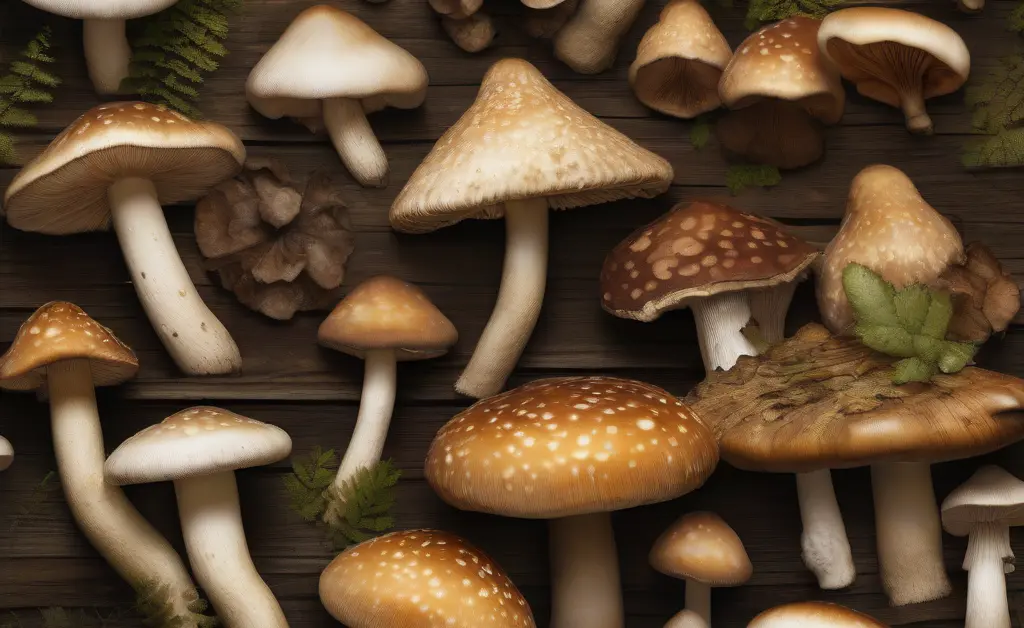
Accurate identification is paramount when foraging for edible mushrooms in East Texas. The region’s rich biodiversity means that alongside delicious culinary species, there are also poisonous look-alikes that can cause severe illness or worse. A responsible forager understands that there is no room for error. It’s essential to learn the specific characteristics of each desired species, paying close attention to features like cap shape, color, gill or pore structure, stem details, spore print, and growth habit. Consulting multiple reliable field guides, joining local mycological societies, and learning from experienced foragers are invaluable resources for mushroom identification. Never consume a mushroom unless you are 100% confident in its identity. The “Why Proper Identification is Essential” cannot be overstated, as “Common Edible vs. Poisonous Look-alikes” often require discerning subtle differences. Prioritizing “Safety and Identification: Crucial for Mushroom Foraging” ensures a rewarding and safe experience. For information on health and safety guidelines, resources from organizations like the WHO can be valuable.
When and Where to Find Edible Mushrooms in East Texas
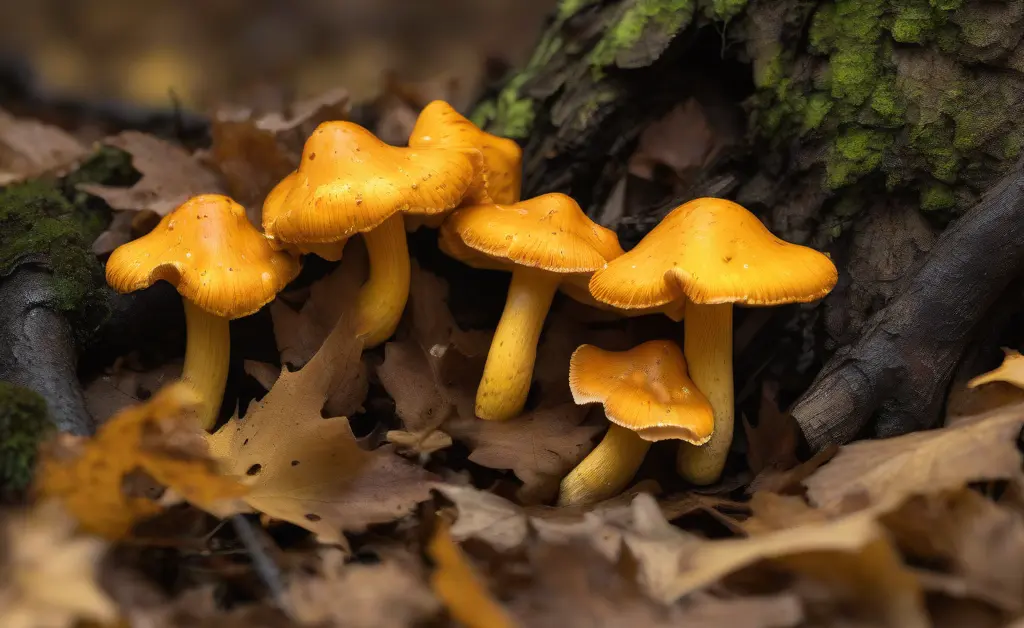
The timing and location for finding edible mushrooms in East Texas are heavily influenced by local climate and specific habitat requirements. Understanding the “Best Seasons for Foraging” is key; for example, Morels typically appear in spring, while Chanterelles are more common from summer through fall. The “Ideal Habitats and Growing Conditions” for many species include moist woodlands with plenty of decaying organic matter, particularly near specific tree types like oaks, elms, or sweetgums. Consistent rainfall followed by warm temperatures often triggers a flush of growth. When considering “Tips for Locating Mushrooms,” remember that fungi often have symbiotic relationships with certain trees, so knowing your trees can guide your search. They might also favor specific microclimates, such as the north side of a hill or areas near streams where humidity is higher. Patience, keen observation, and returning to productive spots are all part of successful foraging for edible mushrooms in East Texas.
Delicious Ways to Prepare East Texas Edible Mushrooms

Once you’ve safely identified and harvested edible mushrooms from East Texas, the culinary possibilities are extensive. Their unique textures and earthy flavors can elevate a wide range of dishes. For a simple and quick preparation, “Simple Sautéing Techniques” are often best: heat a pan with butter or oil, add chopped mushrooms, and cook until tender and slightly browned, seasoning with salt, pepper, and fresh herbs. Many wild mushrooms also excel when “Incorporating into Soups and Stews,” where their flavors can meld beautifully with other ingredients, adding depth and richness to broths and gravies. “Roasting and Grilling Mushrooms” can bring out their umami notes, creating a satisfying side dish or a hearty addition to a main course. Exploring “Mushroom Recipes from Local Cooks” can also provide inspiration, showcasing regional culinary traditions and innovative ways to enjoy these natural treasures. Remember to cook all wild mushrooms thoroughly before consumption.
The journey of foraging for edible mushrooms in East Texas is an enriching experience that connects individuals with nature and offers the reward of unique, fresh ingredients. By adhering to responsible foraging practices, prioritizing safety through rigorous identification, and understanding the ecological nuances of the region, enthusiasts can enjoy the delicious bounty that East Texas woodlands have to offer. This guide serves as a foundation for further exploration, encouraging continued learning and respect for the natural environment.
This information should be viewed as educational rather than medical advice. The content provided is for general knowledge and informational purposes only, and does not constitute medical advice, diagnosis, or treatment. Always consult with a qualified healthcare professional for any health concerns or before making any decisions related to your health or well-being. Consuming wild mushrooms carries inherent risks, and misidentification can lead to severe health consequences.
FAQ
What are the most common edible mushrooms in East Texas?
Commonly found edible species in the region include various oyster mushrooms, puffballs, and chicken of the woods. These fungi often thrive in specific environmental conditions, making them identifiable to experienced foragers. Understanding their preferred habitats is key to locating them.
When is the best time to find edible mushrooms in East Texas?
The peak season for mushroom foraging in East Texas generally occurs after periods of significant rainfall, typically in the spring and fall. These damp conditions encourage the growth and fruiting of many fungal species. Weather patterns significantly influence the availability of edible mushrooms throughout the year.
Where are the best spots for mushroom foraging in East Texas?
Ideal locations for finding edible mushrooms in East Texas include moist, wooded areas with plenty of decaying organic matter, such as fallen logs and leaf litter. Areas with a diverse range of tree species often support a greater variety of fungi. Exploring state parks and national forests can also yield successful foraging experiences.
How can I identify edible mushrooms in East Texas safely?
Accurate identification is paramount when foraging for edible mushrooms, requiring thorough research and often mentorship from experienced individuals. Learning the distinct features of edible species and understanding common look-alikes is crucial. Consulting multiple reliable field guides and cross-referencing information are essential safety practices.
What are some poisonous mushrooms to avoid in East Texas?
Several poisonous mushrooms inhabit East Texas, including species within the Amanita genus, such as the Destroying Angel and the Jack O’Lantern mushroom. It is vital to learn to distinguish these from edible varieties, as even a small amount can cause severe illness. Always err on the side of caution and never consume a mushroom unless you are 100% certain of its identity.