
A Beginner’s Guide to Edible Mushrooms
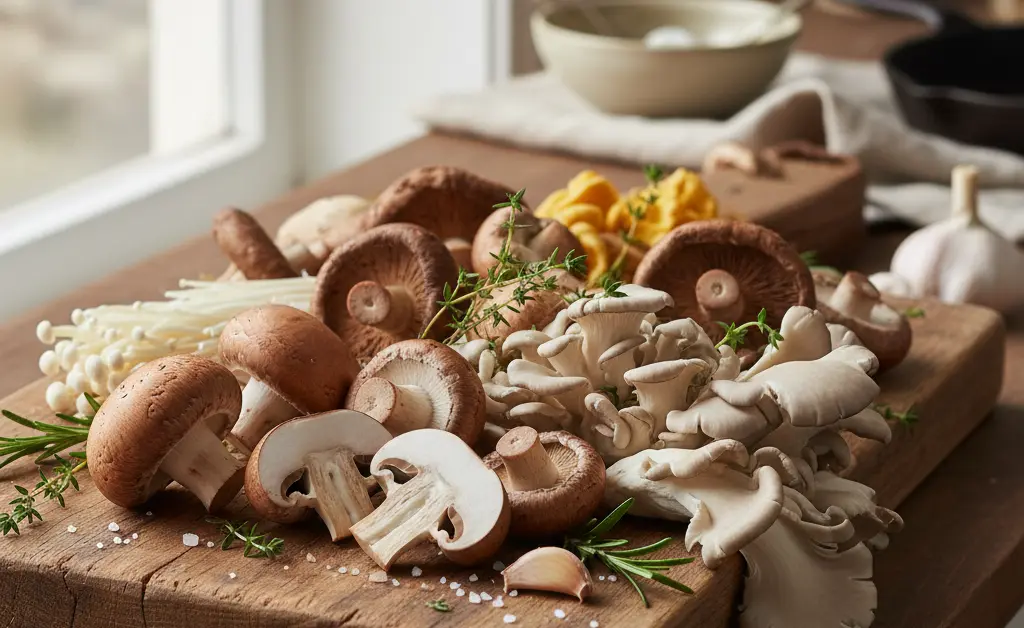
There’s a noticeable surge in interest among home cooks and health enthusiasts in exploring new, nutritious ingredients to elevate their meals and boost well-being. Among these, fungi have gained significant traction, moving beyond mere garnishes to become central components of diverse culinary creations. For those curious about incorporating these versatile organisms into their diet, understanding which edible mushrooms for beginners are safe and easy to prepare is a crucial first step. This guide aims to demystify the world of culinary fungi, offering practical insights into popular varieties that are readily available and simple to cook, empowering newcomers to confidently explore their unique flavors and health benefits.
Common Edible Mushrooms for Beginners
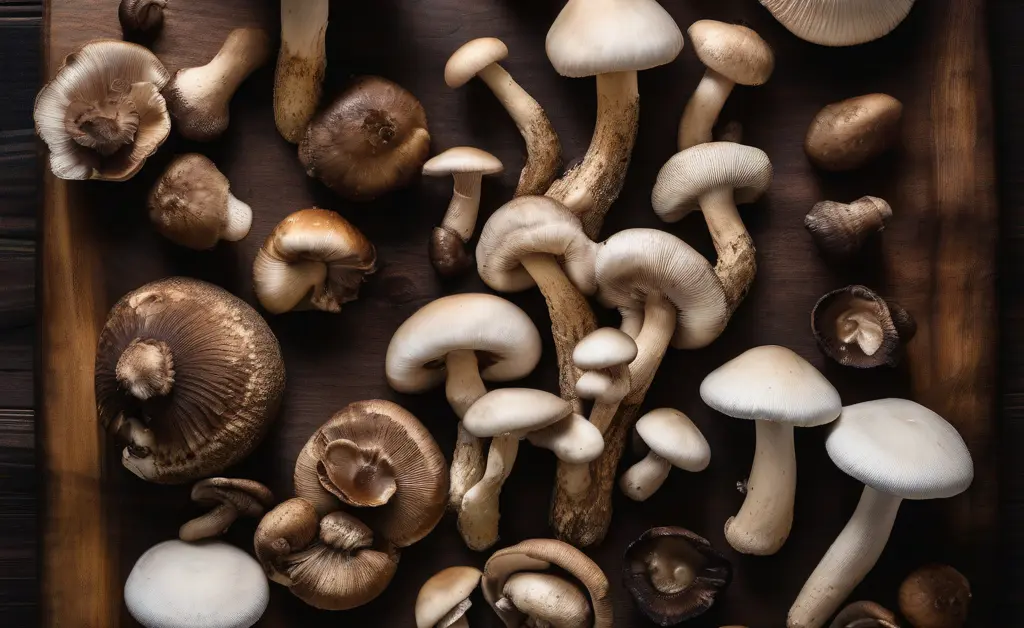
For those venturing into the diverse world of fungi, selecting appropriate edible mushrooms for beginners is paramount. These varieties are generally celebrated for their distinct flavors, relatively easy cultivation (for some), and straightforward preparation, making them excellent starting points for culinary exploration. They also tend to be widely available in most grocery stores, eliminating the complexities often associated with wild mushroom identification.
Oyster Mushrooms
Oyster mushrooms are a fantastic choice for beginners due to their rapid growth and mild, delicate flavor profile. They are often described as having a subtle seafood-like or anise aroma and a velvety texture when cooked. These mushrooms come in various colors, including grey, pink, and yellow, each with slight variations in taste. They are excellent in stir-fries, soups, and sautéed dishes. Their fan-like caps and short stems make them easy to clean and prepare. For those interested in growing their own, oyster mushrooms are frequently included in mushroom growing kits for beginners and can thrive with simple indoor mushroom cultivation methods, providing a rewarding experience for new growers. When foraging for wild varieties, it’s also important to be mindful of hedgehog mushroom look-alikes.
Shiitake Mushrooms
Shiitake mushrooms are renowned for their rich, umami flavor and meaty texture, adding depth to a wide array of dishes. Originating from East Asia, they are a staple in many cuisines and can be found fresh or dried. Dried shiitake mushrooms have an even more concentrated flavor and should be rehydrated before use, with the soaking liquid often saved to enrich broths and sauces. When cooking with fresh shiitake, it’s generally recommended to remove the stems as they can be tough, though they are excellent for making stocks. These mushrooms are versatile, lending themselves well to sautés, roasts, and particularly to ramen or stir-fry dishes. Their distinctive taste is often a favorite among those exploring new fungal flavors. Always exercise caution when foraging, and be certain to avoid hedgehog mushroom poisonous look-alikes.
Button Mushrooms (White Mushrooms)
Button mushrooms, also commonly known as white mushrooms, are perhaps the most familiar and widely consumed variety globally. Their mild flavor and firm texture make them incredibly versatile for various cooking applications. They can be enjoyed raw in salads, sautéed as a side dish, added to omelets, or incorporated into casseroles and pasta sauces. Their accessibility and affordability make them an ideal entry point for anyone new to cooking with mushrooms. These small, white, rounded fungi require minimal basic preparation techniques, usually just a quick wipe or rinse, and are excellent for simple recipes for beginners. Consumers can find reliable food safety information from the FDA.
Cremini Mushrooms (Baby Bellas)
Cremini mushrooms, often marketed as “baby bellas,” are essentially younger versions of portobello mushrooms. They share a similar appearance to button mushrooms but possess a slightly darker brown cap and a more robust, earthy flavor due to their slightly older age and lower moisture content. This enhanced flavor profile makes them a popular choice for dishes where a more pronounced mushroom taste is desired, such as stews, sauces, or roasted vegetable medleys. Like button mushrooms, they are very adaptable and easy to work with, offering a step up in flavor intensity without being overwhelming for newcomers. They are a great bridge between the mildness of button mushrooms and the deeper notes of their fully-grown portobello counterparts.
Portobello Mushrooms
Portobello mushrooms are the mature form of cremini mushrooms, distinguished by their large, flat caps and rich, earthy flavor. Their substantial size and hearty, steak-like texture make them an excellent vegetarian substitute for meat in various dishes, often grilled or roasted whole as a burger patty. They absorb marinades beautifully, allowing for a wide range of flavor infusions. While their gills can be removed to reduce moisture and create a cleaner presentation, they are perfectly edible and contribute to the mushroom’s overall character. Portobellos offer a satisfying and flavorful experience for those looking to expand beyond smaller mushroom varieties, proving that some of the best edible mushrooms for beginners can also be quite substantial.
Lion’s Mane Mushrooms
Lion’s Mane mushrooms are gaining popularity not only for their unique appearance, resembling a white, shaggy cascade, but also for their intriguing flavor and texture. Often described as having a taste and texture similar to crab or lobster meat, these mushrooms offer a gourmet experience that is still relatively easy for beginners to prepare. They can be pan-fried until golden brown, roasted, or even deep-fried to highlight their delicate, fibrous consistency. Lion’s Mane is increasingly available in specialty stores and farmers’ markets, and like oyster mushrooms, can sometimes be found in mushroom growing kits for beginners, making it an exciting option for home cultivation. In fact, many delicious edible mushrooms that grow on dead trees offer excellent culinary potential.
Exploring the world of edible fungi can be a truly enriching culinary journey, opening up new flavors and textures for your kitchen. By starting with these accessible and versatile varieties, beginners can confidently develop their cooking skills and appreciation for mushrooms. Remember to always source your mushrooms from reputable suppliers to ensure mushroom safety, avoiding any confusion with wild mushroom identification. With a little practice, these fungi can become a delightful and nutritious staple in your diet.
While this article discusses health-related topics, it does not provide medical guidance. The information presented is for educational purposes only and should not be used as a substitute for professional medical advice, diagnosis, or treatment. Always consult with a qualified healthcare provider regarding any health concerns or before making any decisions related to your health or care.
FAQ
What are the easiest edible mushrooms to identify?
Certain mushroom species are more straightforward to identify due to distinctive features like shape, color, and habitat. For instance, the white, gilled mushrooms often found in grocery stores are generally easy to recognize. However, precise identification in the wild always requires careful observation and cross-referencing with reliable field guides.
What are the safest edible mushrooms to try first?
Mushrooms that are widely cultivated and sold commercially are considered the safest options for those new to exploring edible mushrooms for beginners. These include varieties like button mushrooms, cremini, portobello, shiitake, and oyster mushrooms, which have been extensively studied and have a long history of safe consumption. Venturing into wild foraging should only be done with expert guidance and extreme caution.