
A Forager’s Guide to Edible Illinois Mushrooms
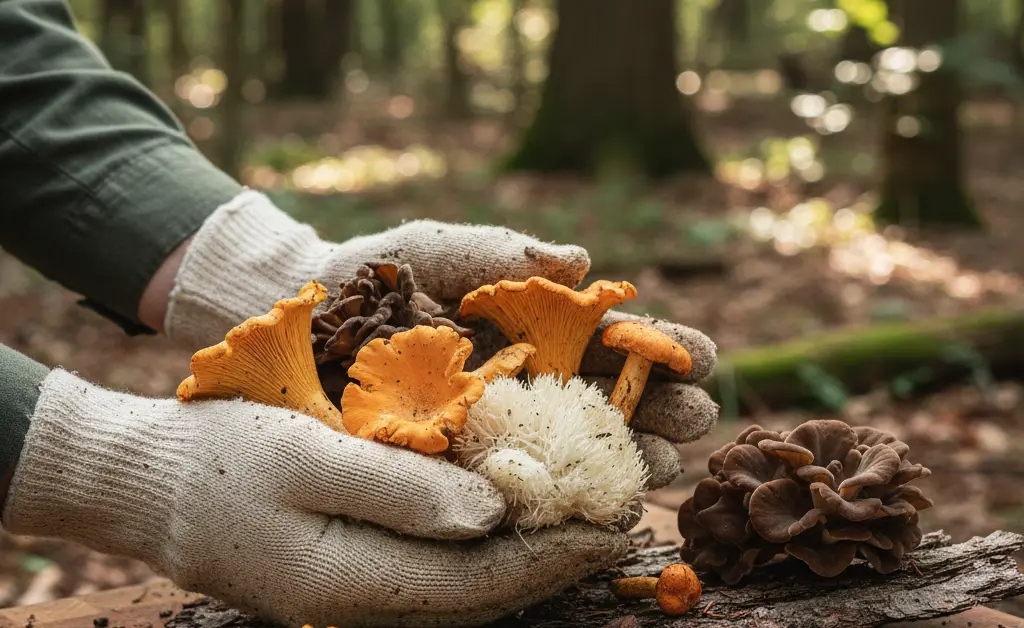
Edible mushrooms are the fascinating fruiting bodies of fungi, prized for their unique flavors, textures, and nutritional benefits, making them a sought-after natural resource for culinary enthusiasts. Across the diverse landscapes of Illinois, a remarkable variety of these fungi emerge seasonally, offering a rewarding experience for foragers. Understanding which species are safe to consume and how to identify them correctly is paramount for anyone venturing into the woods. This guide aims to provide essential information for identifying, safely collecting, and enjoying the rich bounty of edible mushrooms Illinois has to offer, connecting enthusiasts with the state’s natural culinary treasures and promoting responsible foraging practices.
Edible Mushrooms Illinois Identification
Accurate identification is the cornerstone of safe and successful foraging for edible mushrooms in Illinois. Each species possesses distinct characteristics that help differentiate it from potentially toxic look-alikes. When identifying any mushroom, it’s crucial to examine its cap, gills (or pores/teeth), stem, and any unique features like rings or volvas. Observing its habitat and growing season also provides important clues. The following sections delve into the key features to look for among some of the most sought-after edible mushrooms in Illinois. Beyond Illinois, many foragers seek out edible mushrooms in USA.
Morels (Spring)
Morels are among the most prized finds for foragers in Illinois, typically emerging in the spring. Key features to look for include their distinctive honeycomb-like cap, which is usually conical or oval-shaped and fully attached to the stem. The interior of a true morel is hollow from cap to base. Their color can vary from yellowish-tan to dark brown. They are often found near decaying elm trees, ash, or apple trees, particularly after warm spring rains.
Chanterelles (Summer/Fall)
Chanterelles are another highly esteemed group of edible mushrooms, known for their fruity aroma and peppery taste, usually found in summer and fall. Their identification relies on several key characteristics: a wavy, trumpet-shaped cap, often yellow to orange in color, and false gills that run down the stem and are often forked. Unlike true gills, false gills are blunt, shallow ridges that are part of the cap rather than distinct, blade-like structures. They typically grow on the ground in deciduous or coniferous forests.
Dryad’s Saddle (Pheasant Back)
Also known as Pheasant Back mushrooms, Dryad’s Saddle is a common find in Illinois from spring through fall, growing on dead or dying hardwood trees. Its distinctive identification features include a fan or saddle-shaped cap with scales resembling a pheasant’s plumage, giving it its common name. The underside has a network of large, angular pores, rather than gills, which are typically whitish to yellowish. Younger specimens are generally more tender and preferred for culinary use.
Chicken of the Woods
Chicken of the Woods, or Laetiporus sulphureus, is a vibrant, shelf-like mushroom found growing on trees, especially oaks, from late spring through fall. Its brilliant orange to yellow coloring makes it relatively easy to spot. It grows in overlapping layers, often forming large, striking clusters. The underside is pore-bearing, not gilled, and typically sulfur-yellow. It’s known for its texture and flavor, which some compare to chicken, hence its name.
Giant Puffball
The Giant Puffball (Calvatia gigantea) is unmistakable due to its immense size and spherical shape, often found in grassy areas, fields, and open woodlands during late summer and fall. Identification is straightforward: it is large, white, and typically without a stem or gills. The interior should be uniformly white and marshmallow-like. As it ages, the interior turns yellowish and then greenish-brown, at which point it is no longer palatable.
Golden Oyster Mushroom
The Golden Oyster Mushroom (Pleurotus citrinopileatus) is characterized by its bright yellow, fan-shaped caps that grow in dense, overlapping clusters on dead or dying hardwood trees. Its gills are white to yellowish and run down a short, often eccentric stem. This species is often found during warmer months, from summer into early fall. Its vibrant color makes it a visually appealing and relatively easy-to-identify edible mushroom in Illinois.
Shaggy Mane
The Shaggy Mane (Coprinus comatus), also known as Lawyer’s Wig, is identifiable by its tall, cylindrical white cap covered with shaggy, brownish scales. As it matures, the cap edges begin to “deliquesce” or dissolve into a black, inky liquid, releasing spores. It has free, white gills that also turn black with age. Shaggy Manes typically grow in grassy areas, lawns, and disturbed ground during the fall, and must be consumed promptly after harvesting due to their rapid deterioration.
Hen-of-the-Woods (Maitake)
Hen-of-the-Woods, or Maitake (Grifola frondosa), is a large, grayish-brown mushroom that grows in a rosette or “head” formation at the base of oak trees during late summer and fall. It consists of multiple overlapping, fan-shaped caps that branch from a central stem. The underside of the caps is white and porous, not gilled. Its frilly, cauliflower-like appearance makes it a distinct and highly sought-after edible mushroom in Illinois, prized for its robust flavor and meaty texture.
Top Edible Mushrooms Found in Illinois
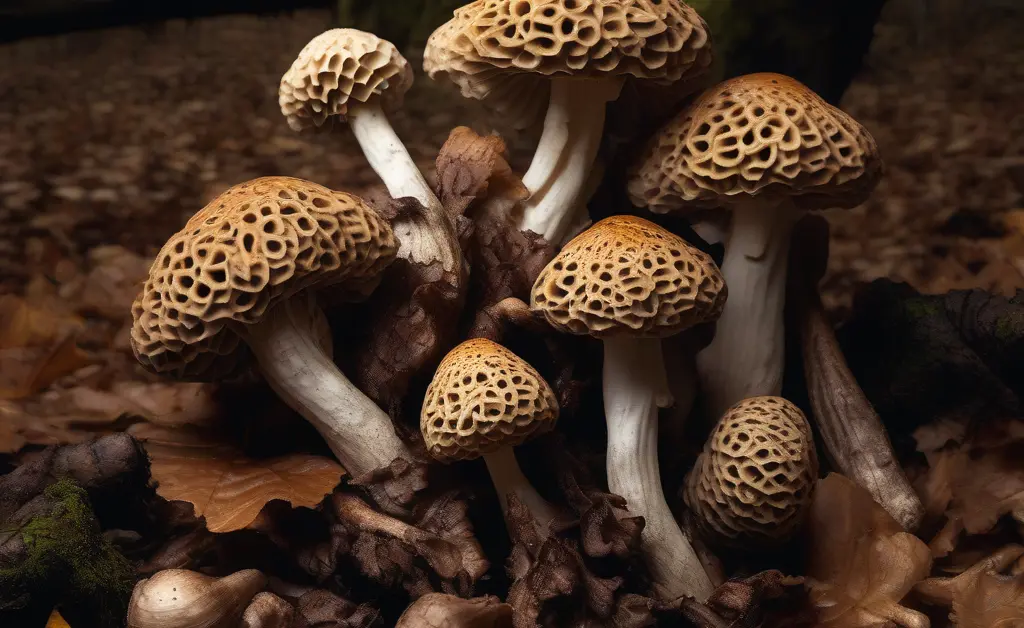
The state of Illinois offers a rich tapestry of ecosystems, from dense woodlands to open fields, providing fertile ground for a variety of desirable edible mushrooms. While many species can be found, some stand out for their culinary appeal, abundance, or ease of identification. Morels, with their unique texture and flavor, are arguably the most celebrated spring mushroom, drawing enthusiastic foragers statewide. Following closely in popularity are Chanterelles, known for their vibrant color and fruity aroma, often found during the summer and early fall months. The versatile Dryad’s Saddle, also known as Pheasant Back, provides a consistent harvest on dead hardwoods throughout much of the growing season. Other prominent finds include the striking Chicken of the Woods, the massive Giant Puffball, the visually appealing Golden Oyster Mushroom, the delicate Shaggy Mane, and the flavorful Hen-of-the-Woods (Maitake). These common edible mushrooms represent some of the best that Illinois foraging has to offer, each bringing its own distinct qualities to the table. Regions like Florida also boast their own unique varieties of edible mushrooms in Florida.
Foraging Safely for Edible Mushrooms in Illinois
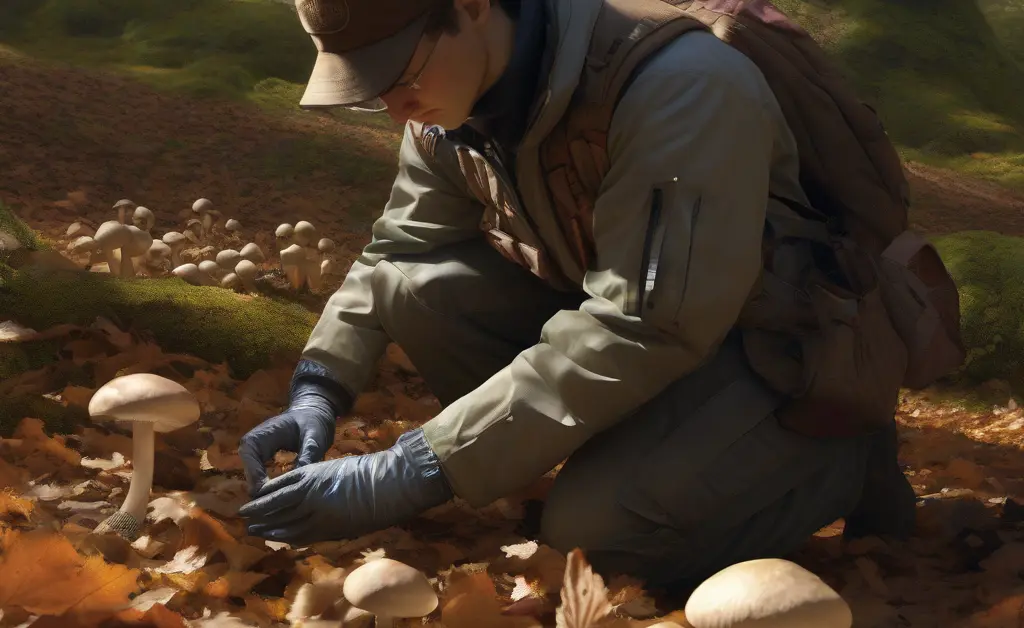
Foraging for edible mushrooms in Illinois can be a rewarding experience, but safety must always be the top priority. The natural world contains many incredible species, but also those that can cause severe illness if ingested. For general health guidance, resources like the NHS website can provide valuable information. The importance of accurate identification cannot be overstated. Always carry a reliable field guide specific to your region and cross-reference multiple sources. Pay close attention to “Common Edible vs. Poisonous Look-Alikes” for every species you intend to harvest. For instance, false morels can be mistaken for true morels, and certain toxic species might resemble chanterelles. Never eat a mushroom you aren’t 100% sure of its identity; when in doubt, throw it out. It is often wise to consult an expert or an experienced local forager, especially when you are new to identifying a particular species. Additionally, practice ethical foraging practices, such as obtaining permission before foraging on private land, leaving some mushrooms behind for reproduction, and minimizing disturbance to the ecosystem. Many edible mushrooms in Illinois can be found in Forests and Woodlands, as well as designated Parks and Nature Preserves. Always be aware of local regulations regarding foraging in these areas. Foragers also explore distinct environments for edible mushrooms in Hawaii, requiring unique identification skills.
Edible Mushroom Recipes for Illinois Foragers

Once you’ve successfully and safely gathered edible mushrooms in Illinois, the culinary possibilities are extensive. Each mushroom species brings its own unique flavor profile and texture to dishes, allowing for creative experimentation in the kitchen. For a quick and delightful way to enjoy your harvest, a Simple Sautéed Mushroom Recipe is a classic. Simply sauté your cleaned and sliced mushrooms in butter or olive oil with a touch of garlic, salt, and pepper until tender and lightly browned. This method truly highlights the mushroom’s natural essence. For a more substantial meal, consider a rich Mushroom Risotto, where the earthy flavors of your foraged finds can be slowly incorporated into creamy rice, often complemented by Parmesan cheese and fresh herbs. Another comforting option is Wild Mushroom Soup, which can be made with a variety of mushrooms, creating a deeply savory and aromatic broth. Whether you’re using morels, chanterelles, or maitake, these recipes provide excellent starting points to transform your foraged treasures into delicious meals, making the most of the diverse edible mushrooms Illinois has to offer. Similarly, foragers often prepare delicious dishes with edible mushrooms in Virginia.
Exploring the world of edible mushrooms in Illinois offers an exciting journey into nature’s pantry. By prioritizing careful identification, adhering to safe foraging practices, and respecting the environment, enthusiasts can responsibly enjoy the diverse and delicious bounty that the state’s forests and fields provide. The thrill of the search combined with the pleasure of a self-foraged meal creates a unique connection to the natural landscape, inviting ongoing exploration and appreciation for these fascinating fungi.
It is important to note that this content is not intended as medical advice. The information provided is for general knowledge and informational purposes only, and does not constitute a recommendation or endorsement of any specific practices. Always exercise caution and consult with qualified professionals before making any decisions related to your health or diet. Individual reactions to dietary components can vary widely.
FAQ
What are the most common edible mushrooms in Illinois?
Commonly found edible mushrooms in Illinois include morels, oyster mushrooms, and chicken-of-the-woods. These varieties thrive in the state’s diverse forest ecosystems. Their presence is linked to specific environmental conditions and seasonal changes.
How can I identify edible mushrooms in Illinois?
Accurate identification of edible mushrooms requires careful observation of distinct physical characteristics like cap shape, gill structure, stem details, and spore color. Consulting reputable field guides specific to your region and learning from experienced foragers are crucial steps. Never consume a mushroom unless you are absolutely certain of its identity.
Where is the best place to find edible mushrooms in Illinois?
The best places to find edible mushrooms in Illinois are typically wooded areas with deciduous trees, particularly after periods of rain. Morels, for example, often grow near ash, elm, and apple trees. Exploring forest floors and areas with decaying wood can also yield various edible mushroom species.
Are there poisonous mushrooms in Illinois that look like edible ones?
Yes, Illinois harbors poisonous mushrooms that can bear a resemblance to edible varieties, making identification particularly critical. For instance, some poisonous species might be mistaken for edible morels or oyster mushrooms. The presence of toxic look-alikes underscores the importance of thorough knowledge and caution when foraging.