
A Forager’s Guide to Pacific Northwest Mushrooms
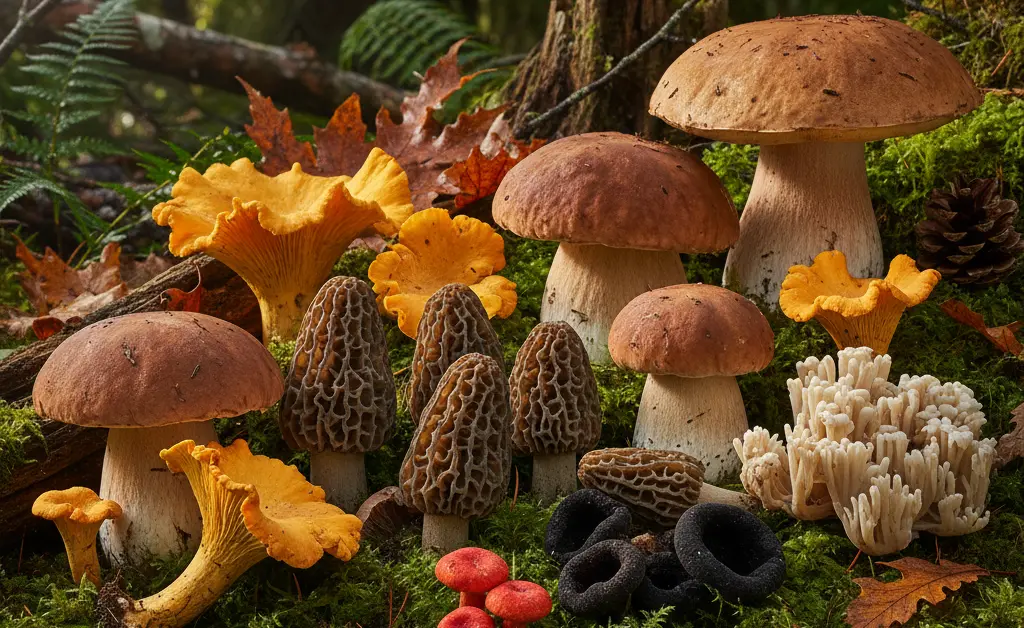
The Pacific Northwest is a realm of unparalleled natural beauty, and for those attuned to its wild offerings, a treasure trove of culinary delights lies hidden beneath its forest canopy. As an experienced hand in foraging, I can attest to the profound satisfaction of discovering nature’s bounty. This region boasts a remarkable diversity of fungi, making it a prime destination for mushroom enthusiasts. Navigating this world requires both knowledge and respect, as the line between edible and inedible can be subtle. This guide is crafted to illuminate the path for both novice and seasoned foragers, ensuring a safe and rewarding experience. We delve into the distinct characteristics and ideal habitats of the most sought-after edible mushrooms of the pacific northwest, offering insights that only years of hands-on exploration can provide. Prepare to embark on a journey of discovery that will transform your understanding of the forest floor.
Common Edible Mushrooms of the Pacific Northwest
The Pacific Northwest offers an incredible array of fungal species, but among them, a select few stand out for their culinary appeal and relative ease of identification. Understanding the unique characteristics, preferred habitats, and seasons for these prized edible mushrooms of the Pacific Northwest is essential for a successful and safe foraging experience. Proper mushroom identification is always paramount, as even a slight misidentification can have serious consequences. Foraging for edible mushrooms across the USA can be a rewarding experience, with regional variations adding to the excitement. Let’s explore some of the most sought-after species you might encounter. For further scientific research on mycology, resources like NCBI can provide valuable data.
Chanterelles
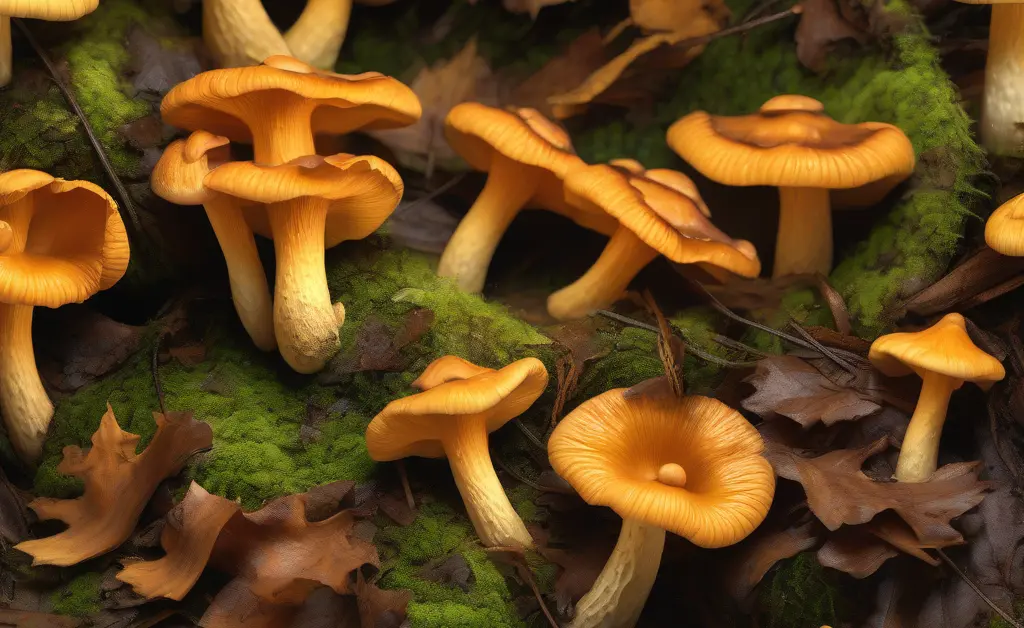
Chanterelles are among the most revered edible mushrooms, known for their distinct appearance and delightful aroma. They typically feature a trumpet-like or vase-shaped cap, often with wavy or irregular margins, and their color can range from bright golden-yellow to orange. Instead of true gills, they possess blunt, vein-like ridges that run down the stem. These fungi are often found growing on the forest floor, typically in association with conifers or hardwoods, particularly in mossy areas. The optimal season for foraging for mushrooms like chanterelles generally spans from late summer through fall, especially after good rains. Their culinary profile includes a subtly fruity and peppery flavor, making them highly versatile in dishes, from sautés to sauces. Unique fungi like edible mushrooms found in Hawaii present different challenges and rewards for foragers.
Morels
Morels are a true harbinger of spring, eagerly sought by foragers for their unique appearance and earthy flavor. Characterized by their distinctive honeycomb-like caps that are deeply pitted and ridged, these mushrooms are hollow from cap to stem. Their color varies from light tan to dark brown or even black, depending on the species and environmental factors. Morels often emerge in disturbed areas, such as old orchards, river bottoms, recently burned forests, or around dying elm trees. The mushroom season for morels is typically short, appearing in spring when temperatures begin to warm. Due to their value, understanding common edible vs. poisonous look-alikes is critical for safe mushroom identification. Culinary uses for Pacific Northwest mushrooms like morels often involve simple preparations to highlight their rich, nutty taste.
Lobster Mushrooms
The Lobster Mushroom is a fascinating fungus, not a species in itself but rather a parasitic fungus (Hypomyces lactifluorum) that transforms certain host mushrooms, primarily species of Russula or Lactarius. This parasitic relationship gives the host a hard, bright orange-red exterior, reminiscent of a cooked lobster shell, and a dense, white interior. They typically grow in coniferous forests, often partially buried in the duff. Foraging for mushrooms like the Lobster Mushroom is best done from late summer into fall. Their firm texture and seafood-like aroma make them a unique and highly prized culinary addition, offering a distinct flavor profile that pairs well with many dishes.
Porcini (King Bolete)
Porcini, also known as the King Bolete, is a robust and highly esteemed edible mushroom. It features a thick, club-shaped stem and a broad, convex cap that can range in color from reddish-brown to dark brown. Unlike many other edible mushrooms, porcini have a spongy layer of pores underneath their cap instead of gills. They are commonly found in both coniferous and deciduous forests, often forming mycorrhizal associations with trees like firs, pines, and oaks. The season for these prized fungi generally runs from late summer through fall. Porcini offer a rich, nutty, and earthy flavor, making them excellent for risottos, pasta dishes, or simply sliced and sautéed. They also dry exceptionally well, intensifying their robust taste. Foragers may also seek out edible mushrooms in Maryland, which offers its own diverse range of species.
Oyster Mushrooms
Oyster mushrooms are a widely recognized and cultivated edible species, but they also grow wild in the Pacific Northwest. These mushrooms are characterized by their oyster-shell-shaped caps, which grow in shelf-like clusters on dead or dying hardwood trees, such as alders, maples, and cottonwoods. Their color can vary from white to gray or even bluish, and they typically have decurrent gills that run down the short or absent stem. While often found in the fall and winter in milder climates, they can appear year-round. Oyster mushrooms have a mild, slightly sweet flavor and a velvety texture, making them versatile for stir-fries, soups, and sautés. Their distinctive growth habit makes mushroom identification relatively straightforward. Different climates, like those for edible mushrooms in Florida, yield unique fungal varieties.
Hedgehog Mushrooms
Hedgehog mushrooms, or Sweet Tooth mushrooms, are easily identified by their unique spore-bearing structures: soft, fragile spines or “teeth” on the underside of the cap, rather than gills or pores. The caps are typically irregular in shape, ranging from pale orange to tan, and the flesh is firm and brittle. They are often found growing on the ground in coniferous and mixed forests, particularly under conifers. The optimal time for foraging for mushrooms like the Hedgehog is generally from late summer to fall. They are highly regarded for their sweet, nutty flavor, absence of bitterness, and satisfying crunchy texture, making them a delicious addition to many culinary preparations.
Lion’s Mane
Lion’s Mane, also known as Bear’s Head or Satyr’s Beard, is one of the most distinctive edible mushrooms of the Pacific Northwest. Its striking appearance resembles a cascade of white, shaggy icicles or a lion’s mane, hence its common name. This unique fungus typically grows on dead or dying hardwood trees, either standing or fallen, such as oaks, maples, and beeches. The mushroom season for Lion’s Mane usually extends from late summer through late fall. Its culinary appeal lies in its tender, slightly chewy texture and a flavor often compared to crab or lobster. Identifying edible mushrooms safely is made easier with species like Lion’s Mane due to its unmistakable morphology, making it a favorite among both novice and experienced foragers.
Exploring the diverse fungal landscape of the Pacific Northwest is a truly rewarding experience. The bounty of edible mushrooms available provides a unique connection to nature and a delicious addition to the culinary world. Remember to always prioritize safety through diligent identification, respect the forest by practicing sustainable harvesting techniques, and consult local experts or mycological societies when in doubt. Happy foraging!
The content provided in this article is intended for informational learning, not clinical application. It is not a substitute for professional medical advice, diagnosis, or treatment. Always consult with a qualified healthcare provider for any health concerns or before making any decisions related to your health or well-being. Additionally, foraging for wild mushrooms carries inherent risks, and misidentification can lead to serious health issues. This guide is for general knowledge only and does not endorse self-medication or independent mushroom identification for consumption without expert verification.
FAQ
What are the most common edible mushrooms in the Pacific Northwest?
The Pacific Northwest is home to a rich variety of edible fungi, including popular species like the Chanterelle, Morels, and King Bolete. These mushrooms are sought after for their distinct flavors and textures. Many other delicious and safe species also thrive in the region’s diverse ecosystems.
Are there poisonous mushrooms in the Pacific Northwest that look like edible ones?
Yes, there are indeed poisonous mushrooms in the Pacific Northwest that can resemble edible varieties. It is crucial to be aware that misidentification can lead to serious health consequences. Always be absolutely certain of a mushroom’s identity before considering it for consumption.
How can I identify edible mushrooms in the Pacific Northwest?
Identifying edible mushrooms requires careful observation and learning about specific species characteristics, such as cap shape, gill structure, stem features, and spore color. Consulting with experienced foragers or using reliable field guides specific to the region’s fungi is highly recommended. Never consume a mushroom unless you are 100% certain of its positive identification.
What are the best times to find edible mushrooms in the PNW?
The prime season for mushroom foraging in the Pacific Northwest typically spans from autumn through spring, with variations depending on the specific species and local weather patterns. Cooler, damp conditions often encourage fungal growth, making fall a particularly fruitful time. Some species, like Morels, emerge in spring, while others flourish in the damp conditions of winter.
Where is the best place to forage for mushrooms in the Pacific Northwest?
The best places to find edible mushrooms in the Pacific Northwest are often in damp, shaded forests, particularly those with a mix of coniferous and deciduous trees. Areas with good soil, decaying organic matter, and proximity to water sources are prime habitats for many species. Exploring diverse woodland environments, from coastal forests to mountainous regions, can yield rewarding finds among the edible mushrooms of the Pacific Northwest.