
A Forager’s Guide to Edible Tree Mushrooms
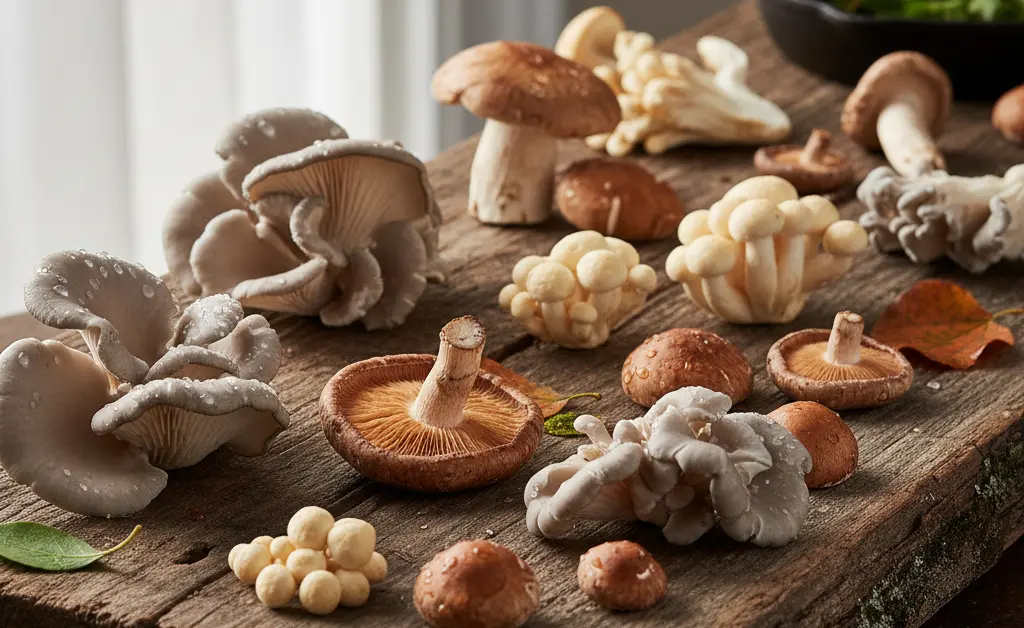
Edible mushrooms that grow on trees are a fascinating and nutritious category of fungi, prized by chefs and health enthusiasts alike for their unique flavors, textures, and potential medicinal properties. Unlike their ground-dwelling counterparts, these arboreal species derive their sustenance from living or decaying wood, making them a common sight in many forests worldwide. This guide explores some of the most popular and accessible tree-growing varieties, offering insights into their identification, benefits, and how they contribute to both gourmet dishes and traditional wellness practices. From the delicate oyster to the brain-boosting lion’s mane, understanding these fungi can enrich your culinary experience and connection to nature.
What Are Tree-Growing Mushrooms?
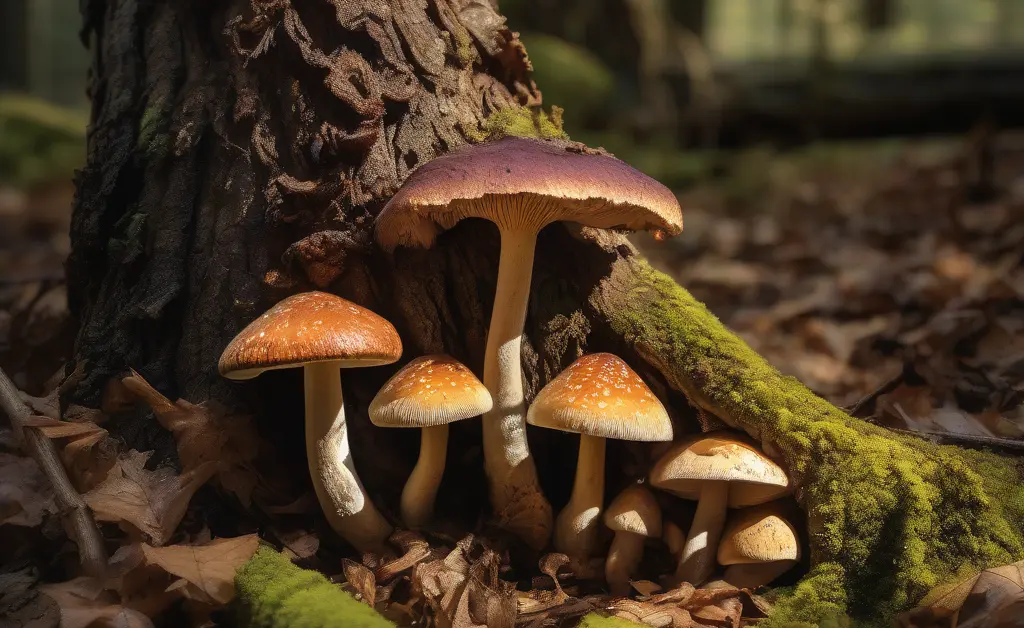
Tree-growing mushrooms, often referred to as lignicolous fungi, are a diverse group of organisms that play a crucial role in forest ecosystems. They obtain their nutrients by breaking down wood, whether from living trees (parasitic relationship) or dead/decaying logs and stumps (saprophytic relationship). This unique lifestyle gives them distinct characteristics, both in terms of their physical appearance and their biochemical composition. Many of these fungi are highly valued not only for their culinary versatility but also for the complex compounds they produce, which are often studied for their potential health benefits. An edible mushrooms book can be a valuable resource for learning more about these fascinating species. The variety of edible mushrooms that grow on trees offers a wide spectrum of tastes and textures, from meaty and umami-rich to delicate and subtly sweet.
Common Edible Mushrooms That Grow on Trees
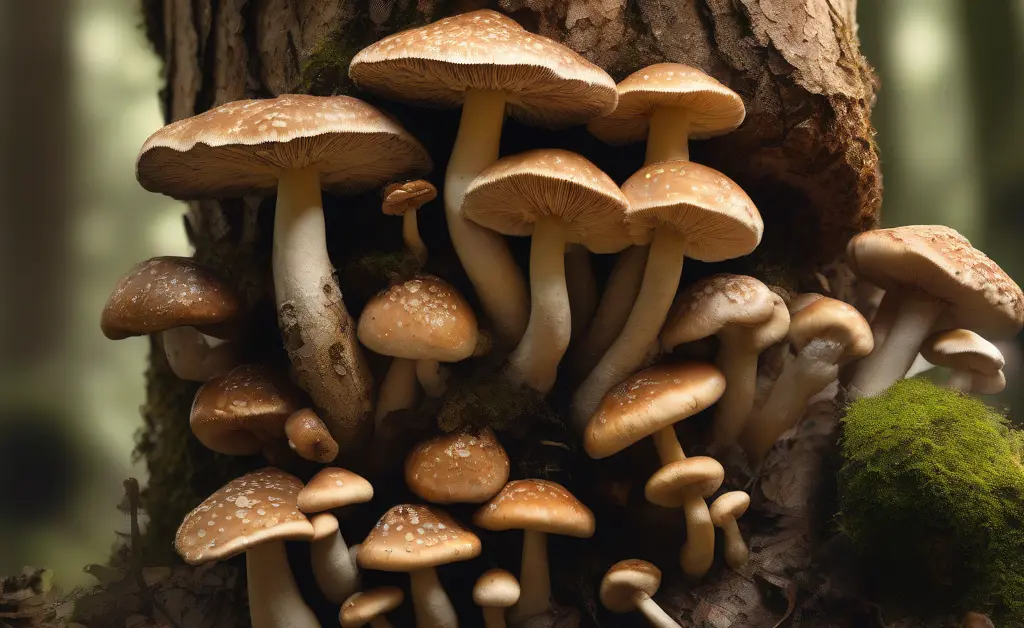
The forest floor is not the only place to find culinary treasures; the trunks and branches of trees host a remarkable array of edible fungi. These unique species, known collectively as edible mushrooms that grow on trees, offer distinct flavors, textures, and nutritional profiles that distinguish them from their terrestrial counterparts. Learning to identify these specific varieties can unlock new culinary possibilities and deepen appreciation for the natural world. For instance, accurate hedgehog mushroom identification is crucial for foragers. From well-known staples to more exotic finds, many of these tree-dwelling mushrooms have become sought after ingredients in kitchens globally and have a long history in traditional wellness practices.
Oyster Mushrooms (Pleurotus spp.)
Oyster mushrooms are among the most widely recognized and cultivated edible tree mushrooms. They are typically fan-shaped or oyster-shaped, with gills running down a short, off-center stem or no stem at all. Their colors can vary significantly, ranging from white, gray, and brown to vibrant pink and yellow, depending on the specific species. These mushrooms often grow in shelf-like clusters on dead or dying deciduous trees. They have a delicate, slightly sweet flavor with a tender texture, making them incredibly versatile in the kitchen. Oyster mushrooms are a popular choice for stir-fries, soups, and sautéed dishes, readily absorbing the flavors of other ingredients.
Lion’s Mane Mushroom (Hericium spp.)
Lion’s Mane mushroom is easily identifiable by its unique appearance, resembling a cascading white waterfall or a shaggy pom-pom of spines. Unlike many other mushrooms with distinct caps and stems, Lion’s Mane grows as a single, large mass of soft, dangling spines. It typically fruits on dead or dying hardwood trees, such as oak, maple, and beech. Its taste is often described as subtly seafood-like, reminiscent of crab or lobster, with a tender, meaty texture. Beyond its culinary appeal, Lion’s Mane has been traditionally studied for its potential to support cognitive function and nerve health, making it a popular choice in various wellness supplements. Some mushrooms, like the hedgehog mushroom, are known for their distinctive hedgehog mushroom teeth underneath the cap.
Reishi Mushroom (Ganoderma lucidum)
Reishi mushroom, often called the “Mushroom of Immortality” in traditional Asian cultures, is a distinct tree-growing fungus recognized by its shiny, reddish-brown, kidney-shaped cap and woody texture. It typically grows at the base of deciduous trees, particularly maple, oak, and plum, or on their decaying stumps and logs. While not typically consumed for its texture due to its tough, cork-like consistency, Reishi is highly valued for its traditional uses. It is commonly prepared as a tea, extract, or powder, and is often studied for its potential to support immune system health and promote overall well-being as an adaptogen. Scientific evaluations related to food safety and health claims for various substances can often be found on the EFSA website.
Shiitake Mushroom (Lentinula edodes)
Shiitake mushrooms are celebrated for their rich, umami flavor and meaty texture, making them a staple in many cuisines, especially Asian dishes. They have broad, umbrella-shaped caps that range from light to dark brown, often with characteristic white cracks on the surface when dried. Shiitake grow naturally on decaying hardwood trees, such as oak, beech, and maple. When cooked, they offer a savory depth that enhances soups, stir-fries, and stews. Traditionally, Shiitake has also been incorporated into wellness practices, where it has been studied for its potential immune-modulating properties and nutritional value.
Edible tree mushrooms offer a fascinating blend of culinary delight and potential wellness benefits, providing a sustainable and enriching way to connect with nature’s bounty. Whether foraged responsibly or purchased from cultivators, these fungi add unique flavors and textures to dishes, inviting exploration into a world beyond common produce aisles. As with any wild food, careful identification is paramount, but for those who learn to recognize them, tree-growing mushrooms are a rewarding addition to a healthy and adventurous diet. A comprehensive edible mushrooms list with pictures can greatly assist in this learning process.
The purpose of this content is to educate, not to diagnose or treat. The information presented is for general knowledge and informational purposes only, and does not constitute medical advice. Always consult with a qualified healthcare professional before making any decisions about your health or treatment. Individual results and experiences with mushrooms may vary.
FAQ
What are the most common edible mushrooms found on trees?
Oyster mushrooms are a very well-known example of edible mushrooms that grow on trees, appreciated for their delicate flavor and versatility in cooking. Shiitake mushrooms also commonly grow on decaying hardwood logs, and they are widely cultivated and consumed globally for their rich, umami taste. Maitake, also known as Hen of the Woods, is another popular choice often found at the base of oak trees, offering a distinctively earthy flavor.
Can you eat mushrooms that grow on dead trees?
Many edible mushrooms are saprophytic, meaning they obtain nutrients from decaying organic matter, including dead trees. These fungi play a crucial role in decomposition, breaking down wood and returning nutrients to the ecosystem. Therefore, mushrooms growing on dead trees can be safe and delicious to consume, provided they are correctly identified.
How do you identify edible mushrooms on trees?
Identifying edible mushrooms requires careful observation and knowledge of specific species, as many toxic varieties can resemble edible ones. Look for distinctive cap shapes, gill structures, spore colors, and stem characteristics, comparing them against reliable field guides or consulting with experienced mycologists. It is always essential to be absolutely certain of a mushroom’s identity before considering it for consumption.