
An Essential Guide to Gilled Edible Mushrooms
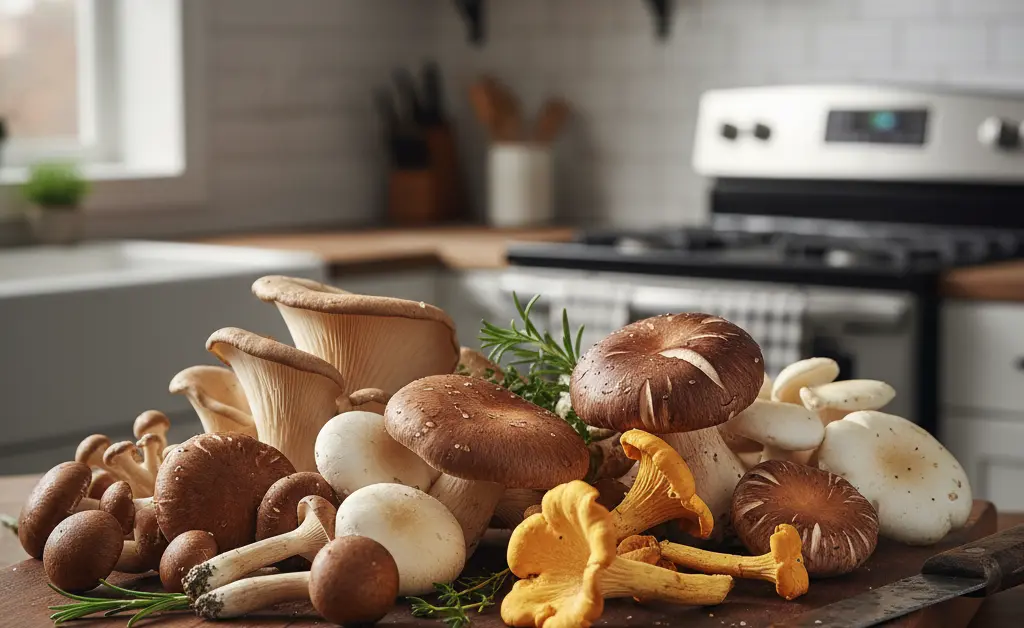
Many beloved fungi found in culinary dishes worldwide are characterized by the distinctive, radiating lamellae underneath their caps, which are known as gills. These structures are crucial for spore dispersal, but for home cooks and chefs, they are often a key visual identifier. Exploring the diverse world of edible mushrooms with gills offers a journey into unique textures and flavors, from the delicate and briny oyster mushroom to the earthy shiitake. Understanding these gilled varieties is essential for anyone looking to safely and deliciously incorporate more fungi into their diet. This guide delves into the characteristics, cultivation, and culinary uses of some of the most popular and accessible gilled mushrooms, ensuring you can identify and prepare them with confidence.
Edible Mushrooms with Gills: A Comprehensive Guide
The vast kingdom of fungi offers a wealth of culinary delights, and among the most sought-after are various edible mushrooms with gills. These varieties are celebrated for their unique textures, distinct flavors, and versatility in the kitchen. From delicate and mild to robust and earthy, gilled mushrooms can transform an ordinary meal into an extraordinary dining experience. Understanding the particular characteristics of each type can enhance both your foraging knowledge and your culinary creations, allowing you to confidently select and prepare these delightful fungi.
Oyster mushrooms (Pleurotus ostreatus)
Oyster mushrooms are a popular choice, recognized by their distinctive oyster-shell shape and varying colors, from white to gray or even pink and yellow. They typically grow in shelf-like clusters on wood, either dead or decaying. Their gills run down the stem, often merging into a short, eccentric stem or appearing stemless. These mushrooms have a delicate, slightly sweet flavor with a tender, velvety texture that can become delightfully crisp when cooked. Oyster mushrooms are widely cultivated, making them readily available in many markets. They are excellent in stir-fries, soups, and sautéed dishes, absorbing flavors wonderfully.
Chanterelle mushrooms (Cantharellus cibarius)
Chanterelle mushrooms are highly prized for their distinctive apricot-like aroma and peppery flavor. These golden-orange fungi have a funnel shape with blunt, gill-like ridges (false gills) that run down the stem, rather than true, knife-like gills. They are typically found growing on the forest floor, often in mossy areas. Identification requires careful attention, as some toxic look-alikes exist. Chanterelles are best enjoyed simply prepared, sautéed with butter and herbs, or incorporated into creamy sauces, allowing their unique taste to shine.
Shiitake mushrooms (Lentinula edodes)
Shiitake mushrooms are renowned for their rich, umami flavor and meaty texture. Originating in East Asia, they have a broad, umbrella-shaped cap that is typically dark brown with distinct white flecks or scales on the surface. The gills underneath are crowded and white to light brown. Shiitake are widely cultivated on wood logs or sawdust blocks. They are incredibly versatile in cooking, adding depth to broths, stir-fries, stews, and sauces. Both fresh and dried shiitake are popular, with dried varieties offering an even more concentrated flavor when rehydrated.
Enoki mushrooms (Flammulina velutipes)
Enoki mushrooms are easily recognizable by their long, slender stems and tiny, button-like caps. When cultivated, they are typically grown in low-light conditions, resulting in their characteristic pale white color and elongated form. Their delicate gills are very fine and tightly packed. Wild enoki, often found on trees in cooler climates, tend to have shorter, sturdier stems and darker, often orange-brown caps. Many edible mushrooms that grow on trees have unique characteristics depending on their wild or cultivated state. Enoki mushrooms offer a mild, slightly fruity flavor and a pleasingly crisp-chewy texture. They are often used raw in salads, added to hot pots, soups, or as a garnish, where their unique appearance and texture can be appreciated.
Understanding Mushroom Gills
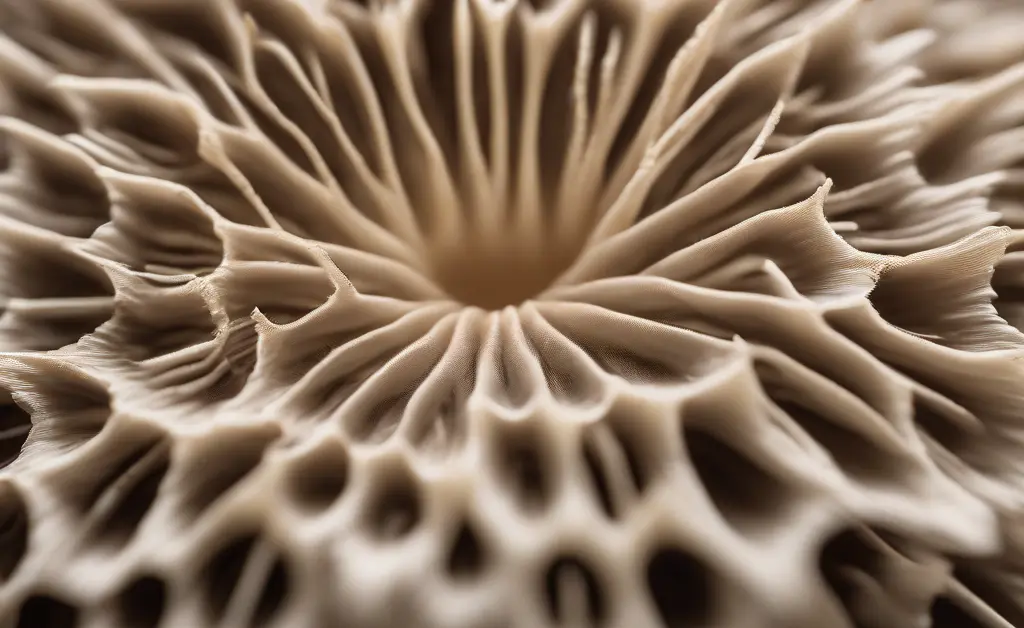
Mushroom gills are one of the most prominent features of many fungal species, serving a vital role in their life cycle. These radial, blade-like structures located on the underside of a mushroom cap are lined with basidia, which are microscopic, club-shaped cells responsible for producing and releasing spores. The sheer surface area provided by the numerous gills allows a single mushroom to disperse millions of spores, ensuring the propagation of its species.
The morphology of gills can vary significantly among different species, offering important clues for identification. Gills can differ in color, density, and how they attach to the mushroom’s stem. Some gills are ‘adnate,’ meaning they are broadly attached to the stem, while others are ‘adnexed,’ narrowly attached. ‘Decurrent’ gills run down the stem, and ‘free’ gills do not touch the stem at all. Understanding these variations, along with the distinct appearance of different edible mushrooms with gills, is crucial for accurate identification.
It is also important to differentiate true gills from other spore-bearing structures found on mushrooms, such as pores or teeth. Pore mushrooms, like boletes, have a sponge-like layer of tubes under the cap instead of blades, while tooth fungi, such as lion’s mane, feature spines or teeth. Understanding structures like hedgehog mushroom teeth is crucial for accurate identification within this group. These distinctions are fundamental for mushroom enthusiasts and foragers, as they help categorize fungi and can aid in distinguishing edible species from potentially toxic ones.
Identifying Edible Gilled Mushrooms Safely
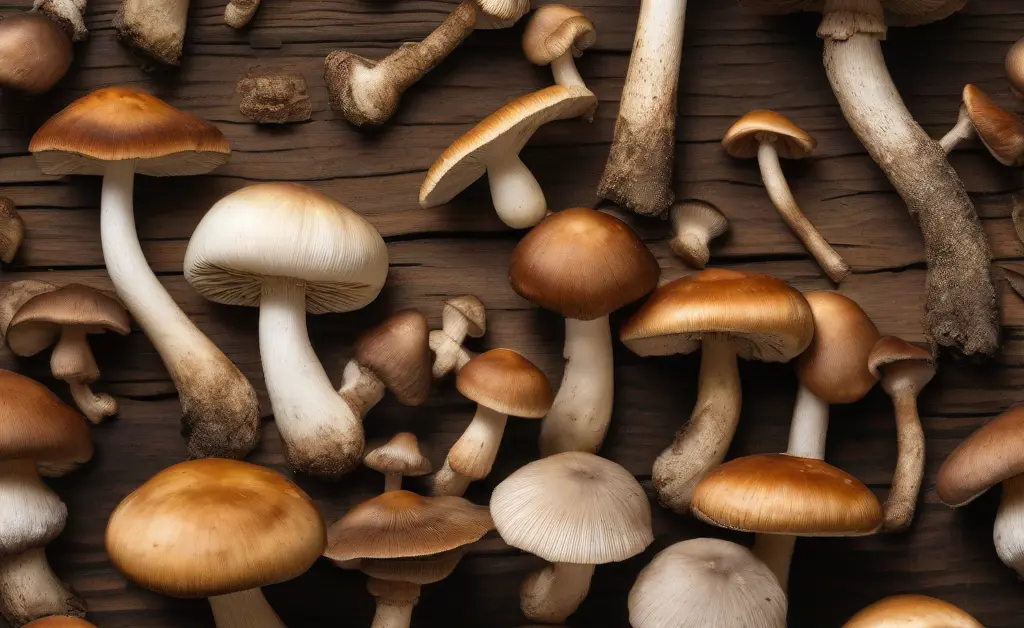
The process of identifying edible mushrooms with gills requires a meticulous approach, as distinguishing safe varieties from poisonous look-alikes is paramount. The importance of positive identification cannot be overstated; even experienced foragers adhere to the cardinal rule: “When in doubt, throw it out.” Relying on multiple identifying characteristics rather than just one is a critical safety measure. This meticulous approach is particularly important for specific types of fungi, such as hedgehog mushroom identification.
Many popular edible mushrooms have common poisonous look-alikes that can be dangerously similar in appearance. For example, some species of gilled mushrooms can resemble delicious edible varieties, leading to confusion. Key identification features to check include gill attachment, gill color (which can change with spore maturity), spore print color, cap shape and color, stem characteristics (e.g., presence of a ring or volva), and any distinctive odors or textures. The habitat where the mushroom is found also provides important context.
To enhance safety, foragers often utilize reliable field guides and specialized apps. These resources typically provide detailed descriptions, high-quality images, and information on common look-alikes. However, these tools should be used as aids, not as definitive answers, especially for beginners. It is generally recommended that individuals interested in foraging learn from experienced mycologists or local mushroom clubs. For general food safety information regarding edible items, authoritative sources like the FDA provide valuable guidance. Regarding the question, “Are all mushrooms with gills poisonous?” the answer is definitively no. Many delectable and safe edible mushrooms possess gills, but the presence of gills alone does not guarantee edibility, nor does it automatically imply toxicity. Careful, species-specific identification is always necessary.
Nutritional and Culinary Aspects of Edible Gilled Mushrooms
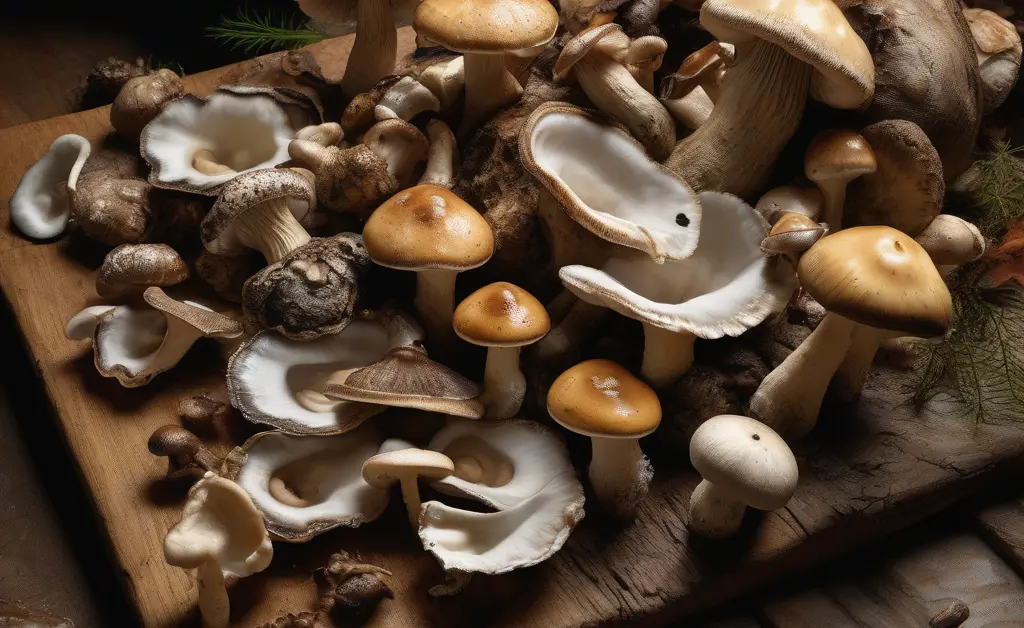
Edible mushrooms with gills are not only cherished for their diverse flavors and textures but also for their notable nutritional benefits. These fungi are often low in calories and fat, yet they provide a good source of dietary fiber, helping to support digestive health. They are recognized for containing various vitamins and minerals, including B vitamins like riboflavin, niacin, and pantothenic acid, which play roles in energy metabolism. Additionally, some gilled mushrooms may offer minerals such as selenium, copper, and potassium. They are also being studied for their potential antioxidant properties, which may contribute to overall wellness.
The culinary uses and flavor profiles of edible gilled mushrooms are incredibly diverse, making them versatile ingredients in kitchens worldwide. Oyster mushrooms, for instance, have a delicate flavor and soft texture, making them ideal for quick sautés or as a substitute for seafood in some dishes. Shiitake mushrooms contribute a robust, umami-rich taste that enhances soups, stir-fries, and sauces, while their meaty texture holds up well to cooking. Enoki mushrooms offer a mild, slightly fruity note and a distinct crunchy texture, perfect for adding fresh appeal to salads or hot pots. Chanterelles, with their earthy and peppery notes, are often celebrated in gourmet dishes, particularly with eggs or in creamy pasta sauces.
Understanding what is the difference between gilled mushrooms and pore mushrooms that are edible can further expand culinary horizons. While gilled mushrooms typically offer a broader range of textures from tender to chewy, pore mushrooms, such as various boletes, often have a denser, more uniform texture and a generally earthy flavor profile. Both types of edible mushrooms bring unique characteristics to dishes, allowing for a wide array of culinary creativity. Incorporating a variety of these fungi can enrich both the nutritional content and the sensory experience of meals.
The world of edible mushrooms with gills offers an incredible range of culinary possibilities, from everyday meals to gourmet creations. Their distinct flavors, varied textures, and potential nutritional benefits make them valuable additions to any diet. However, safe identification is paramount, especially when foraging, emphasizing the need for reliable resources and expert guidance. By appreciating their unique characteristics, from the delicate oyster to the robust shiitake, enthusiasts can confidently explore and enjoy these fascinating fungi, enhancing their culinary repertoire and deepening their connection to the natural world.
It is important to note that this content is not intended as medical advice. The information provided is for general knowledge and informational purposes only, and does not constitute a recommendation for any medical or health condition. Always consult with a qualified healthcare professional before making any decisions related to your health or incorporating new dietary elements. Individual results from dietary choices may vary.
FAQ
What are the safest edible mushrooms with gills?
Several types of gilled mushrooms are well-established as safe for consumption when properly identified and sourced. Familiar examples include the white button mushroom, shiitake, and oyster mushrooms, which are widely cultivated and recognized for their culinary appeal and safety. These varieties are often grown under controlled conditions, minimizing the risk of contamination or misidentification.
How can I tell if a gilled mushroom is safe to eat?
Distinguishing between safe and unsafe gilled mushrooms requires extensive knowledge and careful observation, often making it challenging for casual foragers. Many poisonous mushrooms closely resemble edible varieties, and relying on simple rules of thumb can be dangerous. Professional identification by an experienced mycologist or consulting with reputable guides and resources is crucial to avoid accidental poisoning.