
Simple and Delicious Enoki Beef Rolls
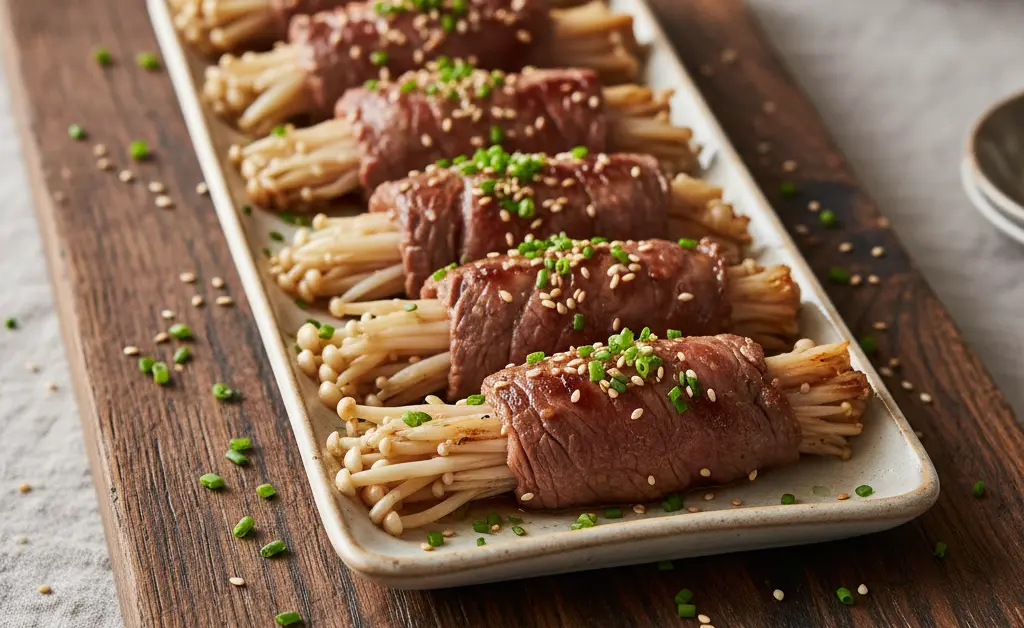
Enoki beef rolls are a delightful culinary creation that combines the delicate, earthy flavor of enoki mushrooms with the rich taste of thinly sliced beef, often enhanced by a savory marinade and sauce. This dish offers a perfect balance of textures, from the tender chewiness of the beef to the slight crispness of the enoki, making it a popular choice for both quick weeknight dinners and special occasions. Preparing this dish at home allows for customization of flavors and ingredients, ensuring a personalized touch. This comprehensive guide provides everything needed to master an exceptional enoki mushroom and beef recipe, from ingredient selection and preparation to expert cooking techniques and serving suggestions. Discover how to create these appetizing rolls that are as impressive to look at as they are delicious to eat, promising a truly satisfying meal experience.
Enoki Mushroom and Beef Recipe: An Overview
The beauty of this dish lies in its simplicity and the elegant interplay of its core components. The thinly sliced beef acts as a savory wrapper for the delicate enoki mushrooms, which absorb the flavors of the meat and the accompanying sauce while cooking. The result is a bite-sized roll that is juicy, flavorful, and texturally interesting. Understanding the role of each element is the first step toward perfecting this popular enoki mushroom and beef recipe, which is celebrated in many Asian cuisines for its quick preparation and delicious outcome.
Marinade and Seasonings
The marinade is crucial for infusing the beef with flavor and ensuring it remains tender during the quick cooking process. A typical marinade is built on a base of soy sauce, which provides a salty and umami depth. This is often balanced with sweet elements like mirin or sugar, and sometimes a splash of sake for complexity. Other common seasonings include garlic, ginger, and sesame oil, which add layers of aromatic flavor that penetrate the meat.
Preparing the Beef
The choice of beef is fundamental to the success of the dish. Look for cuts that are well-marbled and can be sliced very thinly, such as sirloin, ribeye, or beef chuck. Many Asian grocery stores sell pre-sliced beef specifically for hot pot or grilling, which is ideal for this purpose. If slicing the beef yourself, partially freezing it can make it much easier to achieve paper-thin slices. The thinness ensures the beef cooks quickly and wraps neatly around the mushrooms.
Preparing the Enoki Mushrooms
Enoki mushrooms have a mild, slightly sweet flavor and a firm, pleasant texture. To prepare them, start by trimming off the woody, dirt-covered base of the cluster. Gently rinse the mushrooms under cool water and pat them dry. Once clean, separate the large cluster into smaller, bite-sized bundles that will fit comfortably within the beef slices. These bundles should be substantial enough to provide a good mushroom-to-beef ratio in each roll.
Ingredients You’ll Need
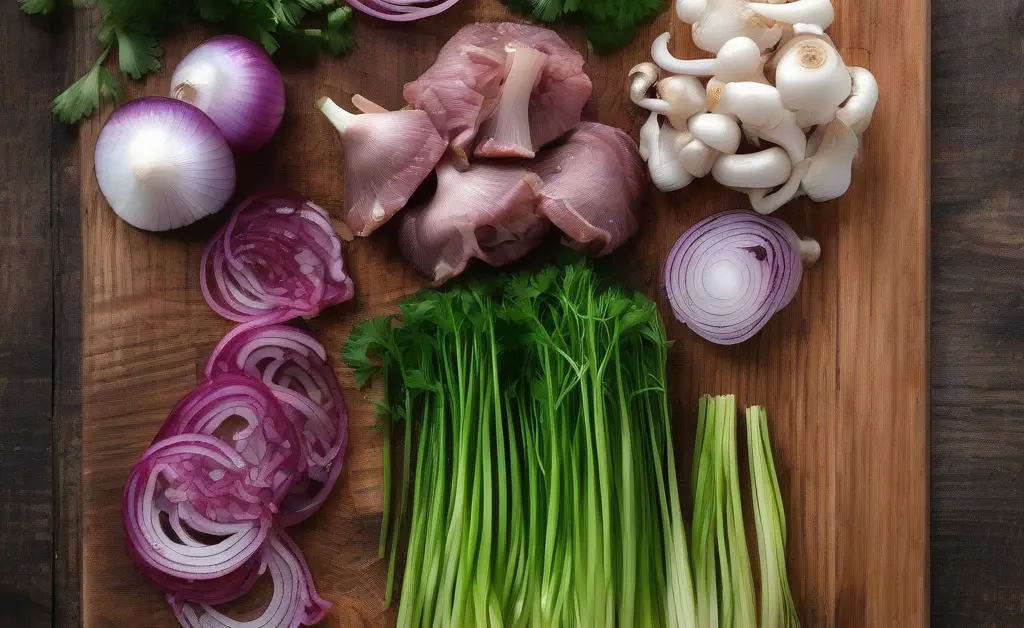
Gathering the right components is essential for a flavorful and authentic dish. While the core ingredients are straightforward, the quality of each one contributes significantly to the final taste. A successful enoki mushroom and beef recipe relies on a balance between the savory beef, earthy mushrooms, and a well-seasoned sauce. The primary ingredients can be grouped into a few key categories.
- Protein: Thinly sliced beef (sirloin, ribeye, or pre-sliced hot pot meat).
- Vegetable: Fresh enoki mushrooms.
- Marinade and Sauce: Soy sauce, mirin, sake, sugar, and optional aromatics like minced garlic or ginger.
- Cooking Oil: A neutral oil with a high smoke point, such as canola or vegetable oil.
- Garnishes: Toasted sesame seeds and finely chopped scallions or green onions.
Assembling the Rolls
The assembly process is simple but requires a gentle touch. Lay a slice of marinated beef flat on a clean work surface. Place a small bundle of prepared enoki mushrooms near one end of the beef slice. Tightly roll the beef around the mushrooms, ensuring the bundle is secure. The goal is to create a compact roll that will hold its shape during cooking.
Cooking the Rolls
The most common method for cooking enoki beef rolls is pan-searing. This technique creates a delicious caramelized crust on the beef while gently cooking the mushrooms inside. A non-stick or well-seasoned cast-iron skillet is an excellent choice for this task. The rolls are cooked for just a few minutes, making this a very quick dish to prepare once the assembly is complete.
Making the Sauce
The sauce is what brings the entire dish together. Often, the sauce is created directly in the same pan used to cook the rolls. After the rolls are seared, they can be temporarily removed while the sauce ingredients are added to the pan. The simmering sauce deglazes the pan, incorporating all the flavorful browned bits left behind by the beef. The rolls are then returned to the pan to be coated in the glossy, thickened sauce.
Step-by-Step Instructions
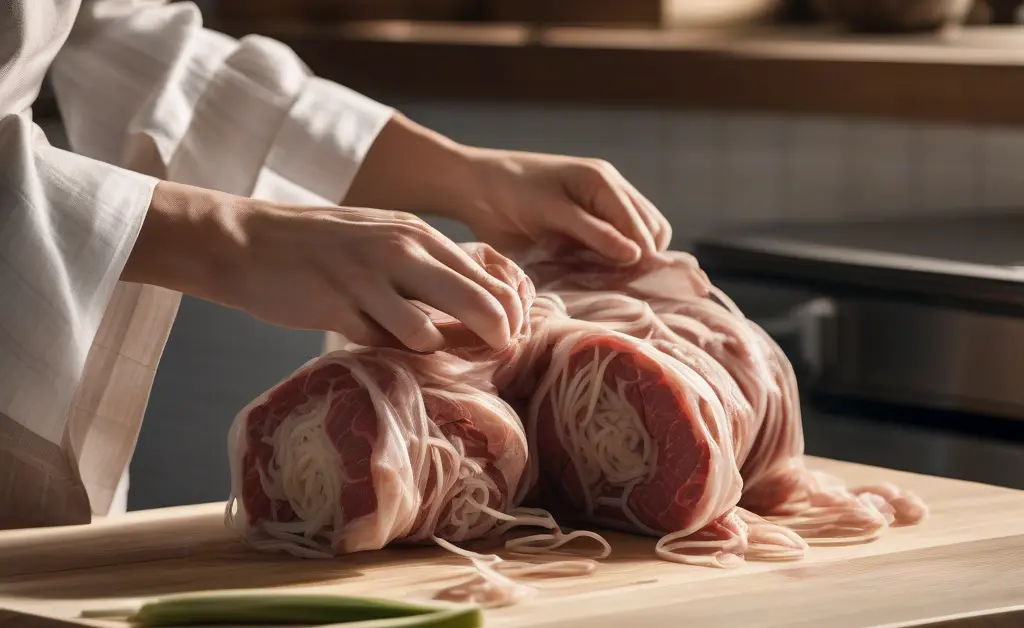
Following a clear, methodical process will help ensure your enoki beef rolls turn out perfectly every time. From wrapping the ingredients to managing the heat of the pan, each step plays a vital role. This detailed guide breaks down the cooking process, providing the key techniques needed to master this enoki mushroom and beef recipe at home.
Properly Wrapping the Rolls
To ensure your rolls stay intact, technique matters. After placing the enoki bundle on the beef slice, begin rolling from that end, keeping the roll snug but not so tight that the beef tears. Once the roll is formed, place it seam-side down on your plate or tray. This helps seal the edge before it even hits the pan. When you transfer the rolls to the skillet, continue to place them seam-side down first to sear the edge closed, preventing them from unraveling as they cook.
Cooking Temperature and Time
Maintaining the correct pan temperature is key. Use a medium to medium-high heat. The pan should be hot enough to create an immediate sizzle when the rolls are added, but not so hot that the beef burns before the mushrooms inside have a chance to soften. The rolls cook very quickly. They generally need to be seared on all sides until the beef is browned and cooked through, and the mushrooms are tender-crisp.
Achieving a Good Sear
A good sear adds immense flavor and texture. First, ensure your pan is adequately preheated before adding the oil and the beef rolls. Second, do not overcrowd the pan. Cooking the rolls in batches if necessary gives them enough space to sear rather than steam. Finally, allow the rolls to cook undisturbed for a short period on each side to develop a deep, brown crust before turning them.
Tips for Perfect Enoki Beef Rolls
While the basic preparation is straightforward, a few expert tips can elevate your dish from good to great. Small adjustments to the marinade, cooking process, or ingredients can introduce new flavors and textures. The flexibility of this enoki mushroom and beef recipe allows for plenty of creative enhancements that cater to your personal taste.
Different Marinades
Feel free to experiment with the marinade to find your favorite flavor profile. For a spicier kick, add a dash of chili oil or some gochujang. For a deeper, more complex sweetness, you could substitute honey or brown sugar for white sugar. A small amount of grated pear or apple in the marinade is a classic technique used in Korean cooking to tenderize the meat and add a subtle, fruity sweetness.
Adding Vegetables
Enoki mushrooms are not the only vegetable that works well in these rolls. You can add other thinly sliced, quick-cooking vegetables alongside the mushrooms for more color, flavor, and nutritional value. Fine julienned carrots, thin slivers of bell pepper, or blanched asparagus spears are all excellent additions. Simply place them next to the enoki mushrooms before rolling up the beef. Emphasizing nutritious meals is often highlighted by health organizations like the WHO.
Variations and Serving Suggestions
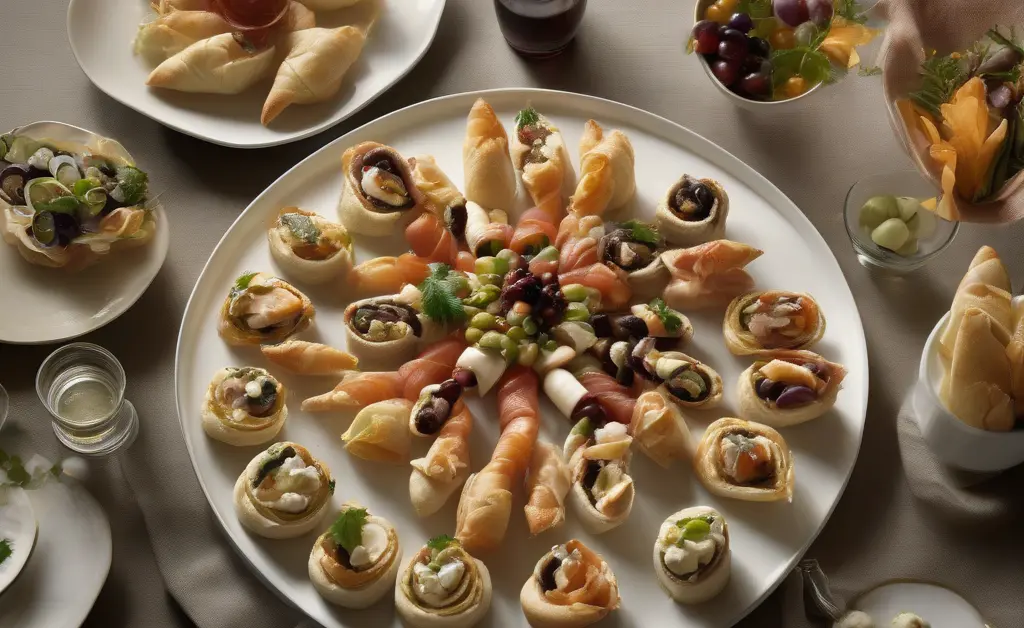
One of the best aspects of enoki beef rolls is their versatility. They can be served as an appetizer, a main course, or part of a larger meal. There are numerous ways to customize their presentation and pairing to suit any occasion, from a simple family dinner to a more elaborate gathering.
Serving with Rice
The classic way to serve enoki beef rolls as a main course is over a bed of fluffy, steamed white rice. The rice provides a neutral base that perfectly complements the rich, savory flavors of the beef and sauce. Drizzle any extra sauce from the pan over the rolls and rice to ensure every bite is packed with flavor.
Garnishes
Garnishes add the finishing touch, providing visual appeal and an extra layer of flavor and texture. Toasted sesame seeds are a popular choice, adding a nutty crunch. Finely chopped scallions or chives offer a fresh, mild onion flavor that cuts through the richness of the beef. For those who enjoy a bit of heat, a sprinkle of red pepper flakes can also be a welcome addition.
Creating enoki beef rolls at home is a rewarding culinary endeavor that yields impressive results with minimal effort. The combination of savory beef, delicate mushrooms, and a sweet and salty sauce is undeniably delicious. By following the steps for preparation, assembly, and cooking, you can easily produce a dish that is perfect for any occasion. Whether served as a satisfying main course with rice or as an elegant appetizer, these rolls are sure to become a favorite in your cooking repertoire.
The information presented in this article is educational and not meant as professional medical counsel. The content is not intended to provide dietary advice or to be a substitute for consultation with a qualified nutritionist or healthcare professional. Always seek the advice of a professional for any questions you may have regarding your diet or health conditions. Individual dietary needs and restrictions can vary, and it is important to ensure that the ingredients and preparation methods align with your personal health requirements.
FAQ
What kind of beef is best for enoki beef rolls?
Thinly sliced beef cuts that are tender and have a good fat marbling are ideal. Ribeye or sirloin, sliced paper-thin against the grain, allows the beef to become tender and flavorful when cooked quickly. This thinness is crucial for achieving the desired texture and ensuring even cooking around the mushrooms.
How do you cook enoki mushroom beef rolls?
Typically, enoki mushroom and beef rolls are pan-fried or grilled until the beef is browned and cooked through. A hot pan or grill sears the beef quickly, rendering its fat and creating a delightful crispiness. This method ensures the enoki mushrooms are gently steamed within the beef wrapping.
What is the best way to wrap enoki mushrooms with beef?
To wrap them, take a thin slice of beef and place a bundle of enoki mushrooms at one end. Roll the beef tightly around the mushroom bundle, ensuring the mushrooms are fully enclosed. This method keeps the mushrooms contained and allows them to cook evenly within the beef.
How long do enoki beef rolls take to cook?
The cooking time for enoki beef rolls is generally quite short, usually ranging from a few minutes per side. Because the beef is sliced so thinly, it cooks very rapidly, often in under ten minutes total. Watch for the beef to turn golden brown and appear cooked through.
What kind of sauce goes well with enoki beef rolls?
Savory and slightly sweet sauces complement the rich flavor of the beef and delicate enoki mushrooms. A teriyaki-style glaze, a soy-based dipping sauce with garlic and ginger, or a light ponzu sauce are often excellent pairings. These sauces add an extra layer of umami and brightness to the dish.
Continue reading
You May Also Like
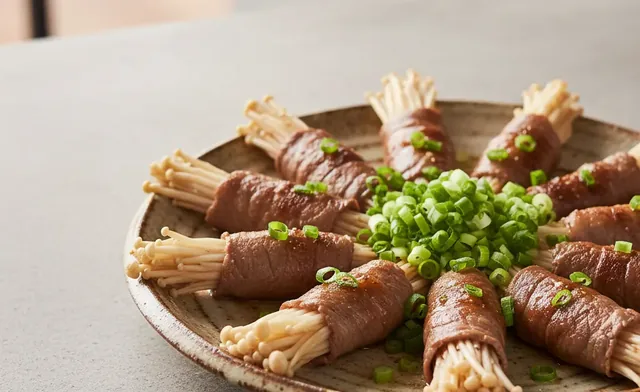
Simple and Delicious Enoki Beef Rolls
Master this simple yet elegant enoki mushroom and beef recipe with our detailed guide to creating perfectly tender and savory rolls at home.
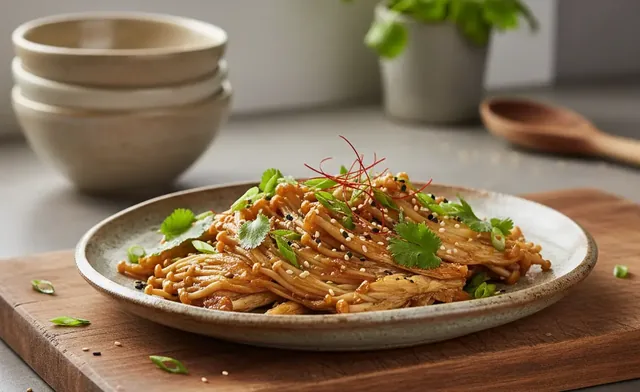
The Simple Way to Make Delicious Vegan Enoki Mushrooms
This simple and healthy enoki mushroom vegan recipe provides a nutritious method for preparing these delicate fungi with our easy-to-follow guide.
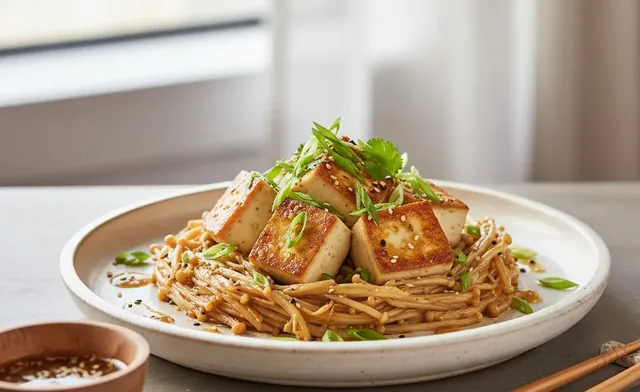
Enoki Mushrooms with Tofu: A Simple and Healthy Recipe
Create a delicious, healthy meal in minutes with our practical enoki mushroom and tofu recipe, using simple steps and easy-to-find ingredients.