
Enoki Mushrooms with Tofu: A Simple and Healthy Recipe
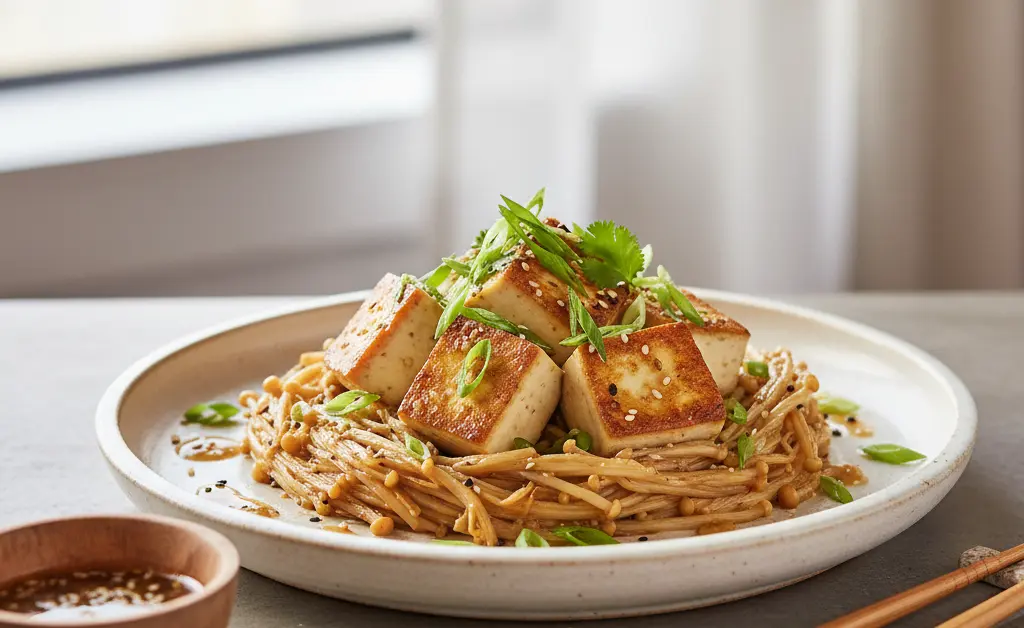
Modern lifestyles often demand meals that are both nourishing and easy to prepare, catering to a growing desire for plant-forward and health-conscious options. In this context, ingredients like enoki mushrooms and tofu shine, offering a versatile foundation for delicious and satisfying dishes. Known for their delicate texture and ability to absorb flavors, enoki mushrooms complement the mild, protein-rich profile of tofu beautifully. This article explores a simple yet flavorful approach to combining these two versatile ingredients, providing a comprehensive guide to mastering an enoki mushroom and tofu recipe that fits perfectly into any contemporary diet. It’s an ideal choice for anyone seeking to elevate their weeknight meals with nutritious, Asian-inspired flavors.
Ingredients for Enoki Mushroom and Tofu Recipe
The beauty of combining enoki mushrooms and tofu lies in its simplicity. The core ingredients are readily available and serve as a canvas for a wide array of flavors. To create a successful dish, you’ll want to gather a few key components from each category.
- Tofu: The type of tofu you choose can significantly impact the final texture of your dish. Firm or extra-firm tofu types are generally recommended as they hold their shape well during cooking, whether you’re pan-frying, braising, or adding them to a soup. Silken or soft tofu can also be used, particularly in soups or steamed dishes, where a softer, custard-like texture is desired.
- Enoki Mushrooms: These delicate, long-stemmed mushrooms are the star of the show. When selecting them, look for clusters that are firm, white, and dry. Their preparation is simple and involves trimming the root base and gently separating the strands.
- Sauce Components: The sauce brings all the elements together. A basic sauce might include soy sauce (or tamari for a gluten-free option), sesame oil for nutty aroma, a touch of sweetener like maple syrup or agave, and rice vinegar for a hint of acidity.
- Aromatics and Garnishes: Finely minced garlic and ginger are foundational aromatics that build a deep flavor base. For finishing the dish, fresh garnishes like chopped scallions, cilantro, or a sprinkle of sesame seeds add freshness and visual appeal.
Making braised tofu and enoki mushrooms!
For a braised version of this dish, the ingredient list is slightly adjusted to create a richer, more savory sauce that thickens beautifully. In addition to the core components, consider incorporating vegetable broth as the primary liquid base. A thickening agent, such as a cornstarch or arrowroot slurry, is essential for achieving the right consistency. For a deeper, more complex flavor profile, you might also include dark soy sauce, which adds color and a molasses-like sweetness, or a spoonful of a flavorful paste like miso or gochujang.
Simple Enoki Mushroom and Tofu Recipe
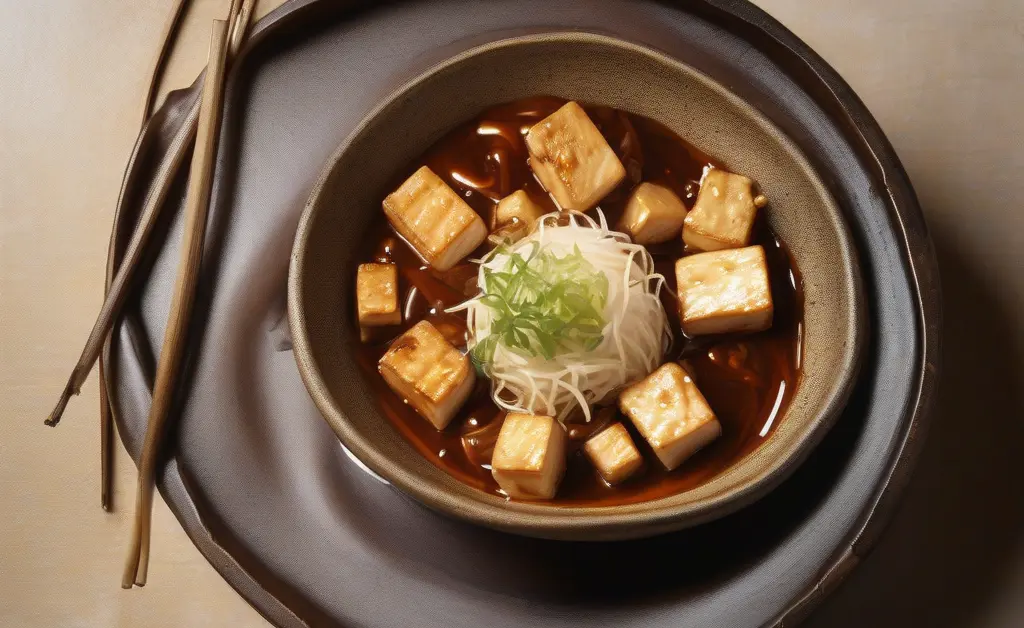
At its heart, a simple enoki mushroom and tofu recipe is an exercise in balance and texture. The mild, absorbent nature of both main ingredients means they pair wonderfully with a savory, aromatic sauce. This foundational approach involves gently pan-searing pressed tofu until golden, then creating a quick sauce in the same pan with garlic and ginger. The enoki mushrooms are added near the end of cooking, as they only need a minute or two to wilt and become tender. This method ensures each component retains its distinct character while harmonizing with the others.
Enoki mushroom and tofu soup recipe
Transforming this pairing into a comforting soup is another straightforward option. An enoki mushroom and tofu soup can be built on various broths, from a simple vegetable or mushroom stock to a more complex miso base. For this variation, soft or silken tofu is an excellent choice, as its creamy texture complements the delicate mushroom strands. The tofu can be cubed and gently simmered in the broth with the enoki mushrooms. The soup is often finished with a drizzle of sesame oil and a scattering of fresh scallions, creating a light yet deeply satisfying meal.
Healthy Enoki Mushroom and Tofu Recipe
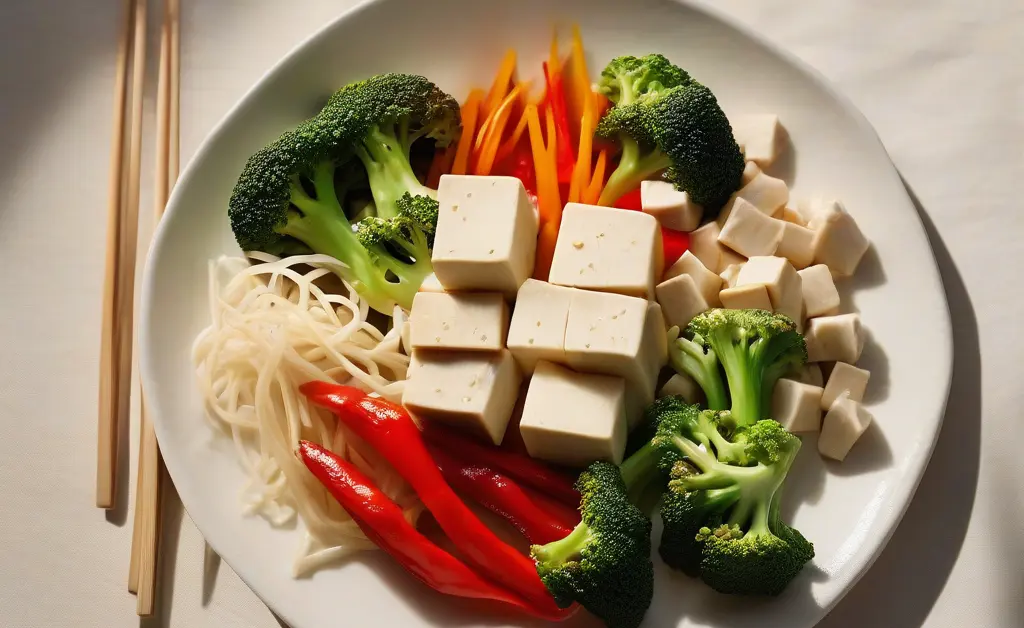
This dish is inherently nutritious, but a few adjustments can enhance its health benefits even further. To create a particularly healthy enoki mushroom and tofu recipe, focus on the cooking method and sauce ingredients. Steaming the tofu and enoki mushrooms instead of frying minimizes added oils. When making the sauce, opt for low-sodium soy sauce or tamari to manage sodium content. You can also boost the nutritional value by loading the dish with other vegetables, such as steamed broccoli, sliced bell peppers, or bok choy, which add fiber, vitamins, and minerals without compromising the core flavors. For additional dietary and health guidelines, reliable sources such as the CDC offer comprehensive information.
Tofu and enoki mushroom stir fry
A tofu and enoki mushroom stir fry is a perfect example of a quick, healthy cooking method. The high heat of a wok or large skillet cooks the ingredients rapidly, helping them retain their texture and nutrients. Start by stir-frying aromatics like garlic and ginger, followed by pressed, cubed tofu until it develops a light crust. Add other quick-cooking vegetables if desired, and then toss in the enoki mushrooms and sauce for the final minute of cooking. The key is to keep everything moving to ensure it cooks evenly without becoming soggy.
Easy Enoki Mushroom and Tofu Recipe
For those short on time, preparing an easy enoki mushroom and tofu recipe can be a weeknight lifesaver. The key is to streamline the process. Using pre-pressed tofu saves a significant amount of prep time. A simple, no-cook sauce can be whisked together in a bowl while the tofu sears. Because enoki mushrooms cook in under two minutes, the entire dish can come together in the time it takes to cook a pot of rice. This minimal-effort approach delivers a flavorful and satisfying meal without a lot of fuss.
Enoki Mushroom and Tofu Poke Bowl
For a creative and incredibly easy meal, consider assembling an enoki mushroom and tofu poke bowl. This deconstructed approach requires minimal cooking. Start with a base of sushi rice or quinoa. Top it with pan-seared or baked tofu, and then add fresh, raw enoki mushrooms that have been tossed in a light soy-sesame dressing. Complement these with classic poke bowl toppings like sliced avocado, edamame, cucumber, and a sprinkle of toasted sesame seeds. This method is not only simple but also highly customizable.
Chinese Enoki Mushroom and Tofu Recipe
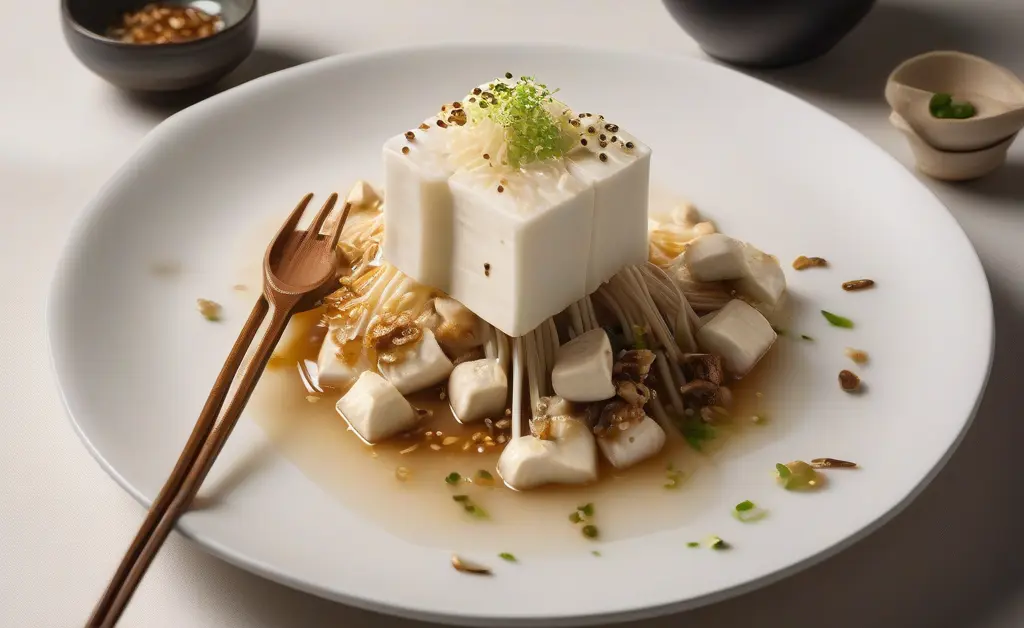
In many styles of Chinese cooking, the combination of tofu and enoki mushrooms is celebrated for its subtle flavors and delicate textures. A popular preparation involves steaming. A block of silken tofu might be placed on a plate, topped with a bundle of enoki mushrooms, and steamed until just cooked through. The dish is then finished with a dressing made from light soy sauce, sesame oil, and sometimes a dash of sugar, which is poured over the top. The final flourish is often a sprinkle of fried garlic or sizzling scallion oil, which adds a fragrant, savory dimension. This specific approach highlights the clean, pure flavors of a classic Chinese enoki mushroom and tofu recipe.
Instructions for Enoki Mushroom and Tofu Recipe
Preparing this dish is a straightforward process that can be broken down into a few key steps. Following this general guide will help you achieve a delicious result, whether you are braising, stir-frying, or making a soup.
- Prepare the Tofu: If using firm or extra-firm tofu, pressing it first is highly recommended. This removes excess water, allowing the tofu to brown better and absorb more flavor. Once pressed, cut the tofu into your desired shape, such as cubes or slabs.
- Prepare the Enoki Mushrooms: The preparation for enoki mushrooms is minimal. Simply trim off the woody, dense base of the cluster. Gently pull the mushroom strands apart with your hands to separate them. There is no need to wash them if they appear clean; a gentle wipe with a paper towel is sufficient.
- Make the Sauce: In a small bowl, whisk together your chosen sauce ingredients. This typically includes a base like soy sauce, an aromatic element like sesame oil, a touch of sweetness, and aromatics like minced garlic and ginger. Preparing the sauce ahead of time ensures it’s ready to be added to the pan at the right moment.
- Combine and Cook: The cooking process begins with heating a neutral oil in a pan or wok. Add the tofu and cook until it’s golden brown on all sides. Add the prepared sauce and bring it to a simmer, allowing the tofu to absorb the flavors. Finally, add the enoki mushrooms and cook for just a minute or two, until they are wilted and tender.
- Serve: Once the mushrooms are cooked, the dish is ready. Transfer it to a serving plate and garnish with fresh elements like chopped scallions, cilantro, or sesame seeds. It is best served immediately with a side of steamed rice or noodles.
Tips and Variations for Enoki Mushroom and Tofu Recipe
Once you’ve mastered the basic recipe, there are many ways to customize it to your personal taste and dietary needs. These tips and variations can help you enhance the flavor, adapt the texture, and make the dish your own.
- Choosing the Right Tofu: For stir-fries and pan-seared dishes, extra-firm tofu is ideal because it holds its shape. For soups and steamed preparations where a softer texture is desired, silken or soft tofu works beautifully.
- Enhancing Flavor: To add more depth, consider marinating the tofu for at least 15-20 minutes before cooking. A simple marinade of soy sauce, garlic, and sesame oil can make a big difference. You can also introduce other flavors into the sauce, such as mushroom powder for umami, a bit of chili garlic sauce for heat, or a spoonful of miso paste for savory complexity.
- Serving Suggestions: This dish pairs wonderfully with a variety of starches. Serve it over steamed jasmine rice, brown rice, quinoa, or your favorite noodles. It can also be served as one of several small dishes in a shared meal.
- Dietary Adaptations: For a gluten-free version, simply substitute soy sauce with tamari or coconut aminos. To add more plant-based protein, consider adding edamame or chickpeas along with the other ingredients. You can also expand the vegetable content by incorporating broccoli florets, sliced carrots, snow peas, or bok choy into the stir-fry or braise.
The versatility of enoki mushrooms and tofu makes them a fantastic pairing for a wide range of culinary explorations. Whether you prefer a quick stir-fry, a comforting soup, or a rich braise, this combination offers a satisfying and nourishing foundation. By experimenting with different sauces, aromatics, and accompanying vegetables, you can easily create a dish that is both familiar and exciting. This simple recipe serves as a perfect starting point for countless delicious, plant-forward meals.
Readers should understand that this article does not offer medical diagnosis or treatment. The information provided is intended for general informational and culinary purposes only. It should not be considered a substitute for professional dietary advice or nutritional guidance. Individual dietary needs and health conditions vary, so it is always best to consult with a qualified healthcare provider or registered dietitian for personalized advice.
FAQ
What kind of tofu is best for enoki mushroom and tofu recipes?
For recipes where you want tofu to absorb flavors and hold its shape, firm or extra-firm tofu is generally preferred. If a softer, more delicate texture is desired, silken or medium-firm tofu can also work well, especially in soups or braises. The choice ultimately depends on the cooking method and the desired final consistency of your dish.
Continue reading
You May Also Like
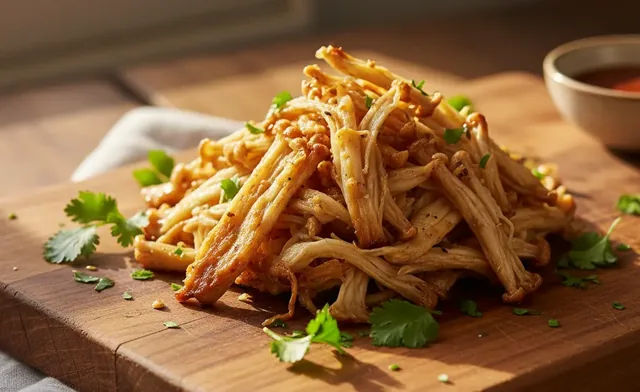
Crispy Baked Enoki Mushrooms: A Simple Oven Recipe
Our simple enoki mushroom oven recipe leverages dry heat to transform their delicate texture into a uniquely crispy and deeply savory snack.
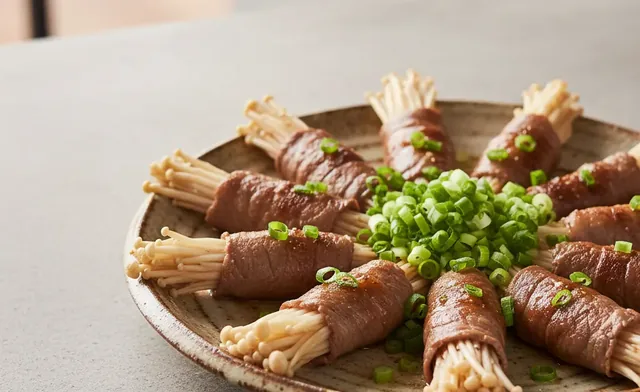
Simple and Delicious Enoki Beef Rolls
Master this simple yet elegant enoki mushroom and beef recipe with our detailed guide to creating perfectly tender and savory rolls at home.
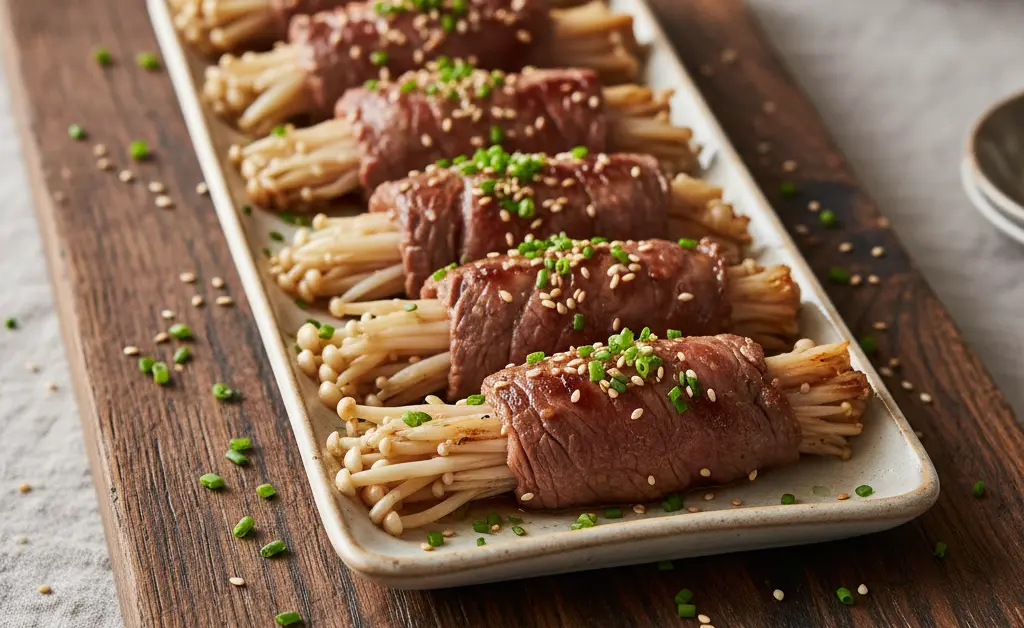
Simple and Delicious Enoki Beef Rolls
Master this simple yet elegant enoki mushroom and beef recipe with our detailed guide to creating perfectly tender and savory rolls at home.