
How to Make Authentic Enoki Mushroom Banchan
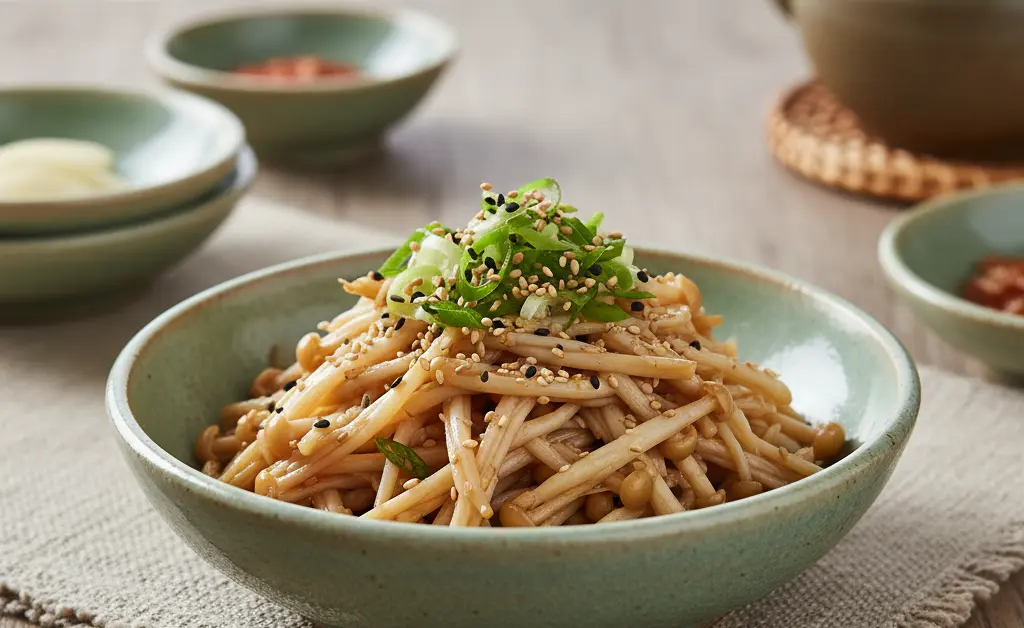
Many home cooks and culinary enthusiasts are always looking for simple yet flavorful side dishes to complement their meals. Among the myriad of Korean side dishes, or banchan, certain ingredients stand out for their versatility and unique texture. Enoki mushrooms, with their delicate strands and mild earthy taste, are a prime candidate for such preparations. This article will guide you through creating an authentic enoki mushroom banchan, a delightful and healthy addition to any dining experience. Most people find that this particular banchan offers a refreshing contrast to richer main courses. It’s a dish that, once mastered, becomes a staple for many who appreciate Korean cuisine, providing both a textural and a taste highlight.
Enoki Mushroom Banchan Recipe
Creating this delightful Korean side dish is a straightforward process that highlights the unique characteristics of enoki mushrooms. The key is to handle the mushrooms gently and cook them just enough to soften them while retaining a slight bite. The following sections outline the essential components and steps to prepare this dish. Mastering this basic recipe for enoki mushroom banchan opens the door to many flavorful variations that can be tailored to your personal preference.
Ingredients for Enoki Banchan
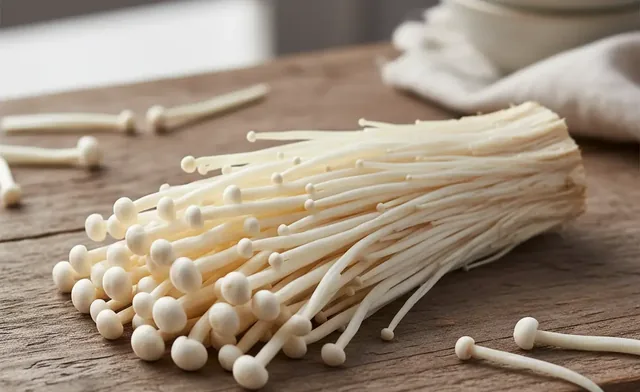
The beauty of this dish lies in its simplicity. To begin, you will need fresh enoki mushrooms, which are the star ingredient. Look for bunches that are firm, white, and dry, avoiding any that appear slimy or discolored. The core components for the seasoning sauce typically include soy sauce for a savory, umami base, and toasted sesame oil for its nutty aroma and flavor. Freshly minced garlic and finely chopped scallions are essential for adding pungent and fresh notes. Other common additions include sesame seeds for texture and a touch of sweetness from sugar or a liquid sweetener to balance the flavors.
Step-by-Step Instructions
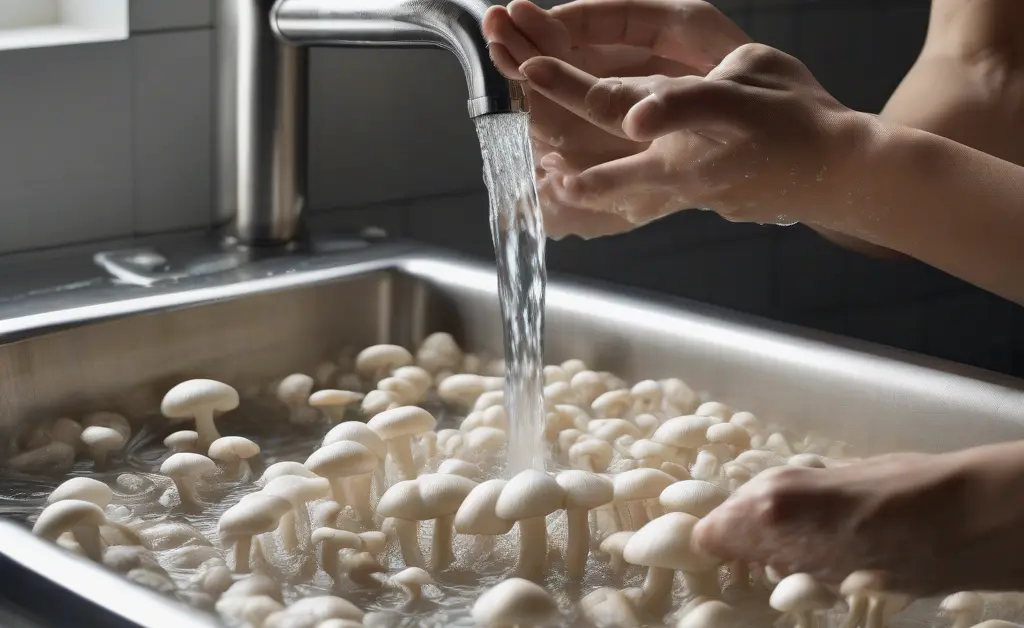
First, prepare the enoki mushrooms. Start by trimming off the tough, compacted base of the mushroom cluster. Gently rinse the mushrooms under cool water, being careful not to saturate them, and pat them dry. Carefully separate the mushroom stems into smaller, more manageable clumps.
The next step is to cook the mushrooms. A common method is blanching them in boiling water for a very short time, just until they are tender yet still have a slight crunch. Immediately transfer them to an ice bath to stop the cooking process and preserve their texture. Once cooled, gently squeeze out any excess water. In a mixing bowl, combine the prepared enoki mushrooms with the sauce ingredients—soy sauce, sesame oil, garlic, and scallions. Toss gently to ensure the mushrooms are evenly coated. The dish can be served immediately or chilled for later.
Classic Enoki Mushroom Banchan Recipe
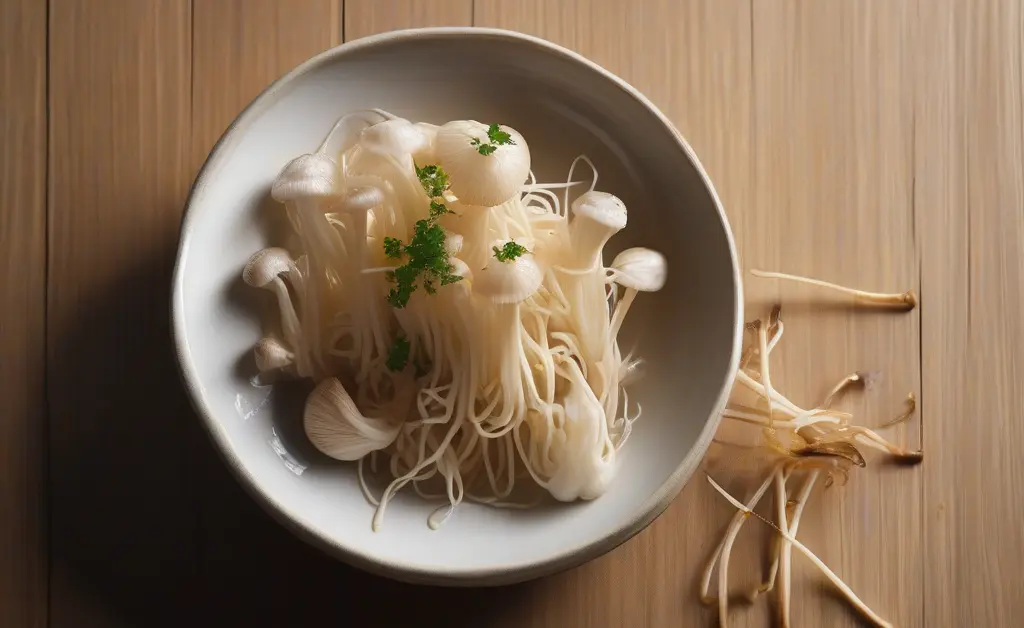
The classic version of this dish focuses on a savory and aromatic flavor profile that is both simple and deeply satisfying. This preparation allows the delicate, earthy taste and unique stringy texture of the enoki mushrooms to shine. By focusing on a well-balanced sauce, you create a versatile side that complements a wide array of main courses, from grilled meats to hearty stews. A perfectly executed classic enoki mushroom banchan is a testament to how simple, high-quality ingredients can be transformed into a memorable part of any meal.
Sauce Components (Soy Sauce, Garlic, Scallions, Sesame Oil)
The harmony of the sauce is crucial. Soy sauce serves as the foundation, providing the primary savory and umami notes. The amount can be adjusted depending on the saltiness of the brand and personal taste. Minced garlic introduces a sharp, pungent kick that cuts through the richness, while finely chopped scallions add a fresh, mild onion flavor and a pop of green color. Finally, toasted sesame oil is drizzled in to lend its distinctive nutty fragrance and rich flavor, tying all the components together into a cohesive and aromatic dressing. Balancing these four elements is key to the authentic taste of the banchan.
Spicy Enoki Banchan
For those who enjoy a bit of heat, adapting the classic recipe is simple. The primary ingredient for adding spice is Korean chili flakes, known as gochugaru. These flakes offer a vibrant red color and a complex heat that can range from mild to very hot. A small amount can be mixed directly into the sauce to infuse the dish with a gentle warmth. Alternatively, for a deeper and slightly sweeter spiciness, a spoonful of Korean chili paste, or gochujang, can be incorporated. When adding spice, it’s important to adjust the other seasonings to maintain a balanced flavor profile, ensuring the heat complements rather than overpowers the delicate mushrooms.
Tips for Making the Best Enoki Banchan
Achieving the perfect texture and flavor in your banchan relies on a few key techniques. Selecting the freshest enoki mushrooms is the first step; they should be bright white and firm. A critical tip is to avoid overcooking the mushrooms. A brief blanch or a quick stir-fry is all that’s needed to make them tender. Overcooking will result in a mushy texture, losing the desirable crisp-tender quality. Also, ensure the mushrooms are well-drained after cooking to prevent a watery sauce. These small details will significantly elevate your homemade enoki mushroom banchan.
Enoki Mushroom Salad
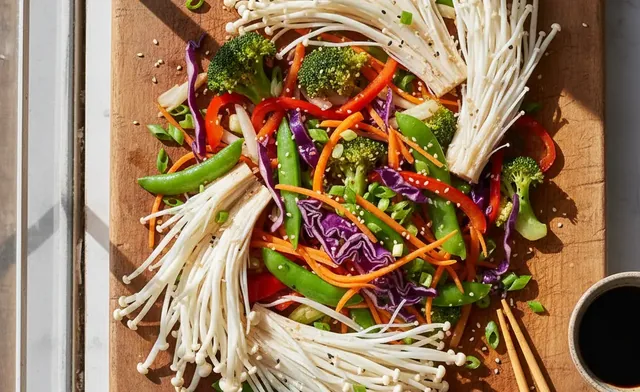
This dish is often served chilled, making it function beautifully as a cold enoki mushroom salad. Its light and refreshing nature provides a wonderful contrast to heavier or richer dishes in a Korean meal setting. To enhance its salad-like qualities, you can incorporate other finely julienned vegetables. Thin strips of carrot, bell pepper, or cucumber can be added for extra crunch, color, and nutritional value. For more insights into the health benefits of various foods, resources like the NIH provide extensive information. The key is to keep the additions delicate so they do not overwhelm the main ingredient. Served this way, the banchan becomes a vibrant and texturally diverse side salad.
The versatility of enoki mushrooms makes them a wonderful addition to any kitchen repertoire. Once you are comfortable making a basic enoki mushroom banchan, you can explore other preparations such as Korean enoki mushroom pancakes or adding them to ramen for extra texture. The simple yet profound flavors of this dish make it a recurring favorite. Proper storage in an airtight container in the refrigerator will keep the banchan fresh for a few days, allowing its flavors to meld and deepen over time.
This article is written for general understanding and not for medical decision-making. The information provided is for culinary and informational purposes only and should not be considered a substitute for professional dietary advice. Individuals with food allergies or specific health conditions should consult with a qualified healthcare provider or a registered dietitian before making changes to their diet. The nutritional benefits mentioned are based on general knowledge of the ingredients and not on specific medical studies.
FAQ
How do you cook enoki mushrooms for banchan?
Enoki mushrooms are typically cooked briefly to retain their delicate texture. They can be lightly sautéed with seasonings, blanched, or steamed as a component of banchan. This quick cooking method helps them absorb flavors without becoming mushy.
What is enoki mushroom banchan made of?
Enoki mushroom banchan often features the mushrooms themselves as the star ingredient, seasoned with common Korean pantry staples. These can include soy sauce, garlic, sesame oil, and sometimes a touch of sweetness. Other complementary ingredients like green onions or chili flakes might be added for flavor and visual appeal.
Can you eat enoki mushrooms raw in banchan?
While enoki mushrooms can technically be eaten raw, it is generally not recommended for banchan preparations. Cooking them, even briefly, helps to break down their cellular structure, making them easier to digest and more palatable. Raw enokis can have a slightly bitter taste and a tougher texture.
How do you prepare enoki mushrooms for Korean side dishes?
Preparation for enoki mushrooms in Korean side dishes usually begins with cleaning and trimming the base. The mushrooms are then separated into smaller clumps or strands. Depending on the specific banchan recipe, they will then be subjected to a chosen cooking method, such as blanching or sautéing, before being dressed with seasonings.
Continue reading
You May Also Like
How to Make Authentic Enoki Mushroom Xing Fu Bao
This simple and authentic recipe provides all the ingredients and clear instructions needed to make delicious enoki mushroom xing fu bao at home.
The Essential Guide to Cooking Enoki Mushrooms
Properly cooking enoki mushrooms is key to preserving their delicate cellular structure, resulting in a signature mild flavor and satisfying bite.
Everything You Need to Know About Enoki Mushrooms
The delicate enoki mushroom is prized for its unique health benefits and culinary versatility, with key nutrition facts you should know.