
The Art of Enoki Mushrooms in Hot Pot
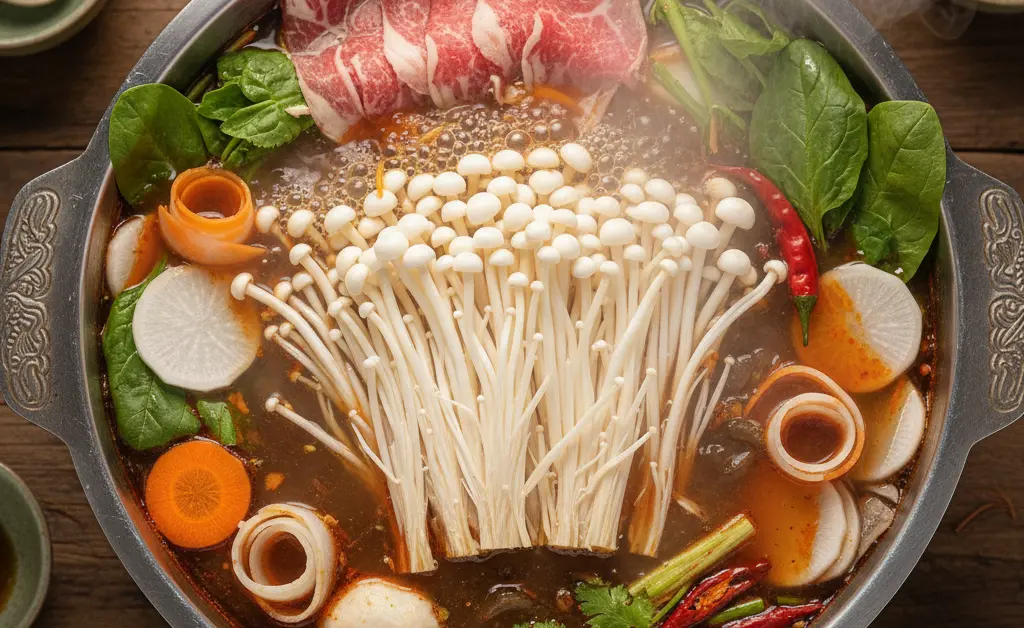
Enoki mushrooms, with their slender stems and small caps, contribute a unique textural and subtle earthy flavor to culinary dishes. Beyond their delicate taste, these versatile fungi are also valued for their nutritional profile, including B vitamins and dietary fiber, making them a beneficial addition to any meal. Their ability to absorb flavors from their surroundings makes them a prized ingredient in various cuisines, particularly in simmering broths where their qualities truly shine. Mastering the art of integrating these delicate fungi into your cooking is essential for maximizing their appeal and ensuring they retain their desirable characteristics. This guide will explore the best practices for incorporating enoki mushroom for hotpot, ensuring a delightful and enriching dining experience that highlights this ingredient’s best qualities.
Why Enoki Mushrooms are a Hot Pot Favorite
Enoki mushrooms have secured their place as a staple ingredient in hot pot for several compelling reasons. Their most celebrated attribute is their unique texture. When cooked briefly, they offer a delightful, slightly crisp and chewy bite that resembles delicate noodles. This textural contrast is highly prized in a dish featuring many softer ingredients. While primarily known for hot pot, they are also a fantastic ingredient as enoki mushroom for bibimbap, adding texture and flavor to rice bowls.
Furthermore, enoki mushrooms are culinary sponges, excelling at soaking up the rich, complex flavors of the hot pot broth. Their mild, subtly sweet taste does not overpower the soup but instead becomes a carrier for its savory essence. As they cook, they absorb the nuances of the broth, whether it’s a spicy Sichuan base, a savory bone broth, or a light vegetable stock, delivering a burst of flavor with every bite.
Visually, they add a touch of elegance and interest to the communal pot. Their long, slender, ivory-colored stems create a beautiful, delicate appearance among the other, more robust ingredients. This combination of quick cooking time, exceptional flavor absorption, and pleasing texture makes them a dynamic and essential component of the hot pot experience.
Selecting and Preparing Enoki Mushrooms for Cooking
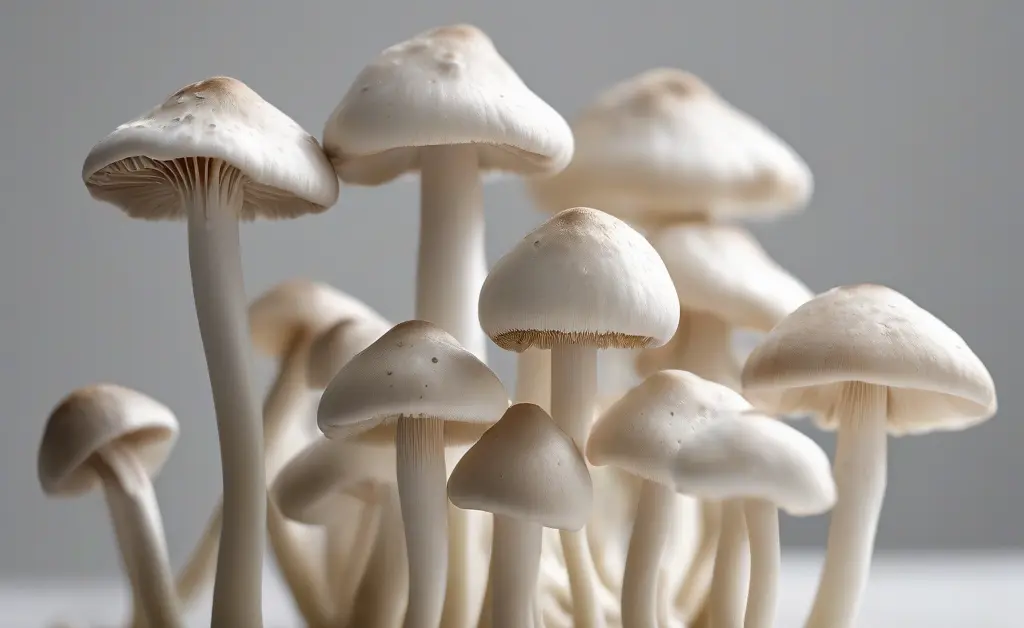
The quality of your dish begins with high-quality ingredients. When selecting enoki mushrooms, look for clusters that are firm, dry, and uniformly creamy white or off-white. The caps should be small and closed, and the stems should appear fresh, not slimy, wilted, or discolored. They are typically sold in vacuum-sealed plastic packages, which help maintain their freshness. Avoid packages with excess moisture inside, as this can be a sign of spoilage. Adhering to food safety guidelines, such as those recommended by the WHO, is crucial for ingredient selection and preparation.
Preparation is straightforward but crucial for the best results. Start by removing the mushrooms from their packaging. The most important step is to trim off the dense, spongy root base, which is the bottom part of the cluster where all the stems are joined. This section is often tough and may have a slightly different flavor. Cut about one to two inches from the bottom to remove this part completely.
After trimming, gently separate the stems with your fingers into smaller, bite-sized bundles. This not only makes them easier to cook and eat but also allows them to absorb the broth more effectively. Avoid soaking enoki in water, as they are highly absorbent and can become waterlogged. If they require cleaning, a very quick rinse under cold water or a gentle wipe with a damp paper towel is sufficient.
Enoki Mushroom for Hot Pot Recipe
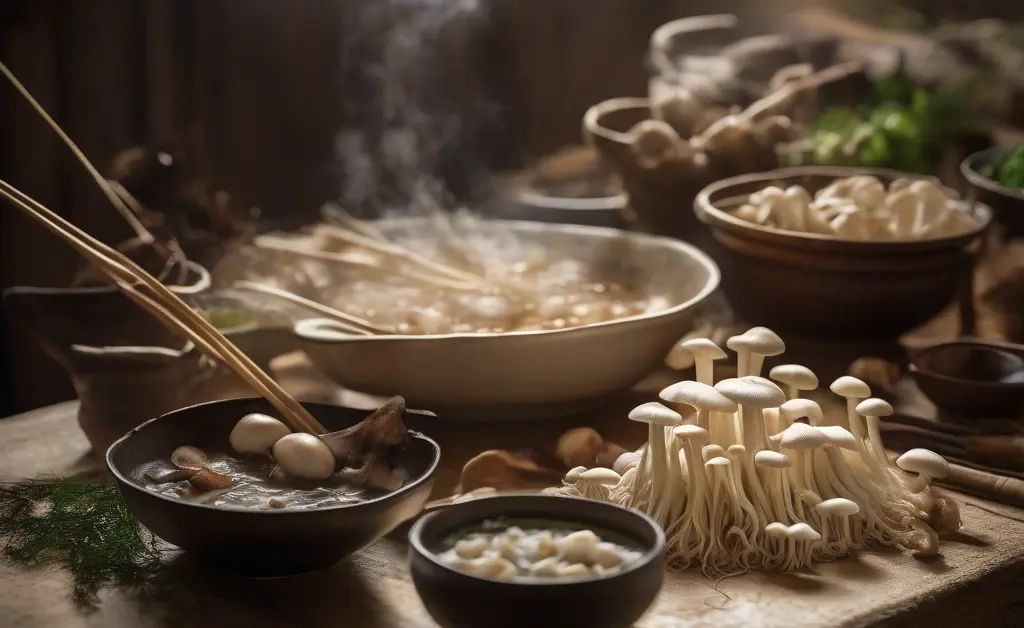
Creating a delicious hot pot centered around enoki mushrooms is more about assembly and process than a rigid enoki mushroom recipe. It’s a communal and customizable meal where diners cook ingredients to their own liking in a shared pot of simmering broth.
Essential Ingredients for Enoki Hot Pot
The beauty of hot pot lies in its variety. While the enoki mushrooms are the star, a balanced assortment of other ingredients is key. A typical spread includes:
- Proteins: Thinly sliced meats such as beef, lamb, or pork belly are classic choices. Seafood like shrimp, fish fillets, and various fish balls or cakes also work wonderfully.
- Vegetables: Alongside enoki, include a mix of leafy greens like napa cabbage, bok choy, and spinach. Corn on the cob, sliced daikon radish, and other mushrooms such as shiitake or oyster mushrooms add different textures and flavors.
- Tofu and Noodles: Cubes of firm or soft tofu, fried tofu puffs, and various types of noodles like udon or glass noodles are excellent additions for a more substantial meal.
Preparing the Hot Pot Broth
The broth is the soul of the hot pot, infusing every ingredient with flavor. A simple yet flavorful broth can be made by simmering a high-quality chicken, beef, or vegetable stock. To enhance its depth, add aromatics like slices of ginger, whole scallions, and a few dried goji berries. For a classic foundation, a dashi broth made from kombu (kelp) provides a savory, umami-rich base that complements the enoki mushroom for hotpot perfectly.
Assembly and Cooking Instructions
The experience begins by placing a portable burner on the dining table with a pot of the prepared broth brought to a gentle simmer. Arrange all the prepared ingredients—meats, seafood, vegetables, tofu, and the separated enoki mushroom bundles—on platters around the pot.
Each diner uses their own chopsticks or a small wire ladle to add their chosen ingredients to the simmering broth. Items that take longer to cook, like root vegetables or meat balls, can go in first. The delicate enoki mushrooms, along with leafy greens and thinly sliced meats, should be added in small batches and cooked for just a short time before being retrieved and enjoyed with dipping sauces.
How to Cook Enoki Mushroom for Hot Pot
Properly cooking enoki mushrooms in a hot pot is essential to enjoying their signature texture. Unlike dense vegetables or meats, they require a very brief cooking time and a bit of attention to prevent them from becoming lost in the pot or overcooked.
When to Add Enoki to the Pot
The best time to add enoki mushrooms to the hot pot is in small batches throughout the meal. Because they cook in a matter of minutes, they are not an ingredient that should be left to simmer for a long period. Many hot pot enthusiasts add a small bundle of enoki, let it cook briefly, retrieve it, and then repeat the process. Adding them near the end of the cooking session for a specific ingredient, like a slice of beef, allows you to enjoy them together. This method ensures that every bite is perfectly cooked and prevents the delicate strands from breaking apart and disappearing into the broth.
Optimal Cooking Time for Perfect Texture
The key to perfect enoki mushrooms is to achieve a texture that is tender yet still has a slight, satisfying chewiness. In a gently simmering broth, this typically takes only one to two minutes. Overcooking is the most common mistake; if left in the pot for too long, they can become overly soft, stringy, and lose their pleasant textural bite. To cook them, simply submerge a small cluster in the hot broth using chopsticks or a mesh ladle. Once they appear slightly wilted and have absorbed some of the broth’s color, they are ready to be eaten. Mastering how to cook enoki mushroom for hot pot is all about timing.
Best Practices for Cooking Enoki in Hot Pot
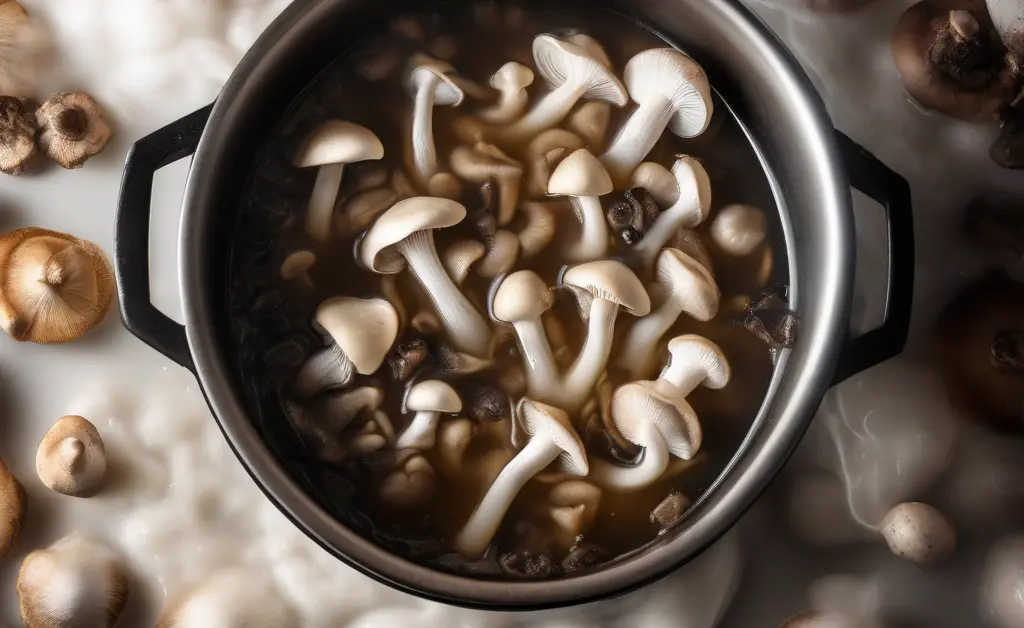
To elevate your hot pot experience, there are several best practices to keep in mind when handling enoki mushrooms. First, avoid overcrowding the pot. Add enoki in small, manageable portions to ensure they cook evenly and are easy to retrieve. This also helps maintain the broth’s temperature, keeping it at a consistent simmer. Using a personal mesh ladle or strainer is highly recommended. These tools allow you to contain the delicate enoki strands, cook them to your desired doneness, and lift them out easily without having to fish around in the pot. For a creative touch and to keep the mushrooms bundled, you can wrap a small bunch of enoki with a thin slice of bacon or a blanched scallion green before cooking. You might also enjoy trying an enoki mushroom bacon recipe. Ultimately, the best way to enjoy enoki mushroom for hotpot is by cooking it briefly and enjoying its unique texture immediately.
Pairing Ideas and Broth Variations
The versatility of enoki mushrooms means they pair well with a vast array of ingredients and can be enjoyed in many different styles of hot pot broth. Experimenting with these combinations is part of the fun of the hot pot meal. Beyond hot pot, you might also consider an enoki mushroom for bbq.
Complementary Vegetables and Proteins
Enoki mushrooms harmonize beautifully with a wide range of ingredients. For vegetables, leafy greens such as napa cabbage, bok choy, and garland chrysanthemum provide a soft contrast to the enoki’s chewiness. Other mushrooms, like shiitake and wood ear, add earthy depth and varied textures. For proteins, the richness of thinly sliced fatty beef or lamb belly is wonderfully balanced by the light enoki. Seafood, including plump shrimp, tender scallops, and various fish balls, also makes for an excellent pairing.
Recommended Dipping Sauces
The dipping sauce is a crucial, personalizable element of the hot pot experience. A classic sauce often starts with a base of soy sauce, Chinese sesame paste, or shacha sauce (Chinese satay). From there, diners can customize their bowls with a variety of flavorful additions. Popular choices include freshly minced garlic, chopped cilantro and scallions, spicy chili oil, sesame oil for nutty aroma, and a splash of black vinegar for acidity. A well-crafted sauce enhances the flavor of the broth-infused enoki mushrooms.
Simple Broth Flavor Profiles
The broth sets the stage for the entire meal. While a simple chicken or vegetable stock is always a great choice, exploring different flavor profiles can transform the experience. A spicy Sichuan broth, famous for its numbing peppercorns and fiery chilies, provides a bold and exciting contrast to the mild enoki. For a lighter, more savory option, a Japanese-style broth made with kombu (kelp) and dried shiitake mushrooms offers a deep umami flavor. Herbal broths, featuring ingredients like goji berries, jujubes, and ginseng, offer a nourishing and aromatic alternative that pairs wonderfully with the mushrooms.
Enoki mushrooms are more than just an ingredient; they are an integral part of the interactive and communal joy of a hot pot meal. Their unique noodle-like texture and incredible ability to absorb flavor make them a standout addition that complements nearly any broth or combination of ingredients. By understanding how to select, prepare, and cook them properly, you can ensure these delicate fungi are enjoyed at their absolute best. Whether you prefer a fiery, spicy broth or a subtle, savory one, incorporating enoki mushrooms is a sure way to add a layer of texture and elegance to your next hot pot gathering.
This material is shared for educational insight, not for clinical decision-making. The information provided in this article is for general informational purposes only and is not intended as a substitute for professional medical or dietary advice. Always seek the guidance of a qualified health provider with any questions you may have regarding a medical condition or your diet. Do not disregard professional medical advice or delay in seeking it because of something you have read here.
FAQ
How long should you cook enoki mushrooms in hot pot?
Enoki mushrooms cook very quickly due to their delicate structure. They are typically added near the end of cooking to retain their texture and flavor. A few minutes is usually sufficient for them to become tender and absorb the broth.
Do you wash enoki mushrooms before putting them in hot pot?
It is generally recommended to rinse enoki mushrooms before use. This helps remove any residual substrate or debris from their packaging. Patting them dry afterward ensures they absorb the broth rather than just diluting it.
How do you prepare enoki mushrooms for soup?
Preparing enoki mushrooms for soup involves separating the cluster into smaller portions or individual strands. You can trim off the very base where the mushrooms are clumped together. Then, gently pull them apart to make it easier to distribute them evenly in your soup.
Continue reading
You May Also Like
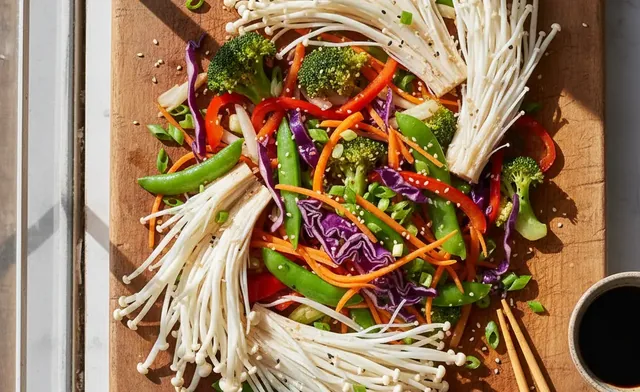
The Essential Guide to Cooking Enoki Mushrooms
Properly cooking enoki mushrooms is key to preserving their delicate cellular structure, resulting in a signature mild flavor and satisfying bite.
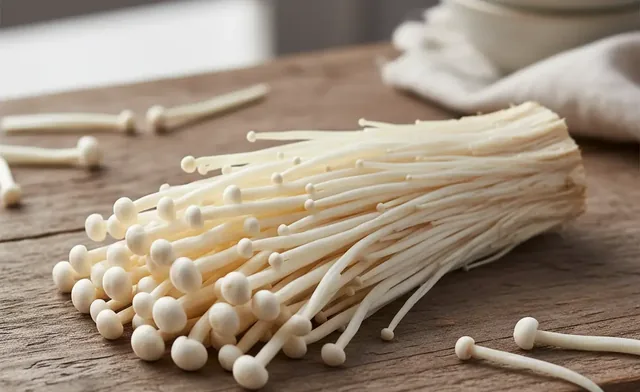
Everything You Need to Know About Enoki Mushrooms
The delicate enoki mushroom is prized for its unique health benefits and culinary versatility, with key nutrition facts you should know.
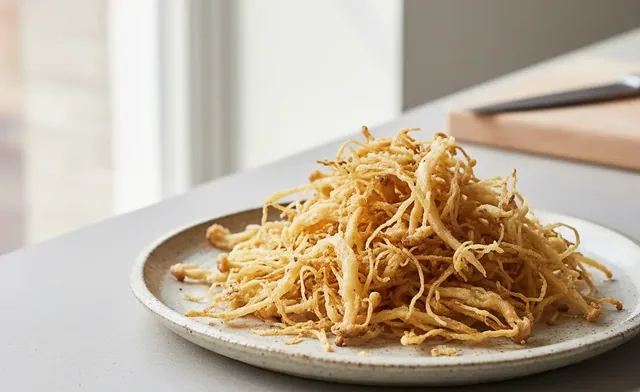
The Secret to Perfectly Crispy Air-Fried Enoki
This simple enoki mushroom air fryer recipe delivers a deliciously crispy and savory snack in minutes with easy-to-follow instructions.