
An Introduction to Enoki in Korean Cuisine
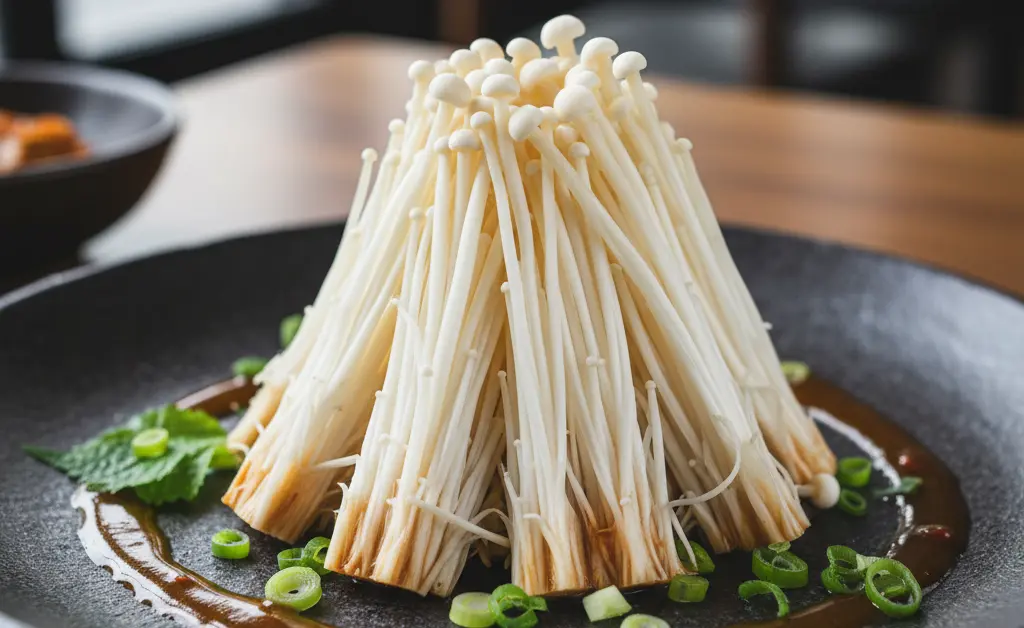
Just as many Western cuisines rely on ingredients like basil or rosemary for their distinctive flavors and textures, Korean cooking frequently incorporates specific elements that are central to its identity. Among these, the enoki mushroom stands out as a versatile and beloved component. These delicate, long-stemmed mushrooms, with their mild flavor and satisfying crunch, are much more than just a garnish; they are a staple that elevates numerous dishes. From comforting stews to vibrant stir-fries and crispy pancakes, the enoki mushroom in Korean cuisine plays a pivotal role, contributing both textural intrigue and a subtle umami depth. This exploration delves into the various ways this unique fungus is prepared and enjoyed, highlighting its culinary significance and offering insights into its diverse applications across traditional and modern Korean dishes.
Understanding Enoki Mushrooms in Korean Cuisine
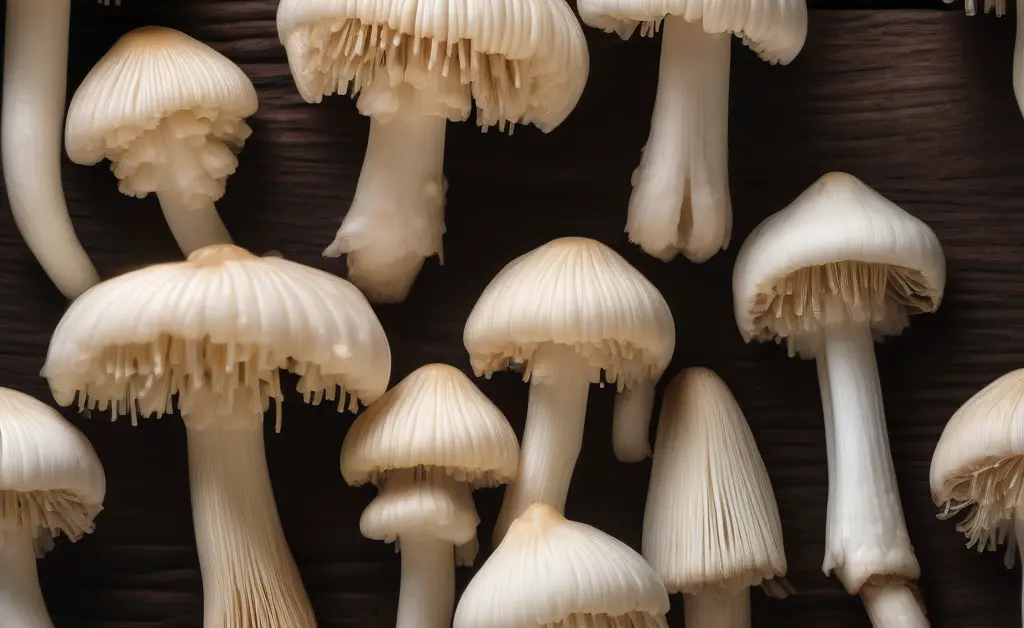
Enoki mushrooms, with their slender stems and small caps, are a distinctive ingredient recognized by their delicate appearance and pleasant, slightly fruity aroma. In Korean cuisine, their popularity stems from their unique texture, which remains firm and slightly chewy even after cooking, providing a delightful contrast to softer ingredients. To gain further enoki mushroom info, one can explore its biological characteristics and growth patterns. They are prized for their ability to absorb flavors from broths and sauces while maintaining their own subtle earthiness. The integration of the enoki mushroom in Korean cuisine reflects a broader appreciation for diverse textures and a balanced umami profile in dishes, making them a common sight in kitchens and restaurants throughout Korea.
Korean enoki mushroom pancakes
Korean enoki mushroom pancakes, known as Beoseot Jeon, are a popular and delicious way to enjoy these slender fungi. These savory pancakes showcase the enoki’s textural appeal, offering a pleasant chewiness encased in a lightly crisped batter. Typically, bunches of enoki mushrooms are dipped in a simple flour-and-egg mixture, sometimes seasoned with a touch of salt and pepper, and then pan-fried until golden brown. The mild flavor of the mushrooms allows them to pair wonderfully with various dipping sauces, often a simple soy sauce concoction with vinegar and a sprinkle of toasted sesame seeds. These pancakes serve as a versatile side dish or a light appetizer, beloved for their simplicity and satisfying mouthfeel.
Soy Garlic Enoki Mushroom
Another beloved preparation method that highlights the enoki mushroom’s capacity to absorb rich flavors is Soy Garlic Enoki Mushroom. This simple yet incredibly flavorful side dish often features enoki mushrooms quickly sautéed or blanched and then tossed in a savory and aromatic sauce. The sauce typically consists of soy sauce, minced garlic, sesame oil, and sometimes a touch of honey or sugar for balance. The resulting dish is a delightful combination of savory, sweet, and garlicky notes, with the enoki retaining its signature crunch. It’s a fantastic accompaniment to a variety of Korean meals, adding a fresh and vibrant element to the table. Beyond Korea, the enoki mushroom Japanese culinary tradition also widely incorporates this versatile ingredient.
How to cook enoki mushroom in Korean cuisine
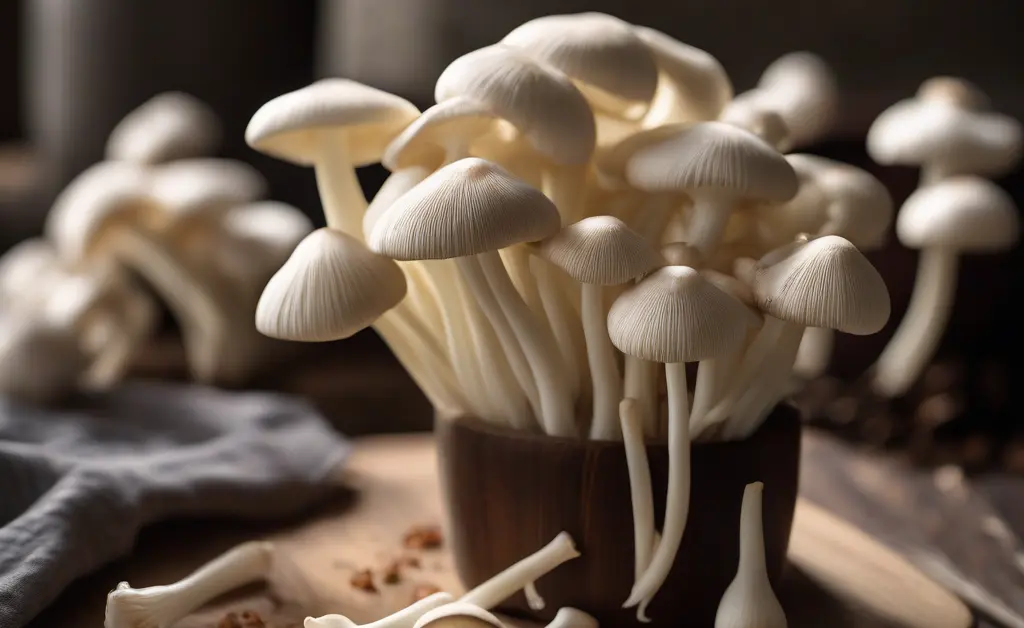
The versatility of enoki mushrooms makes them incredibly adaptable to various cooking methods central to Korean culinary traditions. Whether incorporated into hearty stews, crisp side dishes, or flavorful stir-fries, understanding how to cook enoki mushroom in Korean cuisine often revolves around quick cooking times to preserve their delicate texture. They can be added raw to salads, simmered briefly in soups, or pan-fried until slightly browned. Their neutral taste makes them an excellent vehicle for absorbing bolder flavors, while their unique shape adds visual appeal to finished dishes. This adaptability is key to their widespread use across a broad spectrum of Korean dishes. It is also interesting to note the role of enoki mushroom in Chinese cuisine, where it is similarly cherished.
Spicy enoki mushroom recipe
For those who enjoy a bit of heat, a spicy enoki mushroom recipe is a fantastic way to experience these fungi. The appeal of spicy Korean enoki mushrooms lies in the satisfying contrast between their delicate texture and the bold, fiery flavors they absorb. Crafting your own spicy Korean enoki dish typically involves a vibrant sauce made from gochujang (Korean chili paste), gochugaru (Korean chili powder), garlic, soy sauce, and a touch of sweetness. Essential ingredients for spicy enoki also include sesame oil and sometimes a splash of vinegar for brightness. The mushrooms can be stir-fried with this sauce, or blanched and then tossed, creating a flavorful side dish. There are versatile ways to enjoy spicy Korean enoki, from pairing them with steamed rice to serving them alongside grilled meats, offering a homemade Korean spicy enoki experience that is both simple and deeply satisfying. Further information on the nutritional aspects of enoki mushrooms is available from scientific databases like NCBI.
Enoki mushroom recipe stir fry
An enoki mushroom recipe stir fry is another popular preparation that showcases the mushroom’s excellent texture and ability to blend seamlessly with other ingredients. Stir-frying allows the enoki to cook quickly, retaining its slightly crisp bite while infusing it with the aromatic flavors of the accompanying ingredients. Tips for flavor customization in an enoki stir-fry often include incorporating various vegetables, proteins, and a rich sauce made from soy sauce, garlic, ginger, and a hint of sweetness. This dish can be easily paired with traditional Korean meals, serving as a flavorful vegetable component. Furthermore, stir-fried enoki mushrooms can be used creatively as a condiment or topping for noodles or rice bowls, adding both flavor and an interesting textural dimension.
The enoki mushroom truly holds a special place in Korean cuisine, celebrated for its unique texture, subtle flavor, and remarkable adaptability. From being the star in delicate pancakes and savory side dishes to adding depth in spicy preparations and dynamic stir-fries, its presence enhances a wide array of Korean culinary experiences. This versatile fungus not only enriches the texture and taste of dishes but also beautifully represents the balanced and diverse flavors that define Korean cooking traditions.
not applicable
FAQ
How are enoki mushrooms typically used in Korean dishes?
Enoki mushrooms are often added to hot pots and stews, where they absorb the rich flavors of the broth. They are also frequently grilled or pan-fried, sometimes wrapped in meat or vegetables, providing a delicate texture. Their distinctive shape and mild taste make them a versatile ingredient that complements many Korean recipes.
What makes Korean enoki mushroom preparations spicy?
The spiciness in Korean enoki mushroom dishes typically comes from the use of gochugaru, which is Korean red chili flakes. Other common spicy elements include gochujang, a fermented red chili paste, and sometimes fresh chilies. These ingredients are combined to create a flavorful heat that complements the mushroom’s texture.
Can spicy enoki mushrooms be eaten as a side dish?
Spicy enoki mushrooms are excellent as a banchan, or side dish, served alongside rice and other Korean main courses. Their bold flavor profile can provide a delightful contrast to milder dishes. They are also frequently enjoyed as a palate cleanser or an appetizer before a larger meal.
What ingredients are needed for Korean spicy enoki?
Key ingredients for Korean spicy enoki include fresh enoki mushrooms, gochugaru (Korean red chili flakes), and often garlic and soy sauce. Additional components may include sesame oil for richness, green onions for freshness, and sometimes a touch of sugar to balance the heat. Some recipes also incorporate rice vinegar for a slight tang.
How long does homemade Korean spicy enoki last?
Homemade Korean spicy enoki mushrooms are best consumed within a few days when stored properly in an airtight container in the refrigerator. The fresh ingredients, particularly the mushrooms themselves, contribute to a limited shelf life. Properly chilled, they can maintain good quality for about 3 to 4 days.