
A Complete Guide to Homemade Enoki Mushroom Kimchi
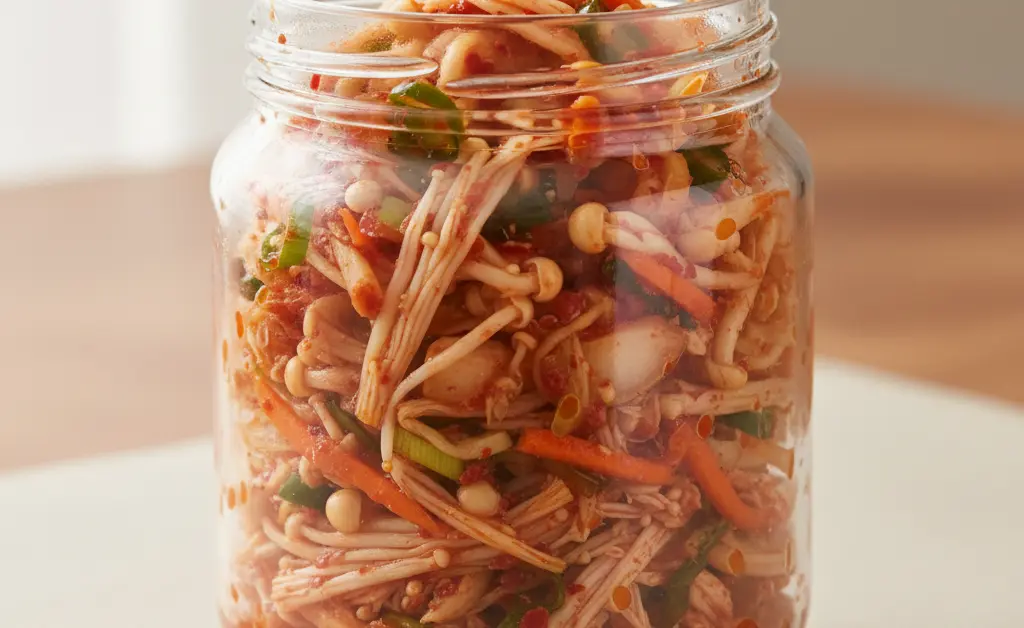
Discover the exciting world where traditional Korean flavors meet the delicate texture of enoki mushrooms. For anyone curious about elevating their home cooking with a unique and delicious ferment, crafting your own enoki mushroom kimchi offers an incredibly rewarding experience. There’s a profound satisfaction in transforming simple, fresh ingredients into a vibrant condiment that bursts with umami. This comprehensive guide is designed to instill confidence, showing you just how simple it can be to create a batch of this flavorful and crunchy dish in your own kitchen. Prepare to explore the essential ingredients, step-by-step techniques, and countless ways to incorporate enoki mushroom kimchi into your meals, transforming everyday dining into an extraordinary culinary adventure.
What is Enoki Mushroom Kimchi?
Enoki mushroom kimchi is a contemporary take on the traditional Korean fermented dish. While classic kimchi typically features napa cabbage as its primary ingredient, this version uses enoki mushrooms, known for their long, thin strands and delightfully chewy, yet crisp texture. The result is a condiment that retains the iconic spicy, sour, and savory flavors of kimchi but introduces a completely different mouthfeel and culinary experience.
Defining Enoki Mushroom Kimchi
At its core, this dish involves blanching or lightly cooking enoki mushrooms and then tossing them in a classic kimchi seasoning paste. This paste is typically a vibrant blend of Korean chili flakes (gochugaru), garlic, ginger, and a savory element like fish sauce or soy sauce. Unlike cabbage kimchi, which requires a lengthy brining and fermentation process to soften the vegetable, enoki kimchi comes together much faster. The mushrooms readily absorb the flavors of the paste, and the fermentation period is often shorter, yielding a “fresh” kimchi that can be enjoyed almost immediately or left to develop a deeper tang over a few days.
Variations of Enoki Mushroom Kimchi
The beauty of homemade kimchi lies in its adaptability. There are numerous recipe variations to suit different dietary needs and flavor preferences. A common variation is a vegan version, which substitutes fish sauce with soy sauce, miso paste, or a fermented soybean paste to achieve a similar umami depth. Some recipes call for adding other thinly sliced vegetables like carrots or onions for extra crunch and sweetness. The spice level is also highly customizable; you can adjust the amount of gochugaru to make it milder or fiery hot. Other creative additions might include a small amount of Korean pear or apple, which adds a subtle sweetness and helps with the fermentation process.
Enoki Mushroom Kimchi Ingredients
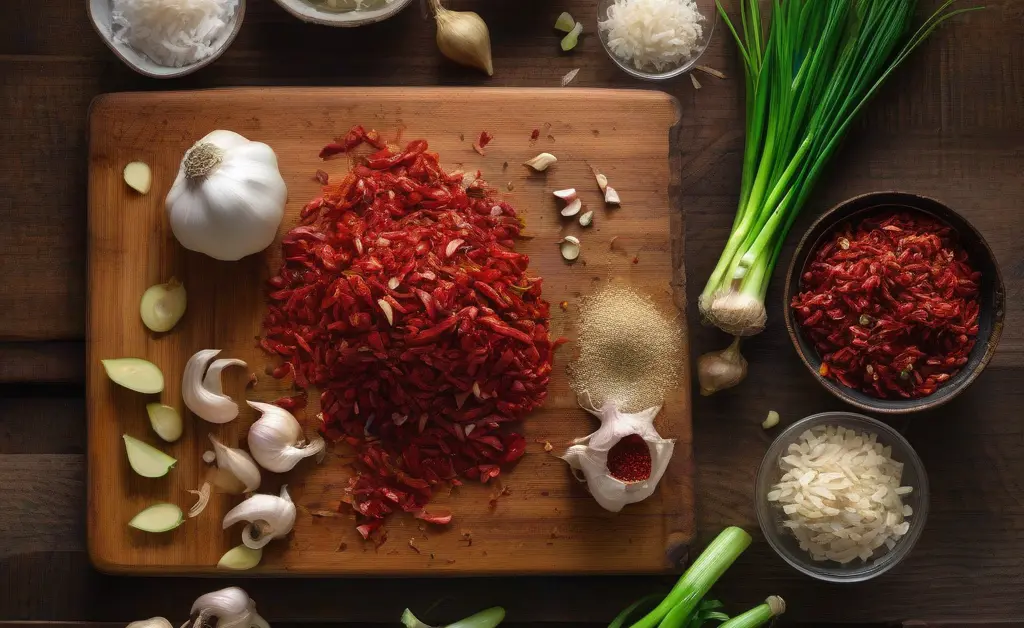
The ingredients for enoki mushroom kimchi are relatively simple and can be found at most Asian grocery stores or larger supermarkets. The quality of your ingredients will directly impact the final flavor, so it’s worth seeking out fresh and authentic components where possible.
Gathering Your Ingredients
Your shopping list will center around fresh enoki mushrooms, which should be firm, white, and free from any sliminess. The heart of the seasoning paste includes gochugaru (Korean chili flakes), which provides the signature color and heat. You’ll also need aromatics like fresh garlic and ginger. For the savory, umami base, fish sauce is traditional, but soy sauce or a vegan alternative works well. Other common additions include scallions, a touch of sugar or another sweetener to balance the flavors, and toasted sesame seeds for a nutty finish.
Key Ingredients and Flavor Profile
Each ingredient plays a crucial role in building the complex flavor profile. The enoki mushrooms themselves provide a mild, slightly earthy base and a unique, stringy-chewy texture. Gochugaru offers a smoky, fruity heat that is distinct from other types of chili powder. Garlic and ginger bring a pungent, aromatic warmth, while the fish sauce or soy sauce delivers a deep, salty umami punch. The combination of these elements creates the signature flavor of enoki mushroom kimchi: a spicy, tangy, and deeply savory condiment with a satisfyingly crunchy texture.
Enoki Mushroom Kimchi Recipe
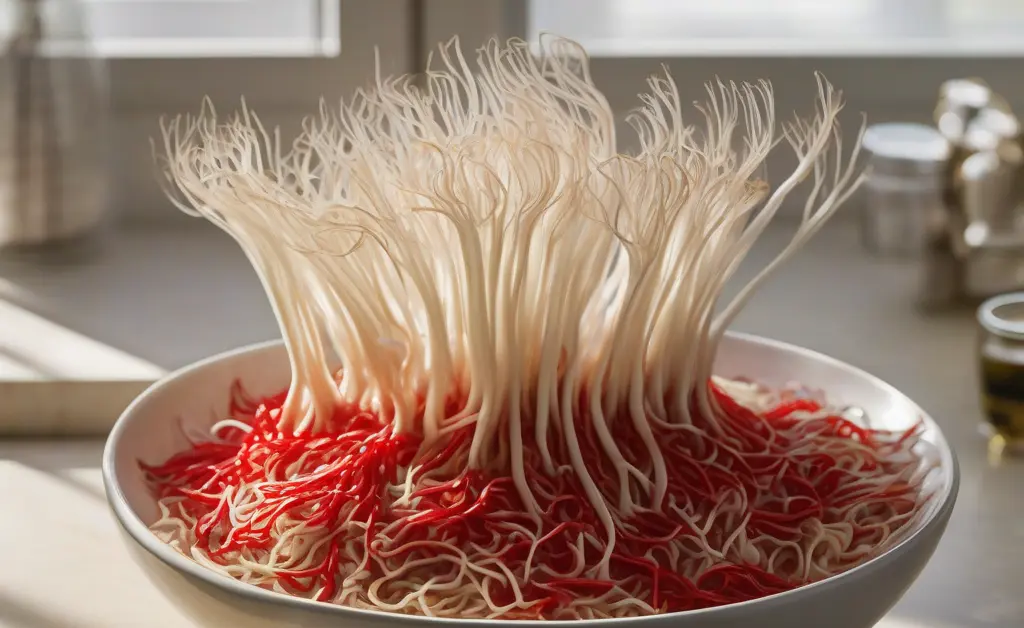
The process of making enoki mushroom kimchi is straightforward and much quicker than traditional cabbage kimchi, making it an excellent project for those new to home fermentation. It’s a forgiving recipe that encourages experimentation with flavors and textures.
Easy Enoki Mushroom Kimchi Recipe
A basic recipe begins with preparing the enoki mushrooms. This typically involves trimming the base, separating the strands, and blanching them very briefly in boiling water. The quick blanching cooks the mushrooms just enough to make them tender while preserving their characteristic bite. They are then immediately rinsed in cold water to stop the cooking process. While the mushrooms drain, the seasoning paste is mixed in a separate bowl. Finally, the drained mushrooms are thoroughly coated with the paste, ensuring every strand is covered in the flavorful mixture.
Making it at Home
The appeal of making this dish at home is the control you have over the final product. You can adjust the saltiness, sweetness, and spiciness to perfectly match your palate. Home fermentation allows you to decide how tangy you want your kimchi to become. You can enjoy it as a fresh, crisp salad-like side dish right after making it, or you can let it ferment for a few days at room temperature before refrigerating to develop more complex, sour notes. This hands-on process connects you to the food you eat and provides a deep sense of accomplishment.
How to Make Enoki Mushroom Kimchi
Making your own batch of this delicious ferment is a simple, multi-step process. From preparing the mushrooms to allowing them to ferment, each stage is easy to manage and contributes to the final delicious result. The hands-on experience of creating your own enoki mushroom kimchi is part of its charm.
Step-by-Step Fermentation Process
The journey begins with preparing the enoki mushrooms by cleaning them and blanching them for a very short time. After they are cooled and drained, they are mixed with the prepared seasoning paste. Once thoroughly coated, the mixture is packed into a clean, airtight glass jar. It’s important to press the mushrooms down to release any trapped air bubbles. The jar is then sealed and left on the counter at room temperature for a period, which can range from one to a few days depending on your kitchen’s temperature and how sour you prefer your kimchi. During this time, you may see some bubbling, which is a sign of active, healthy fermentation. Once it reaches your desired level of tang, transfer the jar to the refrigerator to slow the fermentation and preserve its flavor and texture.
Tips for Making Kimchi
For the best results, always use clean hands, utensils, and jars to prevent unwanted bacteria from contaminating your ferment. Understanding the science behind fermentation and its health implications can be further explored through resources like PubMed. When blanching the enoki, be careful not to overcook them; a very brief dip in boiling water is all that’s needed to preserve their crunch. Taste the seasoning paste before mixing it with the mushrooms and adjust it to your liking. Remember that the flavors will continue to meld and deepen as the kimchi ferments. For long-term storage, ensure the kimchi is always submerged under its own brine in the jar, which helps keep it fresh.
Using Enoki Mushroom Kimchi in Recipes
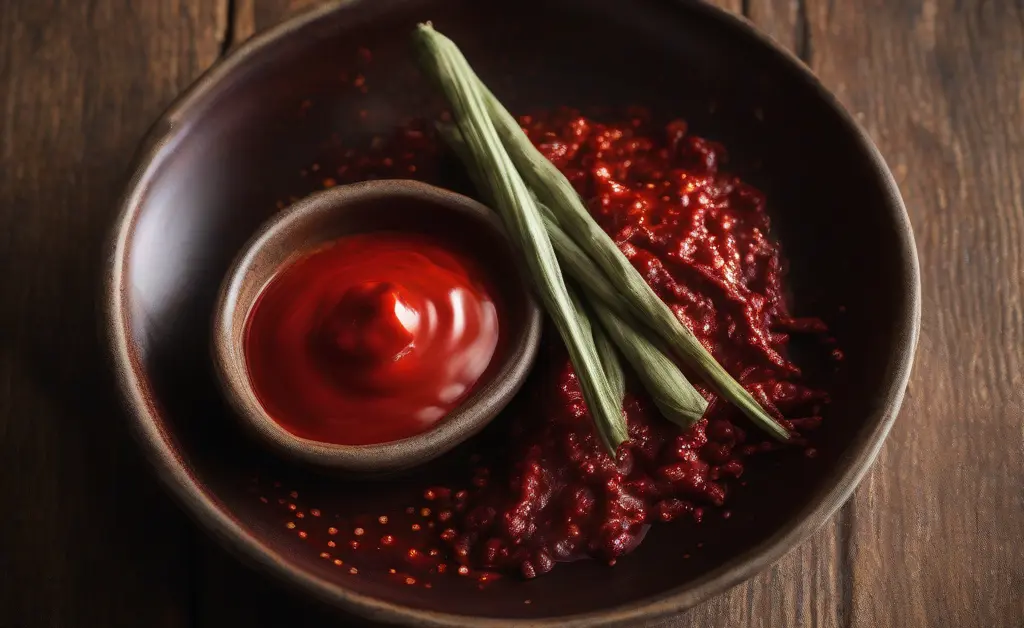
One of the best things about enoki mushroom kimchi is its versatility. Its unique texture and bold flavor make it a fantastic addition to a wide array of dishes, moving far beyond its role as a simple side dish (banchan). It can add a spicy, umami-rich kick to many of your favorite meals.
Incorporating it into soups and stews is a popular choice. A spoonful can instantly liven up a bowl of ramen, udon, or a simple broth. It can also be a key ingredient in a quick version of kimchi jjigae (kimchi stew). You can also add it to salads and side dishes for a surprising burst of flavor and texture. Mix it into a cold noodle salad or serve it alongside grilled meats or tofu. As a topping, it excels on rice bowls, savory pancakes, tacos, hot dogs, and even scrambled eggs. Its creative culinary applications are nearly endless, inviting you to experiment in the kitchen.
Where to Buy Enoki Mushroom Kimchi
While making it at home is highly recommended, sometimes you might prefer the convenience of a store-bought version. Finding pre-made enoki mushroom kimchi can be more challenging than locating traditional cabbage kimchi, but it is becoming increasingly available as its popularity grows.
Your best bet is to check specialty Korean markets or large Asian grocery stores. These retailers often have extensive kimchi sections with various types, including non-traditional options made with different vegetables. Look in the refrigerated aisles alongside other fermented products. If you don’t have access to a local specialty store, online retailers are an excellent alternative. Many websites specialize in delivering Korean groceries and prepared foods directly to your door, and they often carry a selection of unique and artisanal kimchi varieties that you might not find elsewhere.
In conclusion, enoki mushroom kimchi is a modern culinary delight that offers a unique twist on a beloved Korean classic. Its preparation is remarkably simple, making it an accessible entry point for anyone interested in the world of home fermentation. With its distinctive crunchy texture and a flavor profile that is simultaneously spicy, tangy, and rich with umami, it serves as a versatile condiment that can enhance countless meals. Whether you choose to make it from scratch or purchase it from a specialty store, this dish is a rewarding way to explore new flavors and add excitement to your cooking.
This information is provided for educational purposes only. It is not intended as a substitute for professional medical advice, diagnosis, or treatment. Always seek the advice of your physician or other qualified health provider with any questions you may have regarding a medical condition or dietary changes. Never disregard professional medical advice or delay in seeking it because of something you have read here.
FAQ
What does enoki mushroom kimchi taste like?
Enoki mushroom kimchi offers a unique flavor profile, blending the savory, slightly earthy taste of enoki mushrooms with the fermented tang and spice characteristic of kimchi. The mushrooms absorb the bold flavors of the chili paste, garlic, and ginger, creating a complex and satisfying bite. This combination results in a dish that is both refreshing and deeply flavorful.
Can you eat enoki mushrooms raw in kimchi?
While enoki mushrooms can be consumed raw, they are typically cooked before being added to kimchi. Cooking helps to soften their texture and can make them more digestible. The fermentation process itself also involves cooking the ingredients to some extent, ensuring a safe and enjoyable product.
How long does enoki mushroom kimchi last?
Properly prepared and stored enoki mushroom kimchi can last for several weeks in the refrigerator. As it ferments, its flavor will continue to develop and deepen over time. It is best to consume it within a month or two for optimal taste and texture.
Is enoki mushroom kimchi healthy?
Enoki mushroom kimchi contains beneficial compounds from both the enoki mushrooms and the fermentation process. Enoki mushrooms are known for their nutritional value, and the fermentation creates probiotics which are good for gut health. This makes it a flavorful addition to a balanced diet.
Continue reading
You May Also Like
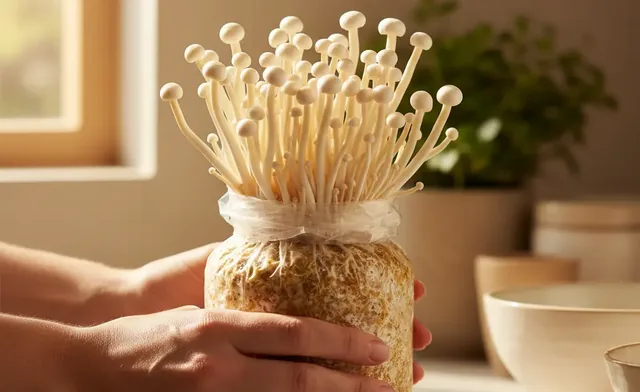
Enoki Mushroom Grow Kits: A Complete Guide
This complete enoki mushroom grow kit simplifies home mycology, providing everything you need to cultivate your own delicate, flavorful fungi.
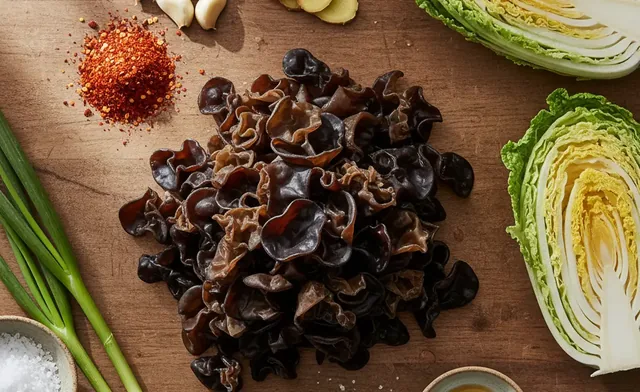
Wood Ear Mushroom Kimchi: A Complete Recipe Guide
This direct wood ear mushroom kimchi recipe provides clear, step-by-step instructions for creating a uniquely textured and flavorful ferment.
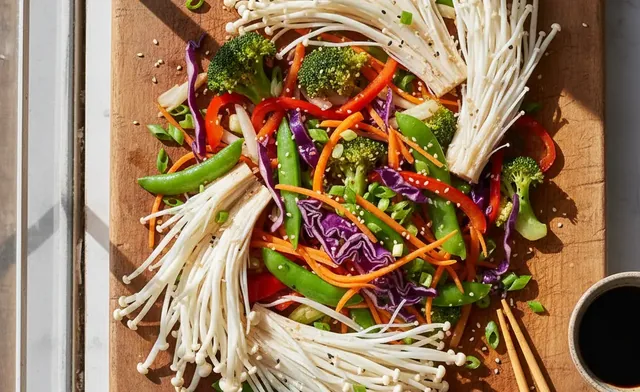
The Essential Guide to Cooking Enoki Mushrooms
Properly cooking enoki mushrooms is key to preserving their delicate cellular structure, resulting in a signature mild flavor and satisfying bite.