
What Are the Most Common Enoki Look-Alikes?
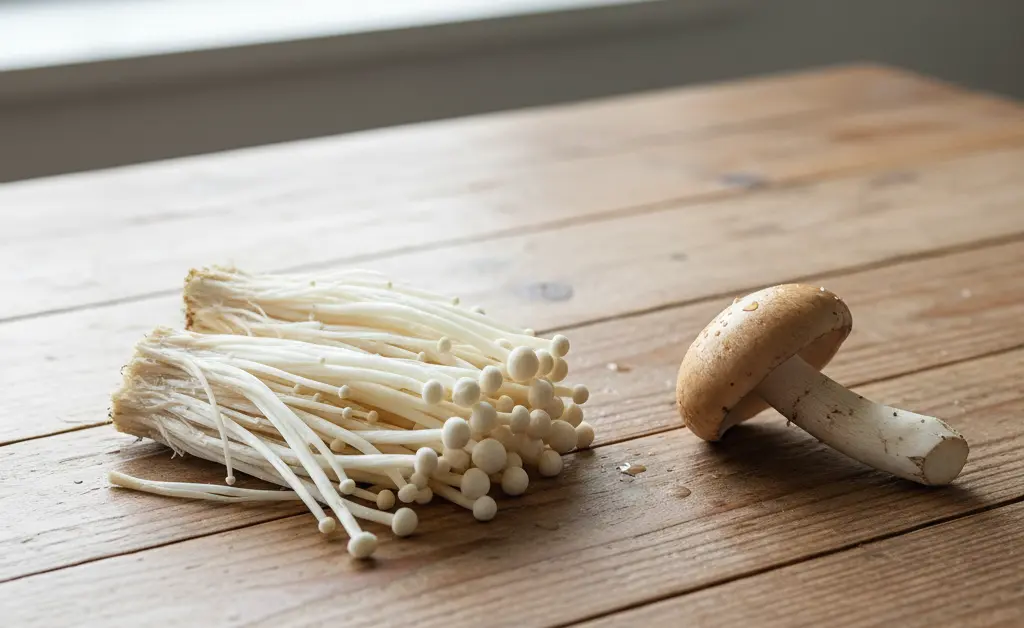
For home cooks and culinary enthusiasts, enoki mushrooms are a beloved ingredient, cherished for their delicate crunch and subtle umami flavor in dishes ranging from comforting hot pots to vibrant stir-fries. Their growing popularity has led to increased interest in both culinary preparation and, for some, foraging. Yet, this widespread appeal also highlights a critical safety concern: the existence of dangerous species that can be mistaken for these popular fungi. Identifying a true enoki mushroom look alike is not merely a botanical exercise; it is a vital aspect of food safety that ensures the well-being of those enjoying your prepared meals. This guide will help differentiate the edible from the potentially toxic, safeguarding your culinary adventures.
Identifying Enoki Mushroom Look Alikes
Understanding how to accurately identify enoki mushrooms and their potential imposters is paramount for anyone considering foraging or even purchasing wild varieties. While cultivated enoki (often seen with long, thin white stems and small caps) are easily recognizable, wild enoki (known scientifically as Flammulina velutipes) have a different appearance, often presenting as shorter, sturdier, and with orange or brown caps. The challenge lies in distinguishing these wild forms from dangerous fungi that share similar growth patterns or visual characteristics. Proper identification practices are crucial to avoid an accidental encounter with a poisonous enoki mushroom look alike. For more information on enoki mushrooms, you can refer to enoki mushroom.
Are there any toxic enoki mushroom look alikes?
Yes, there are indeed several toxic mushroom species that can bear a striking resemblance to enoki, particularly wild enoki. The most notorious and dangerous enoki mushroom look alike is the Deadly Galerina (Galerina marginata), also commonly referred to as the Funeral Bell or Autumn Skullcap. This mushroom contains amatoxins, the same potent toxins found in death caps, which can cause severe liver and kidney damage, and can be fatal if ingested. Its unassuming appearance makes it a critical concern for foragers.
Enoki (Flammulina velutipes) vs. Deadly Galerina
The distinction between the edible Enoki (Flammulina velutipes) and the highly toxic Deadly Galerina (Galerina marginata) is one of the most important lessons for mushroom enthusiasts. While both species often grow on wood and can appear in similar habitats during cooler months, their key characteristics differ significantly upon closer inspection. Mastering these differences is essential for safe mushroom identification, ensuring you do not mistake a valuable culinary ingredient for a deadly poison. Careful observation of cap, gills, stem, and habitat can help prevent such dangerous misidentifications.
Characteristics of Deadly Galerina
Deadly Galerina mushrooms typically have a small to medium-sized cap, often convex or bell-shaped, which can flatten with age. Their color ranges from yellowish-brown to orange-brown, and they tend to be hygrophanous, meaning their color changes depending on moisture levels, often appearing lighter when dry. The gills are usually attached to the stem and are a similar brown color. A distinctive feature is often a membranous ring or skirt on the stem, though this can sometimes be faint or disappear with age. They usually grow in clusters on decaying wood.
Cap, Gills, and Stem Differences
When comparing wild enoki to Deadly Galerina, observe the following:
- Cap: Wild enoki caps are typically a vibrant orange-brown to reddish-brown, often slimy or viscid when wet, and slightly sticky. Deadly Galerina caps are usually a duller yellowish-brown to tawny brown, and less slimy, though they can be moist.
- Gills: Wild enoki typically have widely spaced, whitish to pale yellow gills that are attached to the stem. Deadly Galerina gills are usually more crowded, rusty brown, and often slightly decurrent (running down the stem).
- Stem: Perhaps the most crucial distinguishing feature. Wild enoki stems are often tough, fibrous, and feature a velvety texture, particularly near the base. They are typically yellowish to orange-brown at the top, darkening to a rich dark brown or nearly black towards the base, lacking a ring. Deadly Galerina stems are generally thinner, more fragile, and uniformly brown. They almost always possess a delicate, persistent ring or skirt, though it may be small or disappear on older specimens.
Spore Print as an Identifier
A spore print is a valuable diagnostic tool for mushroom identification, offering a key piece of information that can help differentiate between look-alikes. To obtain one, place the mushroom cap (gills down) on a piece of white and dark paper, cover it, and leave it for several hours. Wild enoki produces a white or pale cream spore print. In contrast, Deadly Galerina will yield a rusty brown spore print. This stark difference in spore color is a critical factor in confirming whether a specimen is a safe enoki or a dangerous imposter. Ensuring food safety, including mushroom identification, is a priority for regulatory bodies. For instance, the European Food Safety Authority (EFSA) provides guidance on food safety matters.
Habitat and Growth Season Clues
Both wild enoki and Deadly Galerina are saprophytic, meaning they grow on decaying wood, often found on stumps, logs, and fallen branches of deciduous trees, though occasionally on conifers. They prefer cooler weather, appearing in late fall, winter, and early spring, making their growth seasons overlap significantly. However, wild enoki is often found in dense clusters, sometimes even emerging from beneath snow, exhibiting a remarkable tolerance for cold. While both favor wood, always rely on morphological characteristics in addition to habitat and season, as habitat alone is not sufficient to distinguish between a harmless enoki mushroom look alike and a toxic one.
Key Differences: Enoki vs. Look Alikes
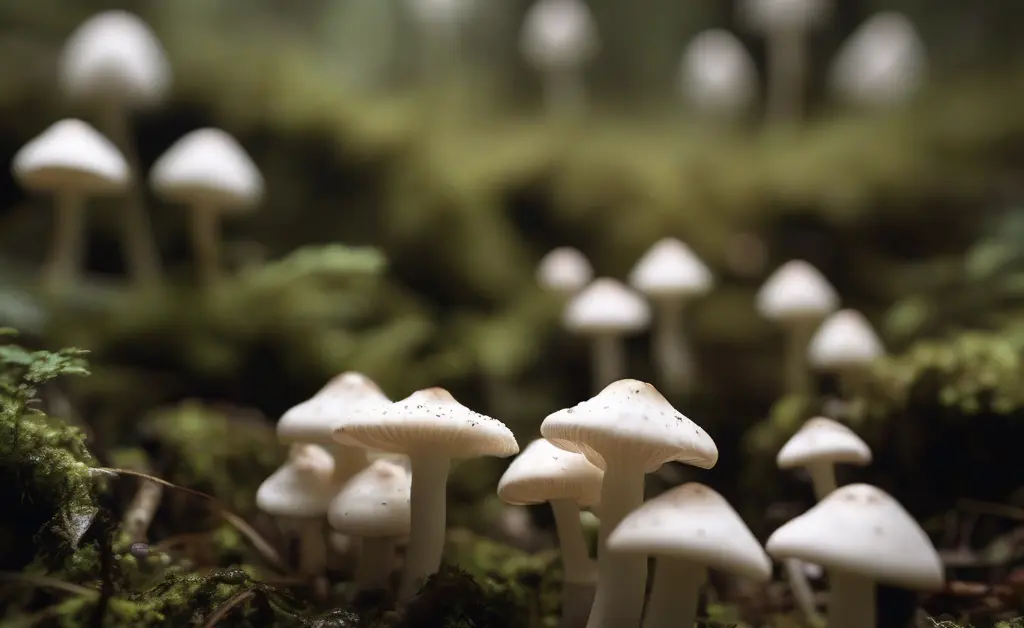
Understanding the fundamental differences between edible enoki and its toxic look-alikes is critical for safe foraging and consumption. While general appearance might seem similar at a glance, a careful examination of specific features such as cap color and texture, gill attachment and spacing, stem characteristics, and spore print color provides definitive clues. These detailed observations form the basis of accurate identification and help prevent potentially life-threatening mistakes when encountering an enoki mushroom look alike in the wild.
What distinguishes enoki from deadly galerina mushrooms?
The primary distinguishing features between wild enoki and Deadly Galerina mushrooms center on their stems, gills, and spore prints. Wild enoki stems are characteristically velvety, especially towards the base, and typically dark brown to black at the bottom, graduating to lighter shades near the cap, and lack a ring. Their gills are pale, often whitish to cream. Most importantly, enoki produces a white spore print. Conversely, Deadly Galerina has a fragile, uniform brown stem with a distinctive membranous ring (though it can be elusive), rusty brown gills, and a rusty brown spore print. Always remember: “velvety stem, white spores” for enoki; “ring on stem, brown spores” for Deadly Galerina. These consistent differences are vital to discern a safe enoki from a dangerous enoki mushroom look alike.
Distinguishing Enoki from Toxic Varieties
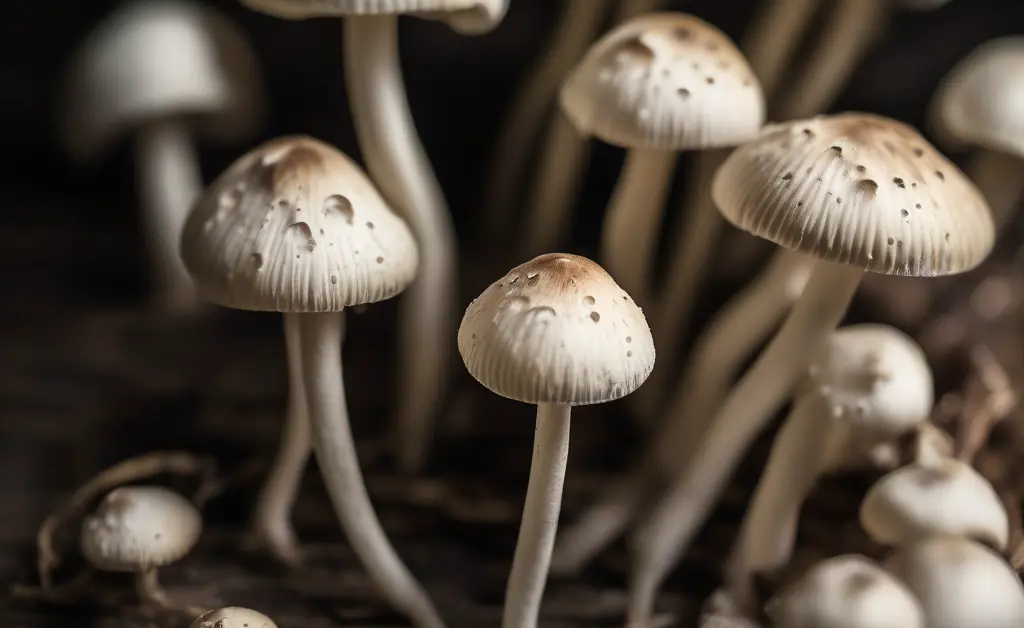
The process of distinguishing enoki from toxic varieties requires meticulous attention to detail and a cautious approach, especially for those new to foraging. Given the severe consequences of misidentification, it is always advisable to consult multiple reliable sources, compare characteristics thoroughly, and, when in doubt, err on the side of caution. Never consume a wild mushroom unless you are 100% certain of its identity. Learning to identify a potentially dangerous enoki mushroom look alike is a skill that protects health and safety, making confident mushroom identification an invaluable practice for enthusiasts.
The journey of culinary exploration with mushrooms is rewarding, but it comes with the serious responsibility of accurate identification. While enoki mushrooms offer a delightful texture and flavor, their resemblance to highly toxic species like Deadly Galerina necessitates careful education and vigilance. By understanding the distinct morphological features, spore print characteristics, and growth habits discussed, you can confidently differentiate edible enoki from their dangerous look-alikes. Always prioritize safety in your foraging and culinary endeavors, ensuring that every mushroom brought to the table is unequivocally safe for consumption.
This information should be viewed as educational rather than medical advice. The content provided is for general knowledge and informational purposes only, and does not constitute an endorsement of mushroom foraging or consumption. It is essential to exercise extreme caution and seek expert guidance when identifying wild mushrooms, as many poisonous varieties exist. Never consume a wild mushroom unless positively identified by a trained mycologist or expert. In case of suspected mushroom poisoning, seek immediate medical attention.
FAQ
What mushroom looks like enoki?
The most common enoki mushroom look alike is the Funeral Bell, also known as Deadly Galerina. While they share a similar delicate, white appearance, their internal structures and spore colors differ significantly. Careful observation is crucial for proper identification.
How can you tell the difference between enoki and deadly galerina?
Distinguishing between enoki and Deadly Galerina involves examining specific features. Deadly Galerina typically has a rusty brown spore print, while enoki has a white spore print. Furthermore, the stem of Deadly Galerina often has a ring, which is absent in true enoki.
Is deadly galerina an enoki look-alike?
Yes, the Deadly Galerina is a notable enoki mushroom look alike. This similarity is particularly concerning because Deadly Galerina is highly poisonous and can cause severe liver damage. Foraging requires expertise to avoid mistaking it for edible varieties.
Are there poisonous mushrooms that look like enoki?
Indeed, there are poisonous mushrooms that resemble enoki, with the Deadly Galerina being the most significant concern. These toxic look-alikes pose a serious health risk if consumed. Proper identification by experienced foragers is paramount.
How do I identify enoki mushrooms safely?
Safe identification of enoki mushrooms involves understanding their distinct characteristics and knowing their toxic look-alikes. Observing spore color, the presence or absence of a ring on the stem, and consulting with experienced mycologists are important steps. When in doubt, it is always best to refrain from consumption.
Continue reading
You May Also Like
A Field Guide to Maitake Mushroom Look-Alikes
This guide helps you safely identify a maitake mushroom look alike by comparing key features like pore surface, growth habits, and overall structure.
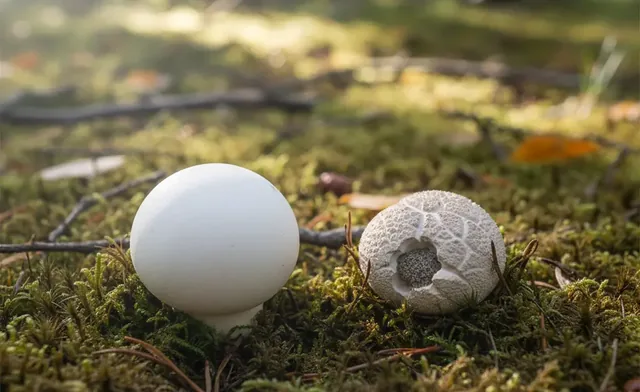
Distinguishing Puffballs From Their Poisonous Look-Alikes
Confidently tell true puffballs from a poisonous puffball mushroom look alike by examining key internal and external features to ensure safe foraging.
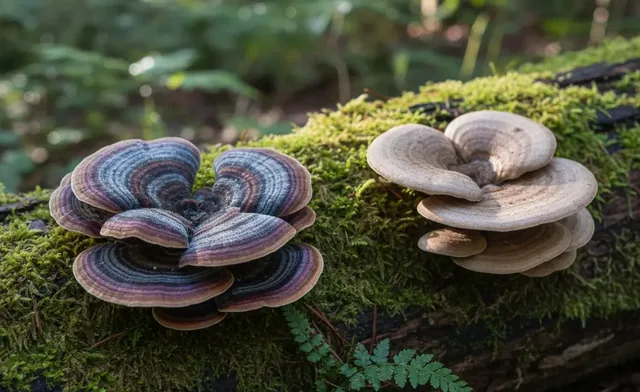
Distinguishing Turkey Tail from Dangerous Look-Alikes: A Safety Guide
Identify various turkey tail mushroom look alike species and learn essential identification tips to safely distinguish edible fungi from dangerous…