
Unpacking the Rich Vitamin Profile of Enoki Mushrooms
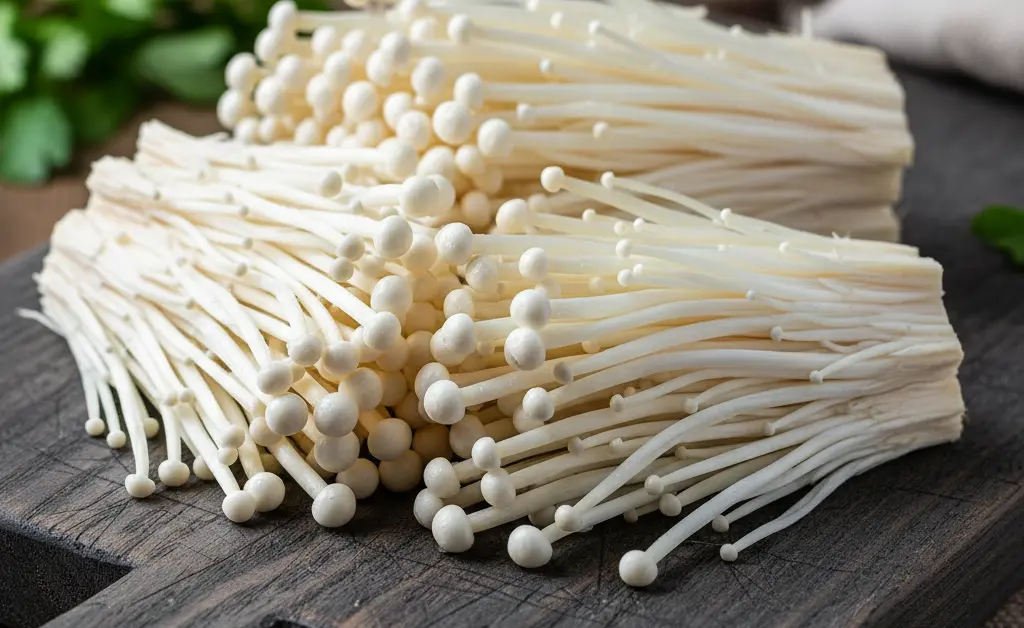
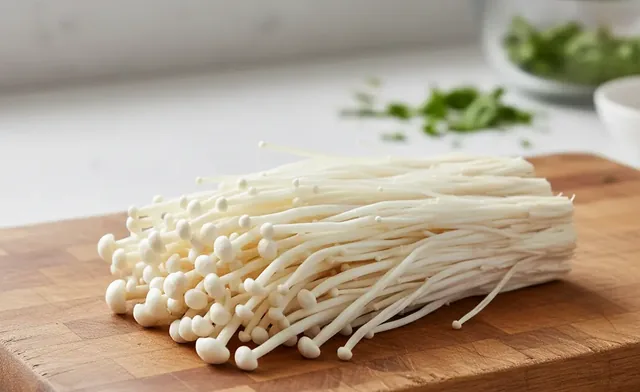
Stepping into the kitchen, I often reach for enoki mushrooms, their delicate, long stems and petite caps adding a unique texture and subtle flavor to everything from stir-fries to soups. It’s more than just their culinary versatility, though; there’s a growing appreciation for the hidden nutritional gems within these often-overlooked fungi. While many focus on their fiber or protein content, the real story unfolds when we examine the specific micronutrients that contribute to our well-being. Discovering the remarkable array of enoki mushroom vitamins reveals a compelling reason to incorporate them regularly into a balanced diet.
Nutritional Profile of Enoki Mushrooms

Enoki mushrooms (Flammulina velutipes) are celebrated for being low in calories and fats while offering a valuable array of micronutrients. Their nutritional profile extends beyond their well-known fiber content, encompassing a spectrum of minerals and other beneficial compounds. When analyzing the complete picture, it becomes clear that these fungi are more than just a textural ingredient. The presence of various vitamins is a key part of their nutritional value, making them a worthy addition to a health-conscious diet. For further general health information, consider resources from the CDC. A closer look at the specific enoki mushroom vitamins reveals their role in supporting overall wellness.
B Vitamins (Thiamine, Riboflavin, Niacin, Pantothenic Acid, B6, Folate)
One of the most significant contributions of enoki mushrooms to our diet is their supply of B-complex vitamins. This group of water-soluble vitamins plays a critical role in numerous bodily functions, particularly in energy production and metabolism. They help the body convert food into usable energy and are essential for maintaining the health of the nervous system.
- Niacin (Vitamin B3): Enoki mushrooms are a good source of niacin, which is fundamental for metabolic processes at the cellular level and supports the function of the digestive and nervous systems.
- Pantothenic Acid (Vitamin B5): This vitamin is crucial for synthesizing and metabolizing proteins, fats, and carbohydrates. It is ubiquitous in living cells and essential for many life-sustaining processes.
- Thiamine (Vitamin B1) and Riboflavin (Vitamin B2): Both of these vitamins are key players in energy metabolism, helping to unlock energy from the foods we eat.
- Folate (Vitamin B9): Folate is vital for cell growth and DNA formation, making it an important nutrient for overall health and development.
- Vitamin B6: This vitamin is involved in over 100 enzyme reactions, primarily related to protein metabolism, and also plays a role in cognitive development and immune function.
Key Vitamins Found in Enoki Mushrooms
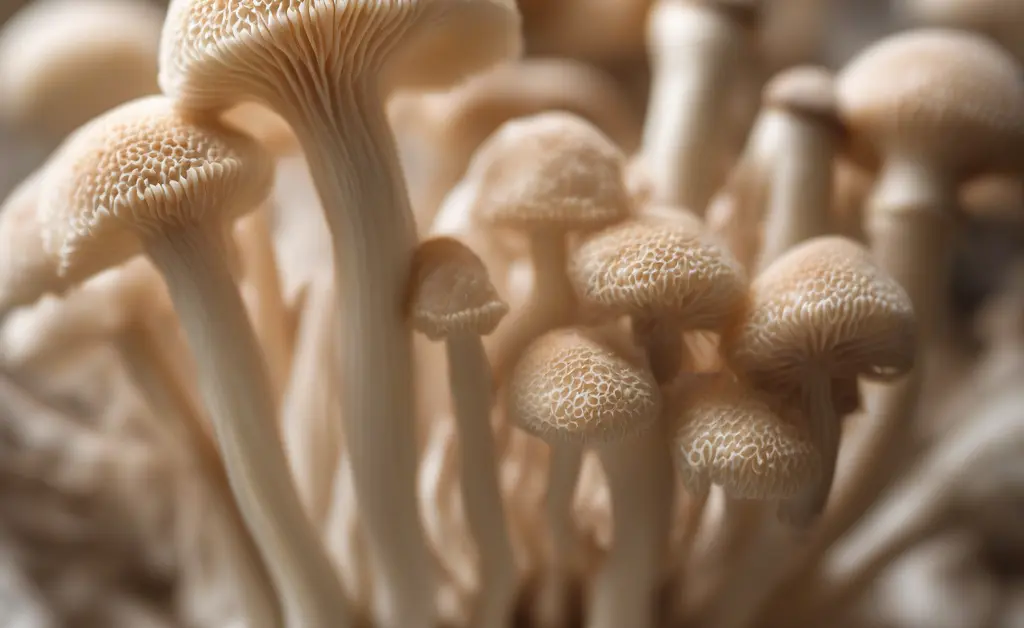
Beyond the impressive B-vitamin complex, the full spectrum of enoki mushroom vitamins includes other essential micronutrients that contribute to their health-supporting properties. While often found in smaller amounts, these vitamins work alongside other nutrients to support various bodily systems. For example, like other fungi, enoki mushrooms can be a source of Vitamin D, particularly if they have been exposed to UV light during their growth or processing. Vitamin D is well-known for its role in bone health by aiding calcium absorption and has been studied for its potential support of the immune system.
Additionally, the compounds within enoki mushrooms have been explored for their antioxidant properties. Antioxidants help protect the body’s cells from damage caused by free radicals. While often associated with specific compounds rather than just vitamins, this protective quality adds to the overall benefits of including enokis in a varied diet. The combination of these vitamins and other nutrients helps answer the question, “What are the benefits of eating enoki mushrooms?” by highlighting their role in supporting functions like energy metabolism, nervous system health, and cellular protection.
The health benefits of enoki mushrooms are rooted in this complex nutritional matrix. The synergy between the B vitamins, potential for Vitamin D, and other bioactive compounds makes them a valuable food for those looking to enrich their diet with nutrient-dense ingredients. Incorporating them into meals provides a simple way to increase your intake of these vital micronutrients.
This content is for informational use and should not be considered medical instruction. The information provided is not intended to be a substitute for professional medical advice, diagnosis, or treatment. Always seek the advice of your physician or other qualified health provider with any questions you may have regarding a medical condition. Do not disregard professional medical advice or delay in seeking it because of something you have read here.
FAQ
What vitamins are in enoki mushrooms?
Enoki mushrooms offer a range of B vitamins, including niacin (B3), riboflavin (B2), and thiamine (B1), which are essential for energy metabolism. They also provide pantothenic acid (B5), which plays a role in hormone production and nerve function. The enoki mushroom vitamins contribute to overall cellular health and metabolic processes.
Which vitamins do mushrooms contain?
Mushrooms are a good source of several B vitamins, such as riboflavin, niacin, and pantothenic acid. These vitamins are crucial for converting food into energy and supporting various bodily functions. Some varieties also contain trace amounts of other vitamins that contribute to their nutritional profile.
Continue reading
You May Also Like
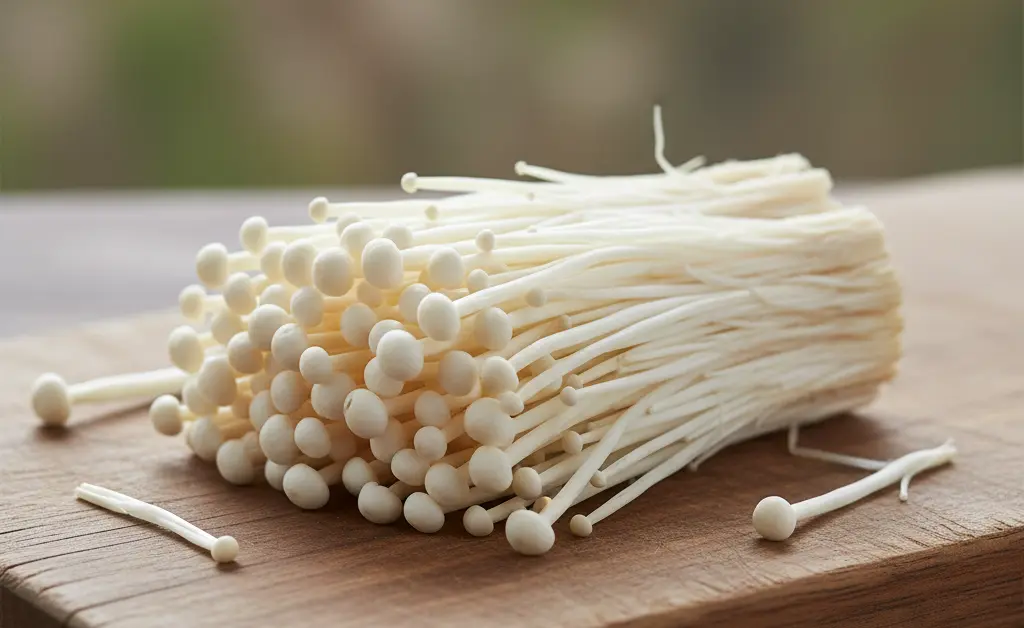
Unpacking the Rich Vitamin Profile of Enoki Mushrooms
This complete nutritional profile breaks down the key enoki mushroom vitamins, including B-complex vitamins, and their role in a balanced diet.
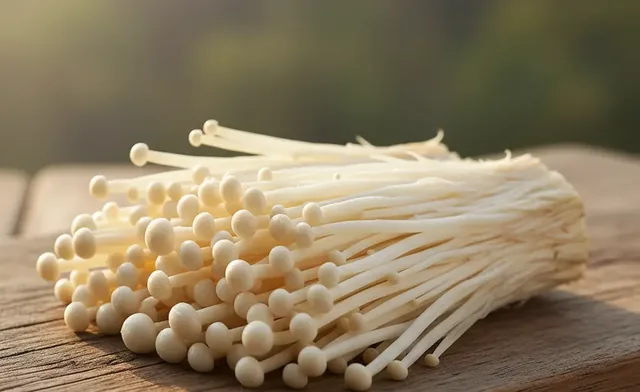
The Impressive Health Profile of Enoki Mushrooms
This guide covers the main enoki mushroom benefits, from their impressive nutritional value and antioxidant content to their role in heart health.
The Delicate Flavor Profile of Enoki Mushrooms
With a delicate and crisp texture, the enoki mushroom taste is defined by its mild, subtly sweet notes and a clean, earthy umami finish.