
Enoki vs. Shiitake: A Culinary and Nutritional Comparison
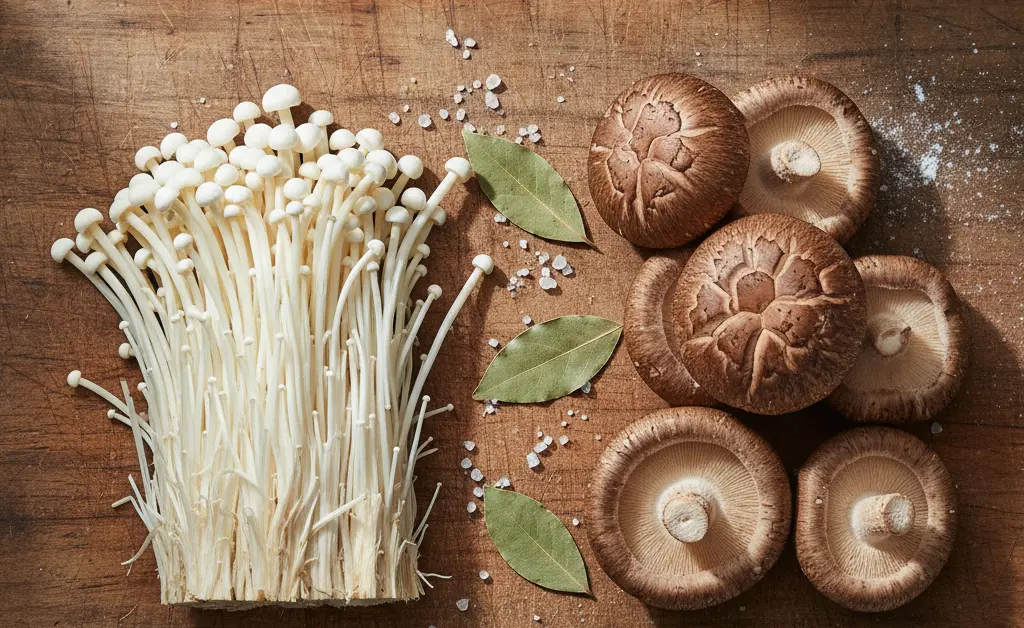
Among the vast array of edible fungi, enoki and shiitake mushrooms stand out as culinary staples with unique attributes. While both are prized for their distinct flavors and textures, understanding their individual profiles is key to maximizing their potential in the kitchen and appreciating their health benefits. This guide delves into a comprehensive enoki mushroom vs shiitake comparison, exploring their appearance, taste, nutritional content, and ideal culinary applications. We will highlight what sets each mushroom apart, from the delicate, noodle-like structure of enoki to the rich, umami-packed caps of shiitake, providing insights to help you choose the best option for your dishes.
Enoki Mushroom vs Shiitake Mushroom Comparison
When considering an enoki mushroom vs shiitake, the initial differences are often visual, but their distinctions extend far beyond appearance to their culinary applications and nutritional compositions. Both mushrooms are highly valued in various cuisines around the world, particularly in Asian dishes, yet they offer unique experiences. Enoki, with its delicate form, contrasts sharply with the robust and substantial nature of shiitake. Understanding these fundamental differences is crucial for any chef or home cook looking to explore the diverse world of fungi.
Enoki Mushroom Appearance
Enoki mushrooms are easily recognizable by their distinctive appearance. They typically feature long, slender, white stems topped with very small, almost pinhead-sized caps. Often sold in dense clusters, their elegant, noodle-like structure makes them a visually appealing addition to many dishes. Wild enoki, sometimes referred to as “winter mushrooms,” can have slightly broader, darker caps and shorter stems, but the cultivated variety commonly found in stores maintains its signature delicate white form. For a detailed comparison, explore enoki mushroom vs seafood mushroom.
Shiitake Mushroom Appearance
Shiitake mushrooms present a more classic mushroom look. They possess umbrella-shaped caps that can range in color from light to dark brown, often with a slightly curled edge and a distinct, meaty texture. The underside reveals prominent gills. Their stems, while edible, are often tougher and sometimes removed before cooking, especially in larger specimens. Shiitake can be found fresh or dried, with the dried variety known for its intensified umami flavor and chewy consistency once rehydrated. Consider how they compare to other common varieties in a button mushroom vs shiitake comparison.
Taste and Texture Profile
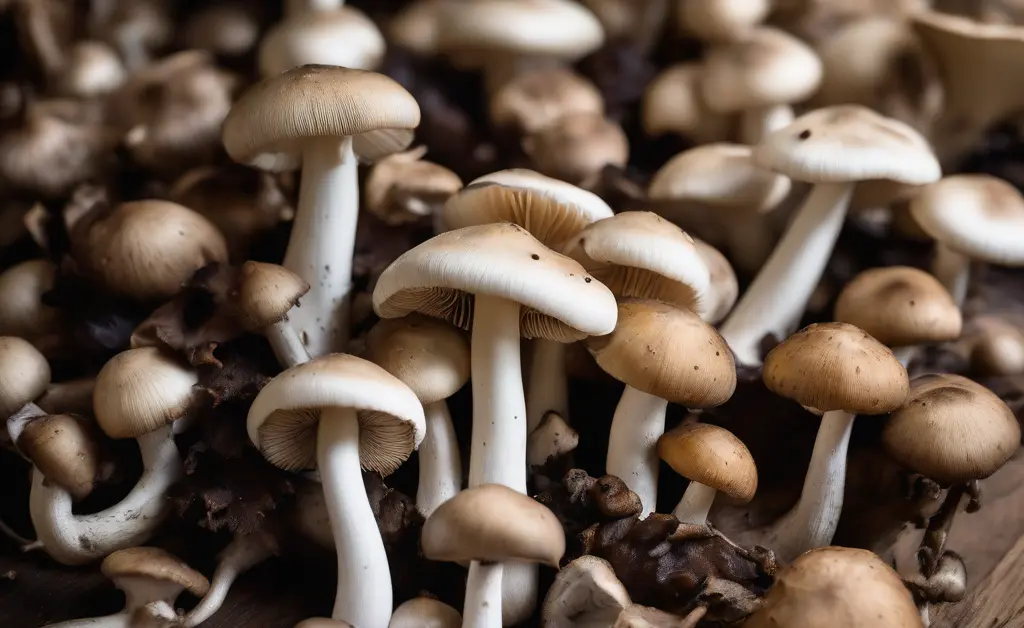
The taste and texture profile is a significant factor in differentiating an enoki mushroom vs shiitake, influencing how each is best utilized in cooking. While both contribute a savory depth to dishes, they do so in distinct ways that cater to different culinary preferences and preparations.
Enoki Mushroom Taste and Texture
Enoki mushrooms offer a mild, somewhat fruity, and subtly savory flavor. Their taste is not overpowering, making them versatile for absorbing the flavors of other ingredients in a dish. The texture is perhaps their most unique characteristic: crisp and firm when raw, and maintaining a satisfying, slightly chewy, almost “al dente” bite when cooked. This distinctive texture often leads to them being used in dishes where a delicate crunch and visual appeal are desired.
Shiitake Mushroom Taste and Texture
Shiitake mushrooms are renowned for their rich, earthy, and intensely umami flavor. This deep, savory taste is often described as meaty or smoky, especially when dried and rehydrated. The texture of shiitake is equally substantial; it is firm, chewy, and robust, providing a satisfying mouthfeel that can stand up to hearty ingredients. This makes them a popular choice for dishes where a strong mushroom presence is desired, offering both depth of flavor and a significant textural contribution.
Nutritional Value Comparison
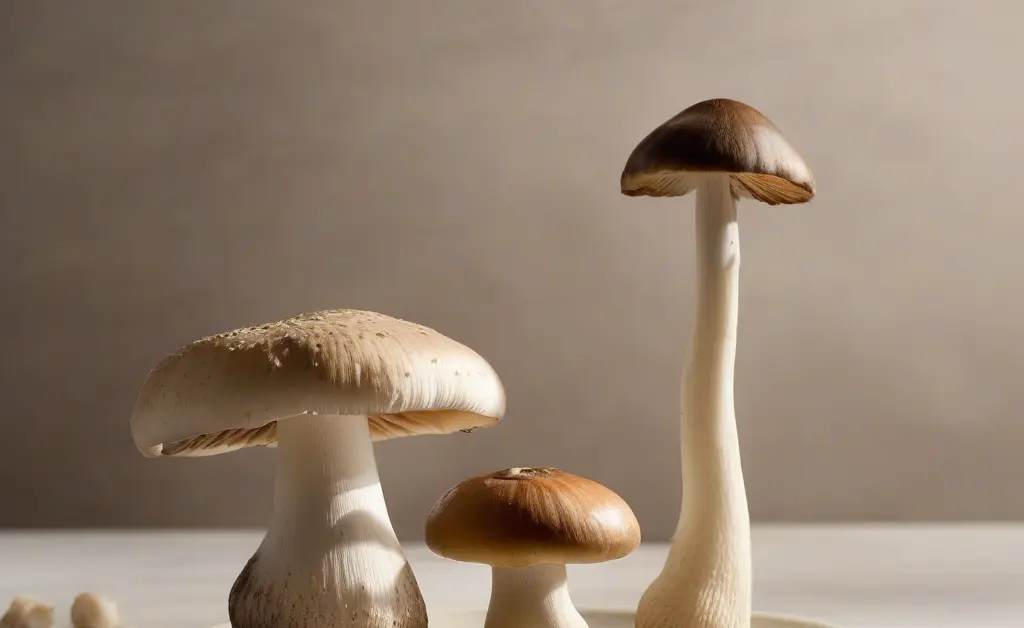
Beyond their culinary attributes, a look at the nutritional value when considering enoki mushroom vs shiitake reveals that both offer beneficial compounds, contributing to a healthy diet. While individual nutrient concentrations may vary, both mushrooms are generally low in calories and provide a range of vitamins, minerals, and other healthful components. Research from institutions like the EFSA provides valuable insights into food safety and nutrition. You can find more information on their work at EFSA.
Nutritional Highlights of Enoki
Enoki mushrooms are primarily known for being a low-calorie food while offering dietary fiber, which can support digestive health. They also contain various B vitamins, such as niacin and thiamine, which play roles in energy metabolism. Additionally, enoki mushrooms may contain certain antioxidants and compounds that contribute to overall wellness, making them a nutritious addition to many meals.
Nutritional Highlights of Shiitake
Shiitake mushrooms are a rich source of several essential nutrients. They are notably high in B vitamins, including B6, folate, and pantothenic acid. They also provide important minerals such as copper, selenium, and zinc. When exposed to sunlight or UV light, shiitake can develop significant amounts of vitamin D, which is beneficial for bone health and immune function. Like enoki, shiitake also contains dietary fiber and various compounds studied for their potential antioxidant properties.
Enoki Mushroom Health Benefits
The health benefits associated with enoki mushrooms are often linked to their nutritional composition. The fiber content may aid in maintaining regular digestion. They are also considered to have antioxidant properties due to certain compounds present, which may help support cellular health. Incorporating enoki into your diet may contribute to a balanced nutritional intake and overall wellness.
Shiitake Mushroom Health Benefits
Shiitake mushrooms have been traditionally valued not just for their flavor but also for their potential health-supporting properties. They contain unique compounds, such as lentinan, which have been extensively studied for their potential to support immune system function. Their rich mineral and vitamin profile, especially vitamin D when properly grown, may contribute to bone health and broader metabolic processes. Some research suggests that compounds in shiitake may also play a role in cardiovascular health and offer antioxidant benefits.
Culinary Uses and Best Applications
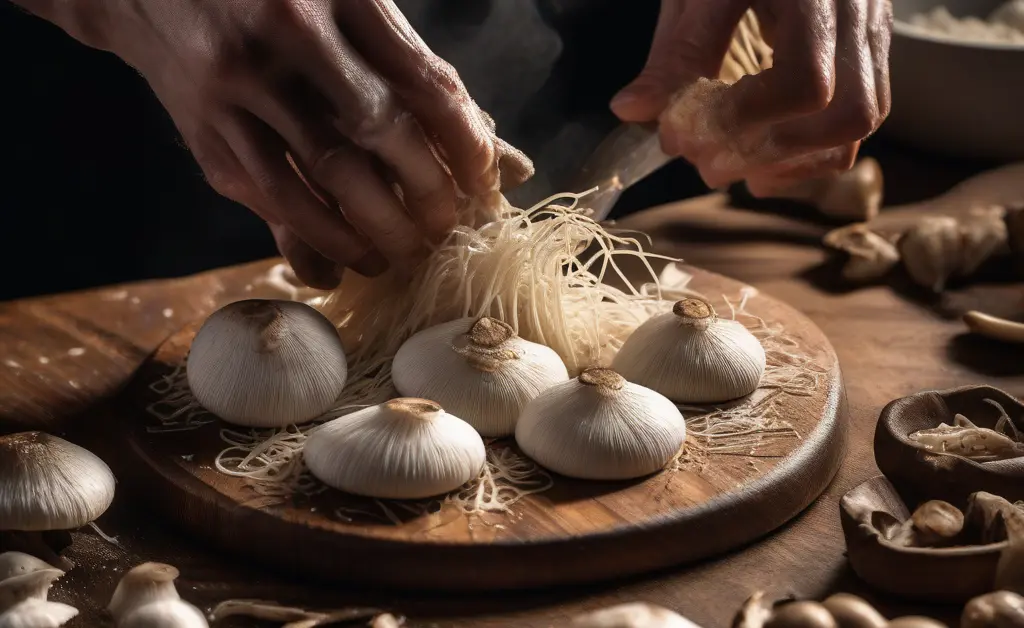
The distinct characteristics of an enoki mushroom vs shiitake naturally lead to different culinary applications. Their unique flavors and textures dictate how they perform best in various dishes, allowing cooks to choose the ideal mushroom for specific culinary goals.
Enoki mushrooms are frequently used in Asian cuisine, especially in soups, hot pots, stir-fries, and salads. Their delicate flavor and crisp texture make them an excellent addition to clear broths or as a garnish. They cook quickly and are often added at the very end of the cooking process to preserve their texture. They can also be lightly sautéed or used raw in salads for a refreshing crunch. Because of their mild taste, they readily absorb the flavors of sauces and other ingredients, making them versatile for a range of preparations.
Shiitake mushrooms, with their robust flavor and meaty texture, are incredibly versatile. They are a cornerstone of many Asian dishes, including stir-fries, stews, miso soup, and noodle dishes. Their umami depth makes them a popular ingredient in vegetarian and vegan recipes as a meat substitute or flavor enhancer. Dried shiitake, once rehydrated, release an even more intense flavor and aroma, making their soaking liquid a valuable ingredient for broths and sauces. They can be sautéed, roasted, grilled, or braised, lending their rich taste to both simple and complex dishes.
In summary, while both enoki and shiitake mushrooms bring distinct culinary advantages, their individual profiles guide their best use. Enoki shines in dishes where a delicate texture and subtle flavor are preferred, while shiitake provides a hearty, umami-rich experience that can be a focal point of a meal.
Readers should understand that this article does not offer medical diagnosis or treatment. This content is provided for informational purposes only and is not intended as a substitute for professional medical advice, diagnosis, or treatment. Always seek the advice of your physician or other qualified health provider with any questions you may have regarding a medical condition. Never disregard professional medical advice or delay in seeking it because of something you have read here.
FAQ
What are the main differences between enoki and shiitake mushrooms?
Enoki mushrooms are slender, white, and elongated with small caps, typically grown in clusters. Shiitake mushrooms are larger with broad, umbrella-shaped brown caps and thicker stems, and they grow individually on decaying wood. Their distinct appearances are a primary visual difference.
Which mushroom has a stronger flavor, enoki or shiitake?
Shiitake mushrooms are known for their robust, umami-rich flavor with a subtle smokiness, making them a dominant taste in dishes. Enoki mushrooms offer a milder, slightly fruity, and delicate flavor profile that is less pronounced.
Can enoki mushrooms be used instead of shiitake?
While both are edible fungi, enoki mushrooms and shiitake mushrooms generally cannot be substituted for each other in recipes due to their significant differences in flavor and texture. The mildness of enoki would not replicate the deep, savory essence of shiitake.
What is the texture difference between enoki and shiitake?
Enoki mushrooms provide a crisp, slightly chewy texture when raw or lightly cooked, becoming more tender with longer cooking. Shiitake mushrooms offer a meatier, chewier bite, and their texture becomes more tender and succulent when cooked.
Are enoki and shiitake mushrooms good for the same recipes?
Enoki and shiitake mushrooms are rarely suitable for the same recipes because their culinary applications are quite distinct. Shiitake mushrooms are often featured as a main ingredient for their strong flavor, while enoki mushrooms are typically added for their delicate taste and unique texture, often as a garnish or in lighter preparations.
Which mushroom is more nutritious, enoki or shiitake?
Both enoki and shiitake mushrooms offer valuable nutrients. Shiitake mushrooms are a good source of B vitamins and minerals like copper and selenium. Enoki mushrooms also provide B vitamins and dietary fiber.