
A Practical Guide to Foraging Hedgehog Mushrooms
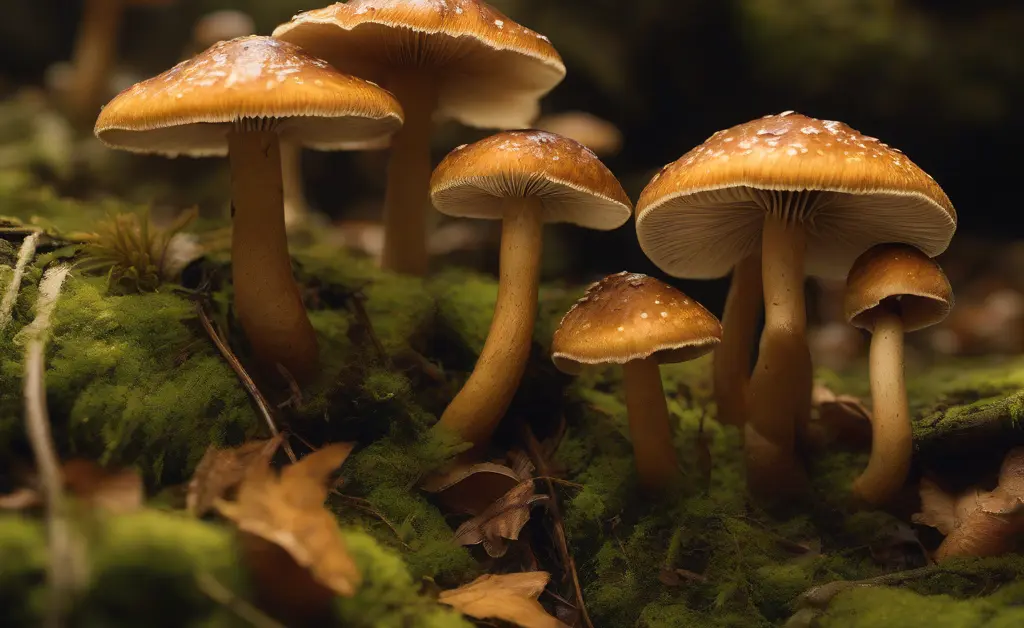
Embarking on a journey into the world of wild edibles is a rewarding experience, especially when it leads to discovering unique culinary delights. Among the many treasures the forest offers, the hedgehog mushroom stands out for its distinctive appearance and exquisite flavor. Its delicate, nutty taste and firm texture make it a highly sought-after ingredient by chefs and home cooks alike. This guide is crafted from years of practical experience navigating diverse forest ecosystems and understanding the subtle clues nature provides. We will demystify the art of foraging hedgehog mushroom, offering comprehensive insights into identification, preferred habitats, optimal harvest times, and crucial ethical considerations. Prepare to elevate your culinary adventures with this remarkable fungal find, armed with the knowledge to safely and successfully bring it from forest to table.
Hedgehog Mushroom: Edibility, Identification, and Distribution
Understanding the fundamental characteristics of the hedgehog mushroom is paramount for any aspiring forager. This section lays the groundwork for safe and successful expeditions, focusing on how to confidently identify this prized edible and where it tends to establish itself. A thorough grasp of its edibility, combined with accurate identification, helps ensure a positive experience when foraging hedgehog mushroom. You can learn more about the general characteristics of the hedgehog mushroom.
Distinguishing from Look-Alikes
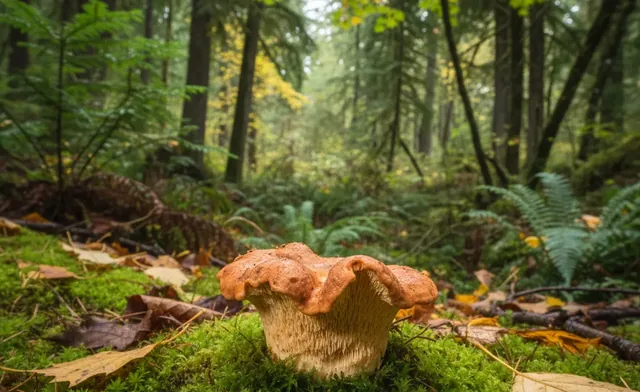
The hedgehog mushroom, scientifically known as Hydnum repandum, possesses several distinctive features that aid in its identification and help differentiate it from other fungi. Its most notable characteristic is the presence of soft, brittle spines or teeth on the underside of its cap, rather than gills or pores. These spines are decurrent, meaning they run down the stem. The cap itself is typically irregularly shaped, often wavy or lobed, and can range in color from creamy white to yellowish-orange or even light brown. The flesh is usually firm and white, bruising slightly yellowish or orange-brown when handled or damaged. While there are a few species that might bear a superficial resemblance, none share the unique combination of cap, stem, and spore-bearing spines of the true hedgehog mushroom, making careful observation key.
Preferred Tree Species
Hedgehog mushrooms exhibit a mycorrhizal relationship with certain tree species, meaning they form a beneficial symbiotic association with their roots. They are commonly found in both coniferous and deciduous woodlands. In coniferous forests, they often associate with pine, spruce, and fir trees. In deciduous settings, their preferred companions include oak, beech, and birch. This association is crucial, as the mushrooms draw nutrients from the trees, and the trees, in turn, benefit from the mushroom’s enhanced ability to absorb water and minerals from the soil.
Soil and Forest Environments
Beyond specific tree associations, the overall forest environment and soil composition play a significant role in the distribution of hedgehog mushrooms. They tend to prefer well-drained soils, often sandy or loamy, and thrive in areas with a good layer of leaf litter or duff. These mushrooms are typically found growing singly or in scattered groups on the forest floor, rather than on wood. Mature, undisturbed woodlands with ample shade and consistent moisture levels often provide ideal conditions for their growth, making such environments prime locations for discovery. Understanding the specific hedgehog mushroom habitat is key to finding them.
Finding the Rare Hedgehog Mushroom
While not necessarily rare in the broader sense, locating a substantial patch of hedgehog mushrooms can feel like finding a hidden treasure. Success in finding the best spots for foraging hedgehog mushroom often comes down to understanding their preferred microclimates and specific growth habits. Patience and keen observation are essential tools in this quest.
Optimal Habitats and Locations for Hedgehog Mushrooms
To increase your chances of finding these desirable fungi, focus your search on particular types of woodland habitats. As mentioned, both coniferous and mixed deciduous forests are prime locations. Look for areas with older growth, as these ecosystems tend to be more stable and provide the consistent conditions hedgehog mushrooms favor. They often appear on mossy banks, along the edges of trails, or within clearings where sunlight can penetrate, but not excessively. Pay close attention to sloped areas or depressions where moisture might accumulate without becoming waterlogged. The presence of specific companion trees, as well as an established understory of ferns or other woodland plants, can also be indicators of a suitable environment.
Best Time to Forage for Hedgehog Mushrooms
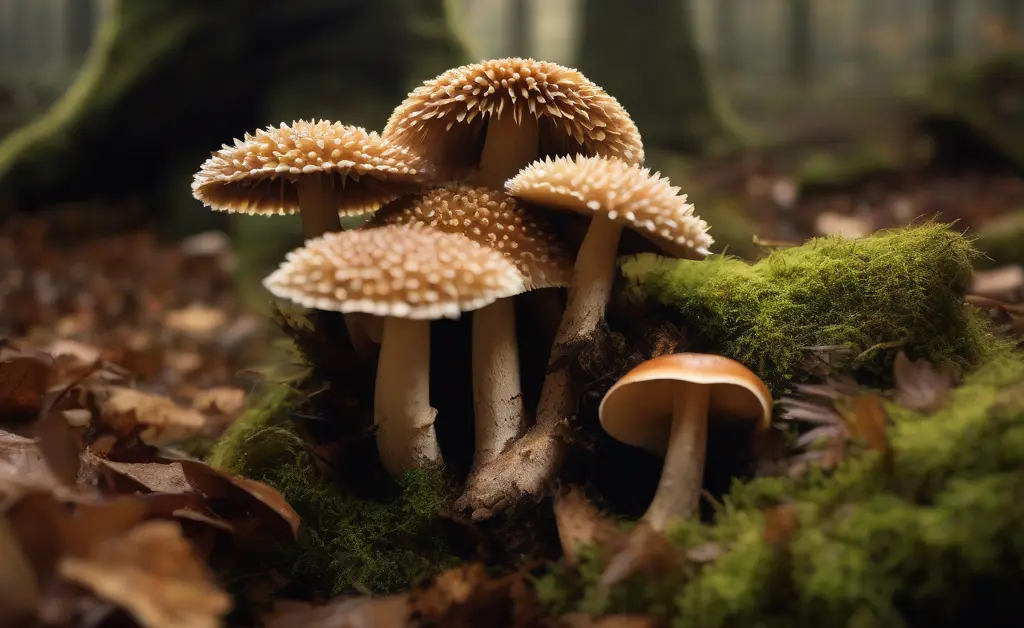
Timing is a critical factor in successful mushroom foraging, and the hedgehog mushroom is no exception. Knowing when conditions are most favorable for its emergence and growth significantly boosts your chances of a bountiful harvest. Understanding the seasonal patterns and weather influences on foraging hedgehog mushroom will make your efforts more fruitful. The optimal hedgehog mushroom season is critical for success.
Seasonal Availability
The primary season for hedgehog mushrooms typically spans from late summer through late autumn, depending on the geographical region and local climate. In some temperate zones, they may even appear earlier in the summer if conditions are sufficiently cool and moist. The peak period often aligns with the cooler temperatures and increased rainfall of fall, which provides the necessary moisture for fungal development. However, their exact appearance can vary year to year, influenced by weather fluctuations.
Weather Conditions for Growth
Consistent moisture is perhaps the most crucial weather condition for the growth of hedgehog mushrooms. They typically emerge after a period of regular rain, especially following dry spells. However, excessively heavy rains that lead to waterlogged conditions may not be ideal. A balance of moisture and moderate temperatures, avoiding extreme heat or frost, tends to be optimal. Cool, damp nights followed by mild, humid days create a perfect environment for these fungi to fruit. Monitoring local weather patterns and rainfall totals can provide valuable clues for planning your foraging trips. For general health information, consult resources like the NIH.
Practical Foraging Tips and Ethics

Successful foraging involves more than just identification; it requires preparation, respect for nature, and adherence to sustainable practices. Embracing a responsible approach ensures both your safety and the longevity of the fungal populations. These practical tips are designed to enhance your experience when foraging hedgehog mushroom.
Essential Gear for Your Foraging Trip
Equipping yourself with the right tools can make your foraging experience more comfortable and productive. A sturdy basket or mesh bag is ideal for collecting mushrooms, allowing spores to disperse as you walk, contributing to future growth. A small, sharp knife is useful for cleanly cutting the mushroom stems, minimizing disturbance to the mycelial network. Carrying a reliable field guide specific to your region can aid in identification. Other practical items include water, snacks, appropriate clothing for the weather, insect repellent, and a compass or GPS device for navigation, especially in unfamiliar areas.
Safety Considerations While Foraging
Safety should always be a top priority during any foraging adventure. Before heading out, inform someone of your destination and estimated return time. Be aware of your surroundings, including potential wildlife and challenging terrain. Dress in layers and wear sturdy, waterproof footwear. When it comes to mushrooms, never consume a wild mushroom unless you are 100% confident in its identification. If in doubt, leave it out. It is also advisable to start with a small amount of any new wild edible to test for individual sensitivities.
Sustainable Harvesting Practices
Ethical foraging ensures that mushroom populations remain healthy for future generations. When harvesting hedgehog mushrooms, aim to pick only what you need and leave plenty behind. It is good practice to leave smaller specimens to mature and sporulate. Avoid disturbing the surrounding soil and leaf litter more than necessary. If you find a large patch, consider leaving a significant portion untouched. Spreading spores as you move through the forest by using a mesh bag also contributes to sustainability. Always seek permission if foraging on private land, and check local regulations for public lands, as some areas may restrict foraging.
The journey of discovering and bringing wild hedgehog mushrooms from the forest to your table is an enriching one, blending culinary passion with an appreciation for the natural world. By diligently applying the principles of accurate identification, understanding their preferred habitats and seasonal patterns, and adhering to ethical harvesting practices, you can safely and sustainably enjoy this distinctive culinary treasure. Each foraging trip offers an opportunity to deepen your connection with nature and refine your observational skills, culminating in the unique satisfaction of a self-harvested meal.
This material is shared for educational insight, not for clinical decision-making. The information presented here about mushrooms is for general knowledge and informational purposes only, and does not constitute professional advice. Foraging wild mushrooms carries inherent risks, and accurate identification is crucial for safety. Always consult with a qualified expert before consuming any wild plant or fungus.
FAQ
Where are the best places to find hedgehog mushrooms?
Hedgehog mushrooms commonly grow in mixed forests, often found under coniferous and deciduous trees. They tend to prefer areas with mossy ground, leaf litter, or near forest edges. Look for them in established woodlands where their symbiotic relationships with trees can flourish.
What time of year is best for foraging hedgehog mushrooms?
The peak season for finding hedgehog mushrooms generally spans from late summer through fall. This period typically lasts until the first hard frosts arrive, making early autumn a prime time for discovery. Specific timing can vary slightly depending on regional climate and rainfall patterns.
How do you identify a hedgehog mushroom in the wild?
A key identifying feature of the hedgehog mushroom is the presence of tooth-like spines on its underside, rather than gills or pores. These spines are typically short, dense, and easily breakable. The cap is usually convex to flat, with a color ranging from pale tan to orangish-brown.
What kind of trees do hedgehog mushrooms grow near?
Hedgehog mushrooms are known to associate with a variety of trees, commonly found under pines, spruces, firs, and oaks. They also grow with beeches and sometimes aspens. Their mycorrhizal association with these trees is crucial for their development and fruiting.
Are hedgehog mushrooms difficult to find?
While hedgehog mushrooms can be widespread, their abundance can vary, making them moderately challenging to locate consistently. They often grow in scattered groups or singly, requiring patient observation within suitable habitats. Successful foraging often relies on knowing the preferred ecological niches and conditions.
What are the ideal weather conditions for hedgehog mushrooms to fruit?
Hedgehog mushrooms typically fruit after periods of consistent rainfall, especially when followed by moderate temperatures. Damp soil and high humidity are favorable conditions that encourage their emergence. A slight cooling trend after rain can also stimulate fruiting.
Continue reading
You May Also Like
Foraging Hedgehog Mushrooms in California: An Expert Guide
Forage for the prized hedgehog mushroom California offers with our complete guide to identification, key lookalikes, and prime habitats.
A Practical Guide to Hedgehog Mushroom's Health Benefits
Our expert guide calmly explains the hedgehog mushroom medicinal uses, focusing on its key health benefits and how it can support your well-being.
A Guide to Foraging Hedgehog Mushrooms in Oregon
Valued for its excellent flavor, the hedgehog mushroom Oregon foragers seek is identified by its distinctive toothy spines instead of gills.