
The Complete Forager’s Guide to Hedgehog Mushrooms
You’ve just returned from a refreshing walk in the woods, your basket holding a collection of intriguing fungi. As you lay them out on the kitchen counter, their unique appearance sparks a curiosity about their culinary potential and safe identification. Among them, a particular specimen stands out with its distinctive underside, making it quite unique. Understanding this specific variety is key to unlocking its delicious flavor and ensuring a safe, enjoyable meal. This guide aims to demystify the process for enthusiasts and beginners alike, providing comprehensive insights into how to identify, forage, and prepare the delicate hedgehog mushroom. Whether you’re a seasoned forager or just starting your journey into the world of wild edibles, mastering the characteristics of this sought-after fungi will enhance your culinary adventures.
What Are Hedgehog Mushrooms?
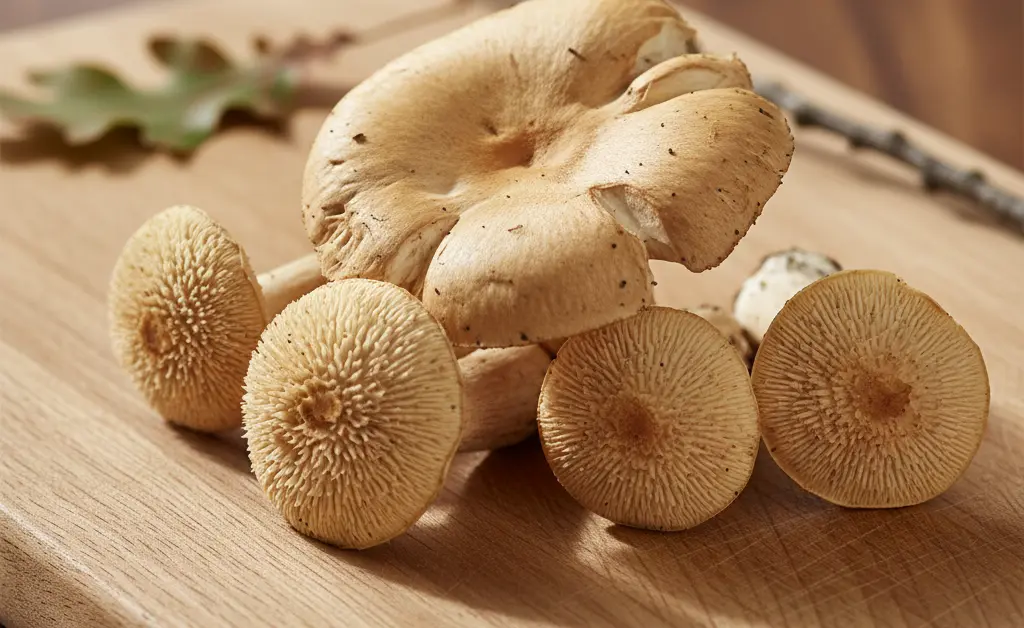
The hedgehog mushroom, scientifically known as Hydnum repandum, is a highly regarded edible fungus celebrated for its unique appearance and mild, earthy flavor. Unlike many gilled mushrooms, it possesses distinctive spines or “teeth” on its underside, which gives it its common name. This feature makes it relatively easy to identify in the wild and sets it apart from many other mushroom species. Revered by foragers and chefs alike, the hedgehog mushroom is prized for its firm texture and ability to absorb flavors, making it a versatile ingredient in various dishes. To learn more about what a hedgehog mushroom is, check out this article.
Key Characteristics of Hedgehog Mushrooms
Hedgehog mushrooms typically grow individually or in scattered groups, often in deciduous or coniferous forests. Their appearance can vary slightly depending on their age and local environmental conditions, but several key characteristics consistently define them. Understanding these features is crucial for accurate identification, ensuring a safe and rewarding foraging experience. Their overall shape is generally irregular, and they tend to grow low to the ground.
Cap Features
The cap of the hedgehog mushroom is often irregular in shape, sometimes lobed or wavy, and can range from 5 to 17 centimeters in diameter. Its color usually spans shades of cream, buff, pale orange, or light brown, often becoming paler towards the edges. The surface is typically dry and matte, sometimes slightly velvety or scaly, and can feel somewhat brittle. The margin of the cap often remains inrolled for a time before flattening out with age, becoming more irregular.
Underside/Spine Details
The most defining characteristic of the hedgehog mushroom is its underside, which features soft, brittle spines or “teeth” rather than gills or pores. These spines are typically pale, cream to off-white, and detach easily when handled. They are generally uniform in length, extending down from the cap and sometimes slightly onto the upper stem. This unique spine structure is a primary identifier and a key feature distinguishing it from other fungi.
Stem Description
The stem (stipe) of the hedgehog mushroom is usually stout and solid, ranging from 3 to 10 centimeters tall and 1 to 3 centimeters thick. Its color often matches that of the cap or is slightly paler, frequently off-center or irregularly shaped, sometimes even fused with other stems in clustered growths. The surface of the stem is typically smooth, though it can exhibit some minor fibrous textures. It tapers slightly towards the base or remains fairly uniform.
Flesh and Smell
The flesh of the hedgehog mushroom is firm, brittle, and white or off-white, maintaining its color when cut. It rarely changes color upon exposure to air, distinguishing it from some other species. When fresh, it has a mild, pleasant, slightly fruity or earthy aroma. The taste, when raw, is similarly mild and sometimes described as slightly peppery or bitter, though this bitterness typically dissipates completely when cooked, transforming into a rich, nutty, and savory flavor.
Hedgehog Mushroom Identification
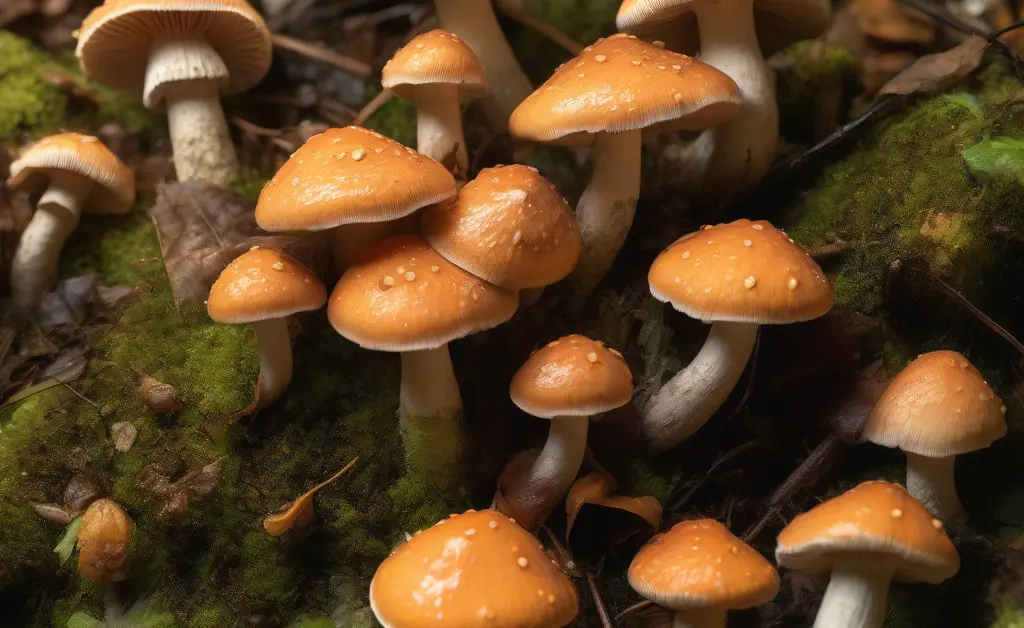
Accurate identification of the hedgehog mushroom is paramount for safe foraging. While its distinctive spines are a strong indicator, it’s important to consider all characteristics and be aware of potential look-alikes. Knowing what to look for and what to avoid will ensure you only harvest edible specimens, contributing to a safe and enjoyable culinary experience.
Identifying Hedgehog Mushrooms
To positively identify a hedgehog mushroom, begin by observing its overall shape and color. Look for an irregularly shaped, pale cap. The most crucial step is to examine the underside: it must have soft, brittle, detachable spines, not gills or pores. Check the stem for its solid nature and off-center attachment. Finally, note the firm, white flesh and pleasant, mild aroma. If any of these key features are absent or if there’s any doubt, the mushroom should not be consumed.
Hedgehog Mushroom Look-Alikes
While the hedgehog mushroom is generally considered distinctive due to its spines, there are a few species that inexperienced foragers might confuse it with. These often include other fungi that grow in similar habitats or have somewhat similar cap appearances. Developing a keen eye for the specific characteristics of the hedgehog mushroom is essential to differentiate it from these other species. Some mushrooms, like the wood ear mushroom, have very different identifying features. Learn more about the wood ear mushroom and its distinctions.
Distinguishing from Chanterelles
One common group of mushrooms sometimes confused with hedgehog mushrooms are chanterelles (e.g., Cantharellus cibarius). Both are highly prized edibles and often grow in similar woodland environments. However, chanterelles have false gills (folds in the cap tissue) that run down the stem, not true gills or detachable spines. Their color is often a more vibrant golden-yellow, and their flesh is more fibrous compared to the brittle flesh of the hedgehog mushroom. Carefully inspecting the underside is the easiest way to tell them apart.
Avoiding Poisonous Imitators
Fortunately, there are no known dangerously poisonous species that closely resemble the hedgehog mushroom with its unique spine structure. This makes it a relatively safe mushroom for beginners to identify once they understand its key features. However, caution is always advised in foraging. Always ensure positive identification by checking all characteristics, and never consume a mushroom if there is any uncertainty about its identity. When in doubt, it’s best to discard the specimen or consult an expert. For general health advice, consult resources such as the NHS website.
Guide to Foraging Hedgehog Mushrooms
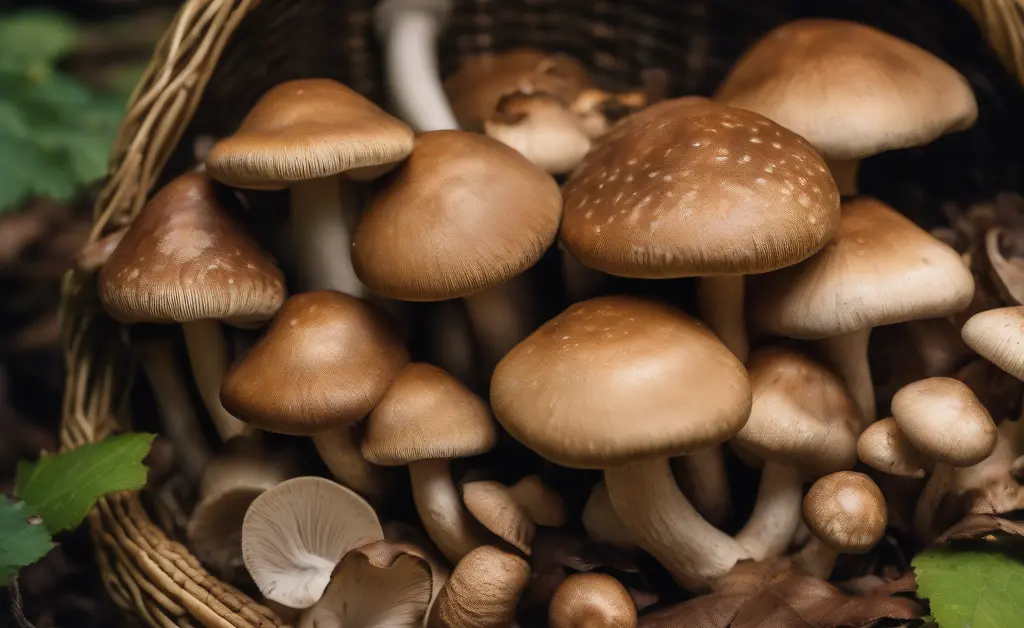
Successful foraging for the hedgehog mushroom often depends on understanding its preferred habitats and seasonal growth patterns. Knowing where and when to look, combined with ethical foraging practices, will lead to a more bountiful and sustainable harvest. This prized edible can be a delightful find for those who know its secrets.
Where to Find Hedgehog Mushrooms
Hedgehog mushrooms prefer to grow on the ground in both coniferous and deciduous forests. They are often found under pine, spruce, hemlock, oak, or beech trees. Look for them nestled among moss, leaf litter, or fallen branches. They tend to favor disturbed areas or edges of trails, but can also be found in deeper woods. Their pale caps can sometimes blend in with the forest floor, so a keen eye is required.
Best Time to Forage
The prime season for foraging hedgehog mushrooms is typically late summer through autumn, and sometimes into early winter in milder climates. They thrive after periods of consistent moisture, usually a few days after good rain. However, their appearance can be somewhat unpredictable, so regular checks of known spots throughout the season can increase your chances of a successful harvest. Early morning is often the best time to forage, as the mushrooms are freshest and less likely to have been disturbed by other foragers.
Sustainable Foraging Practices
To ensure future harvests and maintain forest health, sustainable foraging practices are essential. When collecting hedgehog mushrooms, use a sharp knife to cut the stem at ground level, leaving the mycelial network intact. Avoid disturbing the surrounding soil and plant life. Only collect what you intend to use, leaving smaller or older specimens to drop spores and continue the growth cycle. It’s also important to be aware of local regulations regarding foraging in public or private lands.
Cleaning and Preparing Hedgehog Mushrooms
Cleaning and Preparing Hedgehog Mushrooms
Proper cleaning and preparation are essential to fully enjoy the hedgehog mushroom. Due to their forest habitat, they often accumulate dirt, leaves, and sometimes small insects. Begin by gently brushing off any debris with a soft brush or a damp cloth. Avoid soaking them in water, as they can become waterlogged and lose flavor and texture. If necessary, you can lightly rinse them under cold, running water and then pat them thoroughly dry with a towel. The brittle spines typically do not need to be removed unless they are very old or discolored, as they soften and become indistinguishable when cooked. Trim any tough or discolored portions of the stem before cooking.
Cooking with Hedgehog Mushrooms
How to Cook the Hedgehog Mushroom
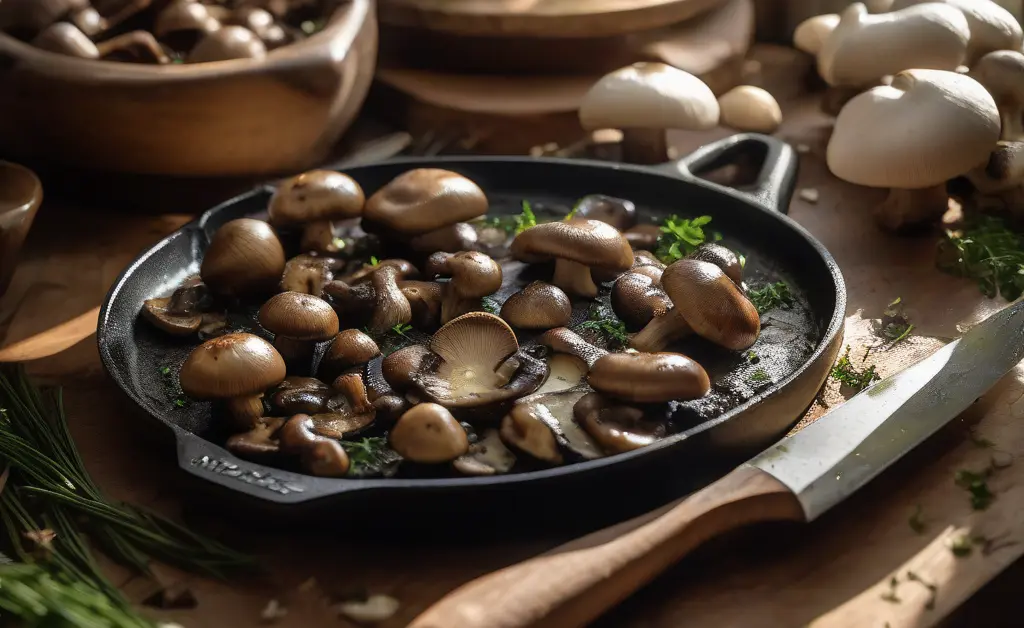
The delicate flavor and firm texture of the hedgehog mushroom make it a versatile ingredient in the kitchen. They can be sautéed, roasted, added to soups, stews, or sauces, and even pickled. A simple sauté with butter or olive oil, garlic, and fresh herbs often best highlights their natural taste. Ensure they are cooked thoroughly to develop their full flavor and to eliminate any mild raw bitterness. Avoid overcrowding the pan, as this can steam them rather than allowing them to brown and caramelize properly.
Flavor Profile and Texture
When cooked, hedgehog mushrooms develop a rich, earthy, and nutty flavor with a subtle sweetness. Some describe their taste as slightly peppery or reminiscent of shellfish, particularly when young. Their texture is firm yet tender, never slimy or overly chewy, making them very satisfying to eat. They hold their shape well during cooking and absorb accompanying flavors beautifully, enhancing the overall depth of a dish.
Culinary Uses of Hedgehog Mushrooms
The versatility of hedgehog mushrooms makes them suitable for a wide array of culinary applications. They can be incorporated into risottos, pasta dishes, omelets, frittatas, and quiches. They make an excellent topping for bruschetta or pizza. Their robust flavor also stands up well in meat dishes, complementing chicken, pork, or beef. For a vegetarian option, they can be the star of a creamy mushroom soup or a hearty stir-fry. There are many delicious hedgehog mushroom recipes to explore.
Pairing Suggestions
Hedgehog mushrooms pair wonderfully with ingredients that complement their earthy notes. Think of complementary flavors like garlic, shallots, thyme, rosemary, parsley, and tarragon. They also marry well with creamy sauces, cheeses such as Parmesan or Gruyere, and rich broths. In terms of wines, a dry white wine like Sauvignon Blanc or a light-bodied red like Pinot Noir can enhance their delicate taste. Their slightly peppery notes can also be balanced with a touch of acidity from lemon juice or a splash of white wine vinegar.
Hedgehog Mushroom Recipes
Simple Hedgehog Mushroom Recipes
For a basic yet delicious preparation, simply sauté sliced hedgehog mushrooms in butter with minced garlic and a sprinkle of fresh thyme until golden brown. Season with salt and pepper to taste. This preparation can be enjoyed on its own, tossed with pasta, or served alongside roasted meats. Another easy option is to roast them with olive oil, salt, pepper, and a dash of balsamic vinegar until tender and slightly caramelized, making a flavorful side dish. They also shine in a simple mushroom toast, where sautéed mushrooms are piled onto toasted bread and optionally topped with a soft-boiled egg or goat cheese. You can find more hedgehog mushroom recipes here.
Storing Hedgehog Mushrooms
Fresh hedgehog mushrooms are best used as soon as possible after foraging to enjoy their optimal flavor and texture. If immediate use is not possible, store them unwashed in a paper bag or a breathable container in the refrigerator. This allows for air circulation and helps prevent moisture buildup, which can lead to spoilage. Stored this way, they can remain fresh for several days. For longer-term storage, they can be sautéed and then frozen, or dried, which concentrates their flavor. Dried mushrooms can be rehydrated and used in various cooked dishes.
The Nutritional Aspects of Hedgehog Mushrooms
Hedgehog mushrooms, like many edible fungi, offer various nutritional components that can contribute to a balanced diet. They are considered to be a source of dietary fiber, which is beneficial for digestive health. These mushrooms are also known to contain certain vitamins, including some B vitamins, and minerals. They are typically low in calories and fat, making them a nutritious addition to many meals. Additionally, hedgehog mushrooms may contain unique compounds that have been studied for their potential antioxidant properties, contributing to overall well-being. Incorporating them into your diet can be a delicious way to enjoy their distinctive taste while also potentially benefiting from their nutritional content. These can be considered part of a healthy diet, similar to other natural supplements.
As you delve into the world of hedgehog mushrooms, from their forest homes to your kitchen, you embark on a rewarding culinary journey. Their distinctive appearance, delightful flavor, and nutritional value make them a standout among edible fungi. With careful identification and mindful foraging, these unique mushrooms can become a cherished part of your seasonal meals, connecting you more deeply with the natural world. Enjoy the process of discovery and savor every delicious bite of this woodland treasure.
The purpose of this content is to educate, not to diagnose or treat. Information regarding foraging, consumption, and nutritional aspects of wild mushrooms should always be approached with caution and ideally under the guidance of an expert. Always consult with a qualified professional for any health concerns or before making any decisions related to your health or well-being. This article provides general information and is not a substitute for professional advice.
FAQ
Are hedgehog mushrooms edible?
Yes, hedgehog mushrooms are a popular choice for foraging and culinary use. They are widely considered safe and delicious to eat when properly identified.
What do hedgehog mushrooms taste like?
Hedgehog mushrooms possess a mild, earthy, and slightly peppery flavor. Many describe their taste as subtly sweet, with a pleasant texture that becomes tender when cooked.
How do you identify a hedgehog mushroom?
Identifying a hedgehog mushroom involves looking for its distinctive features: small, brittle spines or teeth on the underside of the cap instead of gills. The caps are typically convex to flattened and range in color from pale tan to reddish-brown.
Where do hedgehog mushrooms grow?
These mushrooms are commonly found growing in clusters on the ground in forests, particularly under coniferous and deciduous trees. They often appear in mossy areas and can be present from late summer through fall.
How do you cook hedgehog mushrooms?
Hedgehog mushrooms can be prepared in a variety of ways, such as sautéing, roasting, or adding them to soups and stews. Their flavor is versatile and complements many dishes well.
What is the best way to clean hedgehog mushrooms?
Due to their delicate spines, it is best to gently brush off any dirt or debris with a soft brush or a damp cloth. Avoid soaking them in water, as they can absorb too much moisture.
Can you eat hedgehog mushrooms raw?
While technically edible raw, it is generally recommended to cook hedgehog mushrooms. Cooking helps to improve their texture and digestibility, unlocking their full flavor potential.
Are there any poisonous look-alikes for hedgehog mushrooms?
While generally considered to have few dangerous look-alikes, it is crucial to be absolutely certain of identification before consumption. Always confirm the distinctive tooth-like structures on the underside of the cap.
Continue reading
You May Also Like
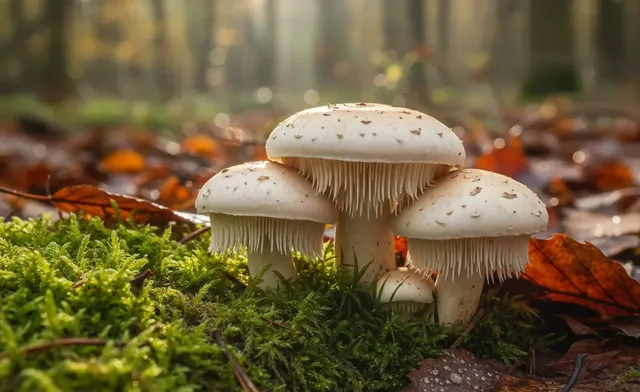
A Forager's Guide to Hedgehog Mushrooms in Alberta
A complete guide to the hedgehog mushroom in Alberta, covering essential identification characteristics, common habitats, and the best time to forage.
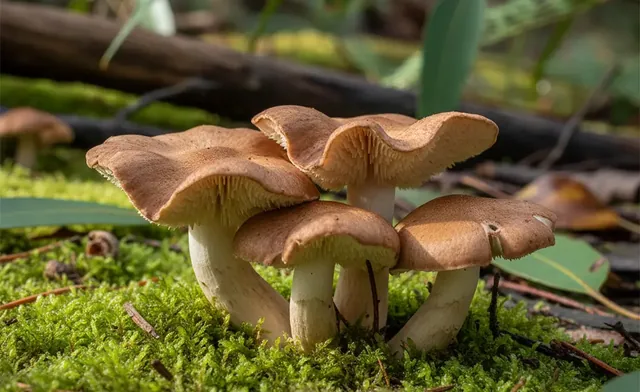
The Complete Guide to Australian Hedgehog Mushrooms
A responsible guide to identifying the edible hedgehog mushroom australia, covering key features to help you avoid dangerous lookalikes.
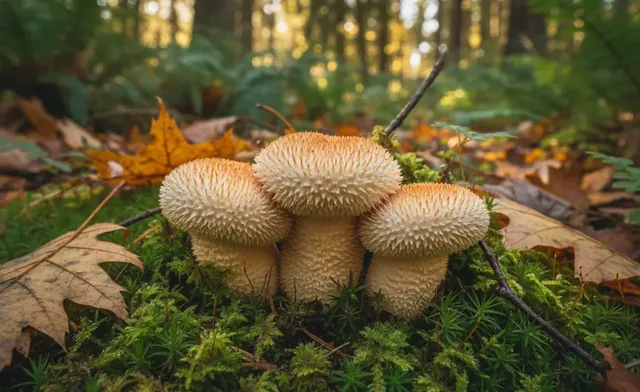
A Forager’s Guide to Hedgehog Mushrooms in BC
Confidently identify the hedgehog mushroom BC with our forager's guide, which details its key characteristics and how it differs from look-alikes.