
Getting to Know the Hedgehog Mushroom

In today’s culinary landscape, where home cooking and unique ingredients are increasingly celebrated, mushrooms often take center stage as versatile and flavorful additions. For those looking to expand their gastronomic horizons beyond the typical button or portobello, a fascinating and delicious option awaits: the hedgehog mushroom. Prized by chefs and foragers alike for its distinctive texture and earthy, nutty flavor, this fungal delicacy is gaining popularity for its gourmet appeal and relative ease of identification. Understanding what is hedgehog mushroom, from its unique appearance and habitat to its culinary applications, can significantly enrich any food enthusiast’s repertoire and bring a touch of the wild to the kitchen. This comprehensive guide delves into everything you need to know about this remarkable fungi, empowering you to explore its potential.
Understanding Hedgehog Mushrooms
Definition and Overview
The hedgehog mushroom, scientifically known as *Hydnum repandum*, is a popular edible fungus recognized for its unique appearance and delightful flavor. It belongs to a group of mushrooms characterized by spine-like projections, often referred to as “teeth,” on the underside of its cap, instead of the more common gills or pores. These distinctive spines are a key identifier, distinguishing it from many other fungi. Esteemed by foragers and professional chefs, this mushroom is celebrated for its firm texture and mild, slightly nutty, and earthy taste. It grows widely across various temperate regions and is considered a relatively safe and rewarding find for those interested in wild mushrooms. You can learn more about the hedgehog mushroom here.
Relationship to Other Fungi
While the hedgehog mushroom is unique in its dental structure, it shares some ecological and culinary characteristics with other well-known fungi. It is often found in similar habitats to chanterelles, another highly prized edible mushroom, particularly in coniferous and deciduous forests. Both species are mycorrhizal, meaning they form a symbiotic relationship with tree roots, aiding in nutrient exchange. Although distinct in their hymenial structure (gills vs. teeth), hedgehog mushrooms and chanterelles are sometimes seen growing in proximity and are both favored for their culinary versatility and robust flavor profiles. Understanding its place within the broader fungal kingdom helps to appreciate its specific attributes and ecological role.
What is Hedgehog Mushroom Look Like
Appearance and Structure
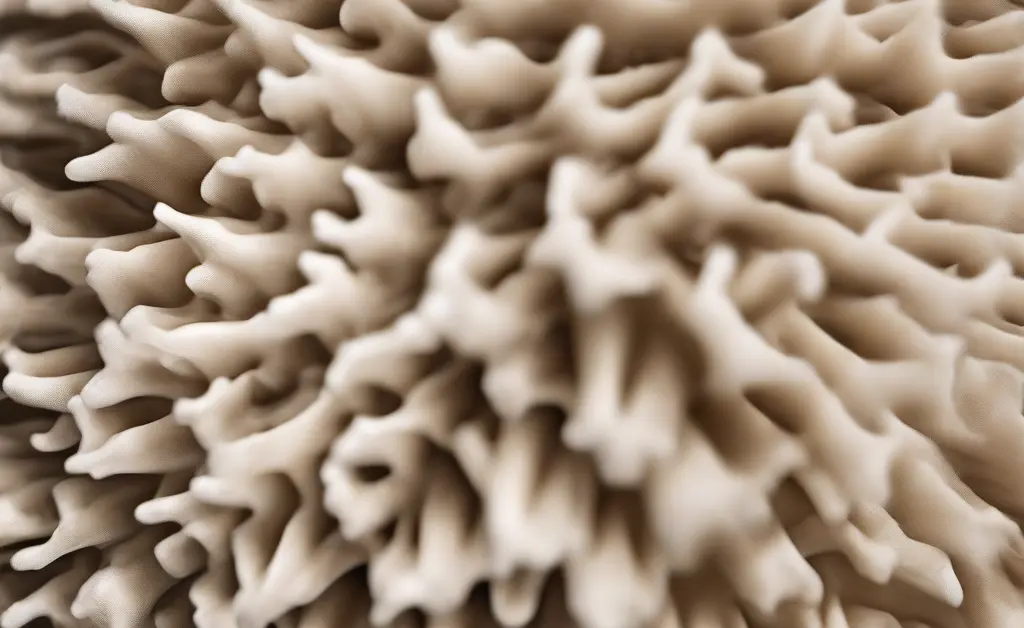
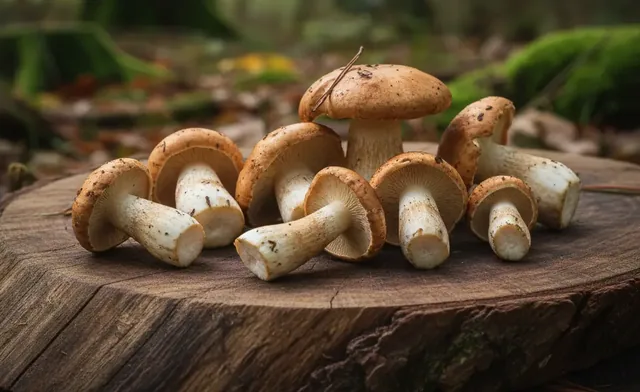
To accurately identify what is hedgehog mushroom, one must pay close attention to its distinct physical characteristics. The cap of the hedgehog mushroom typically ranges from off-white to yellowish, orangish-brown, or even light tan, and can vary in shape from convex to somewhat irregular, often with a wavy margin. Its size usually spans from about 2 to 7 inches in diameter. The stem is often stout, off-center or central, and ranges in color from white to the same hue as the cap. The most defining feature, and what gives the mushroom its name, are the soft, brittle spines (teeth) on the underside of the cap. These spines are usually whitish or cream-colored, about 2-6 mm long, and detach easily, making them a crucial identification marker. Unlike gills, these spines do not branch or fork and are uniformly spaced, providing a unique texture that helps differentiate it from other species.
Commonly Known Names
Beyond its scientific name, *Hydnum repandum*, the hedgehog mushroom is known by several common names that often reflect its appearance. It is most frequently referred to as the “Hedgehog Mushroom” due to the tooth-like spines on its underside, which resemble a hedgehog’s quills. Other names include “Sweet Tooth” or “Wood Hedgehog,” referring to its mild taste and forest habitat. In some regions, it may simply be called “Dentium” or “Spine Fungus,” again highlighting its most distinguishing feature. These names are useful for recognizing the mushroom in different contexts and culinary discussions. Explore the various hedgehog mushroom names in other languages to broaden your knowledge.
Hedgehog Mushroom Look Alike
While the hedgehog mushroom is relatively easy to identify due to its unique spines, it’s always important to be aware of potential look-alikes for safe foraging. One common confusion might arise with other species within the *Hydnum* genus, such as *Hydnum umbilicatum*, which is smaller but also edible. More importantly, foragers must distinguish it from potentially less desirable or unknown species. However, the absence of gills or pores and the presence of detachable spines make it quite distinct from most toxic mushrooms, which typically possess gills. When learning what is hedgehog mushroom, careful examination of the undercap structure is paramount. No known dangerously poisonous fungi closely resemble the hedgehog mushroom; however, general foraging safety practices always recommend careful identification and, if in doubt, consulting an expert or avoiding consumption.
What is Hedgehog Mushroom Edible
Edibility and Taste Profile
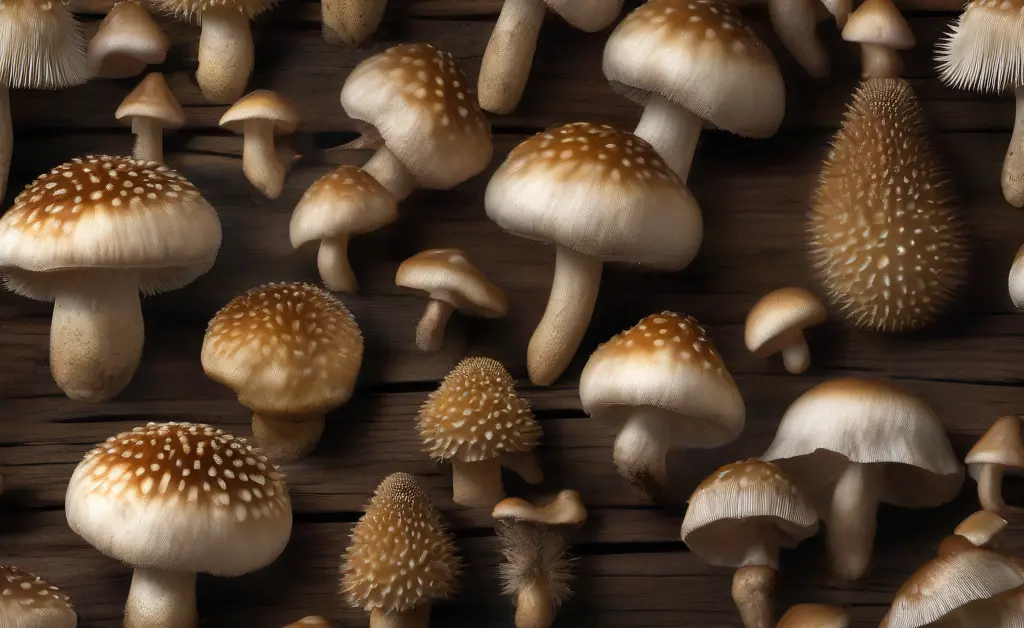
The hedgehog mushroom is widely regarded as an excellent edible mushroom, cherished for its culinary versatility and delightful flavor. It is a popular choice among foragers due to its distinct appearance, which makes it one of the safer species to identify in the wild. Its flesh is firm and remains so even after cooking, offering a satisfying texture. When considering what is hedgehog mushroom in terms of edibility, it’s known for its relatively mild, sweet, and nutty taste with subtle earthy undertones, making it less intensely aromatic than some other wild mushrooms. This gentle flavor profile allows it to complement a wide range of dishes without overpowering other ingredients. The spines on the underside, though unique, soften considerably during cooking and are generally not noticeable in the final dish. Some cooks choose to scrape them off, especially if they are particularly long or if the mushrooms are older, but this is often a matter of preference. For those interested in specific linguistic variations, the hedgehog mushroom in Finnish can be a fascinating discovery.
What is Hedgehog Mushroom Taste Like
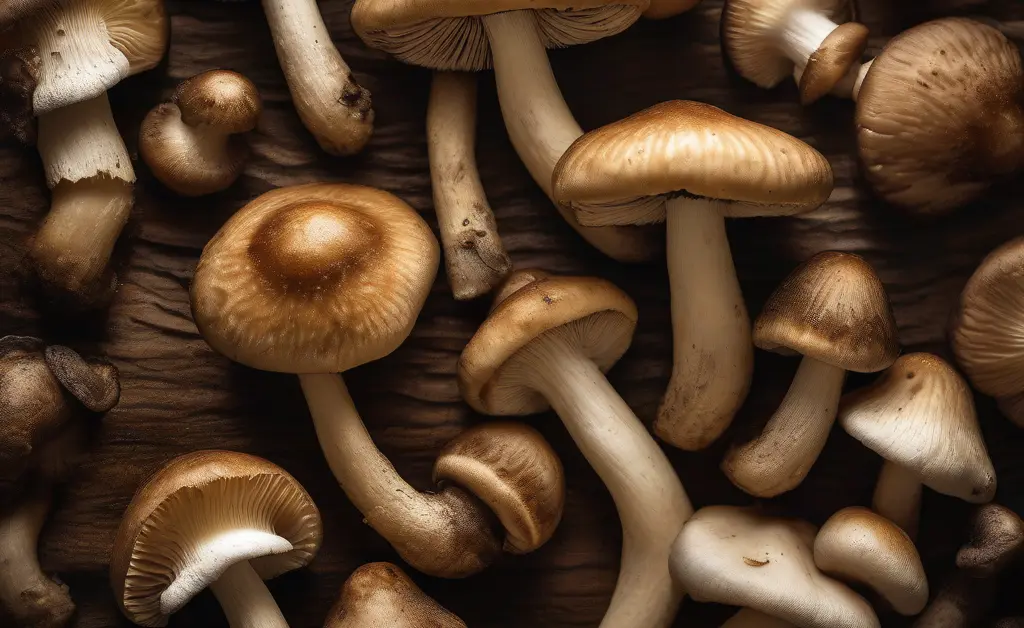
The taste of the hedgehog mushroom is often described as subtle yet distinct, offering a pleasant balance that makes it highly adaptable in the kitchen. Its primary flavor notes include a delicate nuttiness, reminiscent of almonds or cashews, combined with a mild, earthy essence that speaks of its forest origins. Unlike some more robust wild mushrooms, it lacks bitterness or a strong, pungent aroma, making it appealing to a broad palate. Some individuals detect a slightly peppery finish, especially when raw, but this typically mellows significantly upon cooking. Its firm, slightly crisp texture adds to the eating experience, providing a satisfying mouthfeel whether sautéed, roasted, or incorporated into more complex dishes. This unique combination of mild flavor and firm texture makes what is hedgehog mushroom a sought-after ingredient, particularly valued for its ability to absorb and enhance the flavors of accompanying ingredients. The hedgehog mushroom in French is known for its delicate flavor, further highlighting its international appeal.
The hedgehog mushroom offers a delightful culinary experience, combining a unique appearance with a mild yet distinctive flavor. Its versatility in the kitchen and relative ease of identification make it an exciting option for both seasoned foragers and adventurous home cooks looking to explore new gourmet ingredients. From understanding its defining characteristics to appreciating its taste, this remarkable fungus provides a wonderful opportunity to connect with nature’s bounty and elevate your culinary creations.
This material is shared for educational insight, not for clinical decision-making. Information about mushrooms, including their edibility and potential uses, is provided for general knowledge and should not be interpreted as medical guidance. Always consult with a qualified healthcare professional or an expert mycologist before consuming wild mushrooms or making any health-related decisions based on such information. Individual sensitivities and reactions can vary, and proper identification is crucial for safety. The FDA provides guidance on food safety.
FAQ
What makes hedgehog mushrooms unique?
Hedgehog mushrooms are distinguished by their unique fruiting body, which features small, tooth-like spines or “teeth” on their underside, rather than gills or pores. These soft, fleshy spines are responsible for spore dispersal and are a key characteristic that sets them apart from many other mushroom varieties. This distinctive feature makes them easily identifiable in the wild.
Are hedgehog mushrooms edible?
Yes, hedgehog mushrooms are widely considered edible and are enjoyed by foragers and chefs alike. They are known for their good flavor and firm texture, making them a versatile ingredient in various culinary preparations. As with any wild mushroom, proper identification is crucial before consumption.
What is another name for hedgehog mushroom?
Hedgehog mushrooms are also commonly known by the name “wood hedgehog.” This name reflects their habitat, as they are typically found growing in woodland environments. The term “wood hedgehog” helps distinguish them further, though “hedgehog mushroom” remains the most prevalent identifier.
How do hedgehog mushrooms taste?
Hedgehog mushrooms offer a pleasant, slightly peppery, and earthy flavor profile. Their taste is often described as mild and nutty, with a hint of sweetness that becomes more pronounced when cooked. This delicious flavor makes them a favorite for incorporation into a variety of savory dishes.
What do hedgehog mushrooms look like?
Hedgehog mushrooms typically have a convex to flattened cap, ranging in color from pale yellow to light orange or buff. Their most striking feature, as mentioned, is the underside of the cap, which is covered in short, brittle spines or “teeth” that hang downwards. The stem is usually stout and solid, often tapering towards the base.
Are hedgehog mushrooms related to chanterelles?
Yes, hedgehog mushrooms are closely related to chanterelles, both belonging to the Cantharellaceae family. While they share some similarities, such as their edible nature and often similar habitats, the presence of true spines on hedgehogs distinguishes them from the gill-like or wrinkled ridges found on chanterelles. Their familial connection highlights shared ecological niches and growth characteristics.
Continue reading
You May Also Like
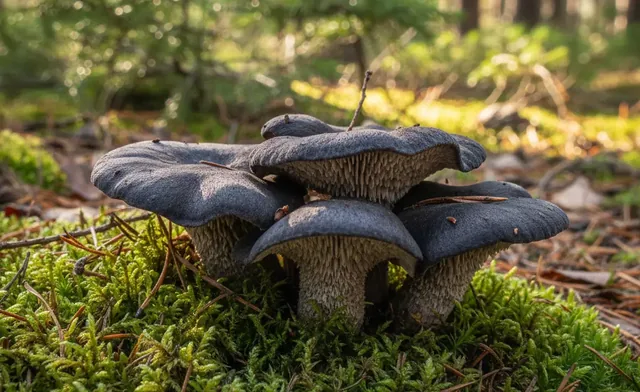
What to Know About Black Hedgehog Mushrooms
The black hedgehog mushroom is a sought-after edible, but proper identification is crucial to distinguish it from any poisonous look-alikes.
Your Premier Source for Fresh Hedgehog Mushrooms
Enjoy the sweet, nutty flavor of wild-foraged fungi when you buy hedgehog mushroom from our store, with fast and fresh delivery on all orders.
Eating Hedgehog Mushrooms: A Guide to Safety and Prep
While you can eat hedgehog mushrooms raw, our guide covers the essential safety precautions and proper preparation methods to enjoy them safely.