
How to Grow Hedgehog Mushrooms: A Complete Guide
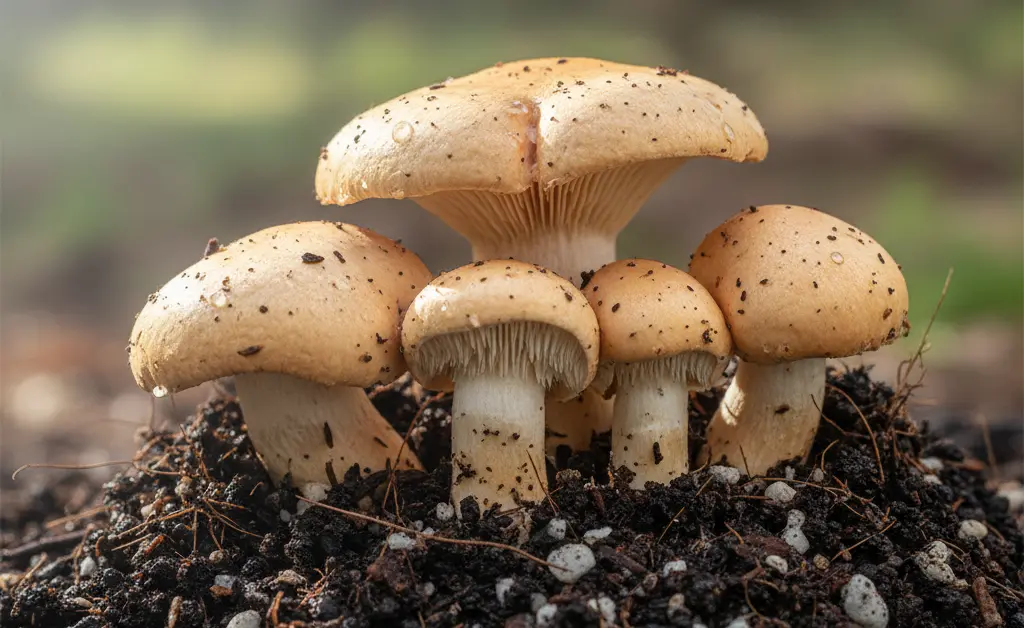
Hedgehog mushrooms, recognizable by their unique tooth-like spines beneath the cap and their delicate, earthy flavor, are a highly sought-after culinary delight. While often foraged in the wild, cultivating these gourmet fungi at home is an achievable and rewarding endeavor for enthusiasts. Successfully growing hedgehog mushrooms requires understanding their specific environmental needs and applying appropriate techniques. This comprehensive guide will delve into every aspect of hedgehog mushroom cultivation, from sourcing the initial cultures and preparing the right substrates to creating optimal growing conditions and harvesting your bountiful yields. Embarking on this journey allows you to enjoy fresh, sustainably grown hedgehog mushrooms right from your own garden or indoor setup, bringing a gourmet touch to your table.
Essential Supplies for Hedgehog Mushroom Cultivation
Embarking on a successful hedgehog mushroom cultivation project begins with assembling the necessary supplies. A methodical approach to gathering these items will ensure a smoother and more efficient growing process. From the initial mushroom culture to the tools used for environmental control, each component plays a vital role in encouraging robust fungal growth.
Sourcing Hedgehog Mushroom Liquid Culture or Spores
The foundation of any hedgehog mushroom cultivation effort is the starting material. You will typically need to acquire either a liquid culture or spores. Liquid cultures, which contain live mycelium suspended in a nutrient solution, often provide a faster start to colonization. Spores, on the other hand, are the reproductive cells of the mushroom and require germination before mycelial growth begins. Sourcing from reputable suppliers is crucial to ensure genetic purity and viability. Always confirm that the strain is suitable for the cultivation method you intend to use.
Required Tools and Equipment for Cultivation
A range of tools and equipment will be essential for successful cultivation, whether you choose indoor or outdoor methods. For substrate preparation, you may need pressure cookers for sterilization or large pots for pasteurization, along with mixing containers. Inoculation requires sterile gloves, scalpels, or syringes. Environmental control tools, especially for indoor setups, include hygrometers to measure humidity, thermometers to monitor temperature, and potentially grow tents or dedicated fruiting chambers. For outdoor log cultivation, drills and mallets are necessary for inserting spawn plugs. Ensuring all tools are clean and, where appropriate, sterilized, is paramount to prevent contamination.
Hedgehog Mushroom Cultivation: Methods and Techniques
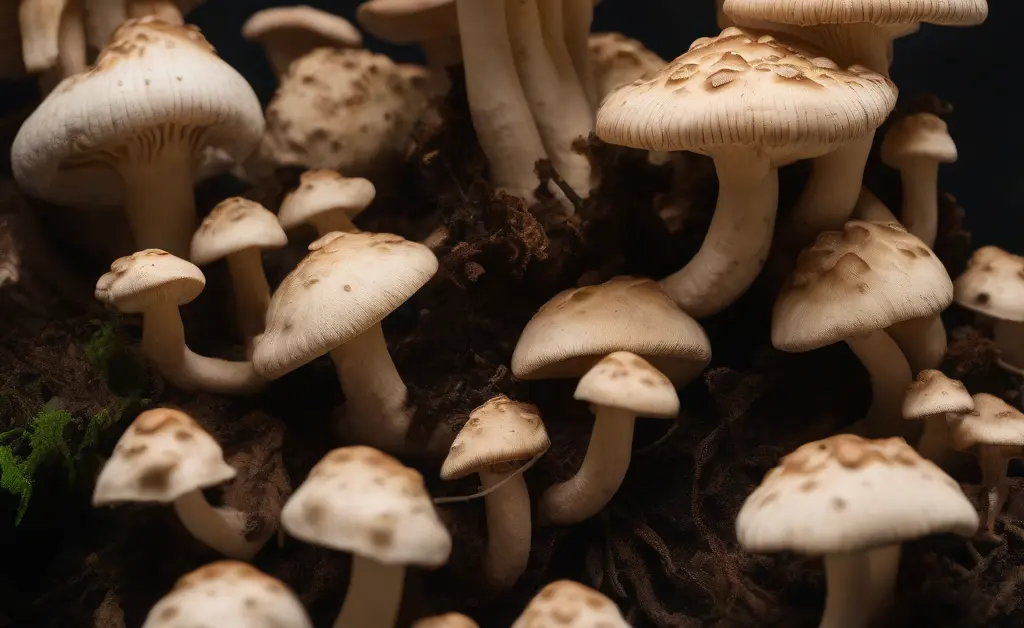
Several methods exist for growing hedgehog mushrooms, each with its own advantages and challenges. The choice of technique often depends on your available space, resources, and desired scale of production. Understanding these distinct approaches is key to selecting the most suitable path for your hedgehog mushroom cultivation journey.
Outdoor Log Cultivation Techniques
Outdoor log cultivation is a traditional and often sustainable method, mimicking the natural growth environment of many wood-loving fungi. This method involves inoculating hardwood logs (such as oak, maple, or birch) with mushroom spawn. Small holes are drilled into the logs, and spawn plugs or sawdust spawn are inserted, then sealed with wax to protect the mycelium and retain moisture. Logs are then left in a shaded, humid area to colonize over several months, sometimes even a year, before they begin to fruit. While requiring patience, this method can yield mushrooms over multiple seasons once established, making it a rewarding long-term investment for hedgehog mushroom cultivation.
Indoor Substrate Block Cultivation
Indoor substrate block cultivation offers more control over environmental factors and can result in quicker harvests. This technique typically involves preparing a sterilized substrate mixture, often composed of hardwood sawdust supplemented with nutrients like bran or soy hulls. The mixture is hydrated, sterilized, and then inoculated with liquid culture or grain spawn. The colonized substrate is then formed into blocks or placed in bags, which are subsequently moved to a fruiting chamber where temperature, humidity, and light can be carefully regulated to trigger mushroom formation. This method is popular for consistent yields and is well-suited for various scales of hedgehog mushroom cultivation, from hobbyist to commercial.
Creating Optimal Growing Conditions for Hedgehog Mushrooms
Successfully cultivating hedgehog mushrooms hinges on providing an environment that closely mimics their natural habitat. Precise control over temperature, humidity, light, and air exchange can significantly impact the speed of colonization, the quality of the fruits, and the overall yield of your hedgehog mushroom cultivation efforts.
Choosing the Right Wood Substrate for Hedgehog Mushrooms
The choice of wood substrate is critical for hedgehog mushrooms, as they are saprophytic fungi that derive nutrients from decaying wood. Hardwood species are generally preferred. Oak, maple, beech, and birch are excellent choices for both log and sawdust-based cultivation. Softwoods are typically avoided as they may contain compounds that inhibit fungal growth. When using sawdust, ensure it is hardwood sawdust, ideally free from chemical treatments. Supplementing sawdust with nutrient-rich materials like wheat bran or soybean hulls can enhance growth and yield.
Temperature and Humidity Requirements
Hedgehog mushrooms thrive within specific temperature and humidity ranges throughout their life cycle. During the colonization phase (mycelial growth), a consistent temperature, typically in the higher range of moderation, is often beneficial. For fruiting, cooler temperatures, often combined with a slight temperature drop, are usually required to initiate pinhead formation. High humidity levels are crucial, especially during fruiting, to prevent the mushrooms from drying out and to support proper development. Maintaining appropriate humidity levels, often through misting or humidifiers, is a key aspect of successful hedgehog mushroom cultivation.
Importance of Seasonal Timing (Cool Fall Months)
For outdoor hedgehog mushroom cultivation, seasonal timing is paramount. These fungi naturally appear in the wild during cooler periods, typically in the fall months. Replicating these conditions is vital for outdoor log cultivation. Inoculation can occur in spring, allowing the mycelium to colonize the logs throughout the warmer months, with fruiting expected in the subsequent cool, moist fall. While indoor cultivation offers more flexibility, understanding these natural cycles can still inform optimal environmental settings and encourage more robust growth.
Light and Air Exchange for Growth
While often associated with darkness, mushrooms do require some light for proper development, particularly during the fruiting stage. Indirect or ambient light, rather than direct sunlight, is typically sufficient. Adequate air exchange is equally important. Fungi “breathe” oxygen and release carbon dioxide, so stale air can inhibit growth and lead to malformed mushrooms. Good ventilation helps to remove excess carbon dioxide and introduce fresh oxygen, contributing to healthy and robust hedgehog mushroom cultivation.
Substrate Preparation and Inoculation for Hedgehog Mushrooms
The success of your hedgehog mushroom cultivation largely depends on meticulous substrate preparation and careful inoculation. These steps aim to create a nutrient-rich, contaminant-free environment where the mushroom mycelium can thrive without competition.
Sterilizing or Pasteurizing Substrate
Substrate preparation is a critical step to eliminate competing organisms. Sterilization, typically achieved using a pressure cooker or autoclave, kills all microorganisms (bacteria, molds, and other fungi) present in the substrate. This method is often used for nutrient-rich sawdust-based substrates for indoor cultivation. Pasteurization, which involves heating the substrate to a lower temperature for a longer period (e.g., in a large pot or barrel), kills most contaminants but leaves some beneficial microbes. This is often preferred for less nutrient-dense substrates or for outdoor log cultivation, where some beneficial microbial activity can be desirable. Choosing the correct method ensures the prepared substrate is a clean slate for the mushroom mycelium.
Inoculating Substrate with Mycelium
Once the substrate is prepared and cooled, it’s time for inoculation. This is the process of introducing the mushroom spawn (mycelium) to the sterile or pasteurized substrate. For sawdust blocks, liquid culture or grain spawn is typically mixed directly into the substrate in a clean, ideally sterile, environment. For log cultivation, spawn plugs or sawdust spawn are inserted into pre-drilled holes. Utmost cleanliness is required during inoculation to prevent contamination. Working quickly and using sterile tools are essential practices to give the hedgehog mushroom mycelium the best chance to colonize the substrate effectively.
Care and Maintenance During Hedgehog Mushroom Growth

After inoculation, consistent care and attentive maintenance are essential to guide your hedgehog mushroom cultivation through its various growth phases. Monitoring, adjusting conditions, and promptly addressing issues can significantly impact the health and productivity of your mushroom crops.
Monitoring Mycelial Colonization
Following inoculation, the mycelium will begin to colonize the substrate. This phase requires monitoring to ensure healthy growth and to detect any signs of contamination. The substrate will gradually become covered with a white, thread-like network of mycelium. It’s important to observe for any unusual colors (green, black, pink molds) or off-odors, which indicate contamination. Maintaining consistent temperature and humidity during this period, as discussed earlier, supports robust colonization. Patience is key, as colonization can take several weeks to months, depending on the method and environmental conditions for your hedgehog mushroom cultivation.
Fruiting Initiation Strategies
Once the substrate is fully colonized, strategies are employed to initiate fruiting, encouraging the mycelium to produce mushrooms. This often involves a “cold shock” – temporarily exposing the colonized substrate to lower temperatures, mimicking the natural temperature drops that trigger fruiting in the wild. Other common triggers include increased fresh air exchange, exposure to indirect light, and a significant increase in humidity. These changes signal to the mycelium that conditions are favorable for reproductive growth, leading to the formation of pinheads, the tiny embryonic mushrooms that will eventually develop into mature hedgehog mushrooms.
Troubleshooting Common Cultivation Issues
Even with careful planning, issues can arise during hedgehog mushroom cultivation. Contamination by molds or bacteria is a frequent challenge, often appearing as discolored patches or unpleasant odors. Prevention through sterilization and sterile technique is the best defense. Slow or stalled colonization can be due to incorrect temperatures, insufficient moisture, or inactive spawn. Poor fruiting may indicate inadequate light, humidity, or air exchange, or that the cold shock was insufficient. Identifying the problem quickly and adjusting environmental parameters can help salvage a crop. Persistent issues may require re-evaluating your initial spawn and substrate sources. For more information on mushroom cultivation challenges, consult resources from health organizations like the National Institutes of Health.
Harvesting and Post-Harvest Practices for Hedgehog Mushrooms
The culmination of your hedgehog mushroom cultivation efforts is the harvest. Knowing when and how to pick your mushrooms, and then how to store and preserve them, ensures you get to enjoy their unique flavor and maximize your yield.
Recognizing When to Harvest Hedgehog Mushrooms
Timing the harvest of hedgehog mushrooms is crucial for optimal flavor and texture. Generally, they are ready when their caps have fully expanded, but before the underside spines begin to dry out or become discolored. The cap edge should still be slightly curled inwards, or just starting to flatten. Overly mature mushrooms may become soft or lose some of their distinct flavor. Observing their growth daily during the fruiting phase will help you determine the perfect moment for harvesting.
Proper Harvesting Techniques
When harvesting, handle the mushrooms gently to avoid bruising. The most common technique is to carefully twist the mushroom stem at its base until it detaches from the substrate. Alternatively, you can use a sharp, clean knife to cut the stem close to the substrate. Avoid pulling too hard, as this can damage the mycelial network and potentially inhibit future flushes. Proper technique helps preserve the integrity of the substrate, encouraging subsequent rounds of mushroom production from your hedgehog mushroom cultivation.
Storing and Preserving Your Harvest
Fresh hedgehog mushrooms are best consumed shortly after harvesting. To store them short-term, place them in a paper bag or a breathable container in the refrigerator; this allows them to breathe and prevents them from becoming slimy. Avoid storing them in sealed plastic bags, as this traps moisture. For longer-term preservation, hedgehog mushrooms can be dried, either in a dehydrator or a low-temperature oven, until they are brittle. Dried mushrooms can be rehydrated later for cooking. They can also be sautéed and then frozen, or even pickled, offering various ways to enjoy your bounty.
Why Cultivate Hedgehog Mushrooms at Home?
Cultivating hedgehog mushrooms at home offers a multitude of benefits that extend beyond the culinary delight. It provides a reliable supply of fresh, gourmet mushrooms, often difficult and expensive to source commercially, directly from your garden or indoor setup. Home hedgehog mushroom cultivation ensures you have full control over the growing conditions, meaning you can avoid pesticides or unwanted chemicals, leading to a purer, more natural product. Furthermore, the process itself is a rewarding and educational experience, connecting you more deeply with the natural world and the fascinating life cycle of fungi. It’s a sustainable practice that reduces reliance on foraging, which can impact wild populations, and supports a self-sufficient lifestyle.
Embarking on the journey of hedgehog mushroom cultivation can be a profoundly satisfying experience, yielding delicious and nutritious fungi right at your fingertips. By understanding their specific needs and applying diligent care, you can enjoy a continuous supply of these unique mushrooms, enriching your culinary adventures and connecting you with the natural world.
This material is shared for educational insight, not for clinical decision-making. The information provided is intended for general knowledge and informational purposes only, and does not constitute medical advice. Always consult with a qualified healthcare professional for any health concerns or before making any decisions related to your health or diet. Individual results from cultivating or consuming mushrooms may vary.
FAQ
What substrate do hedgehog mushrooms grow on?
Hedgehog mushrooms are mycorrhizal fungi, meaning they form a symbiotic relationship with tree roots. In nature, they grow on the forest floor, often in association with specific tree species, and are not typically cultivated on inert substrates like many other mushrooms.
Can you cultivate hedgehog mushrooms indoors?
Cultivating hedgehog mushrooms indoors is challenging because of their complex symbiotic relationship with tree roots. Unlike many other edible mushrooms that can be grown on compost or sawdust, successful indoor cultivation often requires mimicking their natural forest environment, which is difficult to replicate.
When is the best time to grow hedgehog mushrooms?
The ideal time for hedgehog mushrooms to fruit is during the autumn months, typically following periods of rain after a warm summer. This timing is crucial as it aligns with the environmental conditions they need to develop and release their spores.
How long does it take to grow hedgehog mushrooms?
The entire process from inoculation to fruiting for hedgehog mushrooms can take a significant amount of time, often spanning several months to over a year. This extended timeline is largely due to the establishment of their mycorrhizal associations.
What temperature do hedgehog mushrooms need to grow?
Hedgehog mushrooms generally require cool to moderate temperatures for fruiting, with a noticeable drop in temperature, especially at night, signaling optimal conditions. They thrive in the ambient temperatures typical of autumn forests.
How do you start hedgehog mushroom liquid culture?
Starting a hedgehog mushroom liquid culture involves obtaining a sterile sample of the mycelium, often from a fresh mushroom or established culture, and introducing it to a nutrient-rich liquid medium. This allows the mycelium to grow and proliferate in a sterile, liquid environment.
Do hedgehog mushrooms grow on logs?
While hedgehog mushrooms are mycorrhizal and associated with tree roots, they are not typically grown on logs in the same way that shiitake or oyster mushrooms are. Their growth habit involves a complex underground network with living tree roots rather than decomposing wood. This is a key factor when considering hedgehog mushroom cultivation.
Continue reading
You May Also Like
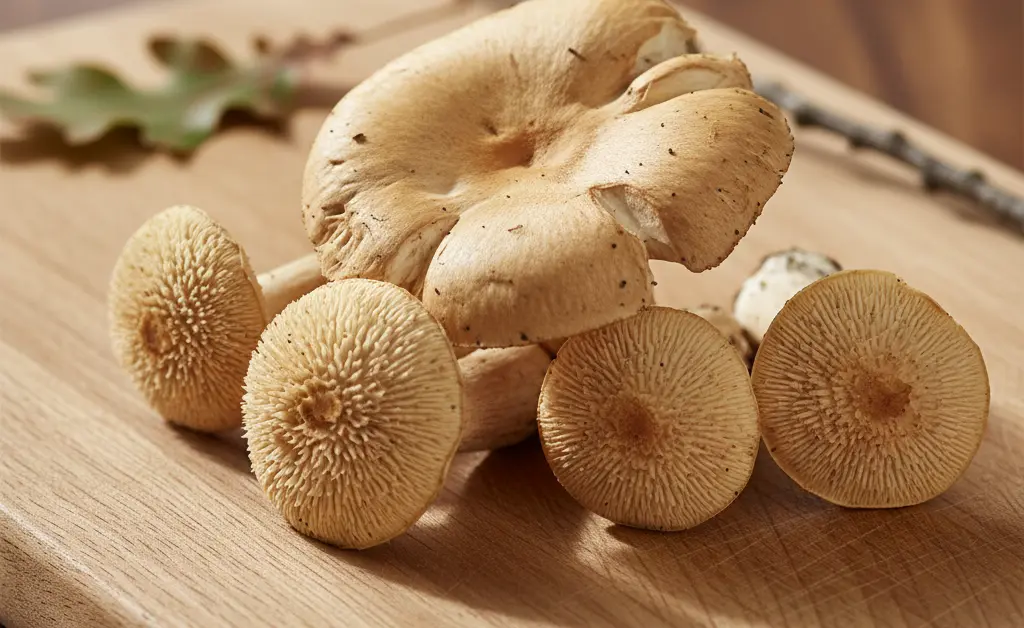
The Complete Forager's Guide to Hedgehog Mushrooms
Easily identified by its unique spines, the hedgehog mushroom is a choice wild edible with a sweet, nutty flavor when cooked properly.
The Complete Guide to Australian Hedgehog Mushrooms
A responsible guide to identifying the edible hedgehog mushroom australia, covering key features to help you avoid dangerous lookalikes.
What to Know About Black Hedgehog Mushrooms
The black hedgehog mushroom is a sought-after edible, but proper identification is crucial to distinguish it from any poisonous look-alikes.