
A Guide to Foraging Hedgehog Mushrooms in Oregon
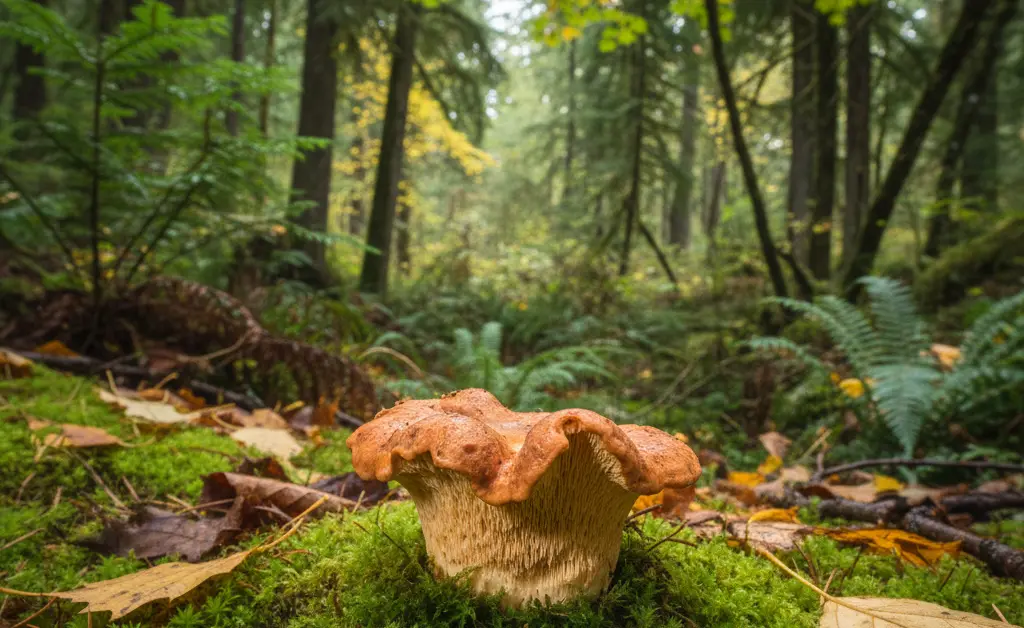
A hedgehog mushroom, easily recognized by the soft, downward-pointing “teeth” or spines beneath its cap instead of traditional gills, is a beloved edible fungi known for its firm texture and delicate, nutty flavor. These unique characteristics make it a culinary delight, highly sought after by chefs and home cooks alike. Often found in coniferous and mixed forests, particularly during the cooler, wetter months, its distinctive appearance prevents confusion with many toxic species, making it a relatively safe choice for careful foragers. This guide aims to help enthusiasts discover and responsibly harvest the prized hedgehog mushroom Oregon has to offer, providing essential identification tips, edibility confirmation, and prime foraging locations within the state. Understanding its habitat and distinguishing features is key to a successful and safe foraging experience.
Hedgehog Mushroom Identification
General Characteristics
The hedgehog mushroom (Hydnum repandum, also known by its cousin Hydnum umbilicatum) typically presents with a cap ranging from creamy white to orange-brown, often irregular in shape. The cap can grow quite large, sometimes reaching several inches in diameter, and may be slightly depressed in the center. Its flesh is firm and brittle, usually white or off-white, and it generally does not change color dramatically when cut, though some species may show a subtle yellowish hue. The stem, or stipe, is usually off-center, stout, and can match the cap in color or be paler. These general characteristics help in the initial recognition of this popular edible.
Key Distinguishing Features
The most defining characteristic of the hedgehog mushroom, and what sets it apart from many other fungi, is the presence of soft, brittle spines or “teeth” on the underside of its cap, rather than traditional gills. These spines are easily brushed off and give the mushroom its common name. Unlike the gills of many other species, these spines are not sharp or rigid, but rather feel soft to the touch. When considering “Similar Species and Look-alikes,” this spine structure is paramount; very few other fungi share this feature in an edible form, greatly reducing the risk of misidentification with toxic varieties. Additionally, the hedgehog mushroom Oregon foragers seek often has a slightly wavy or lobed cap margin, contributing to its distinct appearance. You can learn more about where to find hedgehog mushroom in general.
Hedgehog Mushroom Edibility
Confirmation of Edibility
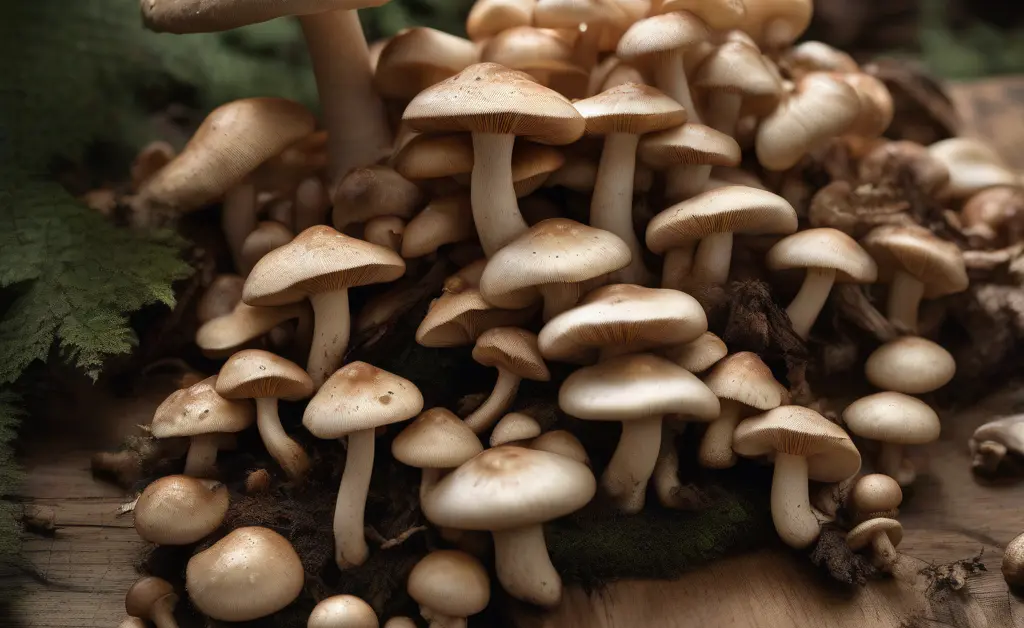
The hedgehog mushroom is widely recognized as a safe and choice edible fungus, highly valued in culinary circles. Its unique appearance, particularly the soft spines under the cap, makes it one of the easier mushrooms for novice foragers to identify with confidence, thereby reducing the risk of mistaking it for a harmful variety. While general foraging safety always encourages thorough identification, the distinctive features of the hedgehog mushroom contribute to its reputation as a relatively safe foraging target. Careful examination of all identifying characteristics is always recommended to confirm edibility for any wild mushroom.
What Does a Hedgehog Mushroom Taste Like?
The flavor profile of the hedgehog mushroom is celebrated for its delicate, mild, and distinctly nutty taste, often with subtle earthy or peppery undertones depending on the specific growing conditions. Unlike some wild mushrooms that can be intensely earthy or strongly flavored, the hedgehog mushroom offers a more subtle and versatile taste. Its firm, somewhat crisp texture, especially when young, holds up well during cooking, providing a satisfying mouthfeel. This appealing “Mushroom Taste” makes it a favorite among chefs and home cooks alike, adaptable to a wide range of dishes.
Hedgehog Mushrooms: The Sweet Tooth
Beyond its savory notes, some enthusiasts describe a subtle sweetness in the hedgehog mushroom, especially when prepared simply, such as sautéed in butter. This delicate “sweet tooth” quality contributes to its overall pleasantness and makes it a versatile ingredient, complementing both savory and some subtly sweet applications. The firm texture, combined with its gentle flavor, allows it to absorb other flavors well while maintaining its unique character. The culinary appeal of the hedgehog mushroom Oregon foragers discover is immense, suitable for various preparations from simple side dishes to complex gourmet meals. Many people enjoy finding these mushrooms in other states as well, such as in hedgehog mushroom California locations.
Where to Find Hedgehog Mushrooms in Oregon
Oregon Coast Region
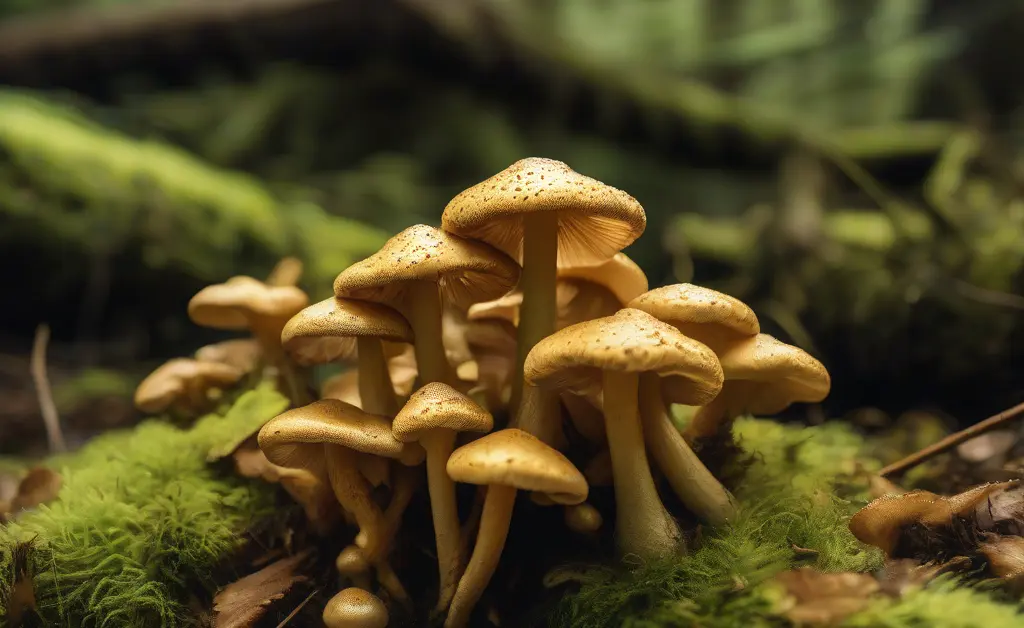
The coastal forests of Oregon provide an ideal habitat for hedgehog mushrooms, especially during the wetter seasons. The mild, damp climate and abundant coniferous and mixed forests along the Pacific coastline create optimal conditions for their growth. Foragers exploring the “Coastal Forests Habitats” can often find these prized fungi nestled under conifers like Sitka spruce and Douglas fir, or among mixed deciduous trees. Areas with mossy ground cover and well-drained soil, particularly after periods of rain, are promising spots to begin your search for the hedgehog mushroom Oregon offers in abundance.
Winter Mushroom Hunting: Get Your Hedgehogs!
While hedgehog mushrooms can be found throughout the fall, they are particularly known for their resilience into the cooler months, making them an excellent target for “Winter Mushroom Hunting.” Unlike many other mushroom varieties that disappear with the first frost, hedgehogs can often be found well into winter, sometimes even under a light dusting of snow. This extended season provides ample opportunity for foragers. Focusing on older growth forests in areas like the Cascade Range and coastal regions can increase your chances of a successful winter harvest, making the hedgehog mushroom Oregon’s winter foraging delight. You can also find them in other Pacific Northwest states like hedgehog mushroom Washington State.
Hedgehog Mushroom Foraging Advice
Flavor Profile and Preparation Tips
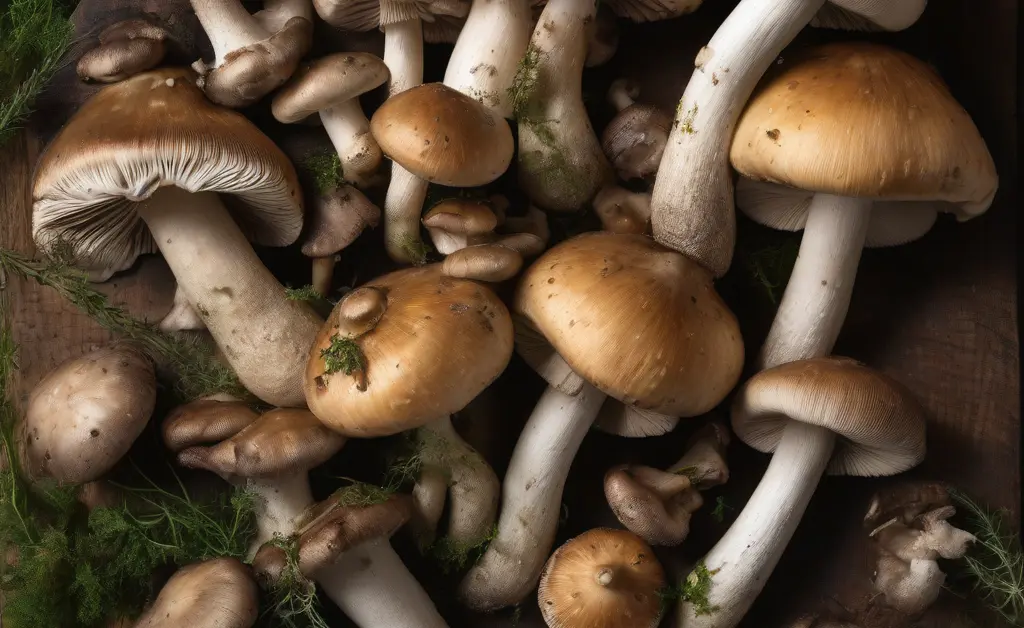
When foraging for the hedgehog mushroom Oregon offers, proper handling and preparation are key to maximizing its culinary potential. Its delicate flavor can be easily overpowered, so simple preparations often highlight its best qualities. Begin by carefully brushing off any dirt or debris; the spines can be gently removed if desired, though they are perfectly edible. Sautéing in butter or olive oil with a touch of garlic and herbs is a classic method that allows its nutty and subtly sweet notes to shine. These mushrooms also excel in risottos, pasta dishes, and as a savory accompaniment to meats. For those interested in “Hedgehog Mushroom Recipes,” their firm texture makes them suitable for roasting or even pickling, offering diverse ways to enjoy this delicious fungi. They tend to hold their shape well, even after cooking, adding a pleasant bite to any dish. Some foragers even look for them in states further east, like hedgehog mushroom Tennessee.
The hedgehog mushroom remains a favorite among foragers in Oregon, cherished for its unique appearance, delicious flavor, and relatively straightforward identification. By understanding its key characteristics, preferred habitats, and responsible foraging practices, enthusiasts can safely enjoy the rewarding experience of discovering and preparing this delightful wild edible. Scientific bodies like the NIH provide valuable information on mycology and fungal research.
The purpose of this content is to educate, not to diagnose or treat. Information regarding wild mushroom foraging is provided for educational purposes only and should not be taken as an instruction to consume. Proper identification is critical, and errors in identification can lead to serious health consequences. Always consult with an experienced mycologist or a local foraging expert before consuming any wild mushroom.
FAQ
Are hedgehog mushrooms edible and safe to eat from Oregon?
Hedgehog mushrooms are indeed edible and considered safe to consume. They are enjoyed for their mild, nutty flavor and firm texture when cooked. As with any wild mushroom, proper identification is crucial before consumption.
How can I identify a hedgehog mushroom in Oregon’s forests?
Hedgehog mushrooms are recognized by their distinctive undersides, which feature small, tooth-like spines or “teeth” instead of gills or pores. These teeth are typically short, blunt, and tightly packed, giving the mushroom a somewhat spiky appearance. The caps are usually convex to flattened and can range in color from pale yellow to orange-brown.
What is the best season to forage for hedgehog mushrooms in Oregon?
The prime season for finding hedgehog mushrooms in Oregon generally spans from late summer through fall, often beginning in September and continuing into November. Cooler temperatures and ample rainfall during these months create ideal conditions for their fruiting. They can sometimes be found earlier or later depending on specific weather patterns.
What are hedgehog mushrooms also known as in Oregon?
Hedgehog mushrooms are widely recognized by several common names, including Yamabushitake and bear’s head tooth. These alternative names reflect their unique appearance, with some resembling a pom-pom or a cascading waterfall of spines.
Where are hedgehog mushrooms most abundant in Oregon?
Hedgehog mushrooms tend to grow in coniferous forests across Oregon, particularly in areas with Douglas fir, hemlock, and spruce trees. They are often found on the forest floor, sometimes in mossy patches or near decaying wood. Certain regions with extensive old-growth forests are known to be particularly productive for finding this popular edible species.
Continue reading
You May Also Like
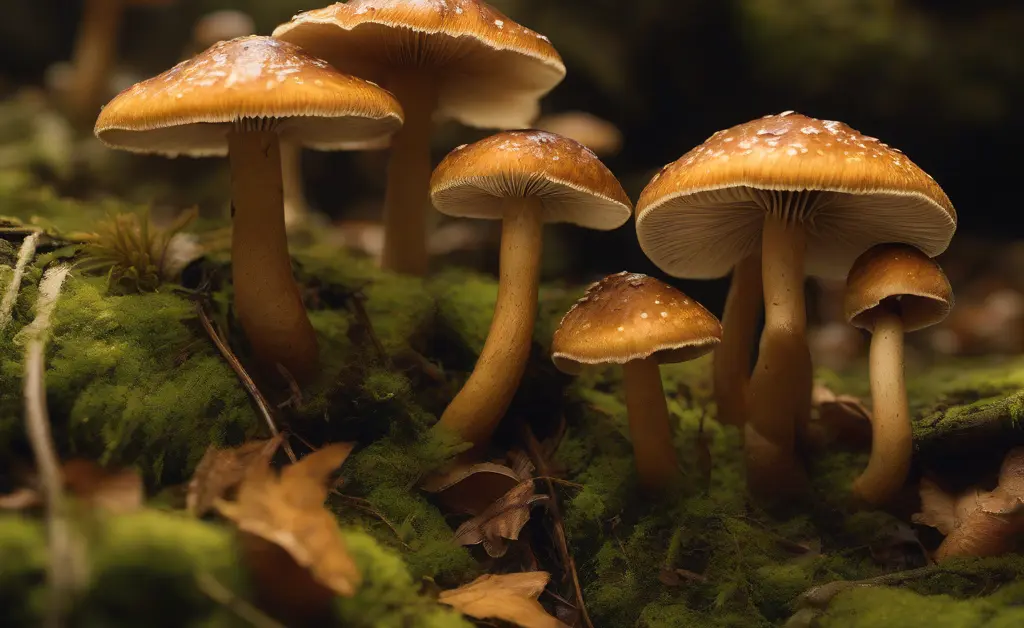
A Practical Guide to Foraging Hedgehog Mushrooms
Our beginner's guide to foraging hedgehog mushroom covers identification by its unique spines, where to look, and ethical harvesting methods.
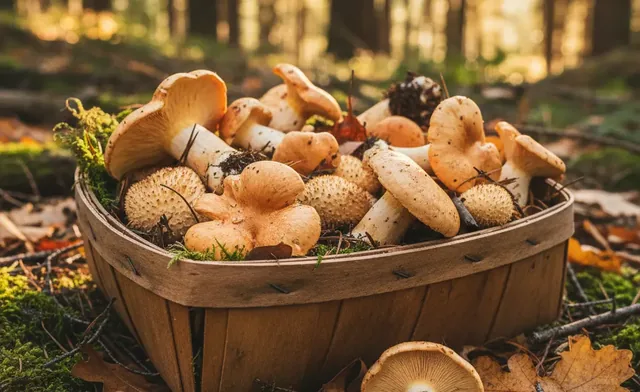
Foraging Hedgehog Mushrooms in California: An Expert Guide
Forage for the prized hedgehog mushroom California offers with our complete guide to identification, key lookalikes, and prime habitats.
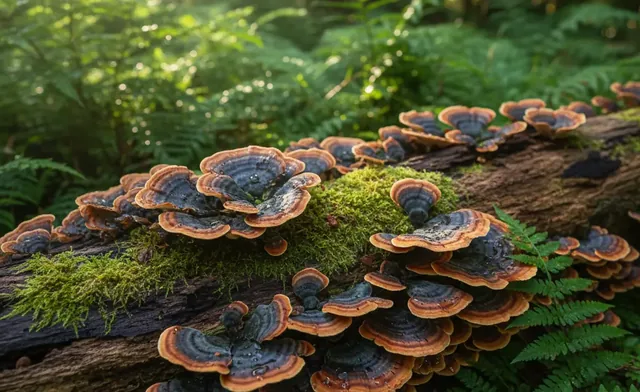
Sourcing and Foraging Turkey Tail Mushrooms in Oregon
Master the biology of turkey tail mushroom Oregon, with expert guidance on identification, sustainable foraging, and trusted sources for buying…