
A Forager’s Guide to Finding Hedgehog Mushrooms
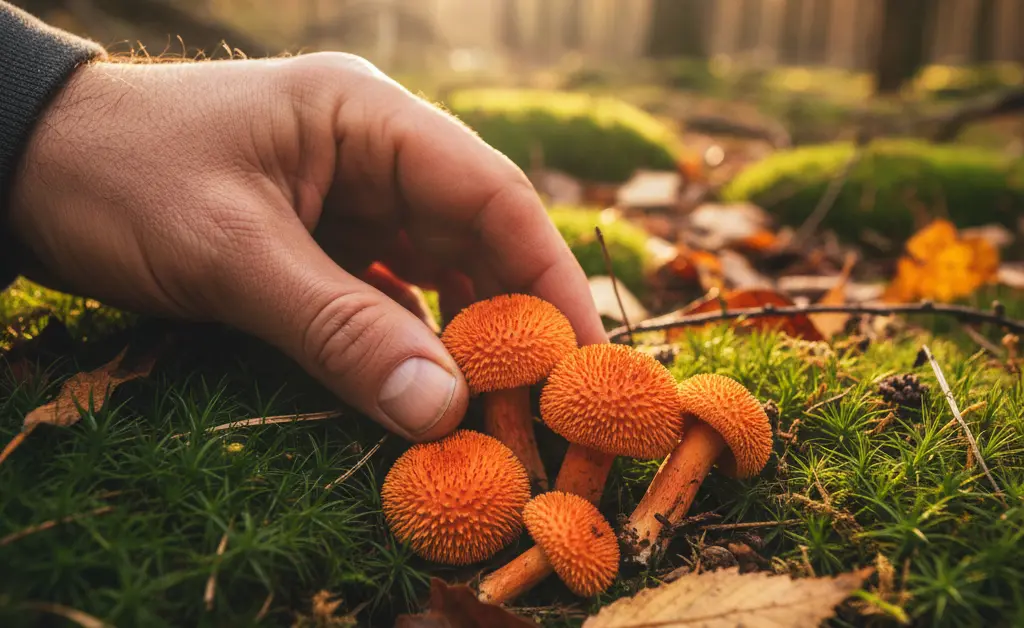
Many home cooks and culinary enthusiasts often dream of incorporating unique, gourmet ingredients into their dishes, yet the elusive nature of wild edibles can make this a frustrating pursuit. The satisfaction of sourcing fresh, distinct flavors like the hedgehog mushroom is unparalleled, but knowing where to begin can be a significant challenge. This guide aims to alleviate that common dilemma by providing clear, actionable information. We will delve into the specific environmental conditions, habitats, and seasonal factors that influence where to find hedgehog mushroom, transforming your foraging efforts from guesswork into an informed, rewarding adventure. Prepare to uncover the secrets to successfully locating this prized culinary gem.
Finding the Rare Hedgehog Mushroom
The hedgehog mushroom (Hydnum repandum), sometimes known as sweet tooth mushroom, is a highly sought-after edible fungus, prized for its firm texture and mild, nutty flavor. While not as universally abundant as some other wild mushrooms, understanding its specific preferences significantly increases the chances of a successful harvest. Knowing where to find hedgehog mushroom involves a keen understanding of its ecological niche, moving beyond random searching to targeted exploration. This species is often considered relatively easy for beginners to identify due to its distinctive spines instead of gills, making it a rewarding target for new foragers.
Preferred Tree Associations
Hedgehog mushrooms are mycorrhizal, meaning they form a symbiotic relationship with the roots of certain trees. This association is crucial for their growth and survival. They commonly establish these connections with a variety of deciduous and coniferous trees. In North America, they are frequently found in close proximity to oak, beech, and pine trees. In European forests, you might often spot them near spruce, fir, and birch. Observing the dominant tree species in an area can provide valuable clues for locating these desirable fungi, as their root systems offer the necessary nutrients and conditions for the mushrooms to fruit. For more specific details on their habitat, consult information on hedgehog mushroom.
Soil Conditions and Moisture
The type of soil and its moisture content play a significant role in where hedgehog mushrooms choose to appear. These mushrooms generally prefer well-drained, somewhat disturbed soils that are rich in organic matter. You might find them in areas with leaf litter, decaying wood, or mossy ground. While they appreciate moisture, they typically avoid waterlogged or overly boggy conditions. Ideal conditions usually involve consistently damp soil, but not saturated, often found after periods of rain followed by warmer, humid weather. The pH of the soil can also be a factor, with hedgehog mushrooms often favoring slightly acidic to neutral conditions.
Ideal Habitats for Hedgehog Mushrooms
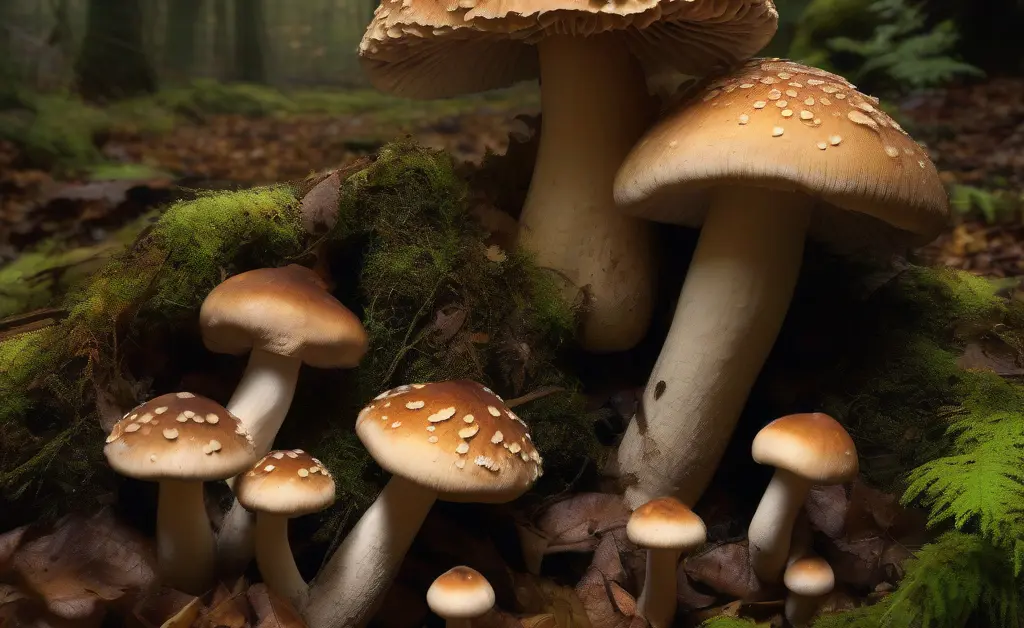
Pinpointing the precise environments where hedgehog mushrooms thrive is key to a successful foraging expedition. These fungi do not grow indiscriminately; rather, they prefer specific microclimates and ecological settings. When you understand the typical landscapes they inhabit, your efforts to find hedgehog mushroom become far more efficient, allowing you to focus on the most promising areas. They often grow terrestrially, meaning directly on the ground, rather than on wood, distinguishing them from many other edible species.
Forest Types and Ecosystems
Hedgehog mushrooms primarily inhabit mature forests. They can be found in both coniferous and deciduous woodlands, as well as mixed forests. Older growth forests, with their established tree root systems and rich, undisturbed forest floor, tend to be particularly productive. Look for them in areas with a relatively open understory, where sunlight can filter through but the ground remains shaded and moist. They are less common in very dense, dark forests or newly established plantations. The edges of trails, clearings, or along old logging roads can also be fruitful spots, as these areas often present a mix of suitable conditions. In the Pacific Northwest, you can find specific advice for hedgehog mushroom Washington State and for hedgehog mushroom Oregon.
Weather Influence on Fruiting
Weather patterns are a critical factor influencing when and where hedgehog mushrooms will fruit. A period of consistent, moderate rainfall followed by mild temperatures is often ideal. Prolonged dry spells can significantly delay or prevent fruiting, while excessively cold or hot temperatures can also be detrimental. Humidity plays a role, helping to keep the forest floor moist. Foragers often observe that the best time to look is a few days to a week after a good rain, when the ground has had a chance to absorb the moisture but is not yet completely dry. Keeping an eye on local weather forecasts can greatly assist in planning a foraging trip. Foraging safety is paramount, and understanding potential risks is crucial; for guidance on public health and safety, refer to the CDC.
Seasonal Availability of Hedgehog Mushrooms
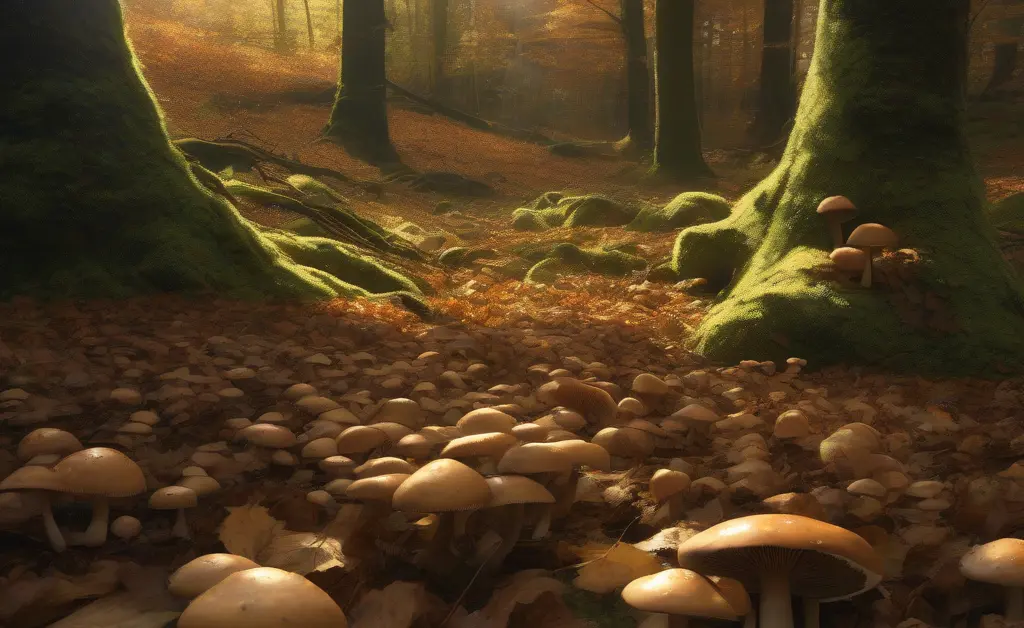
Understanding the seasonal cycles of hedgehog mushrooms is crucial for successful foraging. These fungi are not present year-round; their appearance is tied directly to specific periods of the year when environmental conditions align. Knowing when and where to find hedgehog mushroom seasonally can prevent wasted trips and increase your chances of a bountiful harvest. Their fruiting season can vary significantly based on geographic location and local climate conditions.
Peak Foraging Months
The peak season for hedgehog mushrooms generally spans from late summer through late autumn. In many temperate regions, this means foragers will have the most success from August to November. However, the exact timing can shift depending on the year’s specific weather patterns. A warm, wet summer can sometimes bring an early flush, while a dry period might delay their appearance until later in the fall. Early frosts can bring an abrupt end to the season, so keeping an eye on the weather and understanding regional norms is essential for maximizing your foraging opportunities.
Regional Season Variations
The seasonal window for hedgehog mushrooms is not uniform across all locations. In more northern latitudes or at higher elevations, the season might start later and end sooner due to colder temperatures. Conversely, in southern regions with milder climates, the fruiting season could extend well into winter, or even begin earlier in the summer. For example, coastal areas might experience different moisture and temperature regimes than inland mountainous regions, influencing when these mushrooms emerge. Consulting local foraging guides or experienced foragers in your specific area can provide the most accurate information regarding regional variations in season. This includes areas like hedgehog mushroom Georgia, which has its own unique seasonal patterns.
Geographic Distribution of Hedgehog Mushrooms
The hedgehog mushroom is a widely distributed species, found across several continents, indicating its adaptability to various temperate forest ecosystems. While present globally, its abundance can vary significantly from one region to another. Understanding the general geographic areas where to find hedgehog mushroom helps foragers focus their search within their own locale or when traveling. This broad distribution makes it an accessible target for many enthusiasts worldwide.
Common North American Regions
In North America, hedgehog mushrooms are particularly common in the Pacific Northwest, extending down the coast into California, as well as across the northeastern United States and into parts of Canada. They are frequently found in the Appalachian Mountains and the Great Lakes region. These areas provide the necessary temperate climate, consistent moisture, and appropriate tree species for their growth. While they can be found in other parts of the continent, these regions typically offer the most reliable foraging opportunities.
European Presence
Europe is another stronghold for the hedgehog mushroom. It is widely distributed across many European countries, including the United Kingdom, France, Germany, Scandinavia, and Eastern Europe. They are a popular culinary mushroom in many of these regions and are often found in mixed deciduous and coniferous forests. The damp, cool climates of many European forests provide excellent conditions for their proliferation, making them a common sight for local foragers during the autumn months.
Global Range and Climate Zones
Beyond North America and Europe, hedgehog mushrooms also have a presence in parts of Asia, including Japan and Korea, and potentially in other temperate forest zones around the world. Their global distribution highlights their preference for cool to temperate climates with sufficient rainfall and established forest ecosystems. They are typically absent from tropical or arid regions, as these environments do not provide the specific moisture, temperature, and tree associations required for their mycorrhizal relationship and fruiting bodies to develop. Therefore, searching in temperate forests with a mix of deciduous and coniferous trees remains the best strategy globally.
Successfully foraging for hedgehog mushrooms is a rewarding experience that combines knowledge of ecology with patient observation. By understanding their preferred tree associations, soil conditions, seasonal availability, and geographic distribution, you can significantly enhance your chances of finding this delectable fungi. Remember to always forage responsibly, ensuring you correctly identify your finds and leave enough for the ecosystem to regenerate. Happy foraging!
The content presented here is not a substitute for professional medical guidance. While this article discusses foraging for mushrooms, it does not provide advice on identification for consumption, which can carry significant health risks if incorrect. Always consult with a qualified expert or refer to reliable field guides before consuming any wild mushroom. This information is intended for educational purposes only and should not be used as a basis for personal health or safety decisions.
FAQ
Where do hedgehog mushrooms typically grow?
Hedgehog mushrooms are often found growing solitarily or in clusters on the ground in forested areas. They prefer mossy areas and can also be found in leaf litter.
What time of year are hedgehog mushrooms found?
These mushrooms typically emerge in the fall months, often after the first significant rains of the season. Their appearance is dependent on moisture and temperature conditions.
Which trees are associated with hedgehog mushrooms?
Hedgehog mushrooms form mycorrhizal associations with various tree species, commonly found under conifers like pines and spruces. They can also be associated with hardwoods such as oaks and beeches.
In what states or regions can I find hedgehog mushrooms?
You can find hedgehog mushrooms in many parts of North America, particularly in the Pacific Northwest and the northeastern United States. They also grow in parts of Canada and Europe.
What kind of environment do hedgehog mushrooms prefer?
Hedgehog mushrooms thrive in damp, shaded woodland environments. They are often spotted in mixed forests with plenty of decaying organic matter on the forest floor.
When is the best season to forage for hedgehog mushrooms?
The prime season for foraging hedgehog mushrooms is generally from late summer through fall. The exact timing can vary based on local climate and rainfall patterns.
Continue reading
You May Also Like
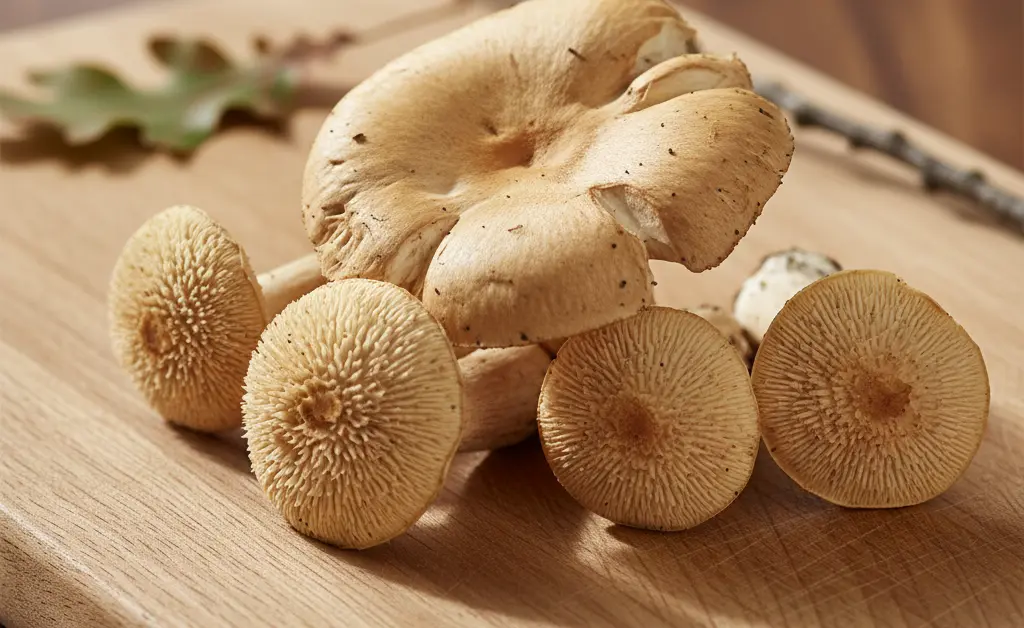
The Complete Forager's Guide to Hedgehog Mushrooms
Easily identified by its unique spines, the hedgehog mushroom is a choice wild edible with a sweet, nutty flavor when cooked properly.
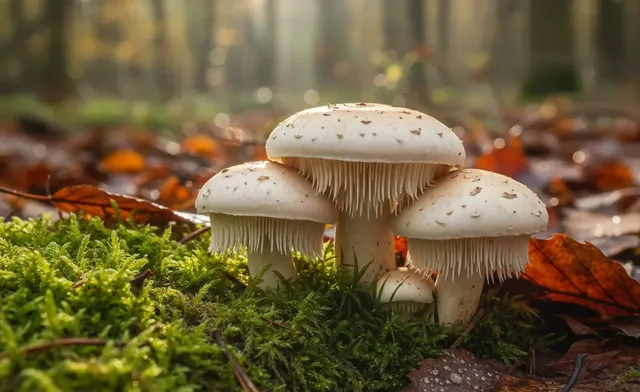
A Forager's Guide to Hedgehog Mushrooms in Alberta
A complete guide to the hedgehog mushroom in Alberta, covering essential identification characteristics, common habitats, and the best time to forage.
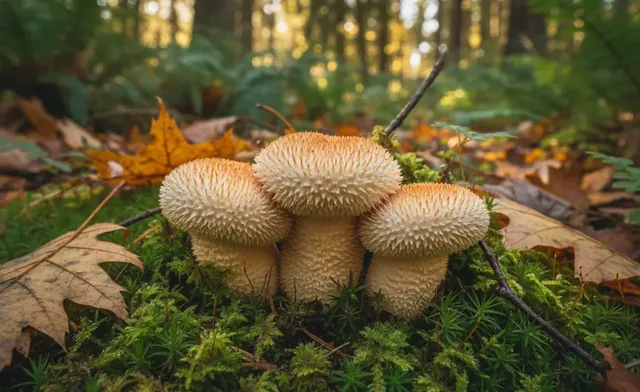
A Forager’s Guide to Hedgehog Mushrooms in BC
Confidently identify the hedgehog mushroom BC with our forager's guide, which details its key characteristics and how it differs from look-alikes.