
Discovering Hedgehog Mushrooms in Georgia
There’s a unique sort of quiet thrill that comes with discovering something special in nature, a sense of connection to the earth that many find deeply satisfying. For those who venture into Georgia’s woodlands, this joy can be found in the form of the humble yet delightful hedgehog mushroom. Their distinctive appearance and delicious, nutty flavor make them a sought-after find for both seasoned foragers and adventurous home cooks eager to explore the wild bounty of the state. Embarking on the journey to find these gems offers a wonderful opportunity to connect with the natural world and perhaps discover a new culinary passion, all within the diverse landscapes of Georgia.
Hedgehog Mushroom Georgia Identification
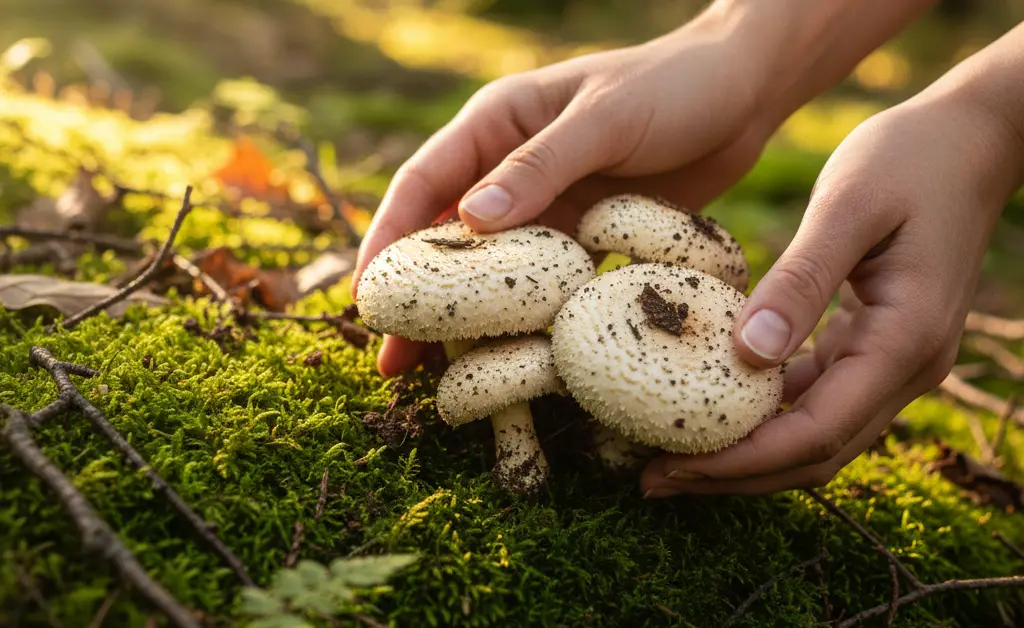
When seeking the hedgehog mushroom Georgia offers, precise identification is crucial for safe and successful foraging. These distinctive fungi possess several key visual characteristics that set them apart from other woodland inhabitants. The most prominent feature is their underside, which is covered in small, brittle spines or ‘teeth’ rather than gills or pores. These spines are soft, easily breakable, and typically run down the stem, giving the mushroom its common name.
The cap of a hedgehog mushroom is generally irregular in shape, often lobed or wavy, and can range in color from creamy white to pale orange, yellowish-brown, or even a light pinkish hue. The surface of the cap is usually dry and can feel velvety or slightly scaly. The stem is solid, stout, and typically off-center, matching the cap’s color or being slightly lighter. While they can sometimes be confused with chanterelles due to their similar color and irregular shape, the unique spine structure of the hedgehog mushroom is an unmistakable differentiator, making it relatively easy to identify for those who know what to look for.
Seasonal Availability for Foraging
The optimal time to forage for hedgehog mushrooms in Georgia typically spans from late summer through the fall months, and sometimes even into early winter in regions with milder climates. Their fruiting is highly dependent on consistent moisture, often appearing after periods of rain. While they are resilient, a good balance of warmth and moisture provides the ideal conditions for their growth. Foragers often observe that prime availability tends to be from September to November, though localized conditions can shift this window. Paying attention to local weather patterns and forest conditions can significantly improve your chances of a successful harvest. You can learn more about where to find hedgehog mushroom.
Responsible and Sustainable Foraging Practices
Engaging in responsible and sustainable foraging practices is paramount to ensure the long-term health of mushroom populations and their ecosystems. When harvesting hedgehog mushrooms, it is advisable to leave a significant portion of the patch undisturbed, allowing them to continue their reproductive cycle. Instead of pulling them from the ground, cutting the stem at the base helps protect the mycelial network, which is the underground part of the fungus. It is also important to carry a mesh bag or basket, as this allows spores to disperse as you walk, aiding in the spread of the species.
Always be certain of your identification; if in doubt, do not consume. Only collect what you genuinely intend to use and avoid over-harvesting from any single location. Respect private property and protected areas, and minimize disturbance to other plants and wildlife. By following these guidelines, foragers can enjoy the bounty of nature while contributing to its preservation for future generations. The European Food Safety Authority provides guidance on food safety and risk assessment, which is relevant for wild food consumption.
Where to Forage for Hedgehog Mushrooms in Georgia
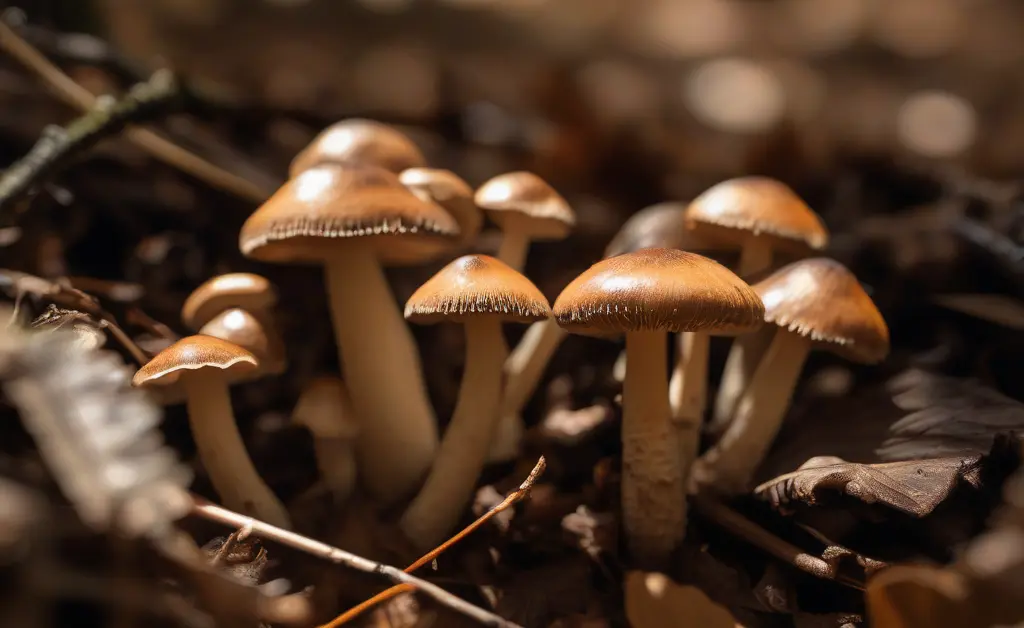
Locating hedgehog mushroom Georgia habitats requires an understanding of their preferred growing conditions and associated forest types. These versatile fungi can be found in a variety of woodland environments, showing a preference for both hardwood and conifer forests, as well as mixed woodlands. In Georgia, this often means exploring areas rich in oak, beech, pine, and hemlock trees. They frequently form mycorrhizal relationships with these trees, meaning they have a symbiotic relationship with the tree roots.
Ideal environments often include moist, mossy areas, especially on the forest floor, though they do not typically grow directly on wood. Look for them growing terrestrially, often clustered in groups. Areas with good drainage are also favored, such as slopes or slightly elevated spots near streams or damp depressions, rather than waterlogged soil. Patience and a keen eye are essential, as their often muted colors can blend seamlessly with fallen leaves and forest debris. Exploring established forest trails, state parks, and national forests can yield promising results, always ensuring you are foraging in permissible areas.
Where to Buy Hedgehog Mushrooms in Georgia
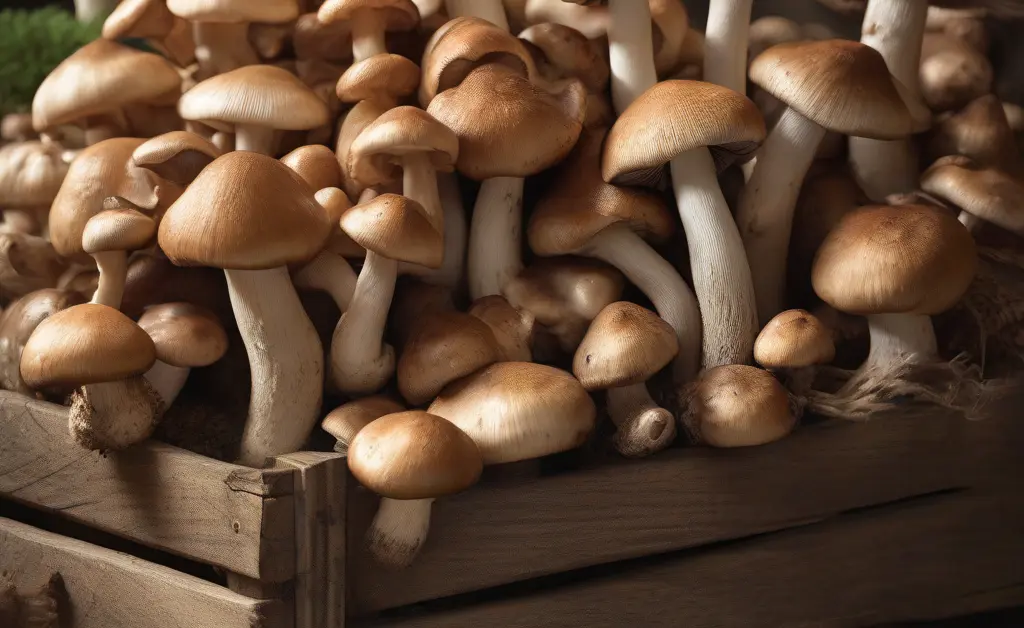
For those who prefer not to forage, acquiring hedgehog mushroom Georgia sources can be done through various retail channels, especially during their peak season. While less common than button or portobello mushrooms, their growing culinary popularity has increased their availability in specialized markets.
Local Farmers Markets and Specialty Produce Stores
Local farmers markets are an excellent place to start, particularly from late summer through fall. Many independent vendors or small farms specializing in gourmet produce might offer wild-foraged or cultivated hedgehog mushrooms when in season. Speaking directly with growers or vendors at these markets can also provide valuable information on availability and sourcing. Additionally, high-end grocery stores or specialty produce shops that pride themselves on offering unique and seasonal items are increasingly stocking hedgehog mushrooms, often alongside other gourmet fungi. It’s advisable to call ahead to inquire about their current selection. You can find information about hedgehog mushroom uk if you are interested in other regions.
Georgia-Based Mushroom Growers and Suppliers
Georgia is home to a burgeoning community of mushroom cultivators. Some of these local growers specialize in a range of gourmet mushrooms and may either cultivate hedgehog mushrooms directly or have connections with reputable foragers. These suppliers often cater to local restaurants, but many also offer direct-to-consumer sales, either through farm stands, community-supported agriculture (CSA) programs, or online ordering for local pickup or delivery. Researching Georgia-specific mushroom farms online can reveal potential sources and their availability schedules. Discovering the hedgehog mushroom australia is also fascinating.
Online Retailers Serving the Georgia Market
Beyond local options, several online retailers specialize in fresh and dried gourmet mushrooms and deliver across the United States, including to Georgia. While fresh options might be more limited due to their delicate nature and shelf life, many online stores offer high-quality dried hedgehog mushrooms, which can be rehydrated and used in a variety of dishes. When purchasing online, it’s important to choose reputable suppliers known for their quality control and efficient shipping to ensure the product arrives fresh and in good condition. For those in the Pacific Northwest, information on the hedgehog mushroom pnw might be of interest.
Whether you choose to venture into the Georgian woodlands yourself or seek them out from local suppliers, the hedgehog mushroom offers a delightful culinary experience. Its distinct texture and nutty, slightly sweet flavor make it a versatile ingredient, perfect for sautéing, roasting, or incorporating into risottos and sauces. The journey of discovering or acquiring these unique fungi deepens appreciation for Georgia’s rich natural offerings and the rewarding world of gourmet edibles.
This content is for informational use and should not be considered medical instruction. It is not intended to provide medical advice, diagnosis, or treatment. Always consult with a qualified healthcare professional before making any decisions related to your health or diet. Foraging for wild mushrooms carries inherent risks, and misidentification can lead to serious health consequences. Always ensure 100% positive identification by an expert before consuming any wild mushroom.
FAQ
Can you find hedgehog mushrooms in the wild in Georgia?
Yes, hedgehog mushrooms, also known by their scientific name *Hydnum repandum*, can indeed be found growing in the wild throughout Georgia. They are often found in forests, particularly under conifer and hardwood trees.
When is the best season for hedgehog mushrooms in Georgia?
The optimal time for foraging hedgehog mushrooms in Georgia is typically during the fall months. This period, from late September through November, often provides the most favorable conditions for their growth and development.
Where can I purchase fresh hedgehog mushrooms in Georgia?
Fresh hedgehog mushrooms may be available for purchase at local farmers’ markets in Georgia during their peak season. Specialty grocery stores or gourmet food shops are also potential sources for these unique fungi.
Continue reading
You May Also Like
What to Know About Black Hedgehog Mushrooms
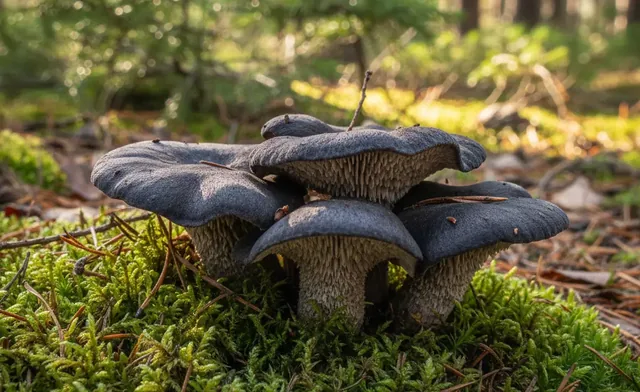
The black hedgehog mushroom is a sought-after edible, but proper identification is crucial to distinguish it from any poisonous look-alikes.
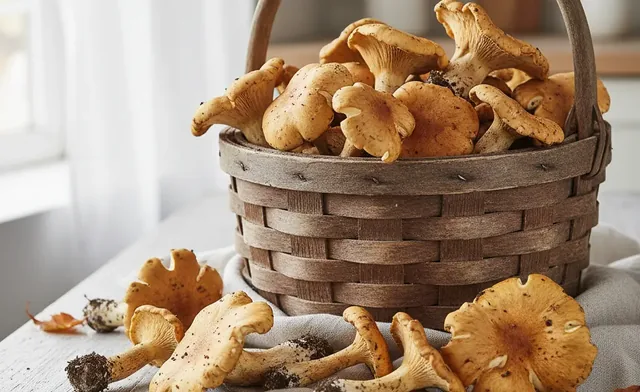
Your Premier Source for Fresh Hedgehog Mushrooms
Enjoy the sweet, nutty flavor of wild-foraged fungi when you buy hedgehog mushroom from our store, with fast and fresh delivery on all orders.
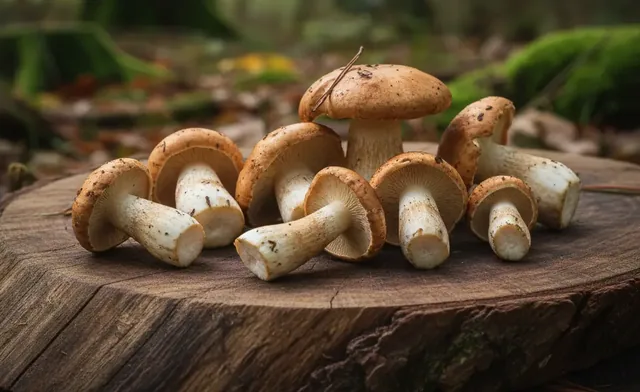
Eating Hedgehog Mushrooms: A Guide to Safety and Prep
While you can eat hedgehog mushrooms raw, our guide covers the essential safety precautions and proper preparation methods to enjoy them safely.