
A Forager’s Guide to UK Hedgehog Mushrooms
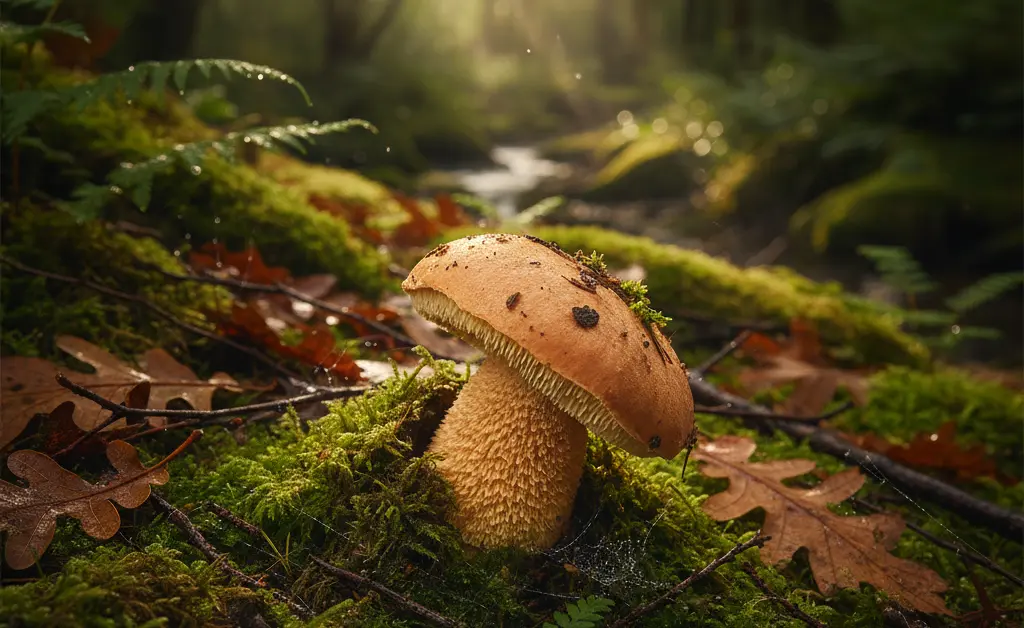
For many aspiring foragers, the prospect of confidently identifying edible wild mushrooms can feel daunting, often overshadowed by the fear of misidentification. It’s a common challenge to distinguish safe, delicious species from their inedible or even toxic lookalikes, leading to hesitation and missed opportunities for culinary adventure. This guide is designed to empower you with the knowledge needed to confidently seek out one of the UK’s most distinctive and rewarding edible fungi: the hedgehog mushroom uk. With its unmistakable spiny underside, this mushroom offers a fantastic entry point for beginners and a cherished find for seasoned collectors. We will explore its key identification features, preferred habitats, and responsible foraging practices, helping you safely add this culinary gem to your basket.
Identifying Hedgehog Mushrooms in the UK
Understanding what constitutes a hedgehog mushroom is the first step towards successful foraging. These fungi are distinctive, making them relatively easier for beginners to identify compared to many other wild mushrooms. The key to identifying a true hedgehog mushroom in the UK lies in a careful examination of its unique physical characteristics, particularly its underside.
Ensuring Positive Identification
The hedgehog mushroom, scientifically known as Hydnum repandum, gets its common name from the tooth-like spines that cover the underside of its cap, resembling a hedgehog’s bristles. This feature is the most critical for positive identification. The cap typically ranges from cream to light orange or tan, often irregularly shaped, and can grow quite large. When inspecting a specimen, pay close attention to the stem, which is usually thick, off-white, and sometimes off-center. The flesh is firm and brittle, with a mild, slightly peppery or nutty aroma, which can also aid in identification. Unlike many other mushrooms that have gills or pores, the soft, brittle spines that detach easily are the definitive marker of a hedgehog mushroom.
Common Confusing Species and Key Differences to Observe
While the hedgehog mushroom is generally considered distinctive, especially due to its spines, it’s always wise to be aware of potential lookalikes. However, most confusing species are easily ruled out once you focus on the unique spiny underside. Mushrooms with gills, such as many species of Russula or Lactarius, are often found in similar habitats but are immediately differentiated by their gill structures. Likewise, fungi with pores, like boletes, will not have the characteristic spines. The spines of Hydnum repandum are usually pale, soft, and break off easily, which distinguishes them from some tougher, more pointed structures found on certain inedible or less palatable fungi. Always observe the mushroom’s entire structure carefully, paying particular attention to the hymenium (the spore-bearing surface) beneath the cap.
Where and When to Find Them in the UK
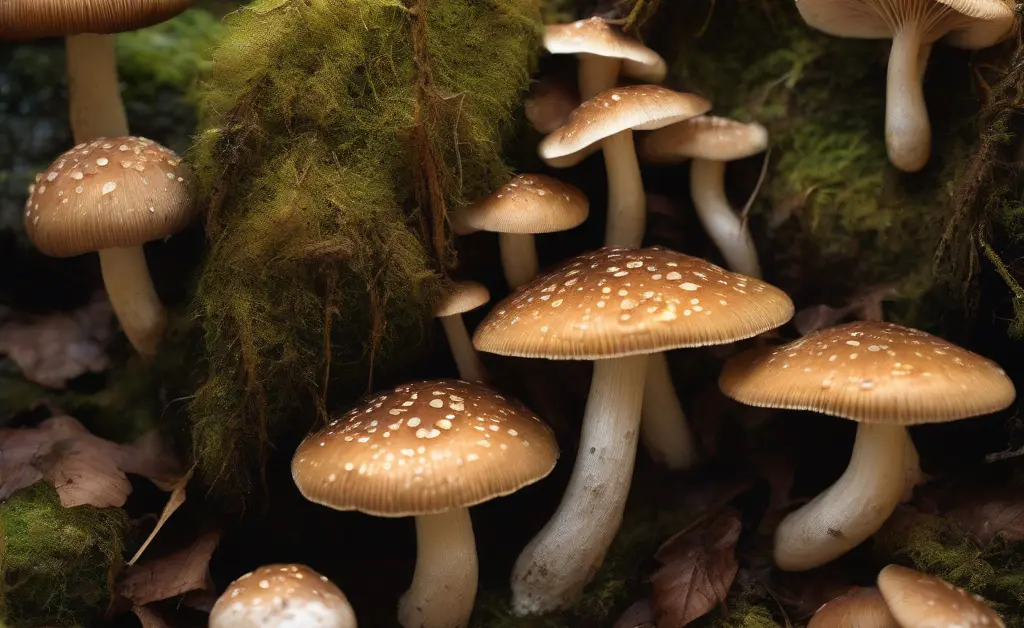
Knowing the preferred environments and seasons significantly increases your chances of finding the highly sought-after hedgehog mushroom uk. These fungi have specific ecological preferences that guide foragers to their likely locations. You can learn more about where to find hedgehog mushroom.
Preferred Habitats and Geographical Distribution in the UK
Hedgehog mushrooms thrive in various woodlands across the UK. They are mycorrhizal, forming a symbiotic relationship with tree roots, and are particularly associated with broadleaf trees like oak, beech, and birch, but can also be found under conifers. Look for them growing on the ground, often among moss or leaf litter. They prefer undisturbed, damp woodland floors, and can sometimes be found in groups, though solitary specimens are also common. While they are widespread across the UK, their distribution can be patchy, so finding a good spot often involves exploring mature forests with suitable tree species and moist conditions. Some regions, like Hedgehog mushroom Alberta, may have different growth patterns, but UK habitats share commonalities.
Seasonal Availability
The primary season for foraging hedgehog mushrooms in the UK is typically from late summer through autumn, often extending into early winter in milder climates. Their appearance is highly dependent on rainfall and temperature; a period of consistent moisture after dry spells often triggers their growth. While autumn is generally the most productive time, it’s not uncommon to find them earlier in a wet summer or later if the autumn remains unseasonably warm. Regular scouting of known habitats throughout the season is the best approach to catching them at their prime.
Edibility and Culinary Uses
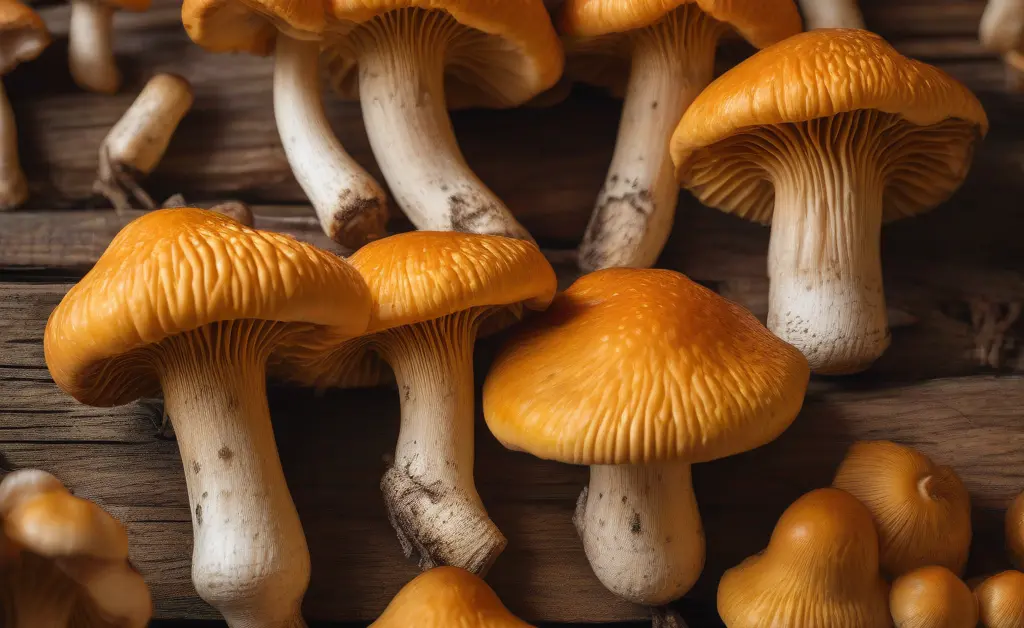
The hedgehog mushroom is celebrated for its excellent culinary qualities, making it a favorite among foragers and chefs alike. Its firm texture and mild flavor make it a versatile ingredient in many dishes. Is hedgehog mushroom edible? Yes, it is widely considered a choice edible mushroom, known for its distinctive taste that some describe as subtly peppery, nutty, or even slightly sweet.
Before cooking, it’s important to clean hedgehog mushrooms thoroughly. The spines can sometimes trap dirt or debris, which can be gently brushed off or removed. The stems are generally firm and can be used along with the caps. When considering what does hedgehog mushroom taste like, it’s often noted for its robust, earthy flavor that holds up well during cooking without becoming watery. This makes it suitable for a variety of cooking methods. For specific regional information, understanding foraging in areas like Hedgehog mushroom Tennessee can offer comparative insights.
How do you cook hedgehog mushrooms? They are excellent sautéed in butter or oil, used in risottos, added to pasta dishes, or incorporated into stews and stir-fries. They retain their firm texture and do not become slimy, which is a desirable characteristic. For longer-term enjoyment, these mushrooms can also be preserved by drying, pickling, or freezing, allowing you to enjoy the unique taste of the hedgehog mushroom uk beyond its foraging season. Is hedgehog fungus safe to eat? When correctly identified, it is generally considered very safe and a delicious addition to any meal.
Foraging Hedgehog Mushrooms Responsibly
Responsible foraging is crucial for ensuring the sustainability of wild mushroom populations and maintaining the health of woodland ecosystems. When seeking out the hedgehog mushroom uk, adhering to ethical practices ensures that these delightful fungi will be available for future generations to enjoy.
Always seek permission before foraging on private land, and be aware of any local regulations or protected areas where foraging may be restricted or prohibited. When harvesting, use a sharp knife to cut the mushroom stem cleanly at the base, above the mycelium, to allow for potential regrowth. Avoid pulling the mushroom from the ground, as this can damage the underlying fungal network. Only take what you need and leave plenty behind for other foragers, wildlife, and for the mushrooms to complete their natural life cycle and spread spores. It is also good practice to carry a breathable basket or net bag, which allows spores to disperse as you move through the forest. For recommended foraging tools, a sturdy knife, a brush for cleaning, and a reliable identification guide are essential companions for any responsible forager. It is important to note that finding specific mushroom species can vary greatly by location, such as in Hedgehog mushroom Michigan.
Where to Buy Hedgehog Mushroom UK
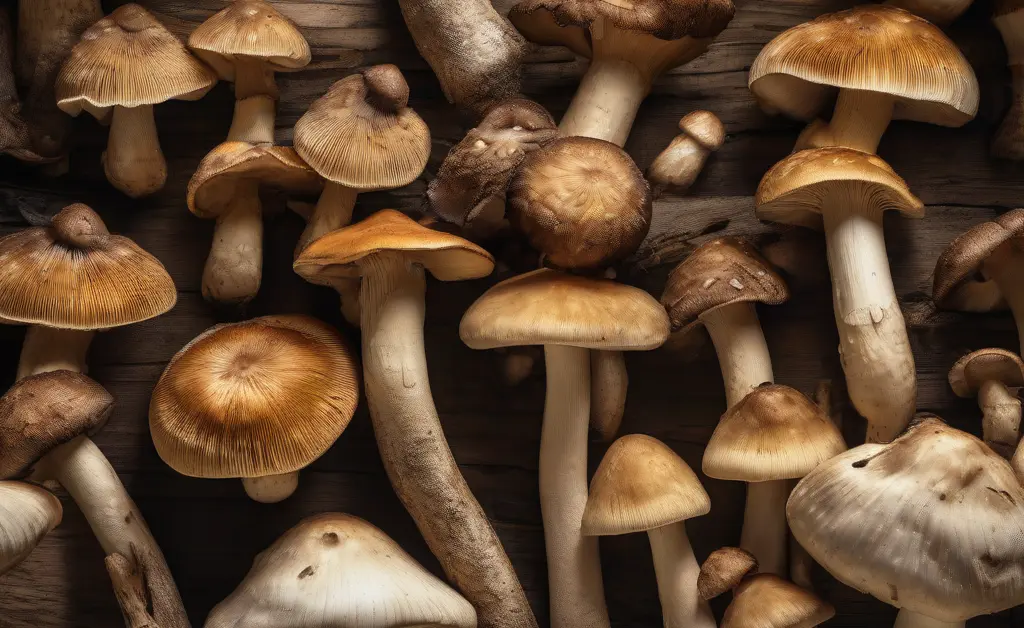
For those who prefer not to forage, or when seasonal availability limits wild harvesting, obtaining hedgehog mushrooms can still be possible. Specialist greengrocers, high-end supermarkets, or farmers’ markets often stock wild mushrooms during their season. Due to their popularity and the effort involved in foraging, these mushrooms can sometimes command a higher price than cultivated varieties. It is also worth checking with local mushroom suppliers or online gourmet food retailers who specialize in wild and exotic fungi. When purchasing, look for firm, unblemished specimens with intact spines, ensuring you’re getting fresh and good quality hedgehog mushroom UK for your culinary endeavors.
The hedgehog mushroom stands out as a highly rewarding find for anyone interested in wild edibles. Its distinctive spiny underside offers a clear identification marker, making it an excellent species for both novice and experienced foragers. By understanding its preferred habitats, seasonal availability, and practicing responsible harvesting techniques, you can safely enjoy this delicious fungi. Whether gathered from the woodland floor or purchased from a reputable supplier, the culinary versatility and mild, nutty flavor of the hedgehog mushroom make it a cherished ingredient, enhancing many dishes with its unique forest essence. Always prioritize safety through careful identification, and enjoy the rich experience that foraging for this remarkable mushroom offers.
Readers should understand that this article does not offer medical diagnosis or treatment. The information provided about identifying and consuming wild mushrooms is for general knowledge and educational purposes only. Foraging should always be approached with extreme caution, and it is vital to be absolutely certain of a mushroom’s identification before consumption. If you have any health concerns, please consult a qualified healthcare professional. For more information on mushroom safety, consult the CDC.
FAQ
Where do hedgehog mushrooms grow in the UK?
Hedgehog mushrooms are often found in deciduous and coniferous woodlands across the UK. They particularly favour areas with mossy ground and leaf litter.
When is the best time to find hedgehog mushrooms?
The foraging season for hedgehog mushrooms typically runs from late summer through to autumn. They are most commonly encountered after periods of rainfall during these months.
Are there any poisonous lookalikes for hedgehog mushrooms?
While generally considered easy to identify, it is always wise to be certain of any wild mushroom identification. A thorough understanding of mushroom anatomy and key distinguishing features is essential when foraging.
What is another name for a hedgehog mushroom?
The hedgehog mushroom is also known by the scientific name Hydnum repandum. This name refers to its distinctive feature of having tooth-like spines on the underside of its cap instead of gills.
Continue reading
You May Also Like
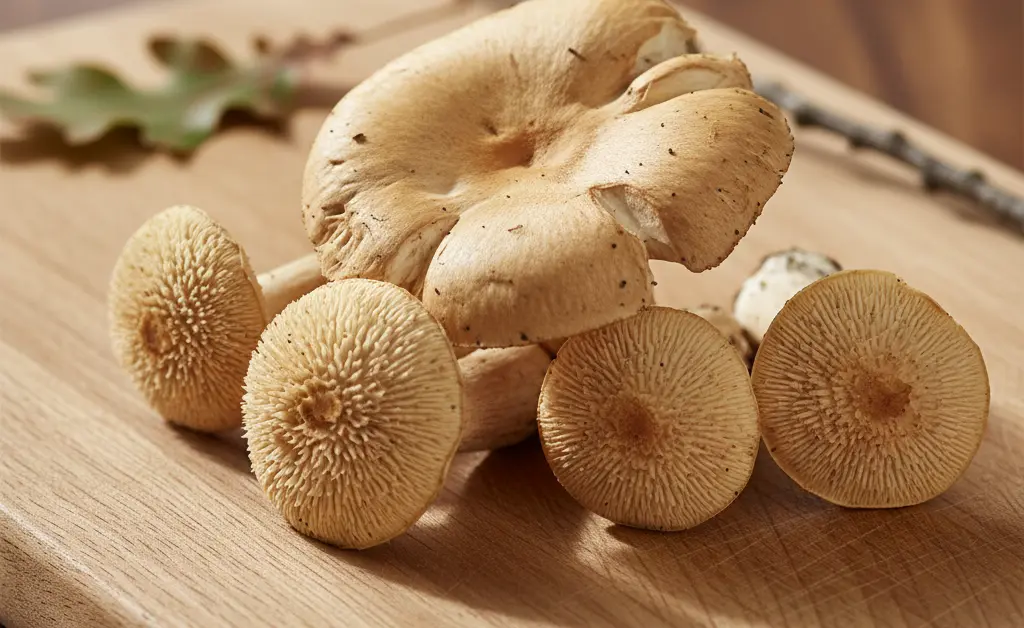
The Complete Forager's Guide to Hedgehog Mushrooms
Easily identified by its unique spines, the hedgehog mushroom is a choice wild edible with a sweet, nutty flavor when cooked properly.
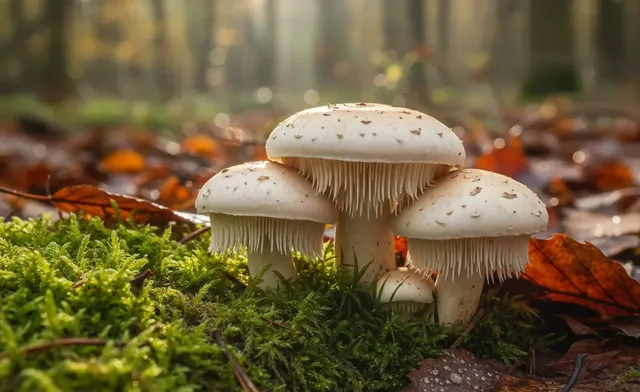
A Forager's Guide to Hedgehog Mushrooms in Alberta
A complete guide to the hedgehog mushroom in Alberta, covering essential identification characteristics, common habitats, and the best time to forage.
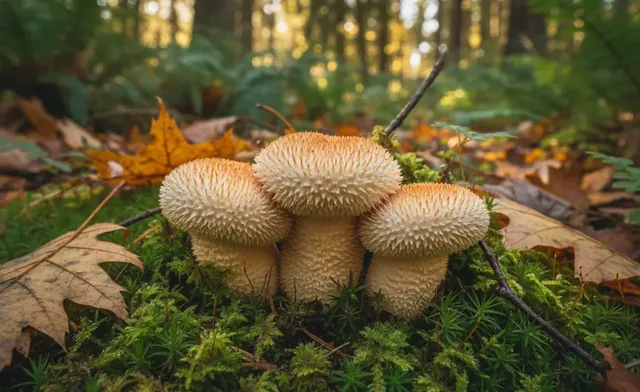
A Forager’s Guide to Hedgehog Mushrooms in BC
Confidently identify the hedgehog mushroom BC with our forager's guide, which details its key characteristics and how it differs from look-alikes.