
A Forager’s Guide to PNW Hedgehog Mushrooms
Just as seeking out apples in an orchard brings a sense of familiar reward, the hunt for choice edible mushrooms in the wild offers a unique foraging pleasure. Among the most sought-after varieties in the Pacific Northwest is the hedgehog mushroom pnw, known for its distinctive tooth-like spines rather than gills. These fascinating fungi are a favorite among both novice and experienced foragers due to their delicious taste and relatively easy identification. This guide explores everything you need to know about these popular edibles, from their distinguishing features and preferred habitats to ideal foraging seasons and culinary applications. Whether you’re new to mushroom hunting or looking to expand your knowledge, understanding the nuances of these remarkable organisms can significantly enhance your foraging success in the region.
Understanding Hedgehog Mushrooms in the PNW
Hedgehog mushrooms, also widely known as Sweet Tooth mushrooms, are a distinctive group of fungi appreciated for their unique appearance and culinary versatility. These mushrooms are recognized by their characteristic spines or “teeth” on the underside of the cap, a feature that readily distinguishes them from gilled or pored mushrooms. In the Pacific Northwest, they are a common and beloved sight for foragers. The general characteristics of hedgehog mushrooms include a sturdy cap, often somewhat irregular in shape, and a firm, often brittle, flesh. Their unique structure and mild, slightly nutty flavor make them a sought-after edible. Understanding these general characteristics is key to successful identification in the field, helping foragers confidently distinguish them from other species. For information on where to find hedgehog mushrooms, explore where to find hedgehog mushroom.
Brown hedgehog mushroom pnw
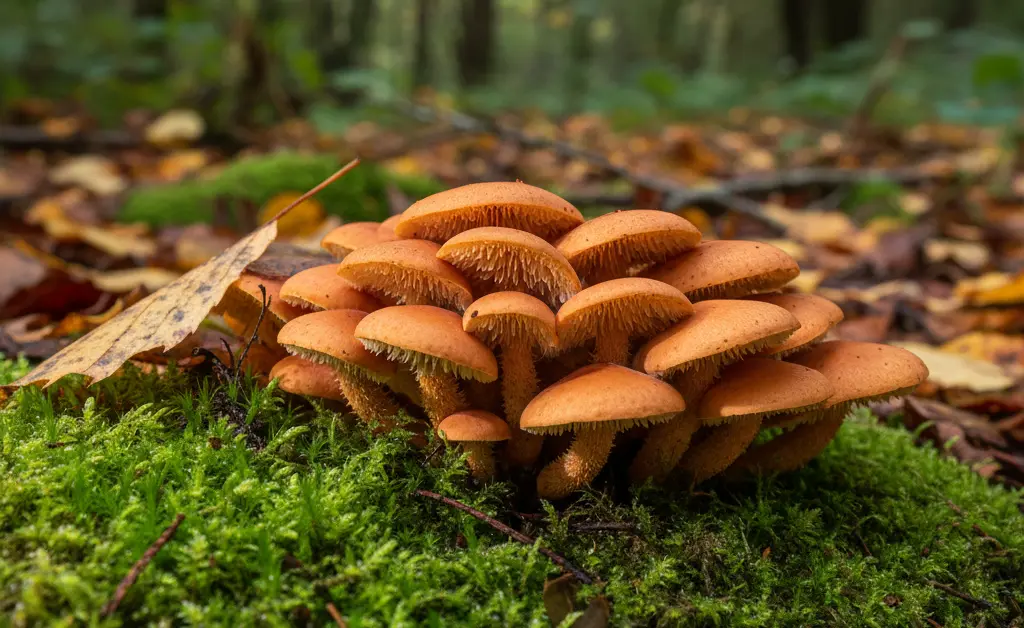
The brown hedgehog mushroom, often referred to by its scientific name *Hydnum rufescens*, is a notable variety found across the Pacific Northwest. This species typically exhibits a reddish-brown to orange-brown cap, which can vary in intensity depending on age and environmental conditions. Its spines are usually paler than the cap, often creamy white or light orange. The stem is solid and generally shorter and more slender than its white or yellow counterparts. The flesh is firm and has a mild, pleasant aroma, making it a desirable find for many foragers exploring the region for the hedgehog mushroom pnw. If you are looking for this mushroom in other regions, consider the hedgehog mushroom california.
White hedgehog mushroom pnw
White hedgehog mushrooms, frequently identified as *Hydnum albidum*, are another distinct type encountered in the PNW. As their name suggests, these mushrooms possess a creamy white to off-white cap, which tends to be convex when young and may flatten or become slightly depressed with maturity. The spines on the underside are also white or very pale, maintaining a uniform color with the cap. The stem is typically robust and white. These mushrooms are often found growing in similar habitats to other hedgehog varieties, providing a gentle flavor that complements a range of dishes. You can also find them in other states, such as in hedgehog mushroom georgia.
Yellow hedgehog mushroom pnw
The yellow hedgehog mushroom, commonly known as *Hydnum repandum*, is perhaps the most widespread and recognized variety in the Pacific Northwest. It features a pale yellow, buff, or apricot-colored cap that can become somewhat wavy or lobed at the edges as it matures. The teeth on the underside are typically a lighter shade of yellow or cream. The stem is usually stout and off-center, blending into the cap color. This species is particularly valued for its firm texture and delightful flavor, making it a favorite among those who seek out the hedgehog mushroom pnw. Many foraging enthusiasts also explore areas like hedgehog mushroom alberta for similar finds.
Hedgehog mushroom pnw identification
Accurate identification of hedgehog mushrooms in the PNW relies on several key features. The most defining characteristic is the presence of soft, brittle spines (or teeth) on the underside of the cap, which are easily detached. The cap can range from off-white to yellowish, orange, or reddish-brown, often irregular in shape. The stem is solid and often eccentric (off-center). The flesh is firm and usually white or cream-colored, typically not changing much upon bruising. Foragers should also pay attention to the aroma, which is generally mild and pleasant, sometimes described as fruity or earthy. Understanding these aspects of hedgehog mushroom pnw identification is crucial for safe foraging. Always consult reliable sources for mushroom identification, such as those provided by health organizations like the NIH.
Hedgehog mushroom pnw look alike
While hedgehog mushrooms are relatively easy to identify due to their unique spines, there are a few look-alikes to be aware of, though none are considered dangerously toxic. One common look-alike is the Scaly Hedgehog (*Sarcodon imbricatus*), which has dark, prominent scales on its cap and spines that are often grayish-brown. While not poisonous, it can be bitter. Another group to consider are the “toothed fungi” from genera like *Phellodon* or *Bankera*, which tend to be tougher, woody, or have very dark spores, often growing on wood or in different habitats. Foragers should always be certain of their identification before consuming any wild mushroom, focusing on the combination of cap and surface features, underside spines, and stem and flesh characteristics to avoid any confusion when hunting for the hedgehog mushroom pnw.
Where to Find Hedgehog Mushrooms in the Pacific Northwest
Locating the prime spots for the hedgehog mushroom pnw is a skill developed through understanding their preferred environment and seasonal patterns. These mushrooms are widespread throughout the region, but knowing where to focus your search can significantly increase your chances of a successful harvest. They tend to favor specific types of woodlands and thrive under certain conditions that are common across the Pacific Northwest’s diverse ecosystems. Ethical foraging guidelines suggest always being mindful of the environment, taking only what you need, and disturbing the habitat as little as possible to ensure future growth.
Preferred Habitats and Ecosystems
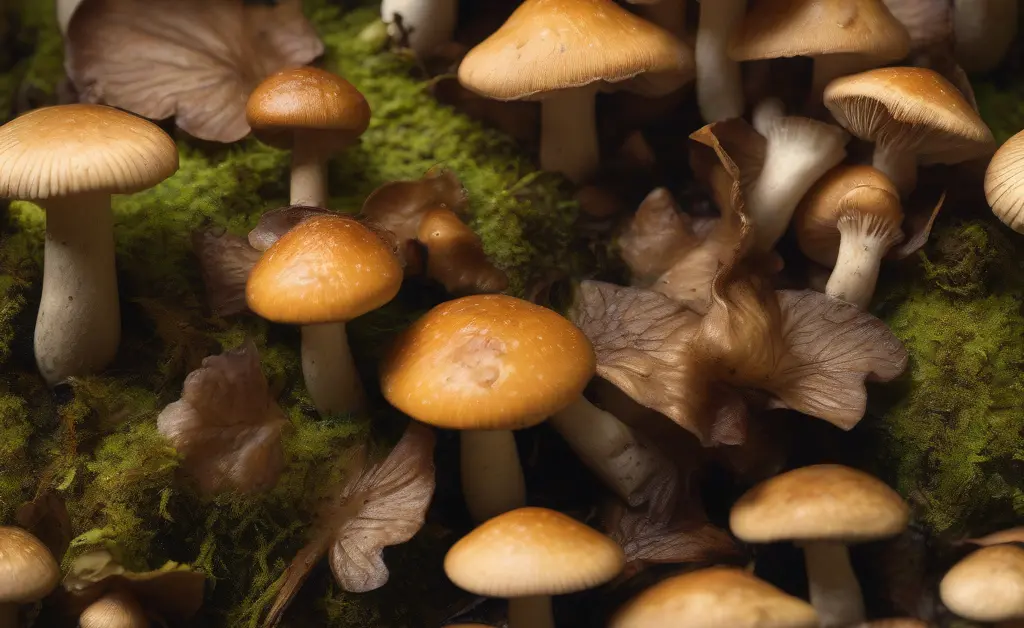
Hedgehog mushrooms in the Pacific Northwest typically thrive in coniferous and mixed forests. They form mycorrhizal associations with trees, meaning they have a beneficial symbiotic relationship with tree roots. Common tree partners include Douglas fir, hemlock, spruce, and sometimes broadleaf trees like oak or beech. They are often found growing on the forest floor, amidst moss, leaf litter, or duff, rather than directly on wood. Look for them in areas with well-drained soil, often on sloped terrain, and in older growth forests where the microclimate is stable and humid. These ecosystems provide the ideal conditions for the development of hedgehog mushroom pnw fruit bodies.
Optimal Foraging Seasons in the PNW
The optimal foraging seasons for hedgehog mushrooms in the Pacific Northwest generally span from late summer through late fall, and sometimes into early winter in milder climates. Their appearance is heavily dependent on moisture levels; they often fruit after significant rainfall following dry periods. Peak season typically runs from September to November, when cooler temperatures and consistent moisture create favorable conditions. However, a keen observer might find them earlier or later depending on specific weather patterns. Knowing these optimal foraging seasons can guide your expeditions and maximize your chances of encountering the hedgehog mushroom pnw.
Cooking with Hedgehog Mushrooms
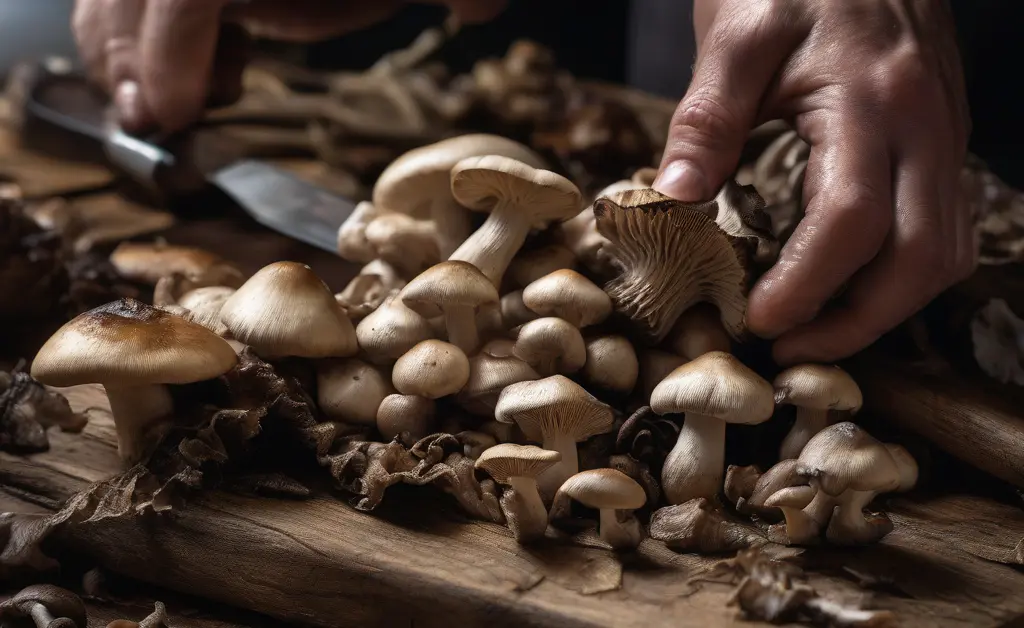
Once you’ve successfully gathered your harvest of hedgehog mushroom pnw, the next step is to prepare them for the kitchen. These mushrooms are highly esteemed for their firm texture and mild, slightly peppery or nutty flavor profile, making them incredibly versatile in culinary applications. The first step in preparation and cleaning tips involves gently brushing off any dirt or debris with a soft brush or damp cloth. Avoid washing them under running water if possible, as they can become waterlogged. The spines are edible and do not need to be removed, though some prefer to scrape off the larger ones for aesthetic reasons. The flavor of the hedgehog mushroom pnw pairs well with many dishes, from simple sautés to more complex recipes.
For culinary uses and recipe ideas, hedgehog mushrooms excel when sautéed with butter and garlic, allowing their natural flavors to shine. They can be added to risottos, pasta dishes, omelets, and quiches. Their robust texture holds up well in stir-fries and stews. Some chefs enjoy them finely chopped and incorporated into stuffings for poultry or vegetables. A popular hedgehog mushroom recipe might involve simply pan-frying them until golden brown, then seasoning with salt and pepper, or deglazing the pan with white wine for an added layer of flavor. They also make an excellent side dish for roasted meats or fish.
Preserving Hedgehog Mushrooms
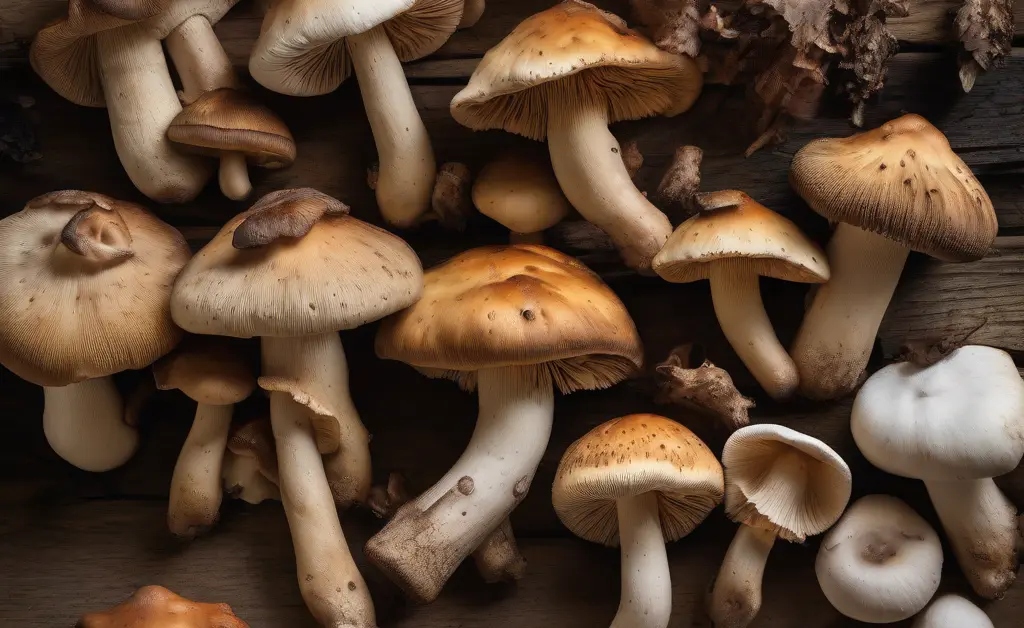
The bounty of hedgehog mushroom pnw can often be quite generous, leading many foragers to consider various methods of preservation. Proper preservation techniques allow you to enjoy these delicious fungi long after the foraging season has ended. While fresh is always best, methods such as drying, pickling, and freezing can help extend their shelf life and maintain their unique characteristics for future culinary endeavors.
Drying hedgehog mushrooms is an effective way to preserve their flavor and extend their usability. To dry them, clean the mushrooms thoroughly and slice them into thin, uniform pieces. They can be air-dried in a well-ventilated area, strung on a thread, or dried in a dehydrator at a low temperature until crisp. Once fully dried, store them in airtight containers away from light and moisture. Rehydrate dried hedgehog mushrooms by soaking them in warm water or broth before cooking.
Pickling hedgehog mushrooms offers another excellent preservation option, imbuing them with a tangy flavor that complements their natural earthiness. After cleaning, the mushrooms can be blanched briefly, then packed into sterilized jars and covered with a hot pickling brine made from vinegar, water, salt, and various spices like bay leaves, mustard seeds, or peppercorns. This method creates a delightful condiment or addition to salads and charcuterie boards.
Freezing hedgehog mushrooms is a straightforward method for retaining their texture and taste. It’s often recommended to cook them first before freezing. Sauté the cleaned and sliced mushrooms until they release their moisture and begin to brown. Let them cool completely, then pack them into freezer-safe bags or containers, removing as much air as possible to prevent freezer burn. Frozen cooked hedgehog mushrooms can be added directly to recipes, providing a convenient way to enjoy the flavor of the hedgehog mushroom pnw throughout the year.
The Pacific Northwest offers a rich environment for foraging, and the hedgehog mushroom stands out as a truly rewarding find. From understanding their diverse appearances and key identification markers to exploring their preferred habitats and optimal foraging times, every aspect contributes to a successful and enjoyable experience. Whether you’re planning to savor them fresh in a gourmet meal or preserve their unique flavors for later use, these fascinating fungi are a testament to the region’s natural culinary treasures. Always remember to practice ethical foraging and ensure positive identification to safely enjoy the bounty of the forest.
This information should be viewed as educational rather than medical advice. It is presented for general knowledge and informational purposes only. The content is not intended to be a substitute for professional medical advice, diagnosis, or treatment. Always seek the advice of a qualified healthcare provider with any questions you may have regarding a medical condition or personal health needs.
FAQ
What do hedgehog mushrooms look like in the PNW?
Hedgehog mushrooms typically present with a golden-yellow to orange cap, which can be convex when young and flatten out with age. Instead of gills, they have tooth-like spines on their underside, giving them their distinctive “hedgehog” appearance. These edible fungi are generally found in clusters, often with irregular shapes.
Where can I find hedgehog mushrooms in the Pacific Northwest?
In the Pacific Northwest, hedgehog mushrooms are commonly found growing terrestrially in coniferous and mixed forests. They often associate with specific tree species like Douglas fir and pine. Look for them on the forest floor, sometimes near mossy areas or on slopes.
When is the best season to forage for hedgehog mushrooms in the PNW?
The prime season for foraging hedgehog mushrooms in the PNW generally spans from late summer through fall. They often emerge after the first significant autumn rains, continuing to fruit as the weather cools. Peak abundance can vary slightly depending on the specific microclimate and annual weather patterns.
Continue reading
You May Also Like
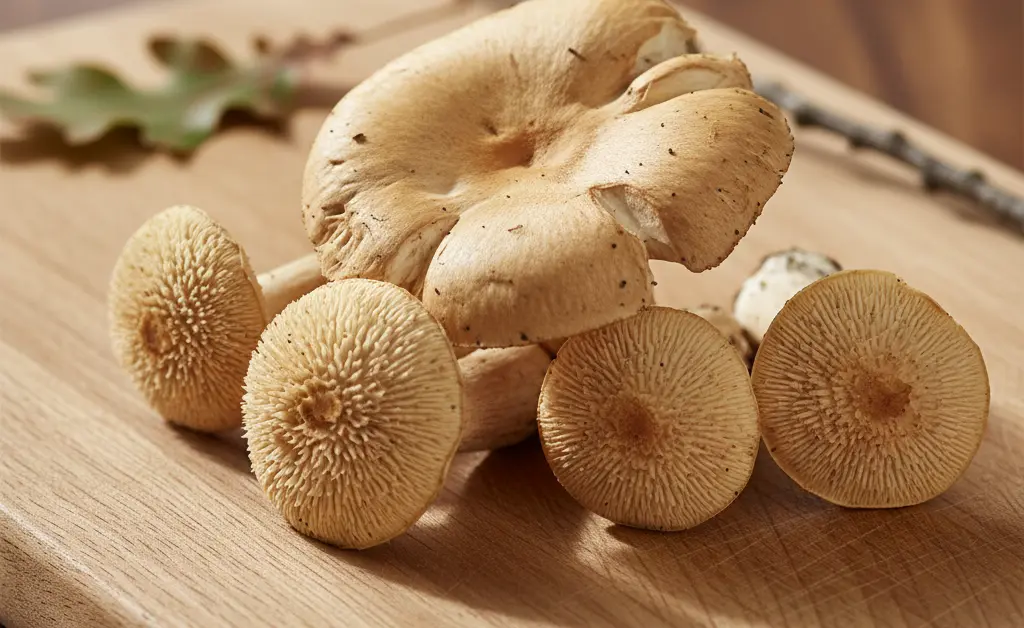
The Complete Forager's Guide to Hedgehog Mushrooms
Easily identified by its unique spines, the hedgehog mushroom is a choice wild edible with a sweet, nutty flavor when cooked properly.
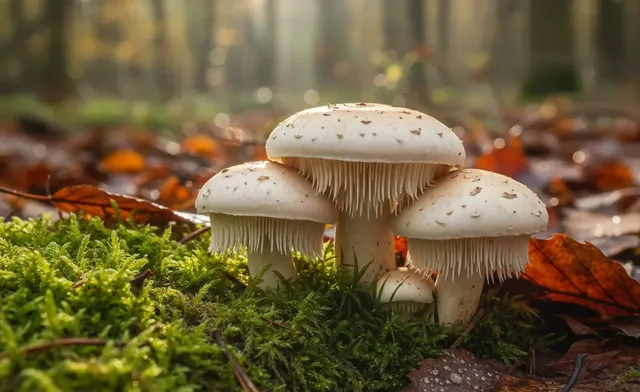
A Forager's Guide to Hedgehog Mushrooms in Alberta
A complete guide to the hedgehog mushroom in Alberta, covering essential identification characteristics, common habitats, and the best time to forage.
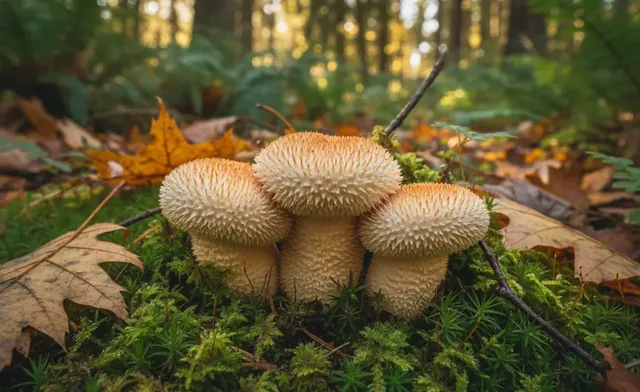
A Forager’s Guide to Hedgehog Mushrooms in BC
Confidently identify the hedgehog mushroom BC with our forager's guide, which details its key characteristics and how it differs from look-alikes.