
Hedgehog vs. Chanterelle: A Comparative Field Guide
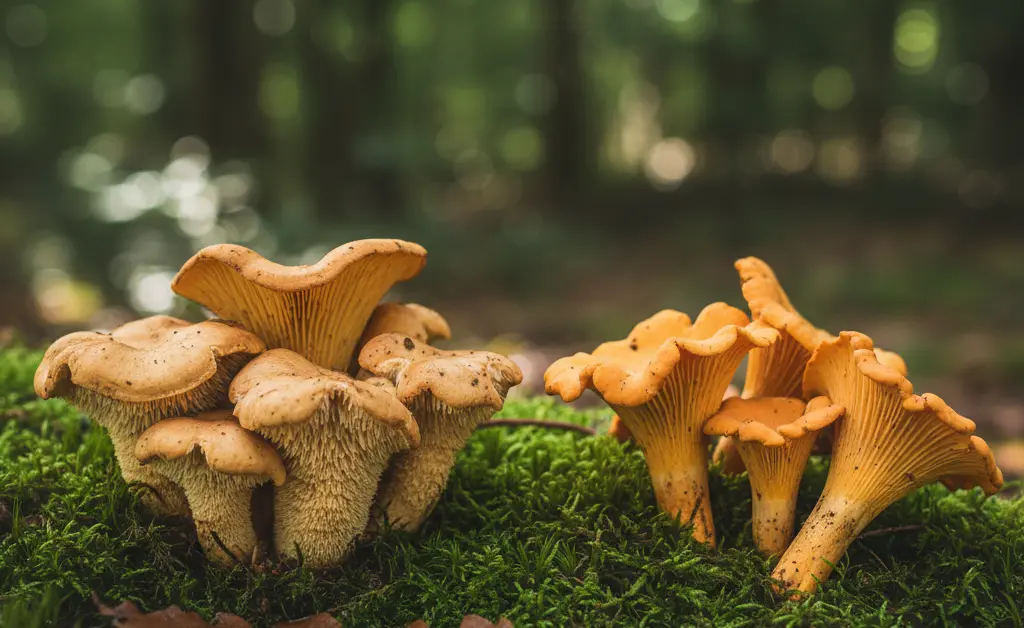
Hedgehog mushrooms are recognized for their distinctive tooth-like spines underneath the cap and a firm, meaty texture, while chanterelles are celebrated for their golden color, trumpet-like shape, and unique fruity aroma often likened to apricots. Both are highly prized edible fungi that enhance a variety of dishes, making them favorites among foragers and gourmet chefs. However, their subtle differences in appearance, texture, and flavor can lead to confusion, especially for those new to wild mushroom identification. Understanding the nuances of hedgehog mushroom vs chanterelle is essential for accurate foraging and culinary application, ensuring both safety and optimal enjoyment. This guide aims to clarify these distinctions, providing a comprehensive comparison to help enthusiasts confidently identify and appreciate each species.
Hedgehog Mushroom vs Chanterelle: Key Differences
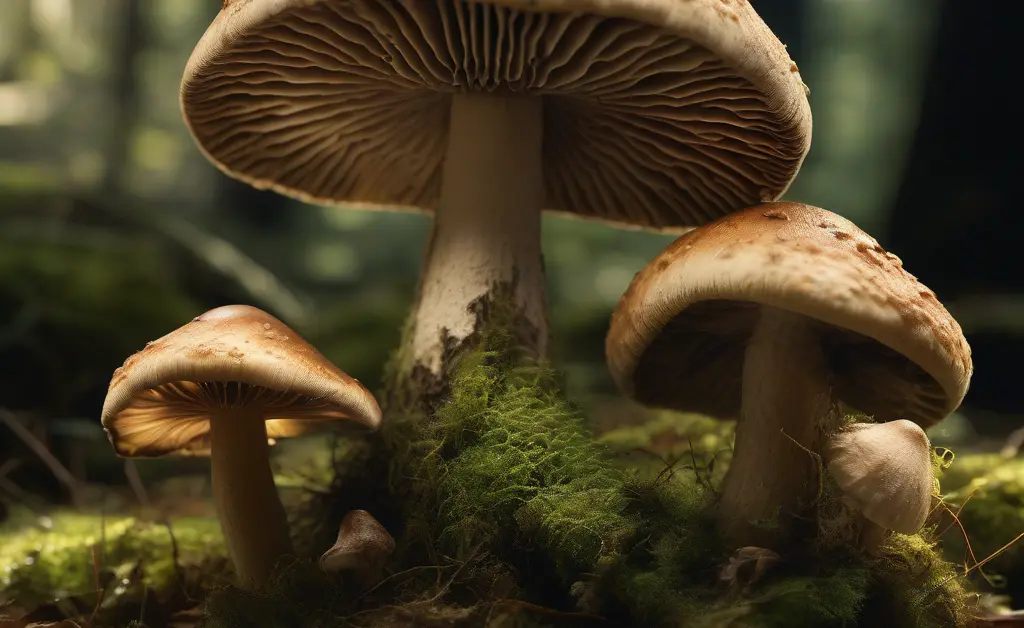
Delving into the characteristics that set these two popular edible fungi apart reveals why accurate identification is paramount for foragers. While both are sought after, their distinct features make distinguishing a hedgehog mushroom vs chanterelle relatively straightforward once you know what to look for.
Underside Structure: Spines vs. False Gills
The most immediate and definitive way to differentiate these mushrooms lies in their underside structure. Hedgehog mushrooms (Hydnum repandum) are unique for their soft, brittle, tooth-like spines or “teeth” that hang vertically from beneath the cap. These spines are easily brushed off, a key identifying characteristic. In contrast, chanterelles (genus Cantharellus) possess distinctive false gills, which are typically blunt, forked, and run down the stem (decurrent). These false gills are not true gills in the mycological sense; they are folds or ridges in the mushroom’s flesh, unlike the thin, blade-like structures found on many other mushroom species. This fundamental difference is the primary identifier.
Cap and Stem Characteristics
The caps of hedgehog mushrooms are often irregular in shape, typically convex to flat, and can be wavy or lobed at the edges. Their surface is usually dry and can range from smooth to finely velvety. The stem, which is often off-center or even lateral, tends to be stout and firm, sometimes tapering towards the base. Chanterelles, on the other hand, are renowned for their funnel or trumpet-like shape, though young specimens may start with a convex cap that later flattens and develops a central depression. Their caps often have wavy, irregular margins. The stem of a chanterelle is typically solid, tapers downwards, and is continuous with the cap, lacking a distinct separation. Both mushrooms generally lack a prominent ring or volva. This comparison highlights key differences between hedgehog mushroom vs lions mane, though this article focuses on chanterelles.
Color Variations and Size
Hedgehog mushrooms exhibit a range of colors, from creamy white to pale orange, yellowish-brown, or light tan. The spines beneath the cap usually match the cap color or are slightly paler. They typically grow to a moderate size, with caps ranging from about 5 to 15 centimeters (2 to 6 inches) in diameter. Chanterelles are best known for their vibrant golden-yellow to orange hues, though some species can be paler, appearing creamy white or even reddish-orange. Their color tends to be consistent throughout the cap, gills, and stem. Chanterelle caps commonly measure between 3 to 10 centimeters (1 to 4 inches) across, though larger specimens can be found, particularly in mature or optimal conditions.
Hedgehog Mushroom Taste and Texture (Earthy, Smokey)
Culinary enthusiasts highly value hedgehog mushrooms for their robust flavor profile. They offer an earthy, slightly nutty taste that can sometimes carry subtle peppery or smokey undertones, especially when cooked. Their texture is firm, somewhat meaty, and satisfyingly chewy, holding up well in various cooking applications. These characteristics make them a versatile ingredient, often recommended in stir-fries, sautés, or as a hearty addition to stews and risottos. The pleasant taste and resilient texture contribute to their popularity among foragers and chefs.
Chanterelle Mushroom Taste and Texture (Apricot Flavor)
Chanterelles are celebrated for their delicate and distinctive flavor, which is often described as fruity, reminiscent of apricots or peaches, with peppery notes. This unique aroma and taste become more pronounced when gently cooked. Their texture is slightly chewy but also tender, with a pleasant, somewhat fibrous consistency that contributes to their desirable mouthfeel. The apricot flavor is a hallmark of true chanterelles, making them a gourmet delicacy. They are often featured in refined dishes, omelets, sauces, or simply sautéed with butter to highlight their exquisite taste.
Foraging Considerations: Hedgehog vs. Chanterelle Safety
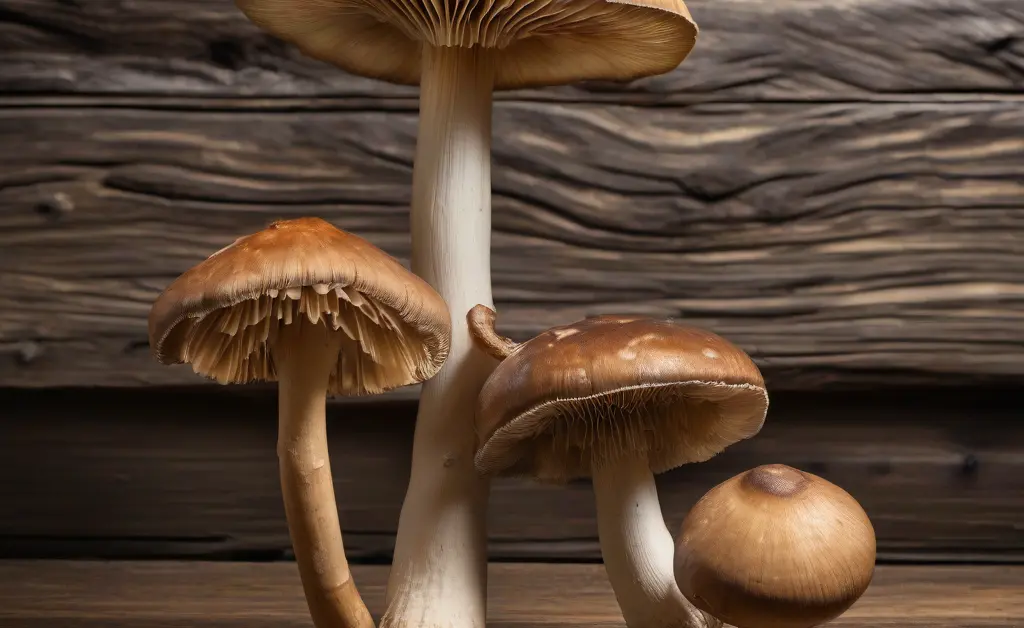
Foraging for wild mushrooms can be a rewarding experience, but safety is always the top priority. Understanding the identification challenges and potential look-alikes is critical when comparing hedgehog mushroom vs chanterelle for safe consumption.
Ease of Identification for Beginners
When considering which mushroom is considered safer for foragers, hedgehog or chanterelle, many experts point to the hedgehog mushroom as being relatively easier and safer for beginners to identify. The primary reason for this confidence is the hedgehog mushroom’s unique underside of teeth-like spines. There are no dangerously poisonous look-alikes that share this distinct feature. While some other Hydnum species exist, they are generally also edible. This lack of dangerous look-alikes for hedgehog mushrooms significantly reduces the risk of misidentification. Chanterelles, while also widely sought after, require more careful attention due to their common look-alikes. For more information on mushroom research, you can visit cochranelibrary.com.
Common Chanterelle Look-alikes
Despite their distinct appearance, chanterelles do have a few common look-alikes that foragers must be aware of. The most notable is the Jack-o’-lantern mushroom (Omphalotus illudens), which is toxic and can cause severe gastrointestinal distress. Jack-o’-lanterns tend to grow in dense clusters on wood, have true, sharp, non-decurrent gills, and a darker orange color that lacks the fruity aroma of a true chanterelle. Another look-alike is the False Chanterelle (Hygrophoropsis aurantiaca), which is not poisonous but is considered inferior in taste and texture. False chanterelles have more distinct, regular, and thinner gills that are often brighter orange than the cap. Finally, some species of Waxy Caps (genus Hygrocybe) might superficially resemble chanterelles but typically have waxy, widely spaced gills. Due to these potential confusions, learning how to identify chanterelles requires careful observation of all characteristics, especially the false gills, color, shape, and aroma.
Both hedgehog mushrooms and chanterelles offer unique culinary delights and foraging experiences. While hedgehog mushrooms are often considered a safer choice for beginner foragers due to their distinctive spines and lack of dangerous look-alikes, chanterelles remain a highly prized mushroom that, with careful identification, can be a fantastic find. Always remember that accurate identification is paramount. When in doubt, consult with an experienced mycologist, use multiple field guides, and never consume a mushroom unless you are 100% certain of its identity. Enjoy the journey of discovering these incredible fungi in their natural habitats, and may your culinary adventures be both safe and delicious.
Readers should understand that this article does not offer medical diagnosis or treatment. The information provided is for educational purposes only and is not intended to substitute for professional medical advice. Always consult with a qualified healthcare professional regarding any health concerns or before making any decisions related to your health or treatment. Foraging for wild mushrooms carries inherent risks, and misidentification can lead to serious health consequences.
FAQ
What is the main difference between hedgehog mushrooms and chanterelles?
Hedgehog mushrooms possess distinctive, blade-like gills that run down their stems, resembling tiny hedgehog spines, whereas chanterelles are recognized by their blunt, ridge-like gill structures that also descend the stem. Both mushrooms are prized edibles, but their physical characteristics offer a clear way to differentiate them. The hedgehog mushroom’s unique gill formation is a key identifier in the wild.
Do hedgehog mushrooms taste similar to chanterelles?
While both mushrooms are considered delicious, hedgehog mushrooms often present a slightly firmer texture and a more pronounced, earthy flavor profile compared to the delicate, peppery notes typically associated with chanterelles. Their taste is robust and satisfying, making them a versatile ingredient in various culinary preparations. People often describe the hedgehog mushroom as having a more intense mushroom flavor.
Are hedgehog mushrooms easier to identify than chanterelles?
The presence of true gills versus blunt ridges can make identifying hedgehog mushrooms somewhat more straightforward for beginners, as the spines are a very distinct feature. However, like all wild mushroom foraging, accurate identification relies on understanding multiple characteristics and being absolutely certain before consumption. Careful observation is always paramount when distinguishing between different mushroom species.
How do you distinguish a hedgehog mushroom from a chanterelle?
The most reliable way to distinguish a hedgehog mushroom from a chanterelle is by examining the underside of the cap; hedgehog mushrooms have visible, comb-like spines or teeth, while chanterelles have gill-like folds or ridges that are typically smooth and blunt. Additionally, chanterelles often have a more funnel or vase shape and can exhibit a pale orange or yellow hue. The hedgehog mushroom is related to the chanterelle family but has these clear morphological differences.
Continue reading
You May Also Like
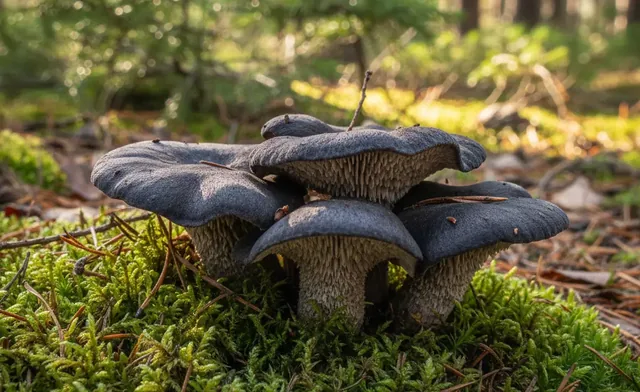
What to Know About Black Hedgehog Mushrooms
The black hedgehog mushroom is a sought-after edible, but proper identification is crucial to distinguish it from any poisonous look-alikes.
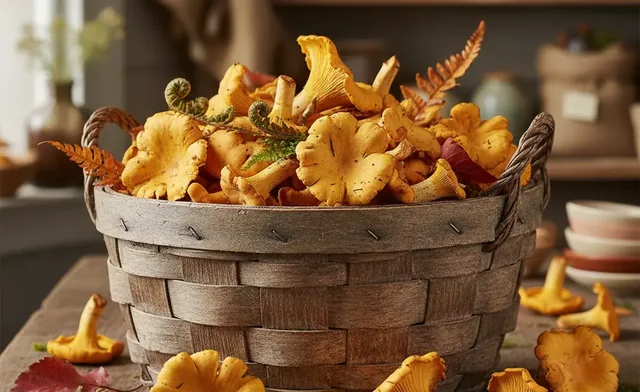
Your Source for Fresh Chanterelle Mushrooms
Buy chanterelle mushrooms picked fresh and shipped directly to your door with our freshness guarantee, ready for your favorite culinary dishes.
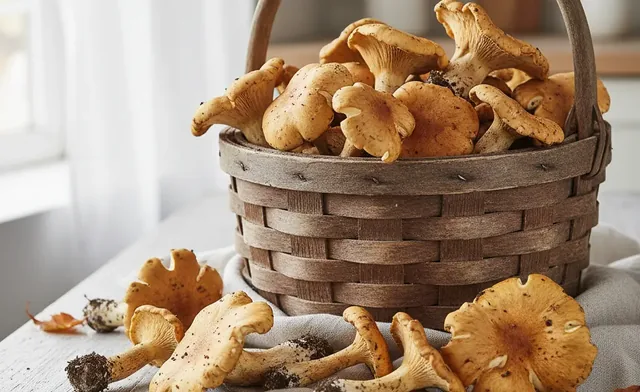
Your Premier Source for Fresh Hedgehog Mushrooms
Enjoy the sweet, nutty flavor of wild-foraged fungi when you buy hedgehog mushroom from our store, with fast and fresh delivery on all orders.