
The Complete Guide to Cultivating Cremini Mushrooms
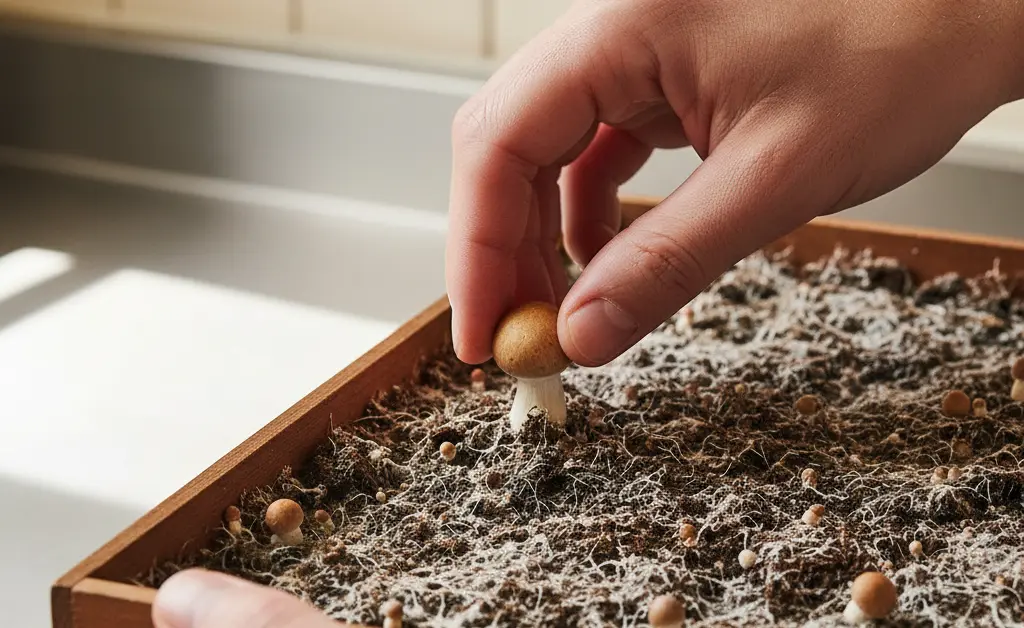
Imagine the satisfying aroma of freshly sautéed mushrooms filling your kitchen, knowing they came right from your own efforts. For many home cooks and gardening enthusiasts, the idea of cultivating gourmet fungi might seem daunting, relegated to specialized farms. However, with a bit of guidance and dedication, transforming your kitchen or basement into a thriving mushroom patch is entirely achievable. This guide will demystify the process, walking you through every step of how to grow cremini mushrooms at home, from preparing the substrate to harvesting your delicious bounty. Get ready to embark on a rewarding journey that connects you more deeply with your food, offering fresh, organic produce right at your fingertips.
Gathering Your Materials
Embarking on the journey of mushroom cultivation begins with assembling the necessary components. Success in how to grow cremini mushrooms often hinges on the quality and readiness of your initial setup. You’ll need more than just the mushroom spawn itself; consider the growing environment, containers, and tools that will support the entire life cycle of your fungi. This preparatory stage sets the foundation for a fruitful harvest.
Cremini mushroom spawn
Cremini mushroom spawn is essentially the “seeds” of your mushroom project. It consists of a living fungal culture, usually mycelium, grown on a sterilized grain or sawdust medium. Unlike plants, mushrooms don’t grow from seeds in the traditional sense; instead, they propagate from these mycelial networks. Selecting high-quality, reputable cremini mushroom spawn is crucial, as healthy spawn is less susceptible to contamination and more likely to colonize your substrate vigorously. Ensure your spawn is fresh and from a reliable supplier to maximize your chances of success.
Preparing the Mushroom Substrate
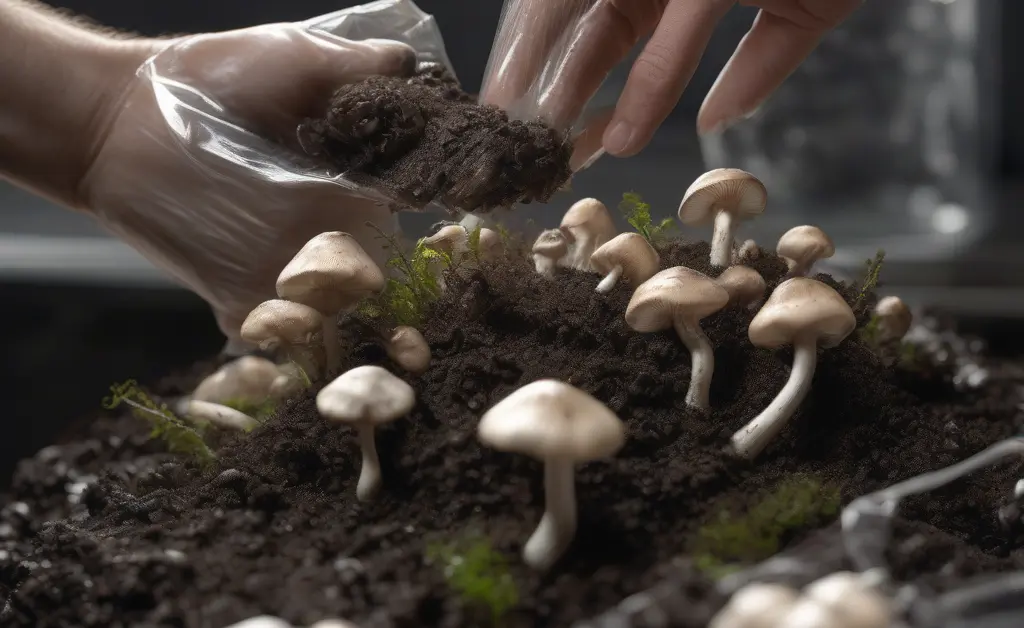
The substrate serves as the food source for your cremini mushrooms, providing the nutrients necessary for mycelial growth and subsequent fruiting. Its preparation is a critical step in how to grow cremini mushrooms successfully, as an improperly prepared substrate can lead to contamination or poor yields. This stage involves selecting appropriate materials, blending them, and ensuring they are pasteurized or sterilized to eliminate competing microorganisms.
Choosing the Right Substrate Mix
Cremini mushrooms thrive on a variety of organic materials, and selecting the right substrate mix is fundamental. Common components include compost, straw, sawdust, and even aged manure. A well-balanced substrate typically incorporates a nitrogen source (like coffee grounds or bran) with a carbon source (such as straw or sawdust). For example, a mixture of hardwood sawdust and wheat bran, or a blend of compost and pasteurized straw, can provide an excellent nutritional base. The goal is to create a nutrient-rich yet porous medium that retains moisture without becoming waterlogged, allowing for adequate air circulation for the mycelium to breathe and colonize effectively.
Inoculating the Substrate
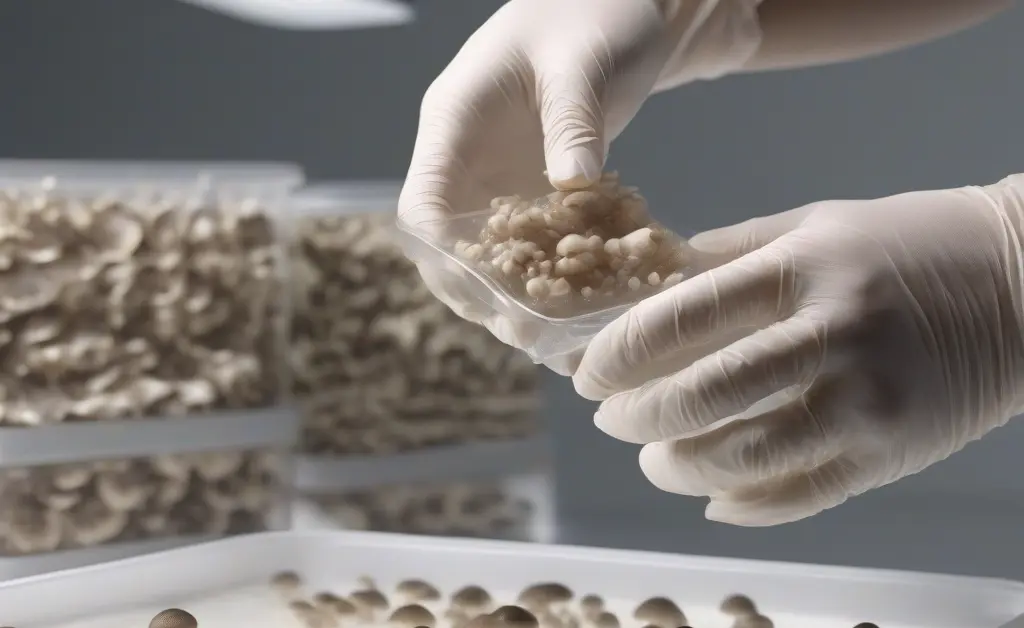
Inoculation is the process of introducing your cremini mushroom spawn to the prepared substrate. This vital step marks the beginning of mycelial colonization, where the fungal network starts to spread and consume the nutrients within the substrate. Precision and hygiene are paramount during inoculation to prevent contamination, which can jeopardize the entire grow.
Methods of Inoculation
Several methods can be used to inoculate your substrate, depending on the type of spawn and container. For grain spawn, a common technique is to “break and shake” the spawn bag to separate the colonized grains, then mix them thoroughly with the substrate in your growing containers or bags. This ensures even distribution of the mycelium throughout the substrate. Another method involves layering the spawn with the substrate, which can be effective for larger setups or bulk grows. Regardless of the method, it is crucial to work in as sterile an environment as possible. Using gloves, sterilizing your tools, and minimizing air exposure can significantly reduce the risk of introducing unwanted molds or bacteria, ensuring the cremini mushroom mycelium has the best chance to establish itself.
Incubation and Colonization
After inoculation, the substrate enters the incubation phase, during which the cremini mushroom mycelium actively colonizes its new food source. This period is characterized by the internal growth of the mycelial network, consuming the substrate and preparing for the next stage of development. Observing the signs of successful colonization and maintaining optimal conditions are key to a robust grow.
Ideal Temperature and Humidity for Colonization
During colonization, cremini mushroom mycelium typically prefers a consistent temperature, generally within a moderate range. Fluctuations can slow down growth or make the substrate more vulnerable to contaminants. While high humidity is important for fruiting, during colonization, the primary focus is on maintaining appropriate moisture levels within the substrate itself, ensuring it doesn’t dry out. The mycelium thrives in a dark or dimly lit environment during this stage, as light is not required until the fruiting phase. Adequate ventilation can be beneficial to prevent the build-up of metabolic byproducts, but direct air exchange is usually limited to avoid drying the substrate prematurely.
Signs of Successful Colonization
Successful colonization is visually evident by the appearance of a white, web-like network spreading throughout the substrate. This white growth is the cremini mushroom mycelium. Initially, it may appear as small patches, gradually expanding until it completely envelops the substrate. A healthy, vigorous colonization will show uniform growth and a bright, clean white color. Any patches of green, black, or unusual colors may indicate contamination, which requires prompt attention. A fully colonized substrate will feel firm to the touch, indicating the mycelium has thoroughly permeated the material and is ready to be exposed to fruiting conditions.
Fruiting Conditions for Cremini Mushrooms

Once the substrate is fully colonized, the next stage involves manipulating the environment to encourage the mycelium to produce mushrooms. This transition from colonization to fruiting is a critical phase in how to grow cremini mushrooms, requiring precise adjustments to temperature, humidity, fresh air, and light to simulate their natural growing conditions.
Initiating Fruiting
To trigger the formation of cremini mushrooms, you need to introduce a “shock” or environmental change that signals to the mycelium that it’s time to fruit. This typically involves a slight drop in temperature, increased fresh air exchange, and an introduction to light. Some growers also employ a brief cold shock (e.g., placing the colonized substrate in a cooler environment for a short period) to stimulate primordia (pinhead) formation. These environmental cues mimic the seasonal changes that naturally induce mushroom growth in the wild.
Maintaining Optimal Temperature for Fruiting
During the fruiting phase, cremini mushrooms generally require a cooler temperature range than during colonization. This cooler environment is essential for the healthy development of the fruiting bodies. Maintaining a consistent temperature within the optimal range helps to ensure steady growth and can contribute to the quality and size of your harvest. Significant fluctuations can stress the mushrooms and potentially reduce yield or lead to malformed caps.
Humidity Requirements and Misting
High humidity is paramount for cremini mushroom development. Mushrooms are largely composed of water, and a consistently humid environment prevents them from drying out as they grow. Relative humidity levels should be kept elevated, often achieved by using a humidity tent, a modified terrarium, or a dedicated fruiting chamber. Regular misting of the air around the mushrooms (avoiding direct spraying onto the caps, which can cause spotting) helps to maintain these crucial humidity levels, especially as the mushrooms grow larger and transpire more moisture.
Fresh Air Exchange (FAE)
Cremini mushrooms, like all fungi, respire, taking in oxygen and releasing carbon dioxide. During fruiting, they require significantly more fresh air than during colonization. Without adequate fresh air exchange (FAE), carbon dioxide can accumulate, leading to elongated stems and small, underdeveloped caps, a condition often called “legginess.” Regular air circulation, whether through opening the fruiting chamber periodically, using a small fan on a timer, or ensuring vents are open, is essential to provide the necessary oxygen for proper mushroom formation.
Light Requirements
While often thought to grow in darkness, cremini mushrooms do require some light during the fruiting phase. However, it’s not for photosynthesis, as with plants. Instead, light acts as a directional cue for the mushrooms, helping them to orient their growth and develop properly shaped caps. Indirect, ambient light is usually sufficient; direct sunlight can be too intense and may dry out the growing environment. Standard room lighting or a low-wattage LED for several hours a day can provide the necessary stimulus without being overpowering.
Harvesting Your Cremini Mushrooms
The culmination of your efforts in how to grow cremini mushrooms is the harvest. Knowing when and how to pick your mushrooms is crucial not only for enjoying them at their prime but also for encouraging subsequent flushes. Proper harvesting techniques ensure the longevity of your mushroom patch and maximize your overall yield.
When to Harvest
Cremini mushrooms are best harvested just as the veil under the cap begins to break or has fully opened, revealing the gills. At this stage, the mushrooms are firm, flavorful, and have not yet released their spores. Harvesting them before the veil fully ruptures can result in a more delicate flavor and texture, while allowing them to open completely may yield larger mushrooms but can also shorten their shelf life and potentially reduce subsequent flushes due to spore drop. Observe your mushrooms daily during the fruiting phase, as they can grow rapidly. For more details on cremini mushrooms, you can read about what is a cremini mushroom.
Proper Harvesting Techniques
To harvest cremini mushrooms, gently twist and pull each mushroom at its base from the substrate. Some growers prefer to use a clean, sharp knife to cut the stems at the substrate surface. The goal is to remove the mushroom without disturbing the surrounding substrate or damaging any nascent pinheads that may be developing for a future flush. Handle the mushrooms carefully to avoid bruising. After harvesting, any remaining stem butts or small, underdeveloped mushrooms should be removed from the substrate surface to prevent decay and potential contamination.
Subsequent Flushes (Flushes)
One of the most rewarding aspects of mushroom cultivation is the ability to harvest multiple “flushes” from a single substrate block. After the first harvest, the mycelium will often rest and then, with continued optimal fruiting conditions, produce another round of mushrooms. Subsequent flushes may yield fewer or smaller mushrooms than the first, but they are still a welcome bonus. To encourage additional flushes, it may be beneficial to rehydrate the substrate block slightly by soaking it in cool water for a period after a flush, then returning it to fruiting conditions. This rehydration helps replenish the moisture lost during the previous growth cycle, providing the necessary water for the mycelium to produce more fruiting bodies.
Troubleshooting Common Issues
Even with careful planning, growers may encounter challenges when learning how to grow cremini mushrooms. Understanding common problems and knowing how to address them can help salvage your efforts and lead to a more successful harvest.
Contamination Problems
Contamination is arguably the most common hurdle in mushroom cultivation. Molds (like green trichoderma or black mold), bacteria, and other fungi can outcompete your cremini mushroom mycelium for nutrients. Signs of contamination include patches of green, black, pink, or orange growth, foul odors, or slimy textures on your substrate. Preventing contamination begins with strict hygiene during substrate preparation and inoculation. If contamination occurs, it’s often best to isolate and discard the affected substrate to prevent it from spreading to other grows. Attempting to salvage a heavily contaminated substrate is usually futile and can spread spores throughout your growing area.
Lack of Fruiting
If your fully colonized substrate isn’t producing mushrooms, it often points to a problem with your fruiting conditions. Review the requirements for initiating fruiting: has the temperature dropped sufficiently? Is there enough fresh air exchange? Is the humidity consistently high? Is there adequate ambient light? Even one missing or suboptimal factor can prevent the mycelium from forming primordia. Sometimes, a more significant “cold shock” or a longer period of increased air exchange can trigger fruiting in stubborn blocks.
Mushroom Growth Issues
Even when mushrooms do fruit, they might exhibit issues like legginess (long stems, small caps), fuzzy feet (white, cottony growth at the base of the stem), or small, aborted pins. Legginess and fuzzy feet are typically indicators of insufficient fresh air exchange, meaning carbon dioxide levels are too high. Increasing ventilation or fan use can often resolve these issues. Small or aborted pins can be caused by fluctuating humidity, inconsistent temperatures, or a lack of moisture in the substrate. Ensuring consistent environmental conditions, particularly stable humidity and consistent air flow, can help foster healthy and robust cremini mushroom development.
Cultivating cremini mushrooms at home offers a deeply rewarding experience, culminating in fresh, delicious produce right from your own efforts. By diligently preparing your substrate, carefully inoculating, maintaining optimal colonization and fruiting conditions, and applying proper harvesting techniques, you can enjoy a continuous supply of these versatile fungi. While challenges may arise, understanding the basics and common troubleshooting methods will empower you to overcome them, making your home mushroom farm a success. Embrace the journey of growing cremini mushrooms, and savor the unique satisfaction of harvesting your very own gourmet delights.
This material is shared for educational insight, not for clinical decision-making. The information provided is for general knowledge and informational purposes only, and does not constitute medical advice. It is essential to consult with qualified professionals for any health concerns or before making any decisions related to your health or well-being. Individual results may vary, and safe practices should always be followed when cultivating any fungi.
FAQ
What is the best substrate for growing cremini mushrooms?
Cremini mushrooms thrive on a composted substrate, typically made from a blend of aged manure and straw. This composted material provides the essential nutrients and structure that the mycelium needs to colonize and fruit. The composting process also helps to select for beneficial microorganisms while reducing competition from unwanted molds and bacteria.
How long does it take to grow cremini mushrooms?
The entire process from inoculation to harvest for cremini mushrooms generally spans several weeks to a few months. Initial colonization of the substrate by the mycelium can take several weeks, followed by a period of incubation and then the fruiting stage where the mushrooms develop. The exact timeline can vary depending on environmental conditions and specific growing techniques.
What temperature do cremini mushrooms need to grow?
Cremini mushrooms, also known as *Agaricus bisporus* when immature, prefer cooler temperatures for optimal growth. During the colonization phase, temperatures in the range of 70-75°F (21-24°C) are ideal for mycelial development. Once fruiting is initiated, lower temperatures between 55-65°F (13-18°C) are generally preferred to encourage mushroom formation and development.
Can you grow cremini mushrooms from store-bought mushrooms?
While store-bought cremini mushrooms can be used to potentially generate spores, it is not a practical or reliable method for cultivation. Commercial mushrooms are often grown from specific spawn and may not release viable spores, or the spores may not be pure. For successful home cultivation, it is recommended to start with specialized mushroom spawn or cultures.
What is casing for mushrooms?
Casing is a thin layer of nutrient-poor material, often a peat-based mix or coir, applied to the surface of the colonized substrate. Its primary function is to trigger the transition from mycelial growth to mushroom formation by providing a moist environment and a surface for pinning. The casing layer also helps to retain moisture and can suppress the growth of contaminants.