
How to Properly Harvest Puffball Mushrooms
Puffball mushrooms, with their distinctive spherical or pear-like forms, are a delightful find for foragers, offering a unique culinary experience. Successfully gathering these fungi requires more than just spotting them; it demands a clear understanding of their characteristics and proper handling. As someone who appreciates the bounty of nature’s edible offerings, I can guide you through the essential steps to ensure a safe and successful harvest. This guide will meticulously detail everything from identifying edible varieties and distinguishing them from toxic look-alikes to the precise techniques involved. Mastering how to harvest puffball mushrooms ensures you can confidently bring these earthy treasures from the field to your kitchen, ready for enjoyment.
How to Harvest Puffball Mushrooms
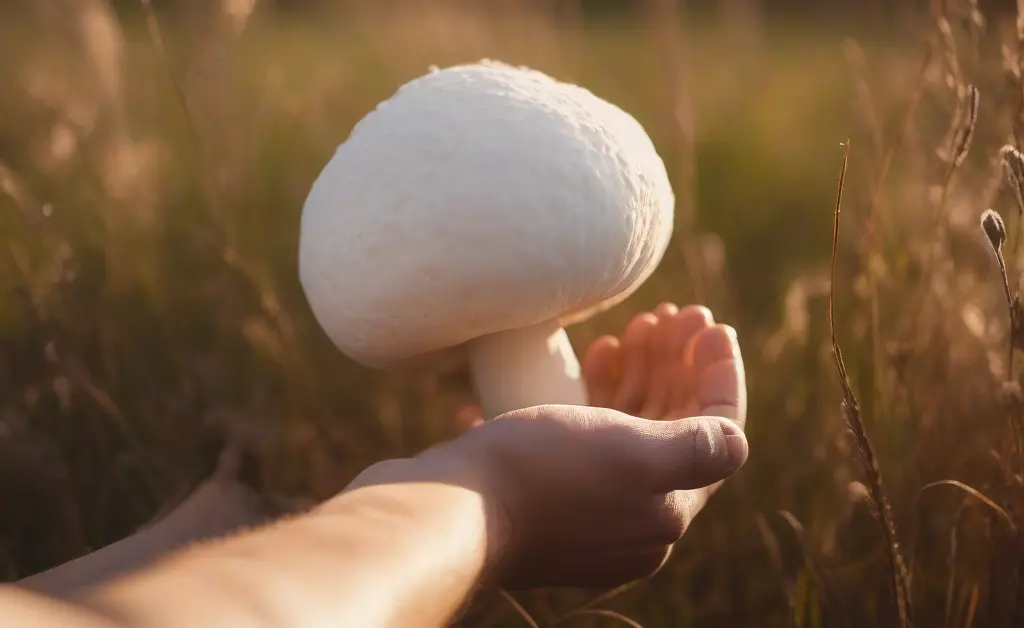
Embarking on the journey to harvest puffball mushrooms can be a rewarding experience for any nature enthusiast or culinary explorer. These unique fungi often appear in meadows, fields, and wooded areas, typically after rainfall during late summer and fall. Proper identification and careful harvesting techniques are paramount to ensure safety and preserve the delicate structure of the mushroom. Understanding the lifecycle and preferred habitats of puffballs will significantly enhance your chances of a successful forage. This comprehensive guide aims to provide you with the knowledge needed to approach this activity with confidence and care. To learn more about where to find them, explore where to find puffball mushrooms.
Key Characteristics of Edible Puffballs
Identifying edible puffball mushrooms is the critical first step in a safe foraging experience. Edible varieties are typically characterized by their spherical, pear, or club-like shapes, with a white to off-white exterior. When cut open, a true edible puffball will reveal a solid, uniformly white interior flesh, akin to a marshmallow or firm tofu, throughout its entire cross-section. There should be no discernible gills, stem structure, or any discoloration. The texture should be consistent and firm, not watery or slimy. As they mature, the interior will begin to turn yellow, then olive, and eventually dark brown, at which point they are no longer suitable for consumption as the spores develop.
Distinguishing Puffballs from Toxic Look-alikes
Foraging for puffball mushrooms requires a keen eye to avoid potentially dangerous look-alikes. The most critical distinction lies in the internal structure. Toxic look-alikes, such as young Amanita mushrooms (which are deadly poisonous), can appear puffball-like in their button stage. However, cutting an Amanita button in half will reveal the rudimentary forms of gills and a cap within, or at least a darkening outline of these structures. Another common look-alike is the Scleroderma genus, commonly known as earthballs. These fungi often have a tougher, scaly outer skin and, when cut open, will display a dark purple to black, firm, or powdery interior, sometimes with white marbling, never a pure white flesh. Always remember: if there are any signs of gills, a developing stem, or any internal color other than solid, pure white, it is not an edible puffball and should not be consumed. Understanding the puffball mushroom habitat can help in identification.
When can you harvest puffball mushrooms?
The timing for when you can harvest puffball mushrooms is often dependent on environmental factors and geographic location, though generally, late summer through autumn is prime season. These fungi typically thrive after periods of significant rainfall, which provides the necessary moisture for their development. Warm days followed by cooler nights can also contribute to their emergence. While some varieties may appear in spring or early summer, the larger and more commonly sought-after species are usually found in the latter half of the year. Always consult local foraging guides or experienced individuals to understand the typical fruiting seasons in your specific region. Learning about the puffball mushroom season is crucial for successful foraging.
When to Harvest Puffballs
Knowing when to harvest puffballs is essential for optimal flavor and texture. The ideal time is when they are still relatively young and firm. Their exterior should be unblemished and consistently white. More importantly, when you cut one open, the interior must be uniformly solid and bright white, without any yellowing, greenish, or purplish discoloration. Yellowing indicates the mushroom is beginning to mature and develop spores, which can impart an unpleasant taste and spongy texture. Large specimens can still be good, provided their interior remains pure white. If the mushroom feels soft or mushy, or if the interior shows any signs of dark discoloration or insect damage, it is past its prime and should be left undisturbed.
How to harvest puffball mushrooms at home
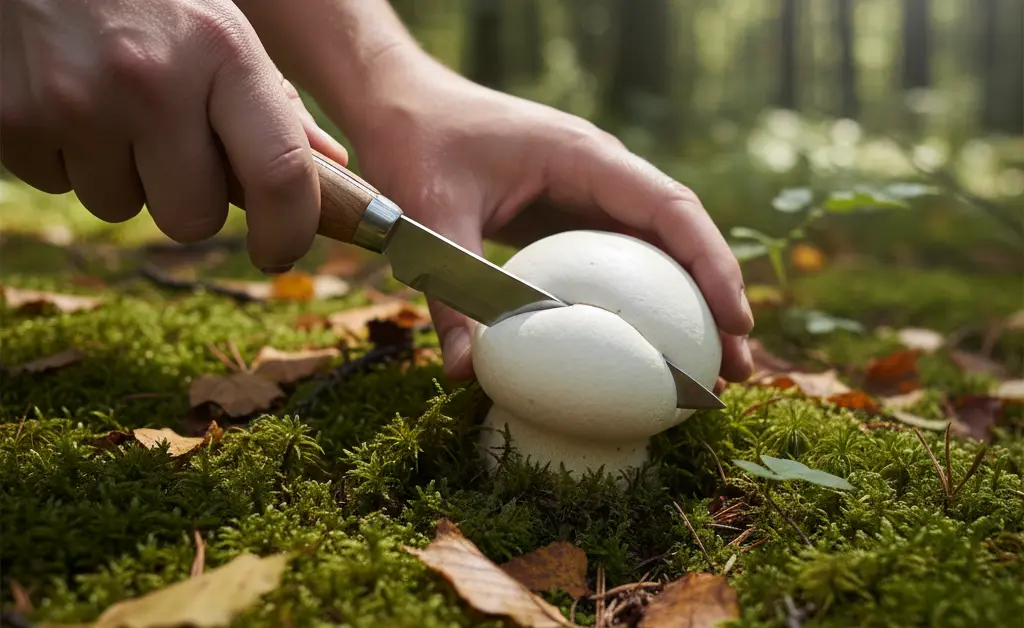
When you’re ready to harvest puffball mushrooms that you’ve confidently identified in your foraging area, the process should be gentle and respectful of the surrounding environment. To properly harvest puffball mushrooms, approach the specimen carefully. If you encounter puffballs growing in an unexpected location, such as a garden, the same principles apply. Ensure the mushroom is firm and the interior is solid white upon inspection. Using a sharp knife, cut the mushroom at the base of its attachment to the ground, leaving the mycelial network intact. This allows for potential regrowth. Avoid pulling the mushroom, as this can damage the mycelium. Place your harvested puffballs into a breathable container, like a mesh bag or basket, to prevent sweating and crushing during transport.
The Harvesting Process: Step-by-Step
Successfully harvesting puffball mushrooms involves a careful and systematic approach to ensure you gather quality specimens safely.
- **Identification:** Confirm with absolute certainty that the mushroom is an edible puffball by checking external characteristics and, if necessary, making a small slice to inspect the internal, uniformly white flesh.
- **Assessment:** Evaluate the mushroom’s condition. It should be firm to the touch, and the exterior should be free from significant damage, decay, or insect infestation.
- **Cutting:** Using a clean, sharp knife, carefully slice the mushroom at the base of its stalk, just above the ground. This method helps preserve the mycelial network, which is crucial for future growth.
- **Inspection (Post-Harvest):** Immediately after cutting, re-inspect the cut surface for any signs of discoloration, insect tunnels, or other anomalies. Discard any mushroom that shows these characteristics.
- **Placement:** Gently place the harvested puffball into a breathable container, such as a wicker basket or mesh bag. Avoid plastic bags, which can cause the mushrooms to sweat and spoil quickly.
- **Repeat:** Continue this process for other suitable specimens, always prioritizing careful identification and gentle handling to protect your harvest and the mushroom’s habitat.
Tools and Techniques for Harvesting
Having the right tools and employing proper techniques can greatly enhance your foraging experience when you harvest puffball mushrooms. A sharp knife, preferably a folding mushroom knife with a brush on one side, is indispensable for making clean cuts at the base of the mushroom without disturbing the mycelial mat. The brush can be used to gently remove loose soil or debris immediately after harvesting. A breathable basket or mesh bag is ideal for carrying your findings. This allows for air circulation, preventing the mushrooms from becoming moist and potentially spoiling quickly. When harvesting, always approach with a gentle touch. Cut cleanly at the base, and avoid pulling or tearing, which can damage the mushroom’s delicate structure and its ability to regrow in the future. Respect the natural environment by leaving the area as undisturbed as possible.
Cleaning Puffballs
Once you have harvested your puffball mushrooms, proper cleaning is essential before consumption. Avoid washing them under running water if possible, as mushrooms are like sponges and can absorb excessive moisture, affecting their texture and flavor. Instead, use a soft brush or a damp cloth to gently wipe away any dirt, debris, or insects from the exterior. For tougher spots, a slightly moistened paper towel may be used. If the puffball has any small, superficial blemishes or tough outer skin, you can carefully peel it away using a paring knife. Ensure the entire surface is clean and ready for cooking. Do not cut into the mushroom until you are ready to use it, as this can accelerate spoilage.
Storing Fresh Puffballs
Proper storage is key to extending the freshness of your harvested puffball mushrooms. After cleaning, avoid sealing them in airtight containers or plastic bags, as this traps moisture and encourages rapid spoilage. Instead, place the clean puffballs in a paper bag, such as a brown lunch bag, or wrap them loosely in a damp paper towel and place them in an unsealed container. Store them in the coolest part of your refrigerator. This method allows for some air circulation while maintaining a slight humidity, which helps keep them firm. Fresh puffballs are best consumed within a few days of harvesting for optimal taste and texture. Regularly check for any signs of deterioration, such as softening, discoloration, or an off smell.
Preserving Puffballs for Later Use
If you have an abundant harvest, knowing how to preserve puffball mushrooms allows you to enjoy them long after their season. Freezing is a common and effective method. First, clean the puffballs thoroughly and slice them into preferred cooking sizes. Some foragers prefer to lightly sauté or blanch the slices before freezing to help retain texture and flavor, though they can also be frozen raw. Spread the slices in a single layer on a baking sheet and freeze until solid, then transfer them to freezer-safe bags or containers, removing as much air as possible. Another option is drying, especially for smaller or thinly sliced puffballs. Use a dehydrator or oven on the lowest setting until the slices are brittle. Store dried puffballs in airtight containers away from light and heat. While less common, pickling puffballs is also an option, offering a unique tangy flavor.
The journey of harvesting puffball mushrooms is one that intertwines appreciation for nature with the joy of culinary discovery. From the careful identification in the wild to the precise techniques of gathering and the thoughtful processes of preparation and preservation, each step contributes to a rewarding experience. With the knowledge of distinguishing edible puffballs from their toxic counterparts, understanding the optimal timing for harvest, and employing respectful practices, foragers can confidently bring these unique fungi from forest to table. May your future forays into the world of puffball mushrooms be both safe and bountiful, enriching your kitchen with their distinct earthy flavors.
This information should be viewed as educational rather than medical advice. Engaging in wild mushroom foraging carries inherent risks, including the potential for misidentification of species, which could lead to adverse health effects. It is crucial to exercise extreme caution and always confirm identification with an expert or reliable field guide before consuming any wild mushroom. This content is for informational purposes only and does not substitute for professional guidance or consultation. For general health information, consult the WHO.
FAQ
What do you do with puffball mushrooms after picking them?
Continue reading
You May Also Like

Where to Buy Fresh and Dried Puffball Mushrooms?
Our guide to semaglutide for weight loss reviews its clinical efficacy, side effects, and cost to help you evaluate if it's the right choice.
How to Fry Puffball Mushrooms to Golden Perfection
This step-by-step guide provides a complete recipe for fried puffball mushroom, covering preparation, batter, and the best frying technique.

A Forager's Guide to the Giant Puffball Mushroom
A practical guide to safely identify the edible giant puffball mushroom, from its key features to the dangerous look-alikes you must avoid.