
How to Make Mushroom Capsules: A Complete DIY Guide
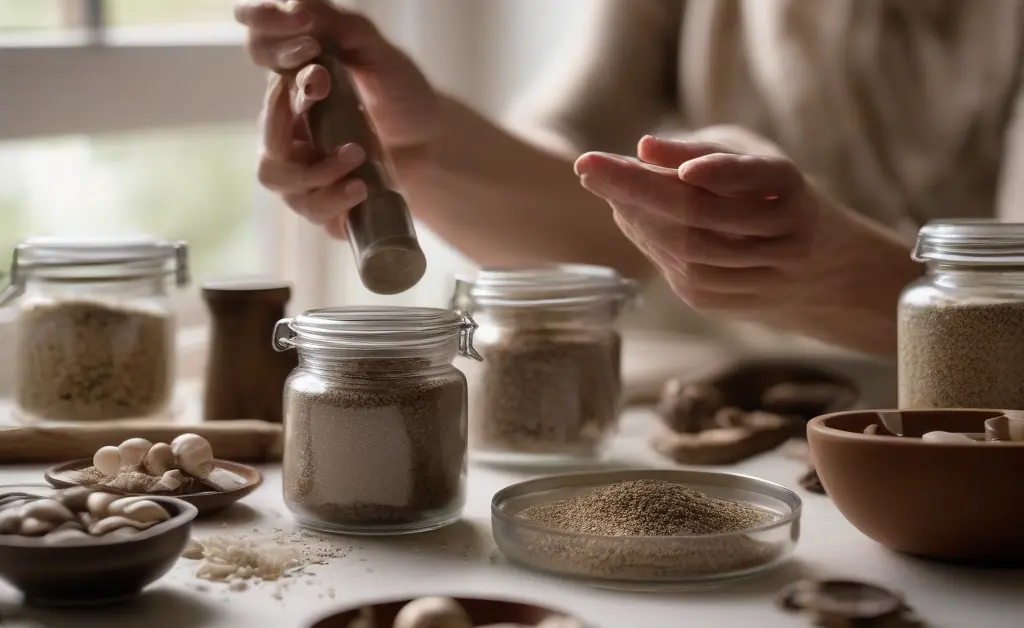
In recent years, there’s been a noticeable shift towards incorporating natural remedies and superfoods into daily wellness routines. As people become more conscious about what they consume, medicinal mushrooms have gained significant traction for their diverse health benefits, moving from niche health stores to mainstream awareness. This growing enthusiasm for holistic well-being often leads individuals to seek personalized and controllable methods for supplement intake. This guide delves into the practical aspects of how to make mushroom capsules, offering a detailed pathway for those looking to harness the power of fungi in a convenient, self-prepared form, ensuring quality and tailored dosages directly from your home.
Understanding Mushroom Capsules
What are Mushroom Capsules?
Mushroom capsules are a convenient and efficient way to consume concentrated forms of medicinal mushrooms. Essentially, they involve finely ground mushroom powder or a potent mushroom extract encapsulated within a dissolvable shell, typically made from gelatin or a plant-based material like cellulose. This method offers several advantages, including precise measurement, ease of consumption, and masking the earthy taste that some people find unappealing. They are designed for regular intake as part of a wellness regimen. Learn more about mushroom capsules.
Benefits of Homemade Mushroom Capsules
Creating your own mushroom capsules at home offers a unique set of benefits. Foremost among these is unparalleled control over the quality and purity of your supplements. You can personally select high-quality mushroom varieties, ensuring they are free from unwanted additives, fillers, or undisclosed ingredients often found in commercial products. Homemade capsules also provide the flexibility to customize blends, combine different mushroom species, or adjust concentrations to suit individual preferences and wellness goals. This approach can be more cost-effective in the long run and provides a deeper connection to the health practices you adopt.
Safety Considerations
While making your own mushroom capsules can be a rewarding endeavor, safety must remain a top priority. It is crucial to use only clearly identified and reputable sources for your mushrooms to avoid any risk of misidentification, especially if foraging. Ensure all equipment used for drying, grinding, and encapsulation is thoroughly cleaned and sanitized to prevent contamination. Proper storage is also vital to maintain potency and prevent spoilage. Always be mindful of your own body’s reactions and consider consulting with a healthcare professional before integrating new supplements into your routine, particularly if you have existing health conditions or are taking other medications. The National Library of Medicine offers extensive information on health and wellness topics.
Choosing the Right Mushrooms for Capsules
Sourcing High-Quality Mushrooms
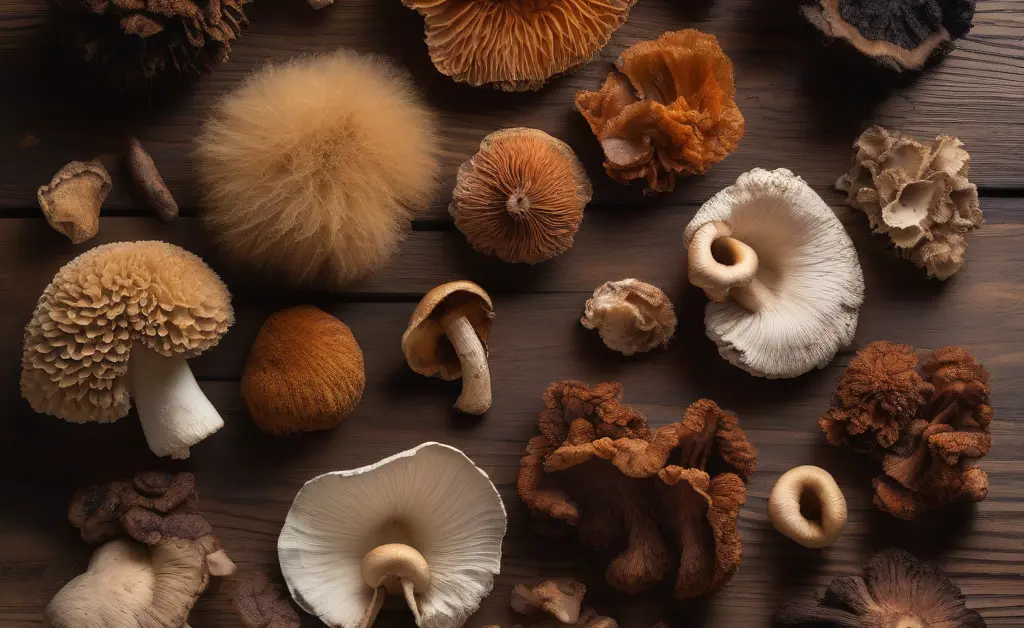
The foundation of effective mushroom capsules lies in the quality of the raw materials. When sourcing mushrooms, prioritize reputable suppliers who can provide information about their cultivation practices, such as organic certification or sustainable wild-harvesting methods. For medicinal purposes, common choices include Lion’s Mane, known for cognitive support, Reishi, often associated with relaxation and immune modulation, and Chaga, studied for its antioxidant properties. Distinguish between culinary mushrooms, which are primarily for food, and medicinal varieties, which are specifically sought for their bioactive compounds. Opting for dried mushrooms from trusted vendors or cultivating your own can ensure purity and potency for your homemade mushroom supplements.
How To Make Dried Mushroom Capsules
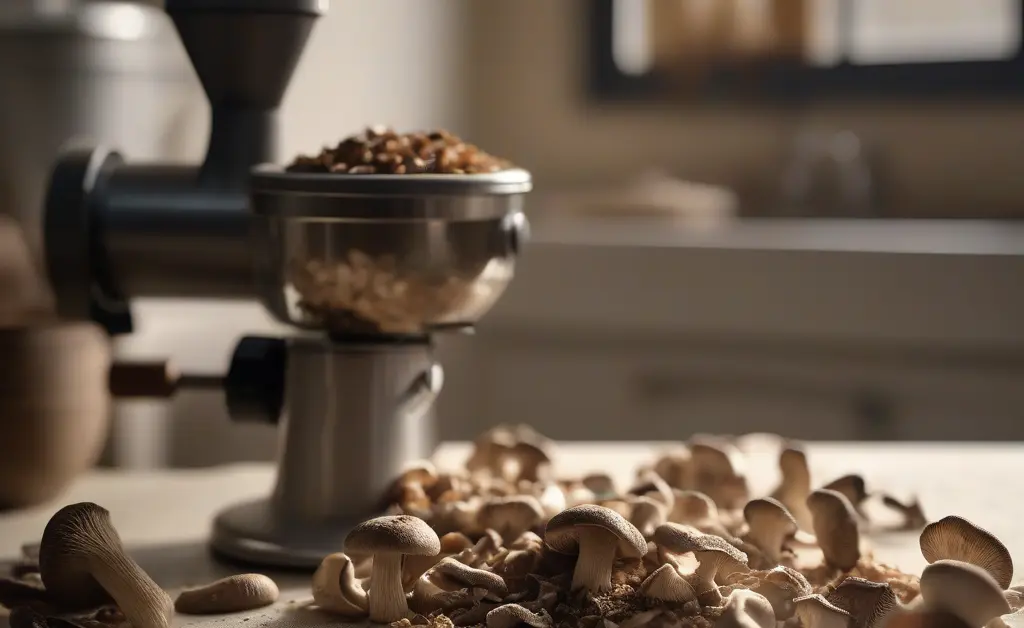
For those interested in a straightforward approach to how to make mushroom capsules, starting with dried mushrooms is an excellent method. This process ensures the material is stable and ready for grinding into a fine powder suitable for encapsulation.
Drying Mushrooms
Properly drying your mushrooms is a critical step to preserve their beneficial compounds and prevent spoilage, such as mold growth. If you are starting with fresh mushrooms, they need to be thoroughly dried until they are brittle. A food dehydrator set at a low temperature (typically below 120°F or 50°C) is ideal, as it provides consistent heat and air circulation. Alternatively, air drying in a well-ventilated, low-humidity environment can work, though it takes longer. The goal is to remove all moisture, leaving the mushrooms crisp and easy to break.
Grinding Mushrooms
Once your mushrooms are thoroughly dried, the next step is to grind them into a very fine powder. A dedicated coffee grinder or spice grinder works exceptionally well for this purpose. Ensure the grinder is clean and dry before use. Process the dried mushroom pieces in small batches to achieve a consistent, flour-like texture. The finer the powder, the easier it will be to fill the capsules evenly and ensure optimal absorption. A fine mesh sieve can be used to sift the powder, re-grinding any larger particles.
How to Make Mushroom Powder
Tools for Encapsulation
To efficiently transform your mushroom powder into capsules, you’ll need a few essential tools. The primary piece of equipment is a capsule filling machine, which comes in manual or semi-automatic models and significantly speeds up the process. You’ll also need a capsule tamper to compact the powder, ensuring a denser fill. Empty capsules, available in various sizes (e.g., ’00’, ‘0’, ‘1’) and materials (gelatin or vegetarian HPMC), are crucial. A small brush or scraper helps distribute the powder evenly across the capsule tray, and a clean workspace is paramount for hygiene. These tools collectively simplify the task of creating homemade mushroom supplements.
You can find a specialized capsule filling machine to assist with this process.
DIY Mushroom Supplements
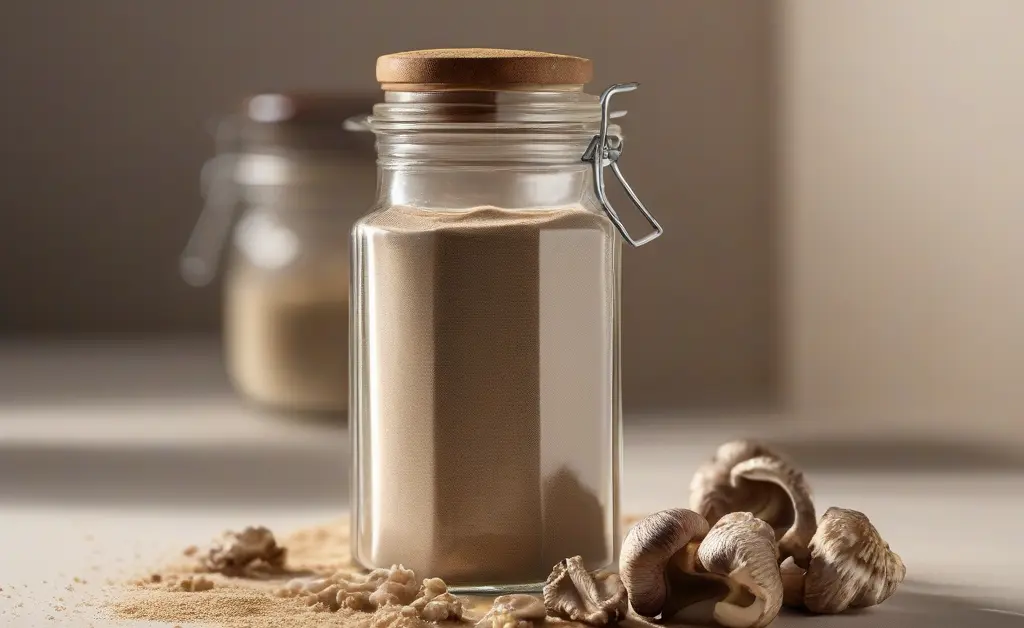
Creating your own DIY mushroom supplements, especially those derived from extracts, allows for a more potent product. This advanced method of how to make mushroom capsules involves concentrating the beneficial compounds before encapsulation.
Preparing Mushrooms for Extraction
Before any extraction can begin, the mushrooms need proper preparation. This typically involves cleaning them thoroughly to remove any dirt or debris. Depending on the extraction method chosen, the mushrooms may then need to be chopped or shredded into smaller pieces. This increases their surface area, allowing for more efficient extraction of the desired compounds. Ensuring the mushrooms are relatively dry or uniformly sized will contribute to a more consistent and effective extraction process.
The Extraction Process
Mushroom extraction is key to concentrating their beneficial compounds. Common methods include water-based extraction, where mushrooms are simmered to draw out water-soluble compounds like polysaccharides (beta-glucans). Alcohol-based extraction, also known as solvent-based extraction, uses alcohol to extract compounds like triterpenes that are not water-soluble. For a comprehensive profile, a dual extraction method is often employed, combining both water and alcohol extraction sequentially to capture the widest range of beneficial compounds. The resulting liquid extract is then often concentrated through evaporation to increase its potency.
Encapsulating Your Mushroom Extract
Once you have a concentrated mushroom extract, the next step involves preparing it for encapsulation. If your extract is a liquid, it typically needs to be further reduced or dehydrated into a solid, resin-like substance or mixed with an inert carrier powder to make it suitable for filling capsules. This ensures the extract is stable and can be accurately measured. The goal is to achieve a form that is dry and fine enough to flow through the capsule machine without clumping, maintaining the integrity of the concentrated compounds.
Filling Capsules
With your mushroom powder or dried extract ready, the actual capsule filling process can begin. Place your empty capsules into the capsule machine’s tray. Separate the cap from the body of each capsule, usually by placing them in a designated holder and pressing down. Pour your prepared mushroom material over the capsule bodies, spreading it evenly with a scraper or card. Use a tamper to compress the powder firmly into the capsules; this helps ensure a consistent fill and maximizes the amount of active ingredient per capsule. Once filled, place the caps back onto the bodies and press them together to seal. This method allows for efficient production of numerous homemade mushroom capsules.
For this step, you will need specific empty mushroom capsules.
Dosage and Usage Recommendations
When considering how to make mushroom capsules for personal use, understanding potential dosage and usage is crucial, though specific quantities should always be approached with caution and personal consultation.
Determining Potency
The potency of your homemade mushroom capsules can vary significantly based on several factors, including the species of mushroom, growing conditions, processing methods, and whether you are using whole mushroom powder or a concentrated extract. Unlike commercially standardized products, homemade capsules do not come with a guaranteed level of active compounds. Therefore, it is challenging to precisely determine the concentration of beneficial substances. Consistency in your preparation methods is key to achieving a more predictable product, but always acknowledge the inherent variability.
Recommended Dosages
Providing specific dosage recommendations for homemade mushroom capsules is not advisable due to the variability in potency and individual response. However, a common principle in herbal and supplement use is to “start low and go slow.” This means beginning with a very small amount and gradually increasing it while carefully observing your body’s reactions. Individual needs and sensitivities differ, so what works for one person may not be suitable for another. Consulting with a qualified health practitioner is always recommended to discuss appropriate intake for your specific circumstances.
When to Take Mushroom Capsules
The optimal time to take mushroom capsules can depend on the specific mushroom variety and the desired effects. For example, some people prefer to take certain adaptogenic mushrooms in the morning to support daytime focus and energy. Others might choose specific types in the evening for their potential calming properties, aiding in relaxation before sleep. Listening to your body and noting how you feel after intake can help you determine the best schedule for your personal routine. Consistency is often more important than timing for many mushroom supplements.
Storage and Shelf Life
Proper Storage Conditions
To maintain the potency and extend the shelf life of your homemade mushroom capsules, proper storage is essential. They should be stored in an airtight container, preferably glass, to protect them from moisture and oxygen. The container should then be kept in a cool, dark, and dry place, away from direct sunlight, heat, and humidity. These conditions help prevent degradation of the active compounds, inhibit mold growth, and keep the capsules fresh for longer. Labeling your containers with the mushroom type and date of creation is also a good practice.
How Long Do Mushroom Capsules Last?
The shelf life of homemade mushroom capsules can vary depending on whether they contain dried mushroom powder or an extract, as well as how they are stored. Generally, capsules made from well-dried, finely ground mushroom powder, stored correctly in airtight containers away from light and moisture, may retain potency for several months to a year. Capsules containing extracts might have a slightly different shelf life based on the extract’s stability. Any noticeable changes in color, smell, or texture could indicate spoilage, and such capsules should be discarded. It is always best to use them within a reasonable timeframe to ensure maximum efficacy.
Embarking on the journey of crafting your own mushroom capsules offers a fulfilling way to integrate the benefits of medicinal fungi into your daily life. This comprehensive guide has walked through the essential steps, from sourcing quality mushrooms and understanding extraction methods to the practicalities of encapsulation and proper storage. By taking control of the process, you gain the assurance of knowing exactly what goes into your supplements, tailored to your personal wellness goals. This hands-on approach not only fosters a deeper connection with your health regimen but also empowers you to create high-quality, personalized mushroom supplements right from your home.
The content presented here is not a substitute for professional medical guidance. It is intended for informational purposes only and should not be used to diagnose, treat, cure, or prevent any disease. Always consult with a qualified healthcare professional before making any decisions about your health, especially when considering new supplements or dietary changes. Individual results may vary, and the information provided does not guarantee specific outcomes.
FAQ
Can you make capsules from dried mushrooms?
Yes, dried mushrooms can be processed into a powder that is then used to fill capsules. Ensuring the mushrooms are thoroughly dried is important for preservation and for achieving a fine powder suitable for encapsulation.
How potent are homemade mushroom capsules?
The potency of homemade mushroom capsules can vary significantly depending on the mushroom species, the growing conditions, and the preparation methods used. Factors such as the concentration of beneficial compounds in the original mushroom material will directly influence the final potency.
Continue reading
You May Also Like
How to Make Mushroom Gummies: A Simple Step-by-Step Guide
Our comprehensive guide provides the essential steps for how to make mushroom gummies, from selecting the right fungi to ensuring a safe, potent batch.
how to grow edible mushrooms at home (Beginner's Guide)
Enjoy a fresh, delicious harvest with our beginner's guide on how to grow edible mushrooms at home, covering everything from substrate to harvest.
how to grow mushrooms in a cardboard box | Step-by-Step
Our step-by-step guide demonstrates how to grow mushrooms in a cardboard box with a simple, reliable method that works for beginners.