
How to Make Unforgettable Creamy Mushroom Soup
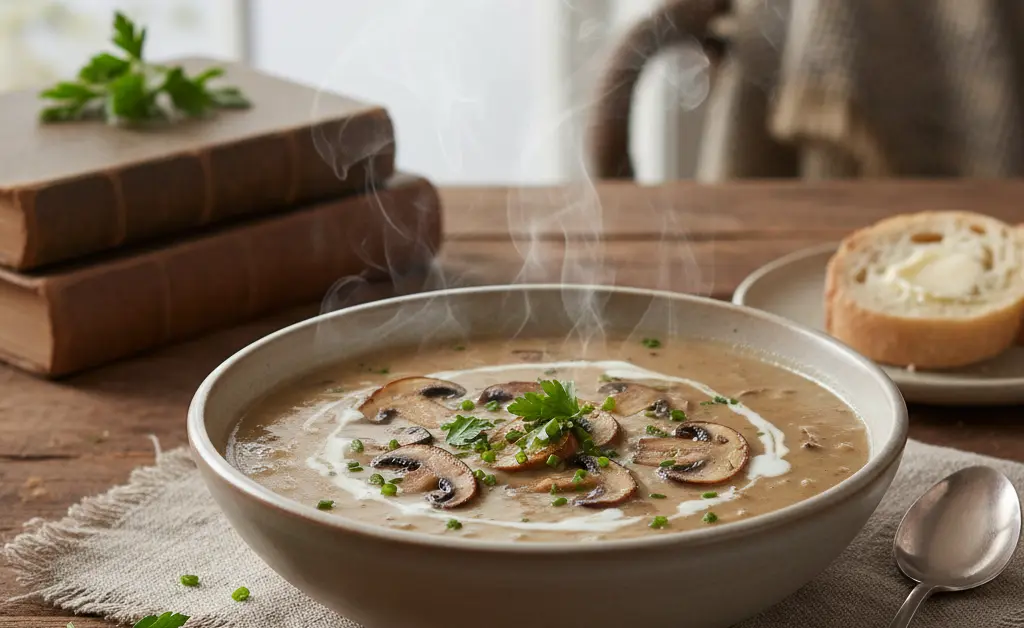
While many home cooks might believe that achieving a restaurant-quality Creamy Mushroom Soup requires complex techniques or a pantry stocked with specialty ingredients, the reality is far more approachable. Often, the perceived difficulty overshadows the simplicity of its core components and the straightforward steps involved in transforming humble mushrooms into a velvety, flavorful experience. This guide aims to demystify the process, demonstrating that a rich, comforting bowl of this classic can be an effortless culinary triumph for anyone. By focusing on fundamental principles and accessible methods, you’ll discover how to create a truly unforgettable soup that impresses without demanding extensive culinary expertise.
The Foundation: Choosing Your Mushrooms
The selection of mushrooms forms the very essence of a delightful Creamy Mushroom Soup. The varieties you choose will significantly influence the overall flavor profile and texture, contributing to the depth and richness of this beloved comfort food. A mindful selection ensures a robust and authentic taste experience.
Best Mushroom Varieties for a Rich Flavor Profile
For a truly exceptional soup, a blend of mushroom varieties can offer a complex and deeply satisfying umami taste. Common choices include cremini mushrooms, also known as baby bellas, which provide a mild, earthy flavor and a pleasing texture. White button mushrooms are widely available and offer a delicate taste, while shiitake mushrooms contribute a more intense, savory note. Oyster mushrooms can add a subtle, slightly peppery flavor. Combining a few of these varieties often yields a more sophisticated and layered flavor than using just one type. Consider the unique contributions each brings to the table to create a harmonious blend. You can explore various oyster mushroom recipes for inspiration.
Tips for Selecting Fresh Mushrooms
When selecting mushrooms, always prioritize freshness. Look for mushrooms that are firm to the touch, free from dark spots, and have a uniform color. Their caps should be intact and not shriveled or slimy. Avoid any mushrooms that appear overly wet or have a strong, unpleasant odor. Store fresh mushrooms in a paper bag in the refrigerator to allow them to breathe and maintain their quality until you are ready to use them for your Creamy Mushroom Soup.
Essential Ingredients for an Authentic Creamy Mushroom Soup
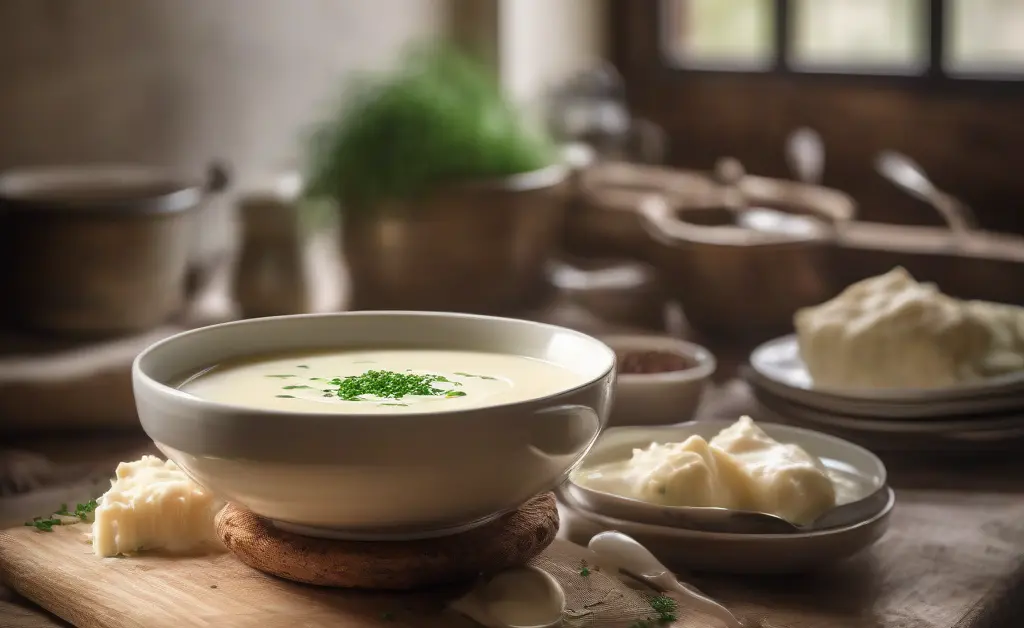
Beyond the mushrooms, a few key ingredients are indispensable for crafting a truly authentic and flavorful creamy mushroom soup. Each component plays a crucial role in building the desired richness, aroma, and luxurious texture that makes this soup so appealing. From the dairy to the aromatics, attention to these details can elevate a simple dish into something extraordinary.
Dairy Options for Creaminess
The characteristic creamy texture of this soup is typically achieved through dairy. Heavy cream is a popular choice, imparting a luxurious, velvety mouthfeel and a rich flavor. For a slightly lighter but still decadent option, half-and-half can be used. Whole milk can also contribute to creaminess, though it will result in a less rich soup. If you are exploring dietary considerations, various plant-based alternatives, such as full-fat coconut milk or cashew cream, can be used to achieve a similar creamy consistency while offering unique flavor nuances.
Aromatic Vegetables and Herbs
Aromatic vegetables and fresh herbs lay the foundational flavor base for the soup. Onions and garlic are classic choices, providing a sweet and pungent depth when properly sautéed. Shallots can offer a more delicate, nuanced flavor. Fresh herbs such as thyme, rosemary, or a bay leaf complement the earthy notes of the mushrooms beautifully. A touch of freshly ground black pepper and a pinch of salt are also essential for seasoning and enhancing the natural savory flavors. For a richer flavor profile from mushrooms, consider exploring cremini mushroom quiche.
Broth Selection for Depth of Flavor
The broth you choose significantly impacts the overall depth and character of the Creamy Mushroom Soup. A good quality vegetable broth is an excellent choice for a vegetarian version, providing a clean and savory backdrop that allows the mushroom flavor to shine. For those who prefer a richer profile, a light chicken broth can also be used. Opt for low-sodium varieties to have better control over the final seasoning of your soup, ensuring it is perfectly balanced to your taste.
Step-by-Step Guide to Crafting Your Creamy Mushroom Soup
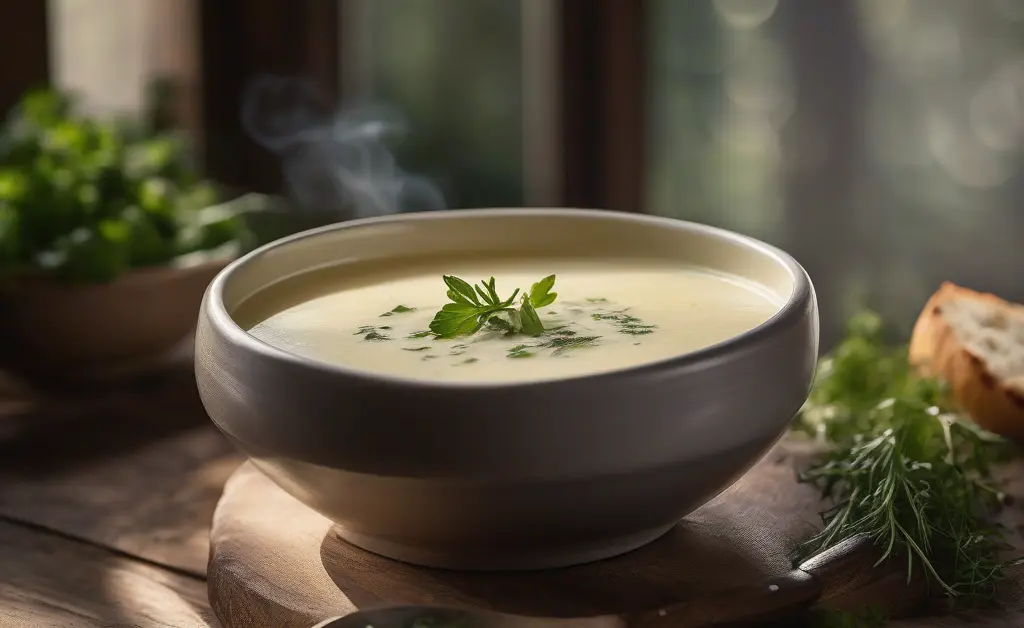
Creating a restaurant-quality Creamy Mushroom Soup at home is a process that, when broken down, becomes incredibly approachable. Each step is designed to build layers of flavor and achieve that coveted silky texture. Following these stages methodically will guide you to a truly rewarding culinary experience.
Sautéing Mushrooms to Perfection
The key to maximizing the flavor of your mushrooms lies in proper sautéing. Begin by heating a generous amount of butter or olive oil in a large pot or Dutch oven over medium-high heat. Add your sliced mushrooms in a single layer if possible, avoiding overcrowding the pan. This allows them to brown beautifully and release their moisture, intensifying their savory notes. Stir occasionally, letting them develop a rich, golden-brown color before removing them from the pot and setting them aside. This process is crucial for a deeply flavored Creamy Mushroom Soup. If you’re interested in preparing mushrooms in other ways, you might learn how to cook oyster mushrooms.
Building the Flavor Base
With the mushrooms set aside, use the same pot to build the foundational flavor base. Reduce the heat to medium and add a bit more butter or oil if needed. Sauté your chopped onions or shallots until they are softened and translucent, then add minced garlic and cook for another minute until fragrant. This creates an aromatic canvas for the rest of your ingredients. If there are any browned bits stuck to the bottom of the pan, deglaze with a splash of broth or white wine, scraping them up to incorporate all those delicious caramelized flavors into your soup base.
Simmering and Thickening Techniques
Once the aromatics are fragrant, stir in a spoonful or two of flour to create a roux, cooking it for a couple of minutes to eliminate any raw flour taste. Gradually whisk in your chosen broth, ensuring there are no lumps, and bring the mixture to a gentle simmer. At this point, you can return the sautéed mushrooms to the pot, along with any herbs like thyme or a bay leaf. Allow the soup to simmer gently for about 15-20 minutes, giving the flavors time to meld and deepen. The roux will help to naturally thicken the soup to a pleasing consistency.
Achieving the Ideal Creamy Consistency
The final touch for your Creamy Mushroom Soup is incorporating the dairy. Reduce the heat to low and slowly stir in your heavy cream, half-and-half, or chosen dairy alternative. It’s important not to boil the soup after adding the cream, as this can cause it to curdle. Allow the soup to warm through gently, stirring until it reaches your desired creamy consistency. Taste and adjust seasonings with salt and pepper as needed. For an even smoother texture, you may use an immersion blender to partially blend a portion of the soup, leaving some mushroom pieces intact for texture.
Elevating Your Creamy Mushroom Soup
While a well-made Creamy Mushroom Soup is delightful on its own, there are several ways to enhance its presentation and flavor, transforming it into an even more memorable dish. Thoughtful garnishes, strategic serving suggestions, and proper storage can ensure that every bowl is a special experience.
Garnishes and Toppings
Garnishes not only add visual appeal but can also introduce fresh textures and complementary flavors. A sprinkle of freshly chopped parsley, chives, or dill can brighten the soup’s rich color and add a herbaceous note. Crispy croutons or toasted breadcrumbs provide a welcome crunch. For an extra touch of decadence, a swirl of crème fraîche, sour cream, or even a drizzle of truffle oil can elevate the aroma and taste. Consider lightly sautéed mushroom slices as a simple yet elegant topping for your Creamy Mushroom Soup.
Serving Suggestions
Creamy Mushroom Soup is incredibly versatile. It can be served as a sophisticated appetizer or as a comforting main course, especially when paired with crusty bread for dipping. A fresh green salad or a light sandwich can accompany it for a more substantial meal. It also makes an excellent starter for a holiday dinner or a cozy weekend lunch. Serve it warm in preheated bowls to maintain its comforting temperature for longer.
Storage and Reheating Tips
To store leftover Creamy Mushroom Soup, allow it to cool completely before transferring it to an airtight container. It can be refrigerated for a few days. When reheating, do so gently over low heat on the stovetop, stirring occasionally. If the soup has thickened too much, you can thin it with a splash of broth or milk. Avoid boiling, especially if made with dairy, to prevent curdling. Freezing is also an option, though the texture of the cream may change slightly upon thawing and reheating; an immersion blender can often help restore the consistency.
Dietary Adaptations for Creamy Mushroom Soup

One of the wonderful aspects of Creamy Mushroom Soup is its adaptability to various dietary needs and preferences. With a few thoughtful substitutions, it’s possible to create a version that caters to vegetarian, vegan, and gluten-free diets without compromising on flavor or that signature creamy texture. These modifications ensure that everyone can enjoy a bowl of this comforting classic.
Vegetarian and Vegan Alternatives
For a vegetarian Creamy Mushroom Soup, ensure that you use a vegetable broth rather than chicken or beef broth. Beyond that, most traditional recipes are already vegetarian-friendly. To make the soup fully vegan, replace dairy cream with plant-based alternatives. Full-fat coconut milk can offer a rich, subtly sweet creaminess, while unsweetened almond milk or cashew cream can provide a neutral base. Some commercial vegan creams made from soy, oat, or pea protein are also excellent choices for achieving that desired velvety consistency. Using olive oil instead of butter for sautéing completes the vegan transformation. For those interested in preserving mushrooms, explore puffball mushroom jerky.
Gluten-Free Modifications
To make Creamy Mushroom Soup gluten-free, the primary adjustment typically involves the thickening agent. If a recipe calls for all-purpose flour to create a roux, simply substitute it with a gluten-free flour blend, rice flour, or cornstarch. When using cornstarch, it’s best to create a slurry by mixing it with a small amount of cold liquid before adding it to the simmering soup to prevent lumps. Ensure that your chosen broth is also certified gluten-free, as some commercial broths may contain gluten-containing ingredients. These simple changes allow individuals with gluten sensitivities to fully enjoy this rich and flavorful soup. Ensuring food safety is paramount, and the FDA provides important guidelines.
The journey to creating an unforgettable Creamy Mushroom Soup is less about complex culinary prowess and more about embracing simple, thoughtful techniques. From selecting the freshest mushrooms that lay the foundation for rich, savory flavors to understanding how each ingredient contributes to the final creamy texture, every step builds towards a deeply satisfying experience. This classic comfort food, adaptable to various dietary preferences, proves that even the most impressive dishes can be achieved with accessible methods. The warmth, aroma, and velvety consistency of a homemade bowl are truly rewarding, offering a culinary triumph that’s both comforting and elegant.
This information should be viewed as educational rather than medical advice. It is important to remember that dietary choices and cooking methods can impact overall health. Always consult with a qualified healthcare professional or registered dietitian for personalized advice regarding your specific nutritional needs or any health concerns you may have. The content provided is for general knowledge and informational purposes only, and does not constitute medical advice, diagnosis, or treatment.
FAQ
What are adaptogens?
Adaptogens are a class of herbs and mushrooms that have been studied for their ability to help the body better manage stress. They are thought to work by supporting the body’s natural response systems, promoting a sense of balance.
What is Lion’s Mane mushroom?
Lion’s Mane is a unique-looking mushroom known for its distinctive cascading, shaggy appearance. It is recognized for its potential to support cognitive functions and nerve health.
How do functional mushrooms differ from culinary mushrooms?
Functional mushrooms are primarily valued for their beneficial compounds, which are believed to support various aspects of well-being. Culinary mushrooms, while also nutritious, are mainly consumed for their taste and texture in cooking, like those you might find in a delicious Creamy Mushroom Soup.
What is Reishi mushroom known for?
Reishi is often referred to as the “mushroom of immortality” and is traditionally used for its calming properties. It is known for its potential to support relaxation and overall balance within the body.
What makes Chaga mushroom unique?
Chaga mushroom grows on birch trees in cold climates and has a distinctive appearance resembling burnt charcoal. It is rich in antioxidants and has been explored for its immune-supportive qualities.
Continue reading
You May Also Like
How to Make Unforgettable Creamy Mushroom Soup
This easy-to-follow recipe guides you through making a rich and flavorful creamy mushroom soup using simple ingredients for a perfect result.
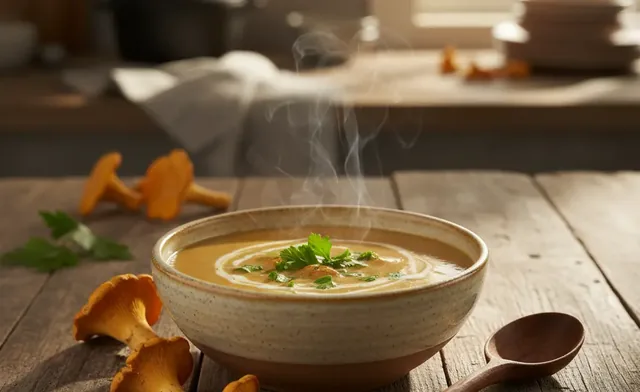
A Simple Recipe for Creamy Chanterelle Mushroom Soup
Make a deeply flavorful and creamy soup with our easy chanterelle mushroom soup recipe, complete with simple steps for a traditional comfort food.
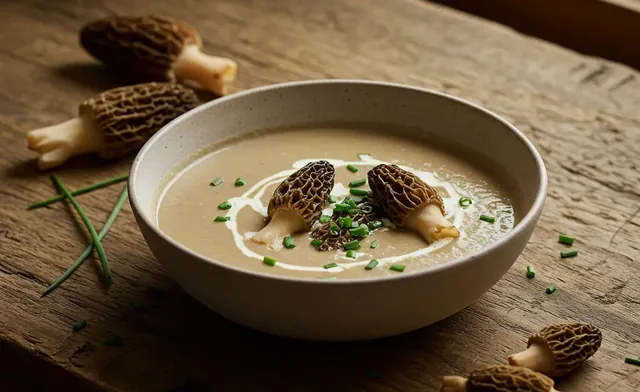
A Chef’s Guide to Creamy Morel Mushroom Soup
Create a rich and velvety morel mushroom soup from scratch with our simple, step-by-step recipe that also includes storage and serving tips.