
How to Make Unforgettable Creamy Mushroom Soup
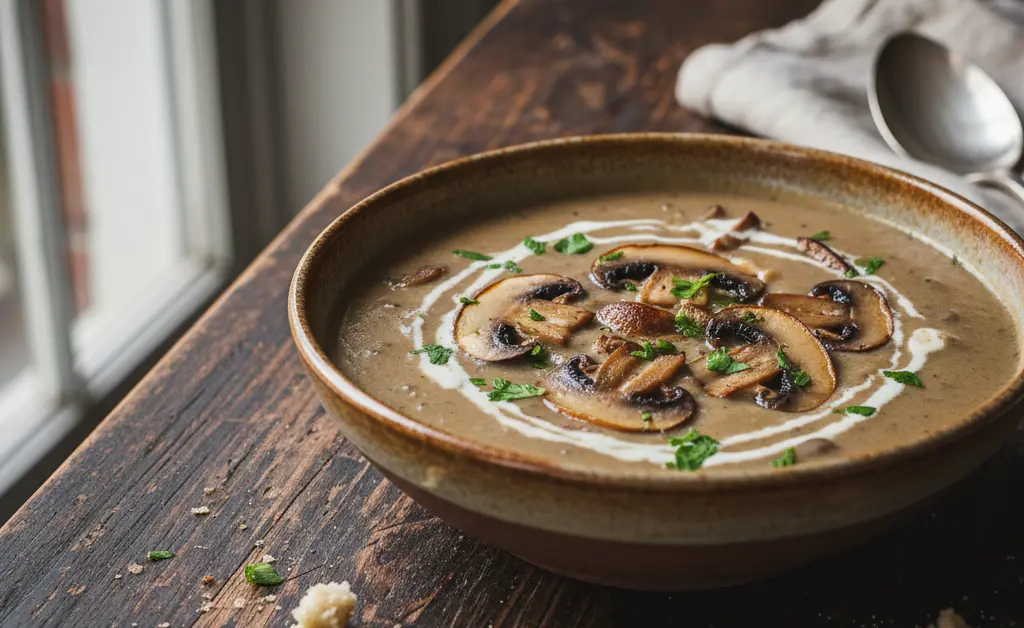
Many home cooks assume that achieving a restaurant-quality soup at home requires extensive culinary skills or exotic ingredients. This perception often leads to relying on pre-made options that lack the depth and freshness of a truly homemade dish. However, crafting an exceptional Creamy Mushroom Soup is far more accessible than typically imagined, requiring only a few readily available components and straightforward techniques. By understanding the foundational steps and focusing on ingredient quality, anyone can create a rich, velvety, and intensely flavorful soup that stands head and shoulders above its ready-made counterparts. This guide will demystify the process, demonstrating how simple it is to bring a gourmet experience to your kitchen.
Essential Ingredients for Creamy Mushroom Soup
The foundation of any outstanding soup lies in the quality and balance of its ingredients. For a truly unforgettable Creamy Mushroom Soup, selecting fresh components and understanding their role in the overall flavor profile is key. Each element contributes to the soup’s complexity, texture, and aroma, creating a comforting and savory experience.
Fresh Mushrooms
Mushrooms are, naturally, the star of this dish. Opt for firm, unblemished mushrooms that have an earthy scent. While simple white button mushrooms are a good starting point, exploring varieties like cremini (baby bellas), shiitake, or even a mix of wild mushrooms can significantly elevate the flavor. Cleaning them gently with a damp cloth or soft brush, rather than rinsing under water, helps preserve their texture and prevents them from absorbing too much liquid. For more ideas on mushroom preparations, explore these oyster mushroom recipes.
Aromatics (Onion, Garlic)
Onions and garlic form the aromatic backbone of the soup, providing a deep, savory base. Finely dicing these ensures that their flavors are evenly distributed and meld seamlessly into the soup without creating large, obtrusive pieces. Sautéing them until translucent and fragrant unlocks their full potential, contributing to the rich profile of the Creamy Mushroom Soup.
Cream and Milk
The “creamy” aspect of the soup is achieved through a combination of dairy. Heavy cream provides luxurious richness and a silky mouthfeel, while milk (whole milk often preferred) helps to thin the soup to the desired consistency without sacrificing flavor. Some recipes might use half-and-half as a balance, offering a slightly lighter option than heavy cream alone. The careful incorporation of these ingredients is crucial for achieving the signature texture.
Broth (Vegetable or Chicken)
A good quality broth is essential for depth of flavor. Vegetable broth is an excellent choice for a vegetarian option and provides a clean, earthy base that allows the mushroom flavor to shine. Chicken broth can add another layer of savory richness. Using a low-sodium variety allows for better control over the final seasoning of your Creamy Mushroom Soup. Consider the rich flavor profile of a homemade porcini mushroom broth for an enhanced base.
Seasonings and Herbs
Beyond salt and black pepper, which are fundamental, a few key seasonings and herbs can dramatically enhance the soup. Fresh thyme or dried thyme complement mushrooms beautifully, as does a touch of nutmeg for warmth. A bay leaf can be added during simmering and removed before serving. White pepper is often preferred over black pepper in creamy soups to maintain a lighter color.
Step-by-Step Guide to Creamy Mushroom Soup
Crafting a delicious Creamy Mushroom Soup involves a sequence of steps designed to build flavor layer by layer. Following these stages ensures a harmonious blend of ingredients and a truly satisfying result, transforming simple components into a gourmet delight.
Sautéing the Mushrooms and Aromatics
The initial step is critical for developing deep flavor. Begin by sautéing the sliced mushrooms in a hot pan with a bit of butter or oil. Resist overcrowding the pan; work in batches if necessary to allow the mushrooms to brown beautifully rather than steam. This browning creates a rich, nutty, umami flavor. Once the mushrooms are golden, add the diced onions and minced garlic, cooking them until they are softened and fragrant. This combination forms the aromatic heart of the soup.
Building the Flavor Base
After the aromatics are cooked, it’s time to build the flavor base. Often, a small amount of flour is stirred into the mushroom and onion mixture to create a roux. This roux not only contributes to the thickening of the Creamy Mushroom Soup later but also helps to bind the flavors. Deglazing the pan with a splash of wine (like dry sherry or white wine) or a bit of broth can scrape up any flavorful browned bits from the bottom, incorporating them into the base. Then, gradually whisk in the broth, ensuring a smooth mixture free of lumps.
Simmering and Thickening the Soup
Once the broth is added, bring the soup to a gentle simmer. Allow it to cook for a period, which lets the flavors meld and the mushrooms soften further. During this stage, the roux will work its magic, slowly thickening the soup. For an extra smooth texture, a portion of the soup, or even the entire batch, can be pureed using an immersion blender or transferred to a regular blender. This step helps create the characteristic velvety consistency of a classic Creamy Mushroom Soup.
Adding Cream and Finishing Touches
The final stage involves incorporating the dairy and making any last adjustments. Remove the soup from the heat before stirring in the cream and milk. This prevents the dairy from curdling. Taste the soup and adjust the seasonings as needed, adding more salt, pepper, or herbs to achieve your desired flavor balance. A squeeze of lemon juice can brighten the soup, and a dash of additional seasonings like a pinch of nutmeg can enhance its warmth and complexity. Serve your rich and velvety Creamy Mushroom Soup immediately. For those interested in other mushroom dishes, consider a button mushroom curry.
Tips for Enhancing Your Creamy Mushroom Soup
Elevating a basic recipe to an extraordinary one often comes down to thoughtful choices and refined techniques. These tips can help you achieve an unparalleled depth of flavor and perfect texture in your homemade Creamy Mushroom Soup, making it a truly memorable dish.
Choosing the Right Mushrooms
While standard white button mushrooms are perfectly fine, venturing into other varieties can significantly boost the umami and complexity of your soup. Consider using cremini mushrooms, which offer a richer, earthier flavor. For a more sophisticated profile, incorporate shiitake mushrooms (removing the tough stems), or explore wild mushrooms like chanterelles or porcinis when in season. A blend of different mushroom types often yields the most dynamic and delicious Creamy Mushroom Soup.
Achieving the Perfect Creamy Texture
The desired creaminess is a hallmark of this soup. Beyond the dairy, proper thickening and blending are crucial. If your soup seems too thin after simmering, you can create a slurry of cornstarch and a little water, then whisk it into the simmering soup until thickened. For a silky smooth texture, an immersion blender is invaluable, allowing you to puree the soup directly in the pot. If you prefer some mushroom pieces, blend only a portion of the soup, then combine it with the unblended part.
Flavor Boosters
To deepen the savory notes, consider adding a few drops of truffle oil at the very end, just before serving. A tablespoon of mushroom powder or dried porcini mushrooms rehydrated and finely chopped can also infuse an intense earthy flavor. A splash of dry sherry or Madeira wine added during the deglazing step can provide a nuanced, aromatic layer. A tiny amount of soy sauce or Worcestershire sauce can also enhance the umami without overpowering the delicate mushroom flavors, making your Creamy Mushroom Soup even more savory.
Garnishing Ideas
Garnishes not only add visual appeal but also introduce complementary flavors and textures. A swirl of extra cream, a sprinkle of fresh chopped chives, parsley, or thyme adds brightness. Crispy croutons or toasted bread provide a delightful crunch. For an extra touch of elegance, shaved Parmesan cheese or a light grating of fresh nutmeg can be added just before serving. Even a few sautéed mushroom slices can serve as an attractive and flavorful topping.
Common Mistakes to Avoid
Even with a straightforward recipe, certain pitfalls can prevent your Creamy Mushroom Soup from reaching its full potential. Being aware of these common errors can help you sidestep them and ensure a consistently delicious result every time.
Overcooking the Mushrooms
One of the most frequent mistakes is overcooking the mushrooms. When mushrooms are cooked for too long or in an overcrowded pan, they release all their moisture, become rubbery, and lose their distinct texture and flavor. Instead, cook them in batches over medium-high heat until they are nicely browned and have developed a rich, earthy aroma. This caramelization is vital for a deeply flavored Creamy Mushroom Soup.
Using Low-Quality Ingredients
Since this soup highlights the natural flavors of its main components, using subpar ingredients can significantly detract from the final outcome. Opt for fresh, firm mushrooms, good quality broth, and fresh aromatics. Stale herbs or inferior broth will result in a flat-tasting soup. Investing in quality ingredients will make a noticeable difference in the richness and depth of your Creamy Mushroom Soup. Research into mushroom compounds highlights their nutritional benefits, which can be further explored on sites like PubMed.
Incorrect Seasoning Balance
Seasoning is not a one-time step but a process throughout cooking. A common mistake is not tasting and adjusting the seasoning sufficiently. Start with a moderate amount of salt and pepper, then taste the soup periodically as it simmers and after adding the cream. Mushrooms can absorb a fair amount of salt, so adjustments may be needed. Ensure a balanced profile where no single seasoning overpowers the delicate mushroom essence.
Adding Dairy Too Early
Adding cream or milk to a rapidly boiling or high-heat soup can cause it to curdle, resulting in an unappetizing, grainy texture. To prevent this, always remove the soup from direct heat or lower the temperature significantly before stirring in any dairy products. Allow the Creamy Mushroom Soup to cool slightly before incorporating the cream, then reheat gently if necessary, without letting it come to a rolling boil.
Crafting a homemade Creamy Mushroom Soup is a rewarding culinary journey that proves gourmet flavors are well within reach for any home cook. By focusing on fresh, quality ingredients and applying straightforward techniques, you can achieve a depth of flavor and velvety texture that far surpasses store-bought alternatives. From the initial sauté of savory mushrooms and aromatics to the final swirl of cream, each step builds towards a dish that is both comforting and sophisticated. Embrace the process, experiment with different mushroom varieties and seasonings, and discover the immense satisfaction of serving an unforgettable soup that warms the soul and delights the palate.
not applicable
FAQ
What are adaptogens?
Adaptogens are a class of herbs and mushrooms that have been studied for their ability to help the body adapt to stress. They are thought to work by supporting the body’s natural stress response system, helping to maintain balance. This can manifest in various ways, from energy levels to mood.
What is the difference between functional mushrooms and culinary mushrooms?
Functional mushrooms are primarily consumed for their potential health-supportive properties, rather than their taste or texture alone. Culinary mushrooms, like those found in a Creamy Mushroom Soup, are typically chosen for their flavor and culinary applications. While some overlap exists, functional mushrooms are often standardized for specific beneficial compounds.
How do functional mushrooms support the immune system?
Functional mushrooms contain compounds, such as beta-glucans, that are known to interact with immune cells. These compounds can help to modulate or support immune responses. Research indicates they play a role in balancing the immune system’s activity.
What are some common types of functional mushrooms?
Several types of functional mushrooms are widely recognized and studied for their unique properties. These include Reishi, Lion’s Mane, Cordyceps, and Turkey Tail. Each mushroom species has a distinct profile of beneficial compounds that contribute to its specific effects.
Continue reading
You May Also Like
How to Make Unforgettable Creamy Mushroom Soup
This easy-to-follow recipe guides you through making a rich and flavorful creamy mushroom soup using simple ingredients for a perfect result.
A Simple Recipe for Creamy Chanterelle Mushroom Soup
Make a deeply flavorful and creamy soup with our easy chanterelle mushroom soup recipe, complete with simple steps for a traditional comfort food.
A Chef’s Guide to Creamy Morel Mushroom Soup
Create a rich and velvety morel mushroom soup from scratch with our simple, step-by-step recipe that also includes storage and serving tips.