
Distinguishing Puffballs From Their Poisonous Look-Alikes
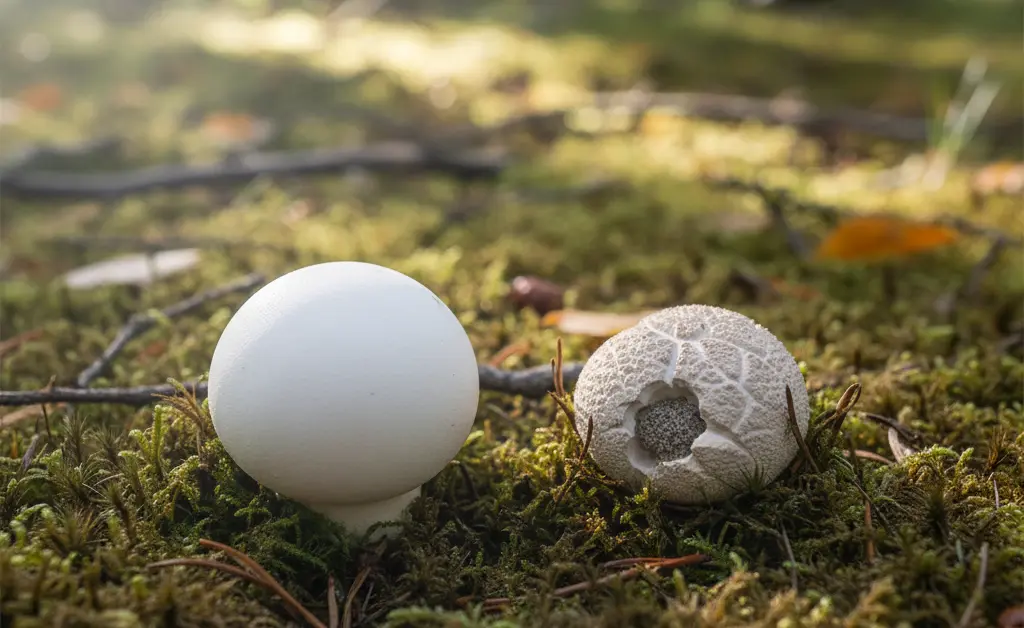
Foraging for wild mushrooms has become an increasingly popular activity, appealing to culinary enthusiasts and those seeking a deeper connection with nature. There’s a certain thrill in discovering edible fungi, imagining them as a fresh, healthy addition to a home-cooked meal. However, this rewarding hobby comes with a critical caveat: accurate identification is paramount. Misidentifying species can lead to severe health consequences, transforming a delightful culinary adventure into a medical emergency. Among the most commonly sought-after varieties are puffball mushrooms, known for their distinct appearance and delicate flavor when properly identified. Yet, aspiring foragers must be acutely aware of the potential for a poisonous puffball mushroom look alike, as several toxic species can bear a striking resemblance to their edible counterparts, making careful distinction absolutely essential for safety.
Poisonous Puffball Mushroom Look Alikes
While many species of puffball mushrooms are considered edible, especially when young and firm, their appearance can be deceiving. Several toxic fungi mimic the general shape and color of true puffballs, presenting a significant challenge for novice and even experienced foragers. The danger lies in mistaking one of these harmful species for a culinary delight. Understanding the specific characteristics that differentiate safe puffballs from a poisonous puffball mushroom look alike is crucial for any successful and safe foraging endeavor.
Giant Puffball Mushroom Poisonous Look-Alikes
The giant puffball (*Calvatia gigantea*) is a coveted find due to its impressive size and mild flavor. However, it can be confused with certain immature fungi that are highly toxic. Notably, young specimens of the highly poisonous Amanita species, such as *Amanita phalloides* (Death Cap) or *Amanita virosa* (Destroying Angel), can appear as small, round, white objects emerging from the ground before their caps and gills develop. These young button stages, when sliced open, will often reveal the nascent structures of gills and a developing stalk, which are entirely absent in true puffballs. You can learn more about puffball mushroom vs amanita identification.
Common Earth Ball Mushroom Look Alikes
Earth balls, primarily species within the genus *Scleroderma*, are perhaps the most frequently encountered poisonous puffball look-alikes. While their exterior can resemble a true puffball, their internal structure and spores are vastly different. Identifying earth balls involves careful observation of several key features. Unlike edible puffballs, which have a uniform white, marshmallow-like interior when young, earth balls possess a firm, purplish-black, or dark gray interior that is often mottled with white veins, even when immature. Their skin also tends to be thicker and tougher than that of edible puffballs. Puffball mushroom identification is key to distinguishing these from true puffballs.
Is There a False Puffball Mushroom?
Yes, the term “false puffball” is commonly used to refer to earth balls and other fungi that superficially resemble true puffballs but are either inedible or toxic. These false puffballs can cause gastrointestinal distress, characterized by symptoms such as nausea, vomiting, and diarrhea. The distinction is not merely academic; it is a critical safety measure for anyone considering consuming wild fungi. Recognizing the common false puffball mushroom is a fundamental skill for safe foraging.
Identifying False Puffballs (e.g., Scleroderma citrinum)
One of the most common false puffballs is *Scleroderma citrinum*, also known as the common earth ball or pigskin puffball. Its exterior appearance can be yellow to yellowish-brown, often with scales or warts, and it feels much firmer and tougher than a true puffball. When sliced open, the interior color and texture are the most definitive indicators: *Scleroderma citrinum* has a dark purplish-black, firm, and marbled flesh, which rapidly turns powdery with dark spores as it matures. In contrast, an edible puffball will always have a uniformly pure white, spongy interior, even in early stages of development. Learning how to tell if a puffball mushroom is cut in half reveals its internal structure.
Identifying Other Toxic Fungi Resembling Puffballs
Beyond earth balls, other toxic fungi might be mistaken for puffballs, especially during their button stage. Certain types of young boletes, for example, can have a rounded, closed appearance before their pores develop. Additionally, some species of *Phallus* (stinkhorns) begin as “eggs” that can resemble small puffballs, though their distinctive odor and gelatinous texture when cut usually reveal their true identity. Careful examination of growth habits, including where and how the mushroom is growing, along with its internal characteristics, is essential to avoid these dangerous mistakes. Always consider the potential for a poisonous puffball mushroom look alike if any doubt exists.
Edible vs. Poisonous Mushroom Identification
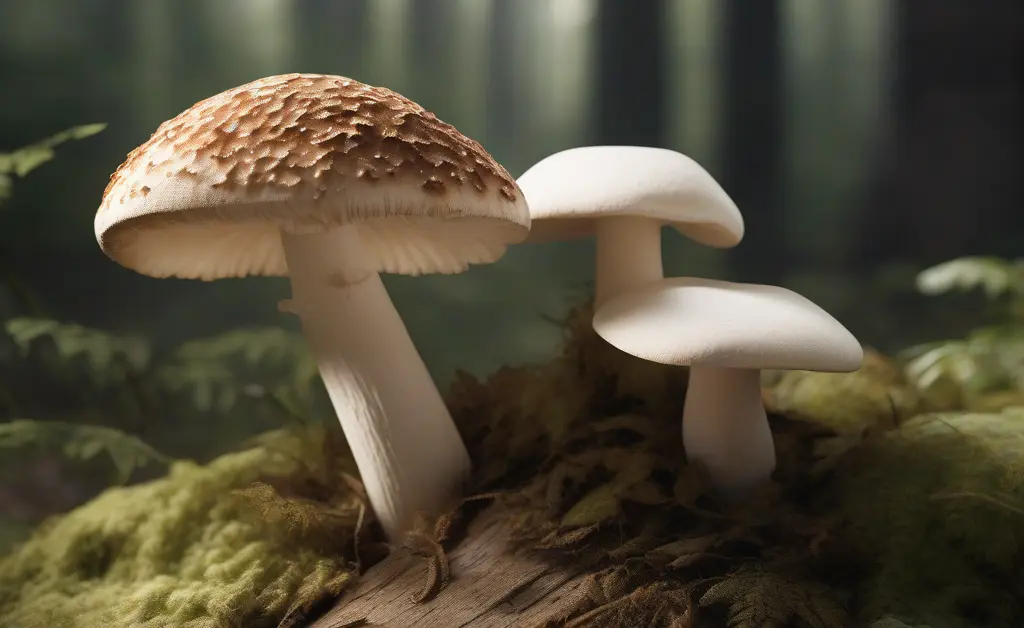
Distinguishing between edible and poisonous mushrooms, especially those that appear similar to puffballs, requires meticulous observation and adherence to strict identification protocols. There are several key characteristics of edible puffballs that can help differentiate them from harmful look-alikes. When you find a mushroom resembling a puffball, the first and most critical step is to slice it open from top to bottom. A truly edible puffball will reveal a uniformly white, firm, and undivided interior, resembling a marshmallow. If there is any discoloration, visible gills, or the outline of a cap and stem, it is not a true puffball and should not be consumed. This simple rule addresses the core question: How can I tell if a puffball mushroom is safe to eat? This is especially important when dealing with a young puffball mushroom.
Another important aspect is the exterior appearance. Edible puffballs often have a smooth to slightly textured white or off-white surface, though some may have small spines or scales that are easily rubbed off. False puffballs, on the other hand, might have a tougher, warty, or rougher exterior, often with a yellowish or brownish tint. Can you tell if a mushroom is poisonous by looking at it? While exterior appearance provides clues, it is rarely enough on its own; internal examination is paramount.
Understanding growth habits can also assist in identification. Many puffballs grow directly on the ground in grassy areas, meadows, or forests, often in troops or rings. Identifying earthballs and other false puffballs often involves noting their darker, firmer skins and their tendency to grow in similar habitats. For advanced identification, spore prints can be used, though this is often not necessary for basic puffball identification and is more suited for experienced mycologists. The importance of accurate identification cannot be overstated. When in doubt, throw it out – this age-old foraging adage is the safest approach. Using field guides and resources, and even better, learning from experts, are invaluable practices for safe mushroom foraging.
Puffball Mushroom Dangers
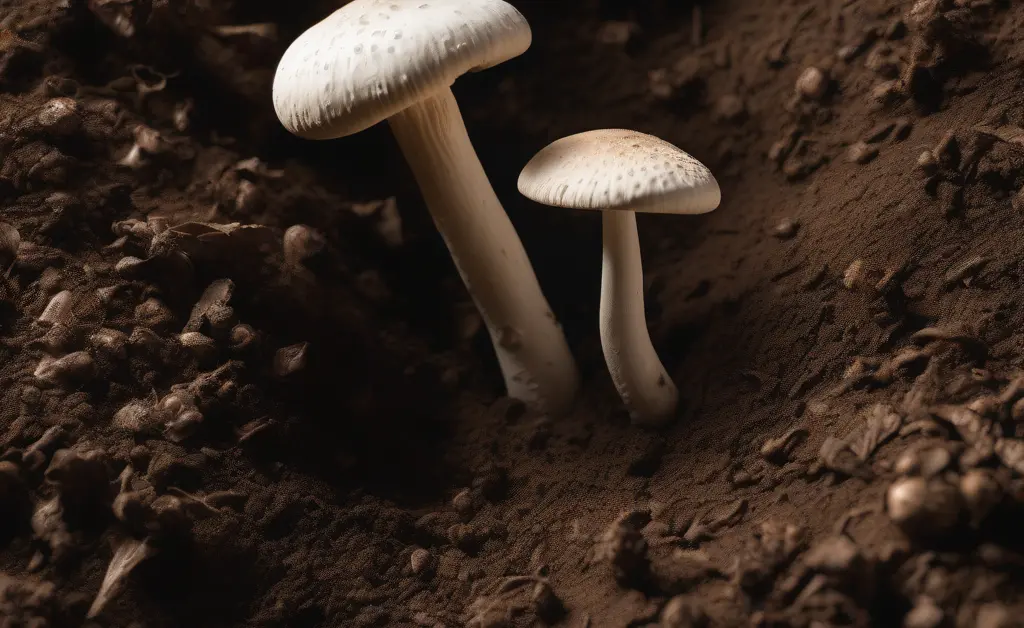
The primary danger associated with puffball mushrooms stems from misidentification. Consuming a poisonous puffball mushroom look alike can lead to severe health consequences ranging from intense gastrointestinal distress to liver failure and even death, depending on the toxic species ingested. Symptoms such as nausea, vomiting, diarrhea, abdominal cramps, and dehydration can occur within hours of ingestion. In the case of highly toxic *Amanita* species, initial symptoms might be delayed, giving a false sense of security before critical organ damage begins. Global health organizations like the WHO provide extensive information on mushroom toxicity and food safety.
Beyond outright poisonous species, there’s also the question of edibility even for true puffballs. Can a puffball mushroom make you sick if it’s not fully developed or if it’s past its prime? True puffballs are only considered edible when their interior is uniformly white and firm. If the inside has started to turn yellowish, greenish, or brownish, it indicates that the spores are maturing, and the mushroom is no longer suitable for consumption, potentially causing mild gastric upset. Similarly, any sign of insect infestation or decay makes a puffball inedible. Therefore, careful inspection, both inside and out, is vital to ensure safety and enjoyment.
In conclusion, while foraging for puffball mushrooms can be a delightful and rewarding experience, it demands a rigorous approach to identification. The presence of numerous poisonous look-alikes, particularly earth balls and immature toxic Amanita species, underscores the critical need for careful scrutiny. Always prioritize the internal examination of any potential puffball, ensuring its flesh is uniformly white and firm without any sign of gills or stem development. Educating oneself with reliable field guides, learning from experienced foragers, and adhering to the principle of “when in doubt, throw it out” are indispensable practices to ensure the safety and enjoyment of this fascinating culinary pursuit.
The content presented here is not a substitute for professional medical guidance. It is for informational purposes only and should not be used to diagnose or treat any health problem or disease. Always consult with a qualified healthcare professional before making any decisions about your health or engaging in any activities that may affect your health, particularly when consuming wild fungi. Incorrect identification of mushrooms can lead to severe health consequences.
FAQ
What mushroom looks like a puffball but is poisonous?
The deadly Amanita phalloides, commonly known as the death cap, can be mistaken for puffballs, particularly when young. Unlike true puffballs, Amanitas possess gills underneath their cap and often have a volva, or cup-like structure, at the base of the stem. These features are crucial distinguishing characteristics that help differentiate edible puffballs from their toxic counterparts.
Are there any toxic mushrooms that look like puffballs?
Yes, certain toxic mushrooms can bear a resemblance to puffballs, especially in their early developmental stages before their distinctive features emerge. It is important to be aware of potential look-alikes, as misidentification can lead to serious health consequences. Careful observation of features like the presence of gills or a volva is essential for safe mushroom foraging.
Continue reading
You May Also Like
How to Identify Poisonous Hedgehog Look-Alikes
Confidently identify the differences between safe species and hedgehog mushroom poisonous look alikes using our clear, expert visual guide.
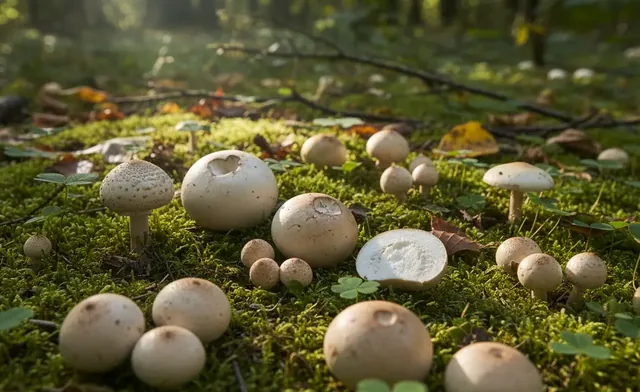
Identifying Edible Puffballs and Their Poisonous Mimics
Avoid deadly mistakes by learning the key visual differences between edible puffballs and poisonous puffball mushroom look alikes like Amanitas.
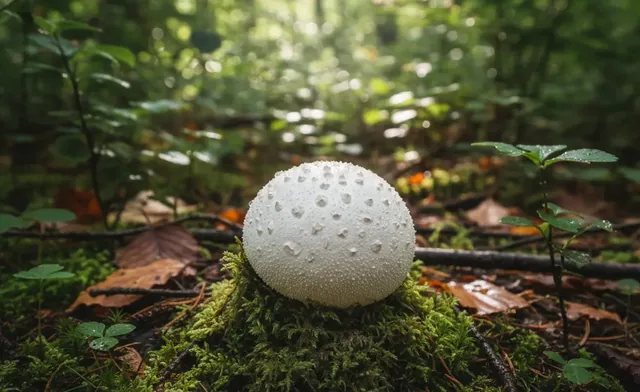
A Guide to Poisonous Puffball Look-Alikes
Use this clear ID guide to distinguish true edible puffballs from their deadly mimics and avoid a dangerous puffball mushroom poisonous mix-up.