
Understanding Portobello and Baby Bella Mushrooms
Have you ever wondered if portobello and baby bella mushrooms are truly distinct, or if their names are simply marketing variations for the same fungi? Many culinary enthusiasts and home cooks often encounter both in grocery aisles, leading to natural questions about their differences, uses, and origins. This article aims to demystify these popular edible fungi by exploring the portobello mushroom vs baby bella debate in detail. We will delve into their biological relationship, examine key distinctions in size, flavor, and texture, and discuss their optimal culinary applications. Understanding these nuances can enhance your cooking and help you select the perfect mushroom for any dish.
Portobello Mushroom vs Baby Bella: Key Differences
Understanding the fundamental relationship between these two popular fungi is key to appreciating their individual characteristics. The discussion around portobello mushroom vs baby bella often stems from a common misconception that they are entirely different species. In reality, they are both part of the same species, Agaricus bisporus, which is also known as the common button mushroom or white mushroom at its earliest stage. The distinctions primarily arise from their maturity and growth stages.
Size and Appearance
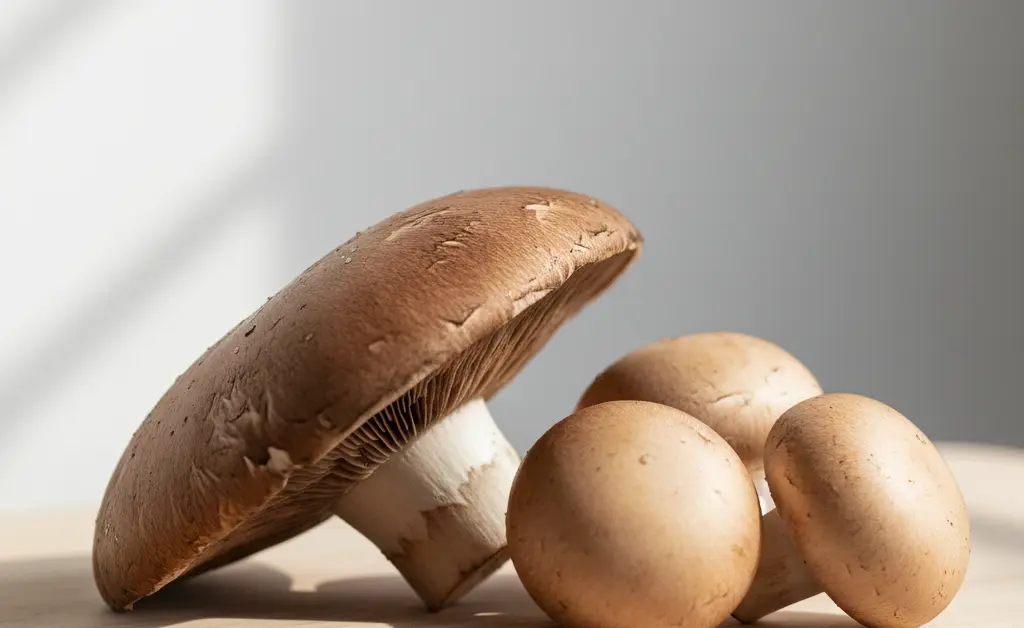
One of the most immediate and noticeable differences between these mushrooms is their size. Portobello mushrooms are considerably larger, often boasting caps that can span several inches in diameter. Their robust size gives them a distinctive, almost steak-like appearance. Baby bellas, conversely, are much smaller, typically ranging from an inch to a few inches across. Their caps are usually closed or only slightly open, maintaining a more compact form compared to their mature counterparts.
Maturity and Growth Stage
The core difference between a portobello and a baby bella lies in their stage of development. Baby bella mushrooms are simply the immature, younger version of the portobello. They are harvested when they are smaller and their caps are not fully expanded. If allowed to continue growing, these baby bellas would eventually mature into portobello mushrooms. This means that a baby bella is essentially a young portobello, and a portobello is a fully grown baby bella. The term “crimini” is also often used interchangeably with baby bella, further highlighting their shared identity. For a deeper dive into this comparison, explore portobello mushroom vs cremini.
Characteristics of Portobellos
Portobello mushrooms are characterized by their large, flat, and often dark brown caps. As they mature, their gills become exposed and turn a deep, rich brown or almost black color. This exposure contributes to their deeper flavor and aroma. The cap can be quite thick and meaty, making them a popular choice for grilling, stuffing, or as a meat substitute. Their substantial size and open structure allow them to absorb marinades well and develop a rich, earthy flavor when cooked.
Characteristics of Baby Bellas
Baby bella mushrooms, also known as crimini, have a more delicate appearance with caps that are typically light to medium brown. Their gills are often still covered by a veil, or are only partially exposed, and are lighter in color than those of a mature portobello. They are smaller and firmer than portobellos, offering a more contained texture. Their compact nature and moderate size make them highly versatile for various culinary applications, where a smaller, bite-sized mushroom is preferred. They differ from white mushrooms, which are harvested at an even earlier stage; learn more about portobello mushroom vs white mushroom.
Portobello Mushroom vs Baby Bella Taste Comparison
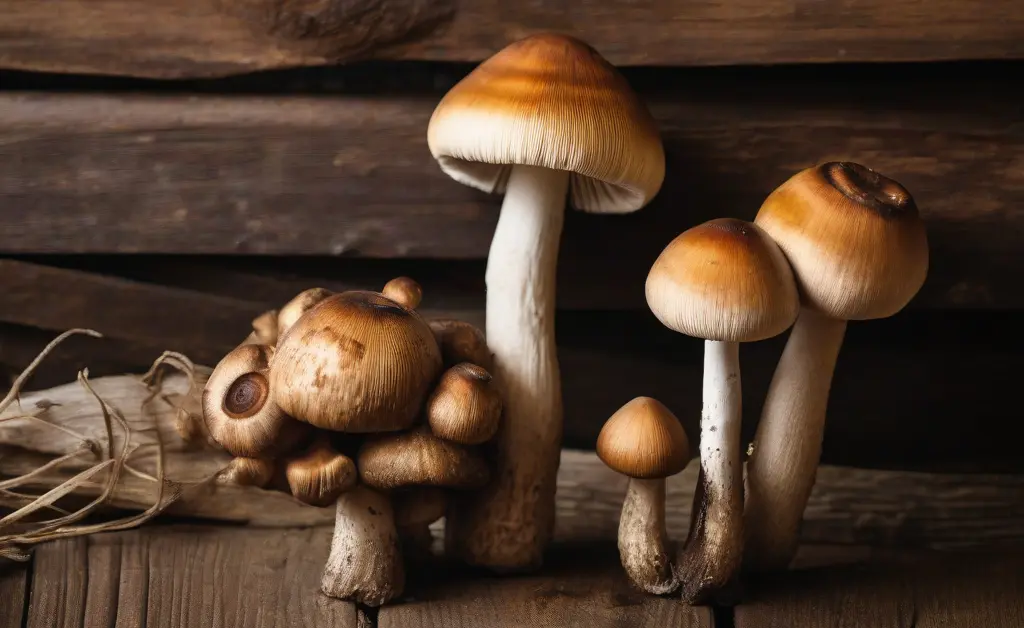
While sharing the same genetic origin, the different growth stages of these mushrooms result in distinct taste profiles. The portobello mushroom vs baby bella taste comparison reveals how maturity influences flavor intensity and complexity, allowing each to shine in different dishes.
Flavor Intensity
Generally, portobello mushrooms are known for having a more pronounced and deeper flavor than baby bellas. Their extended growth period allows them to develop more earthy and umami compounds. Baby bellas, being younger, tend to have a milder, more subtle earthy taste, which can be advantageous when you want the mushroom flavor to complement rather than dominate a dish.
Flavor Profile of Portobellos
Portobellos offer a robust, rich, and intensely earthy flavor with noticeable umami notes. As they grow and their gills darken, they concentrate these savory compounds, resulting in a more complex and meaty taste. This deep flavor makes them a favorite for dishes where the mushroom is a focal point, providing a satisfying and hearty component. When cooked, their flavor can become even more concentrated, offering a truly savory experience.
Flavor Profile of Baby Bellas
Baby bellas possess a milder, more delicate earthy flavor compared to their mature counterparts. They still offer a pleasant umami characteristic but with less intensity. Their taste is often described as slightly nutty and less assertive, making them highly versatile. This subtle profile allows them to blend seamlessly into a wide range of dishes, adding an earthy depth without overpowering other ingredients.
Portobello Mushroom vs Baby Bella Nutrition Facts
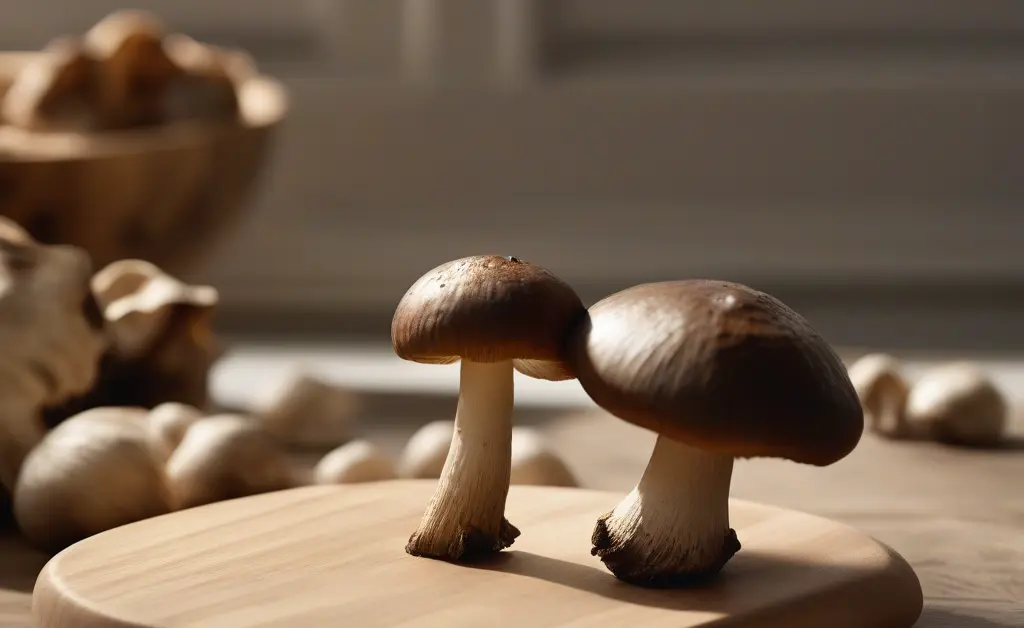
When considering the portobello mushroom vs baby bella, their nutritional compositions are quite similar, given they are the same species at different life stages. Both offer a beneficial array of nutrients and are generally low in calories. They are recognized for contributing to a balanced diet without providing excessive fats or sugars.
Both types of mushrooms are sources of dietary fiber, which supports digestive health. They also provide various vitamins and minerals, including certain B vitamins like riboflavin, niacin, and pantothenic acid. These B vitamins play roles in energy metabolism and overall cellular function. Additionally, mushrooms can be a source of minerals such as selenium, copper, and potassium, which are important for immune function, antioxidant defense, and maintaining fluid balance. Research into the nutritional benefits of mushrooms can be found on PubMed.
While specific concentrations may vary slightly due to maturity, both portobellos and baby bellas contain antioxidants that may help protect the body’s cells from oxidative stress. They are also unique among vegetables for their potential to provide vitamin D when exposed to ultraviolet light, although levels can vary. Incorporating either type of mushroom into meals can contribute to your daily nutrient intake and support general well-being.
Portobello Mushroom vs Baby Bella Edibility & Safety
Both portobello mushroom vs baby bella are widely consumed and considered safe for consumption when sourced from reliable vendors and properly prepared. They are staple ingredients in kitchens worldwide and are not associated with toxicity issues common to certain wild mushroom varieties. However, as with any food, proper handling and storage are important to maintain freshness and quality.
Before cooking, it’s generally recommended to gently clean mushrooms to remove any dirt or debris. A quick wipe with a damp cloth or a brief rinse is usually sufficient, as mushrooms can absorb water, which might affect their texture when cooked. Ensure mushrooms are fresh, with no signs of sliminess, mold, or strong off-odors, which could indicate spoilage.
Texture
Texture is another key differentiator that influences how these mushrooms are best utilized in culinary applications. The maturity difference between portobello and baby bella profoundly impacts their physical structure and mouthfeel when cooked.
Texture of Portobellos
Portobello mushrooms are known for their firm, meaty, and substantial texture. Their large caps, especially when cooked, develop a satisfying chewiness that can resemble certain cuts of meat. This robust texture allows them to hold up well to grilling, baking, and stuffing without becoming mushy. The substantiality of a portobello contributes to its ability to serve as a hearty main course or a significant component of a dish. They are quite different from shiitake mushrooms in texture; see portobello mushroom vs shiitake.
Texture of Baby Bellas
Baby bella mushrooms offer a firmer, denser texture than their white button counterparts, but they are still more tender than mature portobellos. They have a slightly chewy quality that makes them pleasant in stir-fries, sauces, and casseroles. Their compact nature means they retain more moisture and a bit more bite, even after cooking. This versatility in texture makes them suitable for a wide array of cooking methods, from sautéing to roasting. They are also distinct from button mushrooms, which are harvested very early; explore portobello mushroom vs button mushroom.
Culinary Applications: When to Use Which
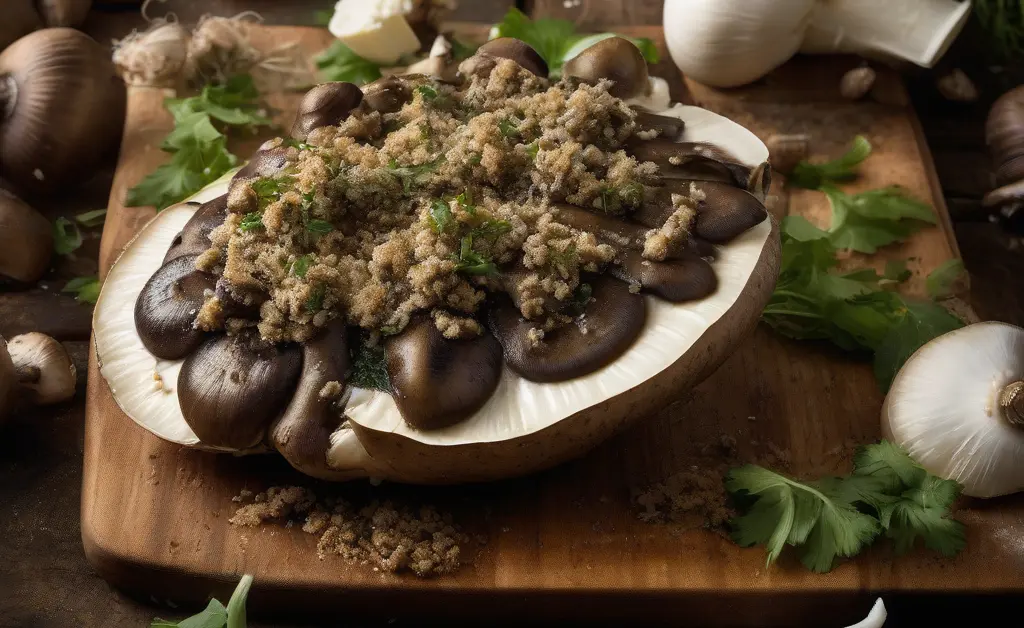
The choice between portobello and baby bella mushrooms often depends on the desired texture, flavor intensity, and role the mushroom will play in a dish. Portobellos, with their large size and meaty texture, are excellent for standalone preparations. They are frequently grilled or roasted whole, often stuffed with various fillings like breadcrumbs, herbs, cheese, or vegetables, making them a popular vegetarian main course. Their robust flavor also makes them suitable for hearty burgers or sandwiches, providing a satisfying umami experience. They can also be sliced and used in fajitas or as a substantial addition to stir-fries where a prominent mushroom presence is desired.
Baby bellas, or crimini mushrooms, offer greater versatility due to their smaller size and slightly milder flavor. They are ideal for dishes where mushrooms are intended to blend with other ingredients rather than dominate. Sautéing them with garlic and herbs makes a simple yet flavorful side dish. They are excellent in pasta sauces, risottos, soups, stews, and casseroles, adding depth and earthy notes without overpowering. Their ability to hold their shape well during cooking also makes them a good choice for stir-fries, omelets, and quiches. When a recipe calls for general “mushrooms,” baby bellas are often a safe and delicious choice, providing a balanced flavor and pleasing texture.
In essence, if you want the mushroom to be the star or a significant, hearty component, choose portobello. If you need a versatile mushroom to complement and enhance a broader range of dishes, baby bellas are an excellent option. Both varieties offer delicious ways to incorporate earthy, umami flavors into your cooking.
The content presented here is not a substitute for professional medical guidance. While mushrooms are a nutritious food, this information is for general knowledge and informational purposes only, and does not constitute medical advice. Always consult with a qualified healthcare professional or dietitian for any health concerns or before making any dietary changes. Individual dietary needs can vary, and what is suitable for one person may not be for another.
FAQ
Are portobello and baby bella mushrooms the same?
Yes, portobello and baby bella mushrooms are actually the same species, *Agaricus bisporus*, at different stages of maturity. Baby bellas, also known as cremini, are younger, smaller, and firmer than their mature counterparts. As they mature, they grow larger, develop a deeper brown color, and their texture becomes meatier and their flavor more pronounced.
Can I substitute portobello for baby bella mushrooms?
You can substitute portobello for baby bella mushrooms in many recipes, but consider their size and moisture content. Portobellos are significantly larger and contain more water, so they may require adjusted cooking times and methods to achieve the desired texture. Their stronger, earthier flavor can also alter the overall taste profile of a dish compared to the milder baby bella.