
Portobello or Button: Choosing the Right Mushroom
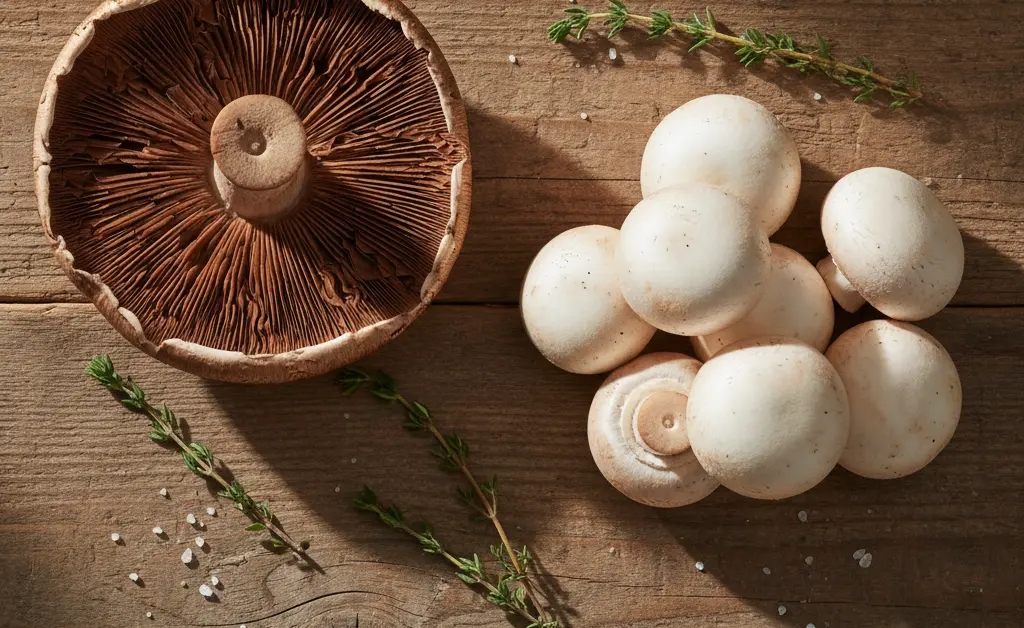
For many home cooks, selecting the perfect mushroom can seem like a minor detail, yet an informed choice can significantly enhance a dish’s flavor and texture. Moving beyond simply grabbing the nearest option, understanding the nuanced differences between common varieties empowers you to elevate your culinary creations. This guide will clarify the distinctions that arise when comparing portobello mushroom vs button mushroom, offering practical insights into their unique characteristics. By exploring factors like taste profile, nutritional content, and ideal culinary applications, you will transform your approach to cooking with fungi, ensuring each dish reaches its full potential through deliberate ingredient selection rather than guesswork. This detailed comparison aims to refine your understanding, leading to more intentional and successful meal preparation.
Portobello mushroom vs button mushroom taste
When evaluating the portobello mushroom vs button mushroom for culinary applications, their distinct taste profiles and physical attributes are often the primary considerations. These differences are not coincidental; they are intrinsically linked to their stage of development. Both button mushrooms and portobello mushrooms are, in fact, the same species, Agaricus bisporus, but harvested at different stages of maturity.
Flavor Profile
Button mushrooms, also known as white mushrooms, are the youngest and least mature stage. They possess a delicate, mild, and earthy flavor that is highly versatile. Their subtle taste makes them an excellent canvas for absorbing other flavors in a dish, making them a staple in a wide array of cuisines. As they mature, their flavor deepens. Portobello mushrooms, on the other hand, are fully mature button mushrooms. This extended growth period allows them to develop a significantly richer, more robust, and meaty flavor. They boast a pronounced umami quality that can stand up to strong seasonings and grilling, often serving as a substantial component in vegetarian and vegan meals due to their savory depth.
For a comparison with another popular variety, explore the portobello mushroom vs cremini differences.
Size and Shape
The visual distinction between these two mushroom varieties is perhaps the most immediate. Button mushrooms are characterized by their small, round caps and short stems. They are typically harvested when their caps are tightly closed, creating a compact and uniform appearance. This smaller size makes them ideal for slicing, dicing, or leaving whole in dishes where a delicate texture is desired. Portobello mushrooms are considerably larger, with broad, flat caps that can measure several inches in diameter. Their caps are fully opened, and their gills are exposed and dark. Their substantial size and flat shape make them perfect for stuffing, grilling whole, or slicing into thick “steaks” for a hearty main course.
Understand the characteristics of portobello mushroom vs baby bella mushrooms.
Color and Texture
Beyond size, color and texture also set these mushrooms apart. Button mushrooms typically have a clean, white cap and stem, a testament to their early harvest. Their flesh is firm and relatively dense, offering a slight bite when cooked. Their texture remains somewhat consistent whether sautéed or roasted. Portobello mushrooms, in contrast, feature a distinctive dark brown cap and dark, exposed gills, which are a hallmark of their maturity. Their texture is much meatier and more fibrous than button mushrooms. When cooked, portobello mushrooms become tender yet retain a satisfying chewiness, often described as having a steak-like consistency. The moistness and density contribute to their satisfying mouthfeel, further differentiating them from their younger counterparts.
Learn more about the portobello mushroom vs white mushroom comparison.
Portobello mushroom vs button mushroom nutrition
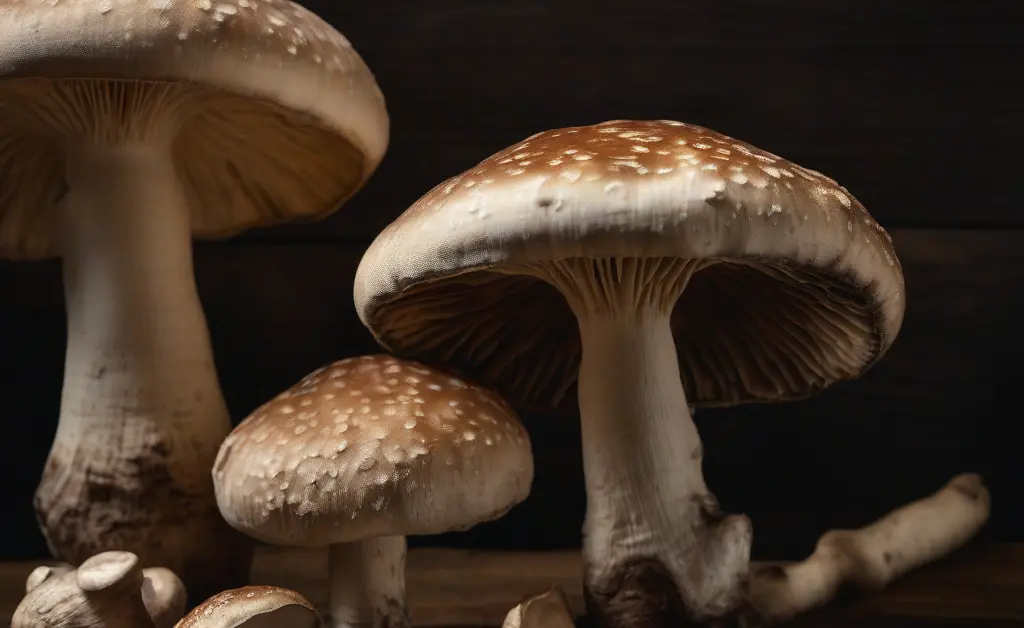
While their culinary attributes vary, the nutritional profiles of portobello mushroom vs button mushroom offer similar benefits, albeit with some minor distinctions. Both varieties are known for being low in calories and fat, making them a nutritious addition to many diets. Their composition primarily consists of water, but they also provide a good source of essential vitamins and minerals.
Macronutrient Breakdown
Both button and portobello mushrooms are low in carbohydrates, protein, and fat. They contain dietary fiber, which is beneficial for digestive health. While the exact amounts can vary slightly based on growing conditions and size, neither mushroom is considered a primary source of macronutrients in a typical serving. However, their contribution lies more in their micronutrient density and unique compounds. The protein content, while not as high as animal proteins, is notable for a vegetable, offering some amino acids. Their low calorie count means they can add bulk and flavor to meals without significantly increasing caloric intake.
Micronutrient Content
Mushrooms are a surprisingly rich source of various micronutrients. Both button and portobello varieties are known to contain several B vitamins, including riboflavin (B2), niacin (B3), and pantothenic acid (B5), which play roles in energy metabolism and overall cellular function. They also provide minerals such as selenium, an antioxidant that may help protect cells from damage, and copper, which is involved in iron metabolism and red blood cell formation. Furthermore, both types of mushrooms, especially when exposed to UV light, may contain vitamin D, a crucial nutrient for bone health and immune function. Portobello mushrooms, due to their larger surface area and longer growth period, are sometimes considered to have a slightly higher concentration of certain micronutrients compared to their smaller counterparts, but both are valuable dietary additions.
For a different comparison, explore the portobello mushroom vs shiitake characteristics.
Portobello mushroom vs button mushroom edible
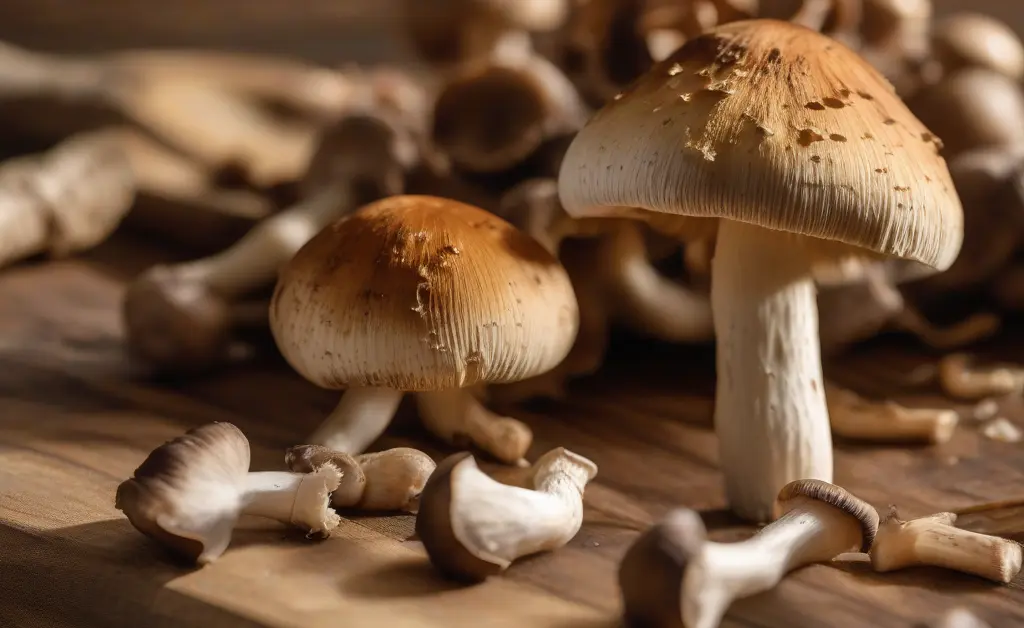
Understanding the specific qualities of portobello mushroom vs button mushroom allows for more intentional ingredient selection, maximizing their potential in the kitchen. Both are highly versatile and widely consumed, but their optimal uses diverge based on their distinct characteristics.
Choosing the Right Mushroom for Your Recipe
Button mushrooms, with their mild flavor and firm texture, are incredibly versatile. They are excellent when sautéed as a side dish, added to soups and stews where they absorb the broth’s flavors, or sliced into omelets and stir-fries. Their uniform size makes them easy to incorporate into mixed vegetable dishes or casseroles. They are also popular raw in salads for a fresh, earthy crunch. Portobello mushrooms, on the other hand, are often treated as a more substantial ingredient. Their robust, meaty flavor and firm texture make them an ideal vegetarian or vegan substitute for meat in various dishes. They are frequently grilled or roasted whole and served as a burger patty, stuffed with grains, vegetables, or cheese, or sliced thickly and pan-fried as a steak. The dark, exposed gills can be removed if a less earthy flavor or darker liquid is desired in a dish, though they are perfectly edible and contribute to the mushroom’s distinct character. Ultimately, the choice between them often comes down to the desired flavor intensity, texture, and the role the mushroom is intended to play in the final dish.
Portobello and button mushrooms, while originating from the same species, offer distinct culinary experiences. Button mushrooms provide a subtle earthiness and delicate texture, making them a versatile choice for everyday cooking, absorbing flavors, and adding a gentle touch to various dishes. Portobello mushrooms, with their robust, umami-rich flavor and substantial, meaty texture, serve as a hearty centerpiece or a flavorful addition to dishes requiring a bolder profile. By understanding these key differences in taste, size, and nutritional nuances, home cooks can confidently select the ideal mushroom to enhance their recipes, transforming simple meals into more intentional and satisfying culinary creations.
For further information on mushroom nutrition and health benefits, the National Institutes of Health provides extensive resources, such as information available at NIH.
This information is provided for educational purposes only. It is not intended to be a substitute for professional medical advice, diagnosis, or treatment. Always seek the advice of a qualified health provider with any questions you may have regarding a medical condition or dietary needs. Reliance on any information provided in this content is solely at your own risk. This information does not endorse any particular product or treatment.
FAQ
Are portobello and button mushrooms the same thing?
Yes, portobello and button mushrooms are actually the same species, *Agaricus bisporus*. The difference in appearance and texture is due to their stage of maturity. Button mushrooms are young, while portobellos are fully mature specimens of the same mushroom.
Is portobello mushroom healthier than button mushroom?
While both are nutritious, their nutritional profiles are very similar, with minor variations. As mushrooms mature, they can develop slightly higher concentrations of certain nutrients and antioxidants. However, the overall health benefits from consuming either type are comparable.
Can I substitute button mushrooms for portobellos?
Certainly, button mushrooms can be substituted for portobellos in many recipes, though the final dish may have a different texture and flavor intensity. Due to their smaller size and firmer texture, button mushrooms will absorb sauces differently than the larger, more porous portobello. This substitution is entirely feasible when you need a different culinary outcome.