
Portobello vs. Shiitake: A Culinary & Nutritional Guide
Just as coffee enthusiasts might weigh the merits of an espresso against a pour-over, or home cooks might deliberate between different types of apples for a pie, culinary decision-making often involves distinguishing between seemingly similar options. In the realm of fungi, the choice often comes down to portobello mushroom vs shiitake. While both are cherished for their unique textures and flavors, understanding their distinct characteristics can elevate your cooking and nutritional choices. This guide delves into a comprehensive comparison, exploring everything from their growth habits and appearance to their culinary applications and health benefits. By examining the fundamental differences, we aim to provide clarity on when and how to best utilize each variety, helping you navigate the delicious world of mushrooms with greater confidence.
Portobello Mushroom vs Shiitake Mushroom: What’s The Difference?
Understanding the fundamental distinctions between a portobello mushroom vs shiitake is key to appreciating their unique contributions to the culinary world. While both are widely available and celebrated for their earthy qualities, they hail from different fungal families and boast unique attributes that set them apart, influencing their texture, flavor, and how they are best prepared.
What is a Portobello Mushroom?
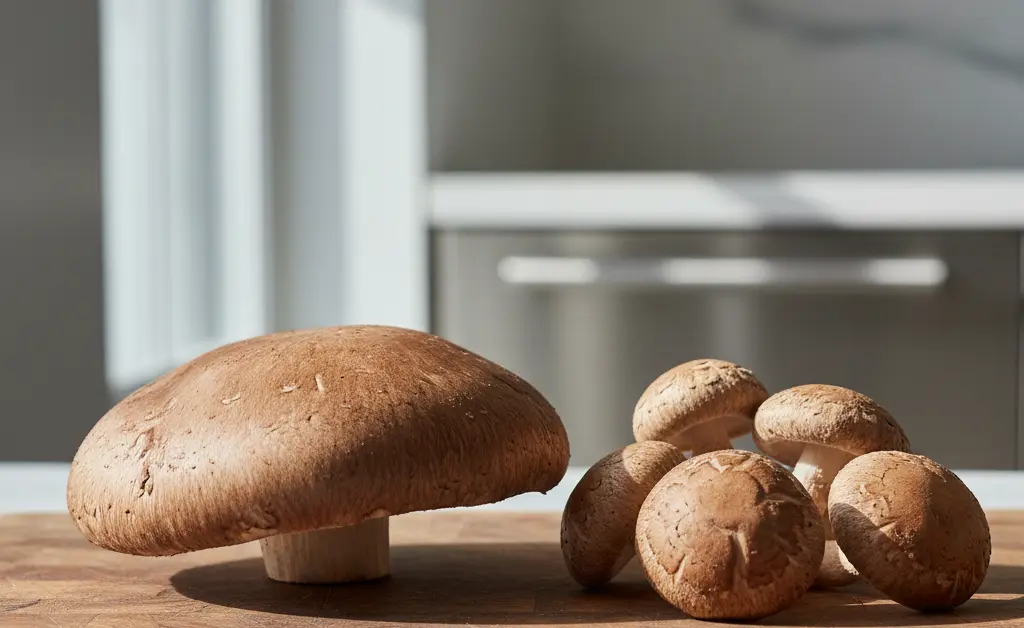
The portobello mushroom is essentially a mature version of the common crimini or button mushroom (Agaricus bisporus). As it matures, its cap expands, flattens, and darkens, revealing prominent, dark gills underneath. This growth process results in a larger, firmer mushroom with a distinctly meaty texture. Its robust size makes it a popular choice for grilling, stuffing, or serving as a vegetarian main course, often lauded for its umami depth.
What is a Shiitake Mushroom?
Shiitake mushrooms (Lentinula edodes) originate from East Asia, where they have been cultivated for centuries. They typically grow on decaying hardwood trees, a traditional method that contributes to their unique flavor. Shiitakes are characterized by their umbrella-shaped, light-to-dark brown caps, which often have a slightly wavy or curled edge. Their stems are typically tougher and fibrous, often removed before cooking, while the caps offer a delicate yet rich texture and a distinctly savory, woodsy aroma.
Key Differences Between Portobello and Shiitake Mushrooms
When comparing portobello mushroom vs shiitake, several key differences emerge in their characteristics and appearance, texture, flavor, aroma, and growth and cultivation methods. These distinctions are crucial for chefs and home cooks alike in determining which mushroom best suits a particular dish or desired outcome.
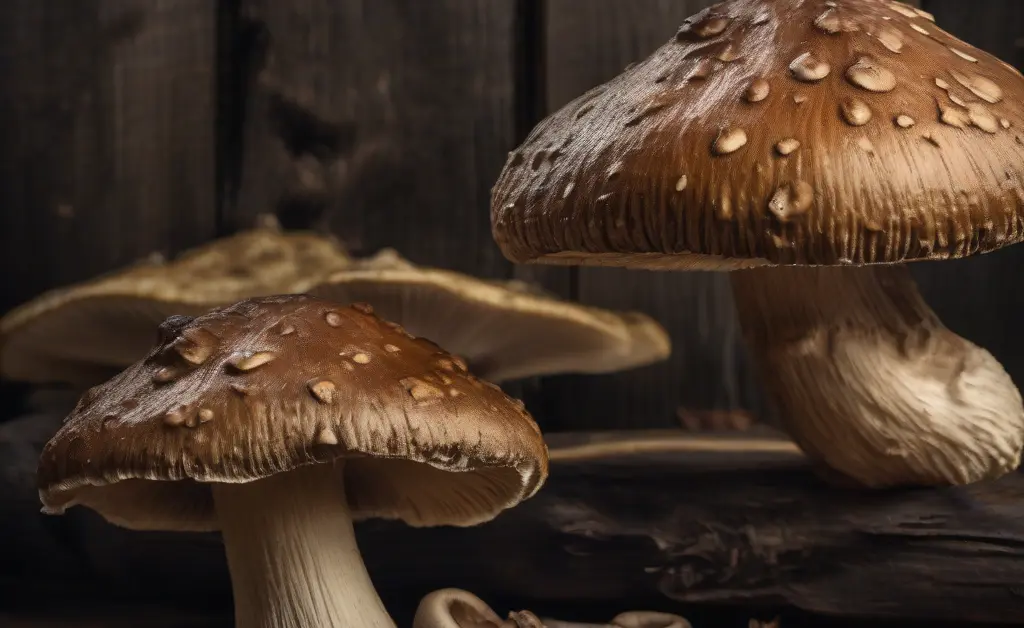
Portobellos are notable for their substantial size and thick, fleshy caps. Their gills are exposed and dark, and their texture is often described as steak-like or meaty, offering a satisfying chew. The flavor profile of a portobello is generally earthy, mild, and distinctly savory, providing a strong umami base that can stand up to bold seasonings. They are typically cultivated on composted agricultural materials, allowing for large-scale production. For more information on comparing portobellos to similar varieties, you can consult a guide on portobello mushroom vs cremini.
Shiitakes, on the other hand, possess a more refined, slightly convex cap that ranges in color from light tan to dark brown, with a velvety or slightly scaly surface. Their texture is firmer yet more tender than portobellos when cooked, particularly the caps, which have a pleasant chew. Shiitake mushrooms are celebrated for their intense, woodsy, and smoky flavor, coupled with a garlicky aroma that becomes more pronounced when cooked. They are traditionally cultivated on hardwood logs, though modern methods also include sawdust blocks, which impart their characteristic flavor and aroma.
Culinary Uses and Flavor Profiles
The distinct flavor and textural characteristics of portobello mushroom vs shiitake naturally lead to different culinary applications. Each mushroom brings its own unique contribution to a dish, transforming the overall experience.
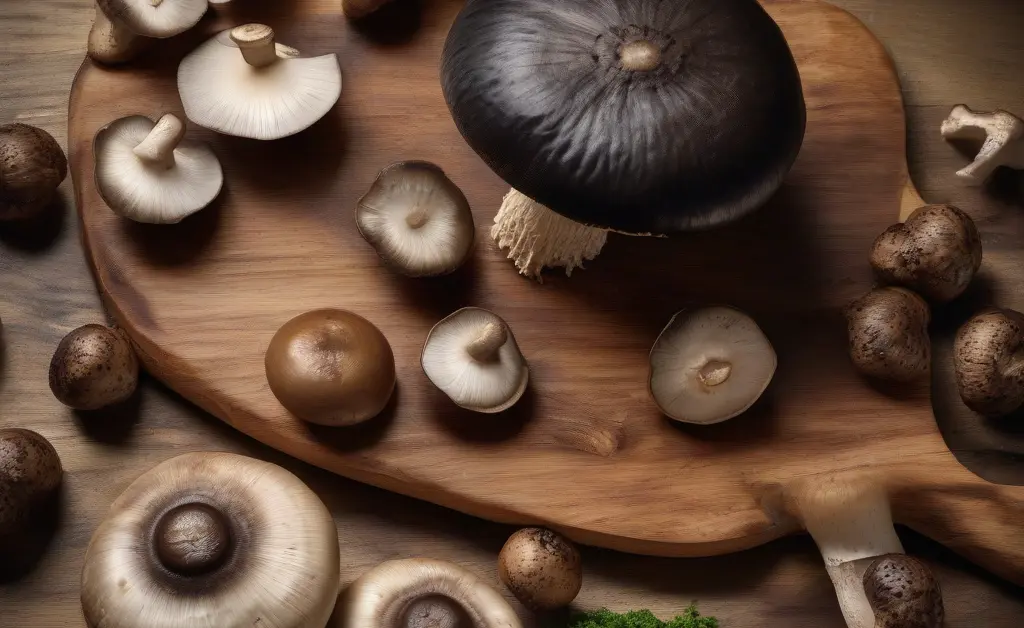
Portobello mushrooms, with their large, sturdy caps and meaty texture, are incredibly versatile. They excel in recipes where they can act as a main component. Common portobello mushroom recipes include grilled mushroom “steaks,” stuffed portobellos baked with various fillings, or sliced into thick pieces for hearty sandwiches and burgers. Their mild, earthy, and umami-rich flavor pairs wonderfully with robust ingredients like cheeses, herbs, garlic, and balsamic vinegar. They absorb flavors readily, making them excellent canvases for marinades and spice rubs. For those interested in learning more about different varieties, a comparison between portobello mushroom vs white mushroom might be helpful.
Shiitake mushrooms, conversely, offer a more concentrated, woodsy, and savory taste with a unique aroma that often carries hints of garlic and pine. This strong flavor makes them ideal for infusing depth into broths, soups, and stir-fries, which are popular shiitake mushroom recipes. They are frequently used in Asian cuisines, adding a distinctive essence to miso soup, ramen, spring rolls, and various noodle dishes. When fresh, their caps are tender yet firm, while dried shiitakes, once rehydrated, offer an even more intense flavor and a chewier texture. Pairing with other ingredients like soy sauce, ginger, and sesame oil enhances their inherent qualities, making them a staple for adding an exotic touch to many preparations.
Nutritional Comparison
Beyond their culinary appeal, both the portobello mushroom vs shiitake offer an array of nutritional benefits, contributing to a healthful diet. While neither should be considered a “superfood” in isolation, they each provide valuable vitamins, minerals, and other beneficial compounds.
Portobello mushrooms are a source of B vitamins, including riboflavin, niacin, and pantothenic acid, which are important for energy metabolism. They also offer minerals like copper and selenium, known for their antioxidant properties. The fiber content in portobellos can contribute to digestive wellness, and their substantial texture can be satisfying in meals without adding excessive calories. They are also being studied for their potential contributions to overall wellness. For those curious about other common mushroom types, a look at the portobello mushroom vs button mushroom can provide further insights.
Shiitake mushrooms are particularly noted for their potential to support immune function. They contain polysaccharides, such as lentinans, which have been widely researched for their effects on immune modulation. Like portobellos, shiitakes are also a good source of B vitamins and minerals like copper and selenium. They may also provide vitamin D, especially if exposed to UV light, which can be beneficial for bone health and immune support. Both mushrooms contain compounds that are being investigated for various health-promoting properties, making them valuable additions to a balanced diet. If you are trying to differentiate between varieties, consider exploring portobello mushroom vs baby bella.
When to Use Portobello vs. Shiitake
Choosing between portobello and shiitake mushrooms often depends on the desired texture, flavor intensity, and role the mushroom plays in a dish. Each excels in different culinary scenarios.
Portobello mushrooms are the preferred choice when you need a hearty, “meaty” element. Their large size and firm texture make them excellent for grilling whole, stuffing and baking, or slicing thickly as a vegetarian steak or burger patty. They can absorb marinades beautifully, making them ideal for dishes where you want the mushroom to carry robust flavors. Think of them for barbecue season, as a main course substitute for meat, or in rich, savory stews where a substantial bite is desired. They also work well in lasagna or pasta dishes where you want a chunky, satisfying texture.
Shiitake mushrooms, with their intense, earthy, and sometimes smoky flavor, are best suited for dishes where you want a concentrated mushroom essence to shine through without necessarily being the main component in terms of size. They are excellent for adding depth to Asian-inspired dishes like stir-fries, miso soup, ramen, and curries. Their firm yet tender texture, especially when thinly sliced, integrates well into noodle dishes or rice bowls. Dried shiitakes are particularly potent in flavor and are fantastic for making rich broths or adding a profound umami note to sauces. If you’re making a light sauté or a delicate sauce, shiitakes can provide a sophisticated flavor without overpowering other ingredients, especially when their stems are removed. For information on food safety regulations, you may refer to the EFSA.
Ultimately, both portobello and shiitake mushrooms offer unique attributes that can elevate a wide range of dishes. By understanding their distinct flavors, textures, and nutritional profiles, home cooks and professional chefs can confidently choose the ideal mushroom to enhance their culinary creations.
This article is written for general understanding and not for medical decision-making. The information provided is for educational purposes only and should not be considered as medical advice. Always consult with a qualified healthcare professional for any health concerns or before making any decisions related to your health or treatment.
FAQ
What is the difference between portobello and shiitake mushrooms?
Portobello mushrooms are large, mature cremini mushrooms with a dense, meaty texture and a mild, earthy flavor. Shiitake mushrooms are smaller with a distinctive umbrella shape, offering a more robust, savory, and slightly smoky taste with a chewier consistency.
Are portobello and shiitake mushrooms the same?
No, portobello and shiitake mushrooms are distinctly different species with unique characteristics. While both are edible and commonly used in cooking, they come from different fungal families and possess varied culinary and nutritional profiles.
Which mushroom is better, portobello or shiitake?
The concept of one mushroom being “better” than another is subjective and depends entirely on personal preference and intended use. Both portobello and shiitake mushrooms offer different textures and flavors that make them suitable for diverse culinary applications.
What does a shiitake mushroom taste like?
A shiitake mushroom is known for its rich, umami-driven flavor profile, often described as savory, smoky, and slightly garlicky. Its taste is more intense than many common mushrooms, making it a popular choice for adding depth to dishes.
What is the flavor of a portobello mushroom?
The flavor of a portobello mushroom is mild, earthy, and subtly savory, providing a substantial base flavor that complements many ingredients. Its meaty texture also contributes to its satisfying taste when grilled, roasted, or used as a meat substitute.