
A Guide to California’s Puffball Mushrooms
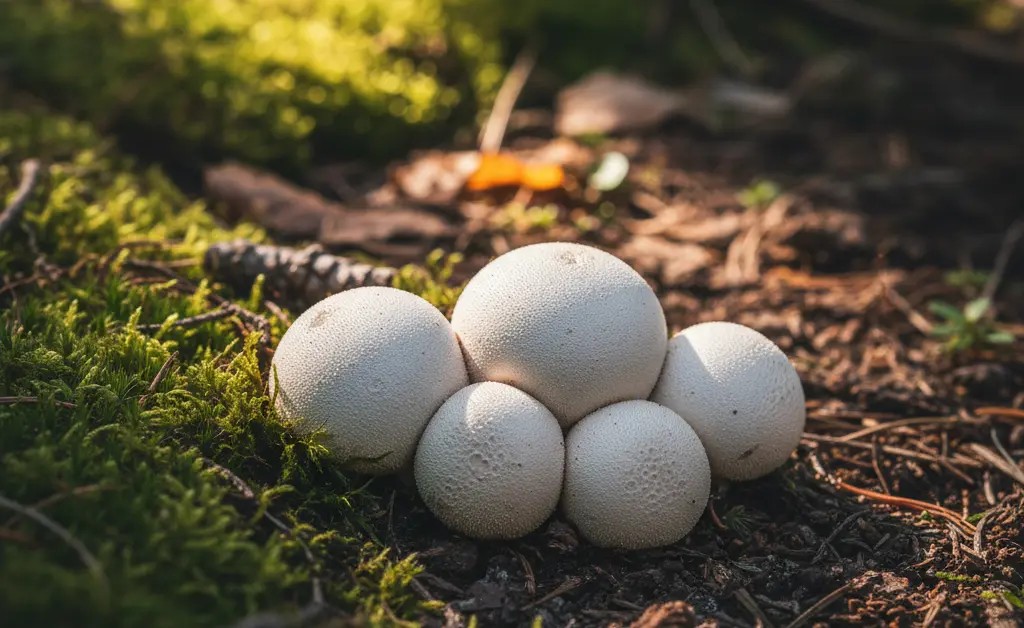
Have you ever wondered about the hidden treasures beneath your feet in California’s diverse landscapes? There’s a particular joy and sense of wonder that comes with identifying edible wild fungi. For many, the thrill of discovery is matched only by the simplicity of finding a common yet fascinating specimen. This guide invites you to explore the captivating world of the puffball mushroom California, a distinctive and often abundant fungus found across the state. Understanding its characteristics, preferred habitats, and identification cues can transform a simple walk into an exciting foraging adventure. Prepare to uncover the secrets of these unique natural growths and gain the confidence to recognize them in their native settings.
Puffball Mushrooms in California
California’s rich ecosystems provide a suitable environment for a variety of fungi, including numerous species of puffball mushrooms. These distinctive fungi are characterized by their globe-like or pear-shaped fruiting bodies, which, when mature, release spores through an opening or by breaking open. Their appearance often ranges from smooth and white to more intricately textured surfaces, and they can vary significantly in size, from small, marble-like specimens to impressive giants. Understanding the general characteristics of puffballs, such as their lack of gills, stems (in many species), and caps, is crucial for accurate identification within the state’s fungal diversity. The life cycle of a puffball involves the development of these fruiting bodies from underground mycelium, culminating in the dispersal of millions of spores, which are often observed as a dusty cloud when a mature puffball is disturbed. For more information on puffball mushrooms, explore this puffball mushroom guide.
California Puffball Species
The state of California is home to a diverse array of puffball species, each adapted to specific environmental niches. These fungi contribute significantly to the local ecosystem by decomposing organic matter and forming mycorrhizal associations with trees. While many share general puffball traits, subtle differences in size, texture, color, and habitat can distinguish them. Familiarity with the common types found across various Californian biomes is a foundational step for any aspiring forager or enthusiast.
Calvatia Booniana – California Fungi
Among the notable puffball species found in California is Calvatia booniana, often referred to as the western giant puffball. This species can grow to a considerable size, though typically not as large as its eastern counterpart, Calvatia gigantea. It commonly features a white or off-white exterior with a somewhat smooth to slightly warty texture. Like other true puffballs, a key identification feature is its solid, uniform white interior when young, which gradually turns yellow and then olive-brown as spores mature. This particular species is often encountered in open grasslands and prairies, making it a prominent example of California fungi.
California Fungi — Puffballs, Earthstars and Stalked
Beyond the classic puffballs, California’s fungal landscape also includes related groups such as earthstars (genus Geastrum) and various stalked puffballs. While visually distinct, these fungi share certain characteristics with true puffballs, particularly in their spore dispersal mechanisms. Earthstars, for instance, open up to reveal a spore sac, resembling a star. Stalked puffballs, as their name suggests, develop a distinct stem-like structure supporting a spore-bearing head. Distinguishing between these groups is important for accurate identification, as not all related fungi share the same edibility profiles. Key identification features across all these groups often involve examining the internal structure, spore color, and overall morphology to differentiate them from other fungi and potential look-alikes.
Puffball Mushroom Identification in California
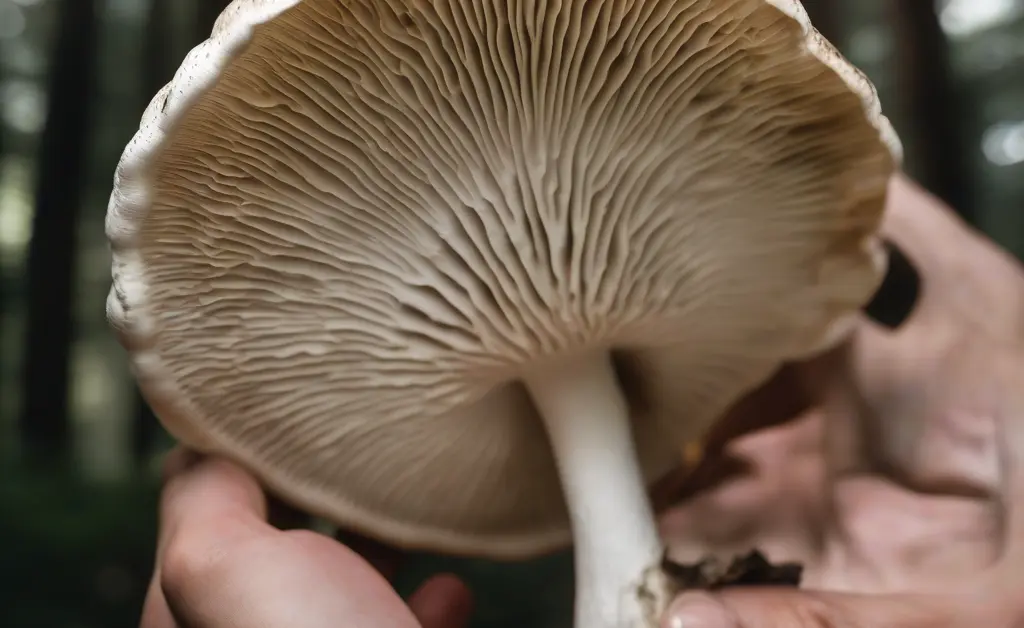
Accurate identification is paramount when seeking any wild fungi, and the puffball mushroom California is no exception. Beyond the general characteristics, foragers must pay close attention to specific features to confirm they have found a true puffball and not a potentially harmful look-alike. The most critical identification cue for edible puffballs is a uniformly white, solid interior when cut open. Any discoloration, gills, or a developing stem within the mushroom indicates it is not a safe, edible puffball. These key identification features help distinguish them from immature forms of other fungi, including some poisonous species, which might initially appear puffball-like.
Habitat Preferences in California
Puffball mushrooms in California exhibit diverse habitat preferences, though many species favor certain conditions. Generally, they thrive in areas rich in organic matter, often found in grassy fields, pastures, open woodlands, and along forest edges. The ideal growing conditions for many puffballs include moist soil and moderate temperatures, often appearing after rainfall during specific seasons. Some species may prefer decaying wood, while others are terrestrial. Understanding these habitat preferences can significantly increase the chances of locating these fungi, as certain environments are more likely to host specific types of puffballs.
Giant Puffball Mushroom California
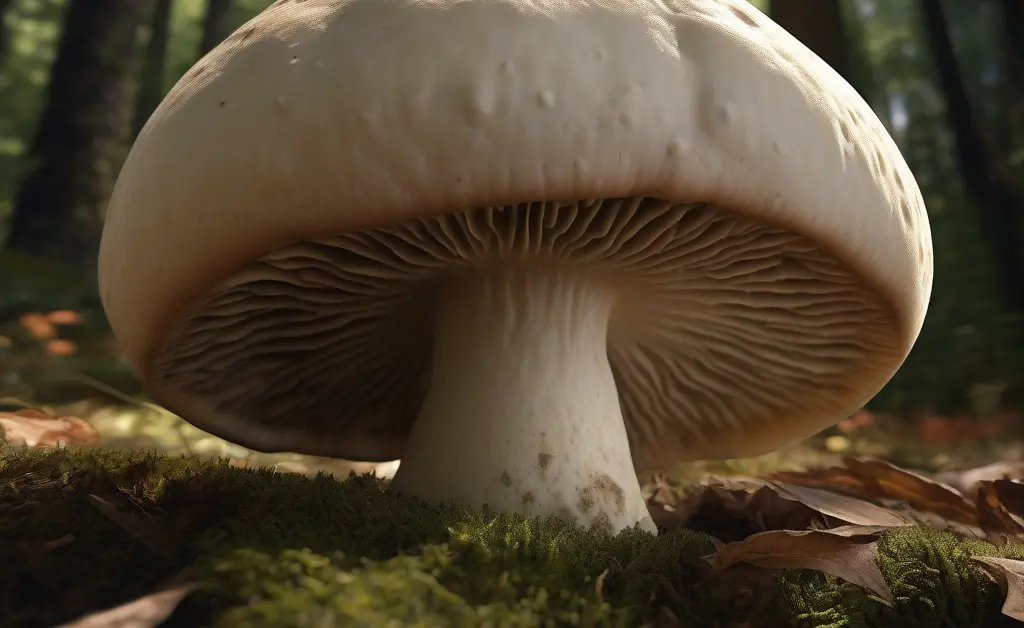
The giant puffball mushroom California, primarily represented by Calvatia gigantea, is one of the most exciting finds for any mushroom enthusiast. Known for its impressive size, which can range from that of a volleyball to a basketball or even larger, this species is a true spectacle of the fungal world. Its sheer volume makes it an exceptional foraging target, offering a substantial amount of edible flesh. When young and firm, its interior is entirely white and resembles marshmallow. The surface is typically smooth, white, and leathery. These characteristics make the giant puffball quite distinct and relatively easy to identify among other fungi found in the state, provided its internal structure is confirmed.
Giant Puffball – Calvatia Gigantea
Calvatia gigantea, the true giant puffball, is a prized edible fungus known for its immense size and distinctive appearance. Unlike many other mushrooms, it lacks gills, a cap, or a visible stem, presenting instead as a large, spherical or somewhat flattened body. Its exterior is usually smooth and white, though it may develop slight yellowish or brownish patches with age. The interior is perhaps its most crucial identification feature: when sliced open, a healthy, young giant puffball will reveal a solid, marshmallow-like white flesh throughout. If any yellowing, browning, or internal structures resembling a cap or gills are present, it is not a giant puffball and should not be consumed. Distinguishing from look-alikes is critical, as young, toxic mushrooms can sometimes be mistaken for puffballs. For instance, immature forms of certain Amanita species can have a “button” stage that resembles a small puffball, but a cross-section will reveal developing gills and a cap within. Some of these toxic mushroom species can cause severe illness, so it is important to be aware of public health warnings regarding wild food consumption, as advised by the CDC.
Where to Find Puffball Mushrooms in California
Locating puffball mushroom California can be a rewarding endeavor for foragers. While they are not found everywhere, knowing their preferred habitats and seasonal availability significantly improves the chances of a successful search. These fungi are saprophytic, meaning they obtain nutrients from decaying organic matter, and thus are often found in environments rich in such materials. Patience and a keen eye are essential, as some puffballs can blend in surprisingly well with their surroundings.
Specific Locations in California
Puffball mushrooms in California can be found in various regions across the state, depending on the species and local conditions. General areas where they are commonly encountered include the coastal ranges, particularly in grassy areas and open woodlands, and the Sierra Nevada foothills. They can also appear in disturbed areas, such as lawns, parks, and golf courses, especially after periods of rain. While specific sites can vary year to year, focusing on areas with a good mix of decaying wood and open ground, or established grasslands, often yields good results. Forest edges and clearings are also promising spots for many species of puffballs.
Seasonal Availability in California
The seasonal availability of puffball mushrooms in California is largely dictated by moisture and temperature. Many species tend to fruit during the wetter, cooler months, typically from late autumn through spring. However, some puffballs may appear during the summer months in certain higher elevation areas or in coastal regions that receive fog drip. The precise timing can vary annually based on rainfall patterns. Foragers often observe that a good rain followed by mild temperatures can trigger a flush of puffball growth. Keeping an eye on local weather conditions and historical foraging reports for your area can provide valuable clues for when to begin your search.
Edible Puffball Mushrooms in California
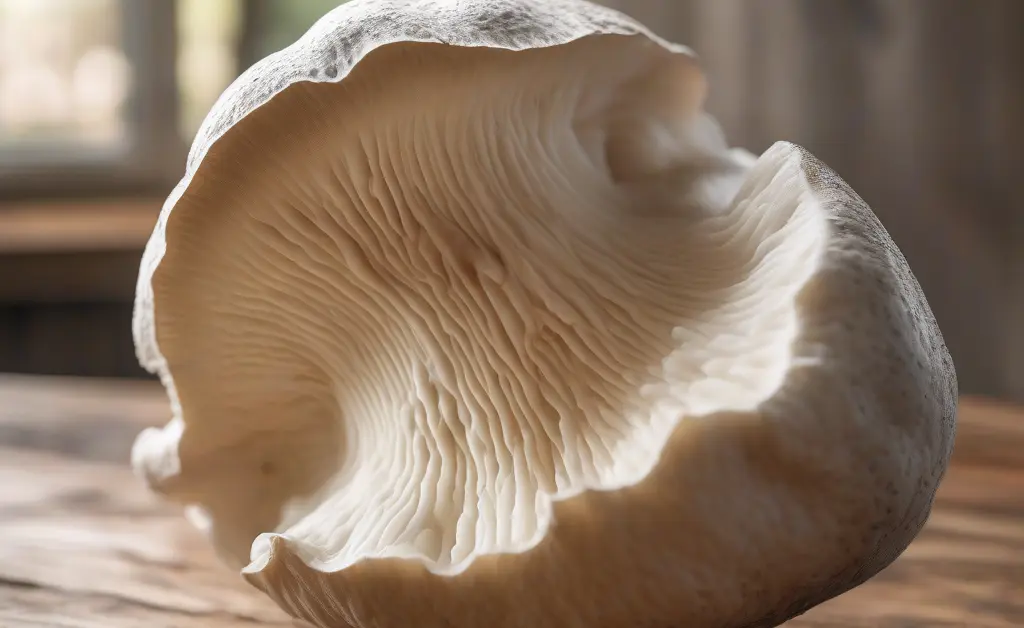
The edibility of puffball mushrooms in California is a significant draw for many foragers, but it comes with strict precautions. When properly identified and prepared, many puffball species, especially the giant puffball (Calvatia gigantea) and some smaller species like pear-shaped puffballs (Lycoperdon pyriforme), are considered delicious. However, consuming misidentified mushrooms can lead to severe illness or worse. It is critical to understand the risks and take necessary precautions. The primary rule for edible puffballs is that the interior must be uniformly pure white, firm, and solid. Any internal discoloration, presence of gills, or a distinct cap and stem structure means it is not a true edible puffball. Are there any poisonous puffball mushroom look-alikes? Yes, immature “button” stages of some highly toxic mushrooms, like certain Amanita species, can superficially resemble small puffballs. Cutting these in half will reveal the developing internal structures that differentiate them. Are white puffballs poisonous? Only if they are not truly puffballs but rather the button stage of another, poisonous mushroom. When are puffballs edible? They are edible only when young and the flesh is entirely white and firm. As they mature, the flesh turns yellowish, then olive-brown, at which point they are past their prime for consumption and may cause digestive upset. Edible puffballs—a look at Calvatia species and others—underscores the need for careful identification and caution to ensure safety.
Puffball Mushroom Recipes California
Once confidently identified as edible, puffball mushrooms offer a versatile ingredient for culinary exploration. Their mild flavor and firm texture make them suitable for a wide range of dishes. Proper preparation for consumption typically involves slicing the puffball into manageable pieces, ensuring any outer skin (especially on larger, older specimens) is peeled if tough, and then cooking thoroughly. Puffballs should never be eaten raw. Common approaches include slicing them into “steaks” and frying or baking them, where they absorb flavors well. They can also be diced and added to stir-fries, soups, stews, or made into savory fritters. Given their ability to soak up liquids, they are excellent when sautéed with butter, garlic, and herbs. For those in California who enjoy wild foods, incorporating puffball mushrooms into local recipes provides a unique connection to the state’s natural bounty.
Exploring the world of puffball mushrooms in California offers a rewarding experience, blending the thrill of discovery with the satisfaction of connecting with nature. From understanding the diverse species and their specific habitats to mastering the critical art of identification, each step deepens an appreciation for these fascinating fungi. Whether you’re an avid forager or simply curious about the natural world, the puffball mushroom California stands out as an intriguing subject, enriching both our scientific understanding and culinary adventures.
This material is shared for educational insight, not for clinical decision-making. Information regarding wild fungi, including their identification, edibility, and preparation, should always be verified with expert guidance. Foraging for mushrooms carries inherent risks, and misidentification can lead to serious health consequences. This content does not provide medical advice, diagnosis, or treatment. Always consult with a qualified professional before consuming wild mushrooms.
FAQ
Are puffball mushrooms edible in California?
Many puffball mushrooms found in California are indeed edible, but positive identification is crucial before consumption. Young, firm puffballs without any internal gill structures are generally considered safe and delicious. However, misidentification can lead to consuming toxic species, so always err on the side of caution.
What does a puffball mushroom look like in California?
Puffball mushrooms in California are characterized by their unique, round, or irregularly shaped fruiting bodies that lack a distinct stem and cap. Their interior is typically a mass of spores, which are released when the mushroom matures or is disturbed, often through a pore or a rupture in the outer skin. The size and color can vary significantly depending on the specific species.
Where do puffball mushrooms grow in California?
These fungi can be found in diverse habitats across California, often favoring grassy areas like meadows, pastures, and lawns. They also grow in woodlands, along trails, and sometimes even in gardens. Their presence is linked to the availability of organic matter in the soil, which they decompose.
When is the season for puffball mushrooms in California?
The primary season for puffball mushrooms in California generally spans from late summer through autumn, coinciding with increased moisture from seasonal rains. Specific timing can vary based on geographic location within the state and the amount of rainfall received. Some species may also appear sporadically in other seasons under favorable conditions.
Continue reading
You May Also Like

Where to Buy Fresh and Dried Puffball Mushrooms?
Our guide to semaglutide for weight loss reviews its clinical efficacy, side effects, and cost to help you evaluate if it's the right choice.
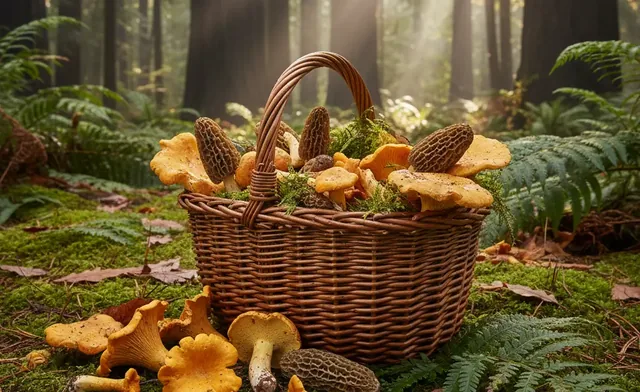
A Forager’s Guide to Edible Mushrooms in California
Our expert guide covers the most common edible mushrooms California has to offer, with detailed identification tips and responsible foraging…
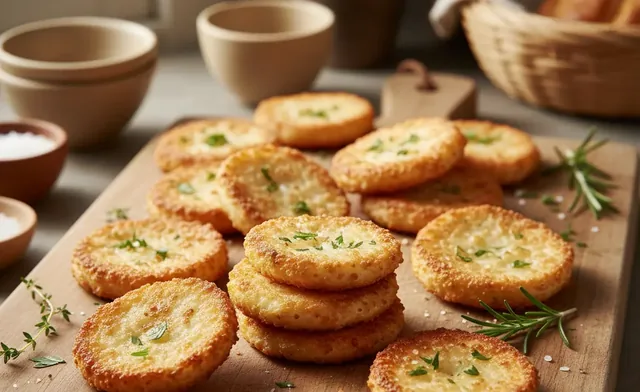
How to Fry Puffball Mushrooms to Golden Perfection
This step-by-step guide provides a complete recipe for fried puffball mushroom, covering preparation, batter, and the best frying technique.